Jaa teos
 Jaa
Jaa
 Tiedot
 Opas
Opas

 Lataa kuva
 Samanlaisia kohteita
 Diaesitys
 Kysymykset ja vastaukset
 Tilastot
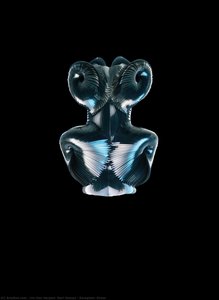
Capriole, Dress


Experience the futuristic beauty of Iris van Herpen’s ‘Capriole, Dress.’ A stunning 3D-printed design blending fashion & technology, showcasing intricate layers and organic forms – a masterpiece by Oxman & van Herpen.
 Lue lisää
Iris van Herpen: hollantilainen haute couture -suunnittelija, joka yhdistää muodin teknologiaan ja tiedeeseen. Tutustu veistoksellisiin 3D-tulostettuihin mekkoihin, yhteistyöhön Neri Oxmanin kanssa sekä avantgarde-malleihin.
Tällä sivulla esitettyä taideteosta suojaa tekijänoikeuslaki, mikä tarkoittaa, ettemme voi laillisesti luoda tai myydä täsmälleen samanlaista jäljennöstä. Tämä suoja toteutetaan kansainvälisten sopimusten, kuten esimerkiksi Berne-konventio ja kansallisilla laeilla, mukaan lukien niillä määritellyt Yhdysvaltain tekijänoikeuslaki – Luku 17. Kaikki oikeudet pidätetään. Luvaton kopiointi tai jäljittely on kielletty.
Tämä menetelmä noudattaa täysin tekijänoikeussäännöksiä, sillä se ei sisällä suojatun taideteoksen kopioimista tai jäljentämistä. Sen sijaan kyseessä on luova uudelleentulkinta – uusi maalaus, joka ammentaa vaikutteita alkuperäisestä, mutta ei ole sen identtinen kopio.
Giclée- ja taideprintit
Museolaatuisia giclée- tai kankaitaulun tulosteita nopealla tuotannolla ja joustavilla viimeistelyvaihtoehdoilla. ( Osta käsinmaalattu taideteos Siirry digitaaliseen kuvaan)




































Vakiokoko
räätälöity
CM
INCH
Valitse valmiista mitoistamme sellaiset, jotka vastaavat teoksen alkuperäisiä mittasuhteita.
Loading sizes...

leveys
korkeus
Syötä tarvitsemasi leveys ja korkeus, jotta tuloste sopii kehyksiisi tai seinällesi. Tulostetta voidaan vain leikata, sitä ei voida koskaan suurentaa alkuperäistä kuvaa suuremmaksi, joten eri muotoinen koko aiheuttaa osan kuvasta katoamisen. Lähetämme sinulle digitaalisen mallikuvan hyväksyttäväksi ennen kuin aloitamme tulostuksen. Tällä sivulla näkyvä kuva ei näytä lopullista rajausta — vain mallikuva näyttää sen.
Maailmanlaajuinen toimitus () 2 viikossa tavallisen 4–5 viikon sijaan. (3 marraskuu)

Ilmainen pikatoimitus ympäri maailman

Korkealaatuinen pellavakangas

Kattava kuljetusvakuutus

Tulliveron palautustakuu

Takuu täydellisestä värien vastaavuudesta

100 päivän palautusoikeus (vain valmistusvirheet)

100% rahat takaisin -takuu

Määräalennus tarjolla
 Lasivaihtoehto on saatavilla vain alle 110 cm kokoisille teoksille

Capriole, Dress
Giclée- ja taideprintit
Replikaatin koko
-


Kokonaishinta
€ 62
The Architecture of Adornment: Exploring Capriole
To stand before "Capriole, Dress" is not merely to observe a garment; it is to encounter a wearable piece of kinetic sculpture. Iris van Herpen and Neri Oxman have conjured forth an image that seems plucked from the confluence of deep-sea biology and advanced computational design. The dress defies the very notion of traditional tailoring, presenting instead a breathtaking exoskeleton of overlapping, crystalline forms. It possesses an almost alien beauty, suggesting a life form caught mid-transformation—a moment suspended between organic growth and technological articulation.
A Dialogue Between Nature and Machine
The visual language employed here is one of exquisite tension. On one hand, the suggestion of feathers or delicate scales speaks to nature's intricate, time-tested patterns. We sense the whisper of biological structure in every curve and overlap. Yet, this organic foundation is rigorously disciplined by sharp, geometric lines that speak the undeniable dialect of the machine age. This dialogue between the fluid grace of life and the precise logic of engineering is the core emotional resonance of the piece. It asks us to reconsider what boundaries exist between artifice and biology, making it a profound meditation on humanity's relationship with its own ingenuity.
Technique and Material Illusion
The mastery displayed in this work lies in its apparent impossibility. The monochromatic palette—a sophisticated interplay of greys, whites, and deep blacks—is not merely decorative; it is structural. Through the meticulous layering suggested by the digital rendering, depth is achieved through shadow play rather than traditional perspective. One can almost feel the tactile quality of these components: are they hard polymers, delicate chitin, or solidified light? The technique suggests advanced additive manufacturing processes, allowing for a complexity that manual craftsmanship alone could scarcely achieve. For those considering a reproduction, understanding this interplay between digital precision and perceived texture is key to appreciating its monumental scope.
Emotional Resonance and Modern Mythology
What does "Capriole" evoke? It suggests movement—a captured leap, a sudden flourish of energy frozen in time. The piece carries an aura of awe, inviting the viewer into a realm where fashion transcends utility to become pure narrative. It speaks to the modern condition: one that is simultaneously deeply rooted in natural inspiration yet propelled by relentless technological advancement. Owning or displaying a reproduction of this work is not simply acquiring décor; it is curating a conversation piece—a focal point that whispers tales of the future, blending the ethereal wonder of art with the undeniable power of scientific exploration.
Kysymykset ja vastaukset
Mikä on teoksen Iris Van Herpen, Neri Oxman:n "Capriole, Dress" paikka taidehistoriassa?
Iris Van Herpen, Neri Oxman:n "Capriole, Dress" kuuluu Futurism-suuntaukseen Contemporary-aikakaudella. Yhdessä ne antavat teokselle sen paikan taidehistoriassa.
Voinko käyttää lisättyä todellisuutta nähdäkseni teoksen Iris Van Herpen, Neri Oxman:n "Capriole, Dress" omassa huoneessani?
Teoksella "Capriole, Dress" on lisätyn todellisuuden esikatselu: teoksen Tarkastele teosta AR-tilassa -sivu näyttää sen omassa tilassasi yhteensopivalla laitteella.
Mikä väri erottuu eniten teoksessa "Capriole, Dress"?
Black (#000000) on Iris Van Herpen, Neri Oxman:n "Capriole, Dress" -teoksen hallitseva väri.
Taiteilijan elämäkerta
Kuvun ja koodin kohtaaminen: Iris van Herpenin maailma
Vuonna 1984 rauhallisessa hollantilaisessa Wegmondin kylässä syntyneen Iris van Herpenin taiteellinen polku oli mitä epätavallisin. Aluksi klassisen baletin kurinalaisuuteen vetoutunut artisti huomasi pian, että muoti tarjosi laajemman kankaan hänen kasvavalle luovuudelleen – valtakunnan, jossa liike, muoto ja tekstuuri voivat sulautua joksikin täysin uudeksi. Tanssin tarkkuus ja fyysisyys muovasivat syvästi hänen estetiikkaansa ja antoivat hänelle ymmärryksen siitä, kuinka vaatteet vuorovaikuttavat kehon kanssa ja vaikuttavat sen ilmaisun kykyyn. Opiskeltuaan Arnhemissa Artez Institute of the Arts -taideakatemiassa ja valmistuttuaan vuonna 2006, van Herpen ei ainoastaan astunut muodin maailmaan, vaan hän pyrki määrittelemään sen uudelleen. Perustaessaan oman nimeään kantavan muotitalonsa vuonna 2007, hän erottui nopeasti, ei seuraamalla vakiintuneita trendejä, vaan omaksumalla radikaalisti innovaatiot ja kokeilun.Valon ja teknologian veistäminen
Van Herpenin työt ylittävät haute couturen perinteiset rajat hämärtäen rajoja muodin, taiteen ja tieteen välillä. Hänet tunnetaan edelläkävijänä teknologian käytössä – erityisesti 3D-tulostuksen, laserleikkauksen ja epätavallisten materiaalien avulla – luoden asuja, joita ei niinkään ”pidetä” päällä, vaan jotka on pikemminkin asutettu. Nämä eivät ole pelkkiä vaatteita; ne ovat puettavia veistoksia, monimutkaisia rakenteita, jotka tuntuvat uhmaavan painovoimaa ja haastavan käsityksemme muodosta. Hänen suunnitelmansa herättävät usein eloon luonnon maailman ammentamalla inspiraatiota biomimetiikasta, anatomiasta ja monimutkaisista tieteellisistä ilmiöistä. Merielämän herkät rakenteet, ihmisen hermoston monimutkaisuus ja geologisissa muodostelmissa esiintyvät kuviot toimivat hänen henkeäsalpaavien luomustensa raaka-aineina. Hänen tavaramerkkinsä on kyky hallita valoa ja varjoa käyttämällä läpinäkyviä ja heijastavia materiaaleja, mikä luo eteerisen laadun ja antaa teoksille yliluonnollisen kauneuden tuntua. Vaatteet tuntuvat hengittävän ja kehittyvän kantajansa mukana, muuttuen osaksi tämän omaa fyysisyyttä.Yhteistyö katalyyttinä: Neri Oxman ja muut
Keskeistä van Herpenin taiteelliselle kehitykselle on ollut yhteistyön henki. Ehkä merkittävin hänen kumppanuudestaan on MIT Media Labin professori Neri Oxmanin kanssa, joka on visionääri materiaaliekologian alalla. Yhdessä he ovat tuottaneet mullistavia teoksia, kuten ”Biopiracy” ja ”Voltage”, tutkien biologisten rakenteiden ja digitaalisten valmistustekniikoiden risteyskohtaa. Nämä yhteistyöt eivät ole pelkästään teknologian soveltamista muotiin; ne ovat muodin käyttämistä tieteellisen tutkimuksen ja taiteellisen ilmaisun alustana. Oxmanin lisäksi van Herpen on hakenut inspiraatiota arkkitehtuurista tunnustaen sen kyvyn luoda dynaamisia tiloja ja muotoja. Hän on osallistunut projekteihin arkkitehtien kanssa laajentaen entisestä luovaa sanastoaan. Myös avantgarde-suunnittelijoiden, kuten Alexander McQueenin ja Hussein Chalayanin, vaikutus näkyy hänen käsitteellisessä lähestymistavassaan ja halussaan rikkoa rajoja. Nämä vaikutteet eivät ole jäljitelmiä, vaan ponnahduslautoja hänen omalle ainutlaatuiselle visiolleen – taiteen, teknologian ja luonnon syvän kunnioituksen synteesille.Tunnustus ja pysyvä perintö
Iris van Herpenin työn vaikutus on saanut laajaa tunnustusta muotialalla ja sen ulkopuolella. Vuonna 2011 hänet kutsuttiin jäseneksi arvostettuun pariisilaiseen Chambre Syndicale de la Haute Couture -järjestöön, mikä on todiste hänen poikkeuksellisesta lahjakkuudestaan ja innovatiivisesta lähestymistavastaan. Hänen luomuksensa ovat koristaneet Pariisin muotiviikkojen catwalkeja ja olleet esillä maailman kuuluisimmissa museoissa, kuten Metropolitan Museum of Artissa (New York), Victoria & Albert Museumissa (Lontoo) ja Palais de Tokiossa (Pariisi). Lukuisat palkinnot ja kunnianosoitukset vahvistavat entisestään hänen panostaan muotiin ja muotoiluun. Mutta ehkä van Herpenin pysyvin perintö on hänen roolinsa edelläkävijänä – vallankumouksellisena hahmona, joka on haastanut perinteiset käsitykset vaatteiden rakenteesta, integroinut kehittyneitä teknologioita muotiteollisuuteen ja kurottanut umpeen kuilun taiteen, tieteen ja teknologian välillä. Hän inspiroi uutta suunnittelijoiden sukupolvea tutkimaan epätavallisia materiaaleja, tekniikoita ja konsepteja, todistaen, että muoti voi olla paljon muutakin kuin vain vaatteita; se voi olla voimakas taiteellisen ilmaisun muoto ja innovaation katalyytti. Hänen työnsä ei kerro ainoastaan siitä, mitä me kannamme, vaan siitä, miten olemme vuorovaikutuksessa ympäröivän maailman kanssa – ja miten kuvittelemme itse muotoilun tulevaisuuden.
Iris Van Herpen, Neri Oxman
1984 - , Alankomaat
Pähkinänkuoressa
- Artistic Movement Or Style: Haute Couture, Techwear
- Artists Or Movements Influenced By This Artist: Tulevaisuuden muotisuunnittelijat
- Artists Who Influenced This Artist:
- Alexander McQueen
- Hussein Chalayan
- Date Of Birth: 1984
- Full Name: Iris van Herpen
- Nationality: Alankomaalainen
- Notable Artworks:
- Synesthesia Dress
- Refinery Smoke
- Micro Dress
- Place Of Birth: Wegmond, Alankomaat
Aiheeseen liittyvät artikkelit

The Soul of the Brushstroke: Decoding Van Gogh's Emotional Impasto
Explore the profound emotional depth of Van Gogh's impasto technique. Discover how his sculptural brushstrokes and textured oil layers define Post-Impressionism through an expert art-historical lens, perfect for discerning collectors and fine art enthusiasts.
Tutustu teoksiin, jotka on järjestetty aiheiden, tyylien ja ominaisuuksien mukaan.