Jaa teos
 Jaa
Jaa
 Tiedot
 Opas
Opas

 Lataa kuva
 Samanlaisia kohteita
 Diaesitys
 Q&A
Q&A Tilastot
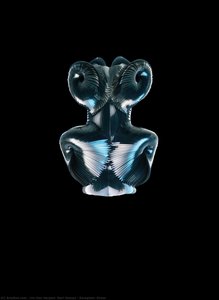
Mummification, Dress


Iris van Herpen's 'Mummification, Dress' is a stunning sculptural fashion piece blending technology and nature. Explore intricate layers, crystalline forms, and a hauntingly beautiful exploration of transformation.
 Lue lisää
Iris van Herpen: hollantilainen haute couture -suunnittelija, joka yhdistää muodin teknologiaan ja tiedeeseen. Tutustu veistoksellisiin 3D-tulostettuihin mekkoihin, yhteistyöhön Neri Oxmanin kanssa sekä avantgarde-malleihin.
Tällä sivulla esitettyä taideteosta suojaa tekijänoikeuslaki, mikä tarkoittaa, ettemme voi laillisesti luoda tai myydä täsmälleen samanlaista jäljennöstä. Tämä suoja toteutetaan kansainvälisten sopimusten, kuten esimerkiksi Berne-konventio ja kansallisilla laeilla, mukaan lukien niillä määritellyt Yhdysvaltain tekijänoikeuslaki – Luku 17. Kaikki oikeudet pidätetään. Luvaton kopiointi tai jäljittely on kielletty.
Tämä menetelmä noudattaa täysin tekijänoikeussäännöksiä, sillä se ei sisällä suojatun taideteoksen kopioimista tai jäljentämistä. Sen sijaan kyseessä on luova uudelleentulkinta – uusi maalaus, joka ammentaa vaikutteita alkuperäisestä, mutta ei ole sen identtinen kopio.
Giclée- ja taideprintit
Museolaatuisia giclée- tai kankaitaulun tulosteita nopealla tuotannolla ja joustavilla viimeistelyvaihtoehdoilla. ( Osta käsinmaalattu taideteos Siirry digitaaliseen kuvaan)




































Vakiokoko
räätälöity
CM
INCH
Valitse valmiista mitoistamme sellaiset, jotka vastaavat teoksen alkuperäisiä mittasuhteita.
Loading sizes...

leveys
korkeus
Syötä tarvitsemasi leveys ja korkeus, jotta tuloste sopii kehyksiisi tai seinällesi. Tulostetta voidaan vain leikata, sitä ei voida koskaan suurentaa alkuperäistä kuvaa suuremmaksi, joten eri muotoinen koko aiheuttaa osan kuvasta katoamisen. Lähetämme sinulle digitaalisen mallikuvan hyväksyttäväksi ennen kuin aloitamme tulostuksen. Tällä sivulla näkyvä kuva ei näytä lopullista rajausta — vain mallikuva näyttää sen.
Maailmanlaajuinen toimitus () 2 viikossa tavallisen 4–5 viikon sijaan. (28 lokakuu)

Ilmainen pikatoimitus ympäri maailman

Korkealaatuinen pellavakangas

Kattava kuljetusvakuutus

Tulliveron palautustakuu

Takuu täydellisestä värien vastaavuudesta

100 päivän palautusoikeus (vain valmistusvirheet)

100% rahat takaisin -takuu

Määräalennus tarjolla
 Lasivaihtoehto on saatavilla vain alle 110 cm kokoisille teoksille

Mummification, Dress
Giclée- ja taideprintit
Replikaatin koko
-


Kokonaishinta
€ 61
The Sculptural Echo of Time: Iris van Herpen’s “Mummification, Dress”
Iris van Herpen's "Mummification, Dress" isn’t merely a garment; it’s a meticulously crafted meditation on the cyclical nature of existence, a visual poem exploring themes of preservation, decay, and rebirth. Created in 2009 in collaboration with Neri Oxman, this piece transcends the boundaries of fashion, firmly establishing itself within the realm of sculptural art. The photograph captures a moment frozen in time – a dress seemingly emerging from an ancient tomb, its intricate layers hinting at rituals long past. The stark black background amplifies the work’s dramatic intensity, forcing the viewer to confront the sheer complexity and otherworldly beauty of the design.
Van Herpen's genius lies not just in her aesthetic vision but in her masterful integration of technology and traditional craftsmanship. The dress itself is a testament to this fusion – constructed from layers of shimmering fabrics, meticulously arranged beads, and perhaps even delicate metallic elements, all brought together through advanced fabrication techniques. Oxman’s influence is particularly evident in the piece's structural design; drawing inspiration from biological forms and processes, it evokes the intricate patterns found within fossilized remains or the protective shells of ancient creatures. The deliberate fragmentation of form mirrors the process of mummification itself – a careful layering and preservation intended to transcend mortality.
Deconstructing Form: Lines, Shapes, and Texture
A close examination reveals a masterful manipulation of visual elements. Sharp, angular lines define the dress’s structural core, creating a sense of crystalline geometry that contrasts sharply with the flowing curves of the skirt. This juxtaposition speaks to the inherent tension between rigidity and fluidity – mirroring the delicate balance between preservation and decay. The shapes themselves are a captivating blend of organic and geometric forms; the layered elements suggest scales or overlapping petals, while the overall structure maintains a distinctly architectural quality. The surface is anything but smooth; it’s a rich tapestry of textures—a deliberate layering that invites tactile exploration even within the still image. This complexity isn't accidental; it reflects the intricate processes involved in both mummification and the creation of this extraordinary garment.
Illumination and Perspective: A Dramatic Stage
The lighting is crucial to the work’s impact, acting as a sculptor’s tool to highlight form and create atmosphere. The directional light source, positioned slightly above and in front of the dress, casts dramatic shadows that accentuate its three-dimensional structure. These shadows aren't merely absences of light; they actively shape our perception, emphasizing the intricate details and creating a sense of depth and mystery. The relatively straightforward perspective – a frontal view – allows the viewer to fully immerse themselves in the dress’s complexity, appreciating the sheer scale and detail of its construction. The photograph feels less like a simple portrait and more like a carefully staged tableau, inviting us to contemplate the story it silently tells.
Echoes of Antiquity: Symbolism and Legacy
The title, “Mummification, Dress,” immediately establishes a powerful symbolic connection to ancient Egyptian practices. It’s not simply about preserving clothing; it's about safeguarding memory, identity, and the essence of a life lived. The dress becomes a vessel for these intangible qualities, suggesting that beauty and artistry can transcend time itself. Furthermore, the work subtly references the concept of metamorphosis – the transformation from one state to another. This echoes the core principles of mummification, where the deceased were prepared for an afterlife journey, undergoing a profound physical and spiritual change. “Mummification, Dress” is therefore not just a beautiful object; it’s a poignant reminder of our own mortality and the enduring power of art to capture and preserve moments in time.
Kysymykset ja vastaukset
Onko "Mummification, Dress" säilytetty taiteilijansa kotimaassa?
Ei - teos sijaitsee ulkomailla. Teos "Mummification, Dress" kuuluu Yhdysvallat kokoelmiin, kun taas Iris Van Herpen, Neri Oxman on syntynyt Alankomaat.
Onko teoksesta "Mummification, Dress" saatavilla latausversiota?
Teoksen Iris Van Herpen, Neri Oxman:n "Mummification, Dress" digitaalisen kuvan voi ladata muodossa korkearesoluutioinen digitaalinen kuvalataus teoksen Lataa digitaalinen kuva -sivulta.
Onko Iris Van Herpen, Neri Oxman:n "Mummification, Dress" vaalea vai tumma teos?
Teoksen Iris Van Herpen, Neri Oxman:n "Mummification, Dress" kirkkaus on deep_shadow ja luminanssi Dark.
Taiteilijan elämäkerta
Kuvun ja koodin kohtaaminen: Iris van Herpenin maailma
Vuonna 1984 rauhallisessa hollantilaisessa Wegmondin kylässä syntyneen Iris van Herpenin taiteellinen polku oli mitä epätavallisin. Aluksi klassisen baletin kurinalaisuuteen vetoutunut artisti huomasi pian, että muoti tarjosi laajemman kankaan hänen kasvavalle luovuudelleen – valtakunnan, jossa liike, muoto ja tekstuuri voivat sulautua joksikin täysin uudeksi. Tanssin tarkkuus ja fyysisyys muovasivat syvästi hänen estetiikkaansa ja antoivat hänelle ymmärryksen siitä, kuinka vaatteet vuorovaikuttavat kehon kanssa ja vaikuttavat sen ilmaisun kykyyn. Opiskeltuaan Arnhemissa Artez Institute of the Arts -taideakatemiassa ja valmistuttuaan vuonna 2006, van Herpen ei ainoastaan astunut muodin maailmaan, vaan hän pyrki määrittelemään sen uudelleen. Perustaessaan oman nimeään kantavan muotitalonsa vuonna 2007, hän erottui nopeasti, ei seuraamalla vakiintuneita trendejä, vaan omaksumalla radikaalisti innovaatiot ja kokeilun.Valon ja teknologian veistäminen
Van Herpenin työt ylittävät haute couturen perinteiset rajat hämärtäen rajoja muodin, taiteen ja tieteen välillä. Hänet tunnetaan edelläkävijänä teknologian käytössä – erityisesti 3D-tulostuksen, laserleikkauksen ja epätavallisten materiaalien avulla – luoden asuja, joita ei niinkään ”pidetä” päällä, vaan jotka on pikemminkin asutettu. Nämä eivät ole pelkkiä vaatteita; ne ovat puettavia veistoksia, monimutkaisia rakenteita, jotka tuntuvat uhmaavan painovoimaa ja haastavan käsityksemme muodosta. Hänen suunnitelmansa herättävät usein eloon luonnon maailman ammentamalla inspiraatiota biomimetiikasta, anatomiasta ja monimutkaisista tieteellisistä ilmiöistä. Merielämän herkät rakenteet, ihmisen hermoston monimutkaisuus ja geologisissa muodostelmissa esiintyvät kuviot toimivat hänen henkeäsalpaavien luomustensa raaka-aineina. Hänen tavaramerkkinsä on kyky hallita valoa ja varjoa käyttämällä läpinäkyviä ja heijastavia materiaaleja, mikä luo eteerisen laadun ja antaa teoksille yliluonnollisen kauneuden tuntua. Vaatteet tuntuvat hengittävän ja kehittyvän kantajansa mukana, muuttuen osaksi tämän omaa fyysisyyttä.Yhteistyö katalyyttinä: Neri Oxman ja muut
Keskeistä van Herpenin taiteelliselle kehitykselle on ollut yhteistyön henki. Ehkä merkittävin hänen kumppanuudestaan on MIT Media Labin professori Neri Oxmanin kanssa, joka on visionääri materiaaliekologian alalla. Yhdessä he ovat tuottaneet mullistavia teoksia, kuten ”Biopiracy” ja ”Voltage”, tutkien biologisten rakenteiden ja digitaalisten valmistustekniikoiden risteyskohtaa. Nämä yhteistyöt eivät ole pelkästään teknologian soveltamista muotiin; ne ovat muodin käyttämistä tieteellisen tutkimuksen ja taiteellisen ilmaisun alustana. Oxmanin lisäksi van Herpen on hakenut inspiraatiota arkkitehtuurista tunnustaen sen kyvyn luoda dynaamisia tiloja ja muotoja. Hän on osallistunut projekteihin arkkitehtien kanssa laajentaen entisestä luovaa sanastoaan. Myös avantgarde-suunnittelijoiden, kuten Alexander McQueenin ja Hussein Chalayanin, vaikutus näkyy hänen käsitteellisessä lähestymistavassaan ja halussaan rikkoa rajoja. Nämä vaikutteet eivät ole jäljitelmiä, vaan ponnahduslautoja hänen omalle ainutlaatuiselle visiolleen – taiteen, teknologian ja luonnon syvän kunnioituksen synteesille.Tunnustus ja pysyvä perintö
Iris van Herpenin työn vaikutus on saanut laajaa tunnustusta muotialalla ja sen ulkopuolella. Vuonna 2011 hänet kutsuttiin jäseneksi arvostettuun pariisilaiseen Chambre Syndicale de la Haute Couture -järjestöön, mikä on todiste hänen poikkeuksellisesta lahjakkuudestaan ja innovatiivisesta lähestymistavastaan. Hänen luomuksensa ovat koristaneet Pariisin muotiviikkojen catwalkeja ja olleet esillä maailman kuuluisimmissa museoissa, kuten Metropolitan Museum of Artissa (New York), Victoria & Albert Museumissa (Lontoo) ja Palais de Tokiossa (Pariisi). Lukuisat palkinnot ja kunnianosoitukset vahvistavat entisestään hänen panostaan muotiin ja muotoiluun. Mutta ehkä van Herpenin pysyvin perintö on hänen roolinsa edelläkävijänä – vallankumouksellisena hahmona, joka on haastanut perinteiset käsitykset vaatteiden rakenteesta, integroinut kehittyneitä teknologioita muotiteollisuuteen ja kurottanut umpeen kuilun taiteen, tieteen ja teknologian välillä. Hän inspiroi uutta suunnittelijoiden sukupolvea tutkimaan epätavallisia materiaaleja, tekniikoita ja konsepteja, todistaen, että muoti voi olla paljon muutakin kuin vain vaatteita; se voi olla voimakas taiteellisen ilmaisun muoto ja innovaation katalyytti. Hänen työnsä ei kerro ainoastaan siitä, mitä me kannamme, vaan siitä, miten olemme vuorovaikutuksessa ympäröivän maailman kanssa – ja miten kuvittelemme itse muotoilun tulevaisuuden.
Iris Van Herpen, Neri Oxman
1984 - , Alankomaat
Pähkinänkuoressa
- Artistic Movement Or Style: Haute Couture, Techwear
- Artists Or Movements Influenced By This Artist: Tulevaisuuden muotisuunnittelijat
- Artists Who Influenced This Artist:
- Alexander McQueen
- Hussein Chalayan
- Date Of Birth: 1984
- Full Name: Iris van Herpen
- Nationality: Alankomaalainen
- Notable Artworks:
- Synesthesia Dress
- Refinery Smoke
- Micro Dress
- Place Of Birth: Wegmond, Alankomaat
Aiheeseen liittyvät artikkelit

10 legendaarista pronssiveistosta, jotka mullistivat taiteen – TopImpressionists.com
Tutustu 10 legendaariseen pronssiveistokseen, jotka ovat muokanneet taiteen historiaa! Michelangelo, Rodin ja muut mestarit. Löydä inspiraatiota sisustukseesi ja tutki upeita taideteoksia TopImpressionists.com-sivustolta.

10 legendaarista pronssiveistosta, jotka mullistivat taiteen – TopImpressionists.com
Tutustu 10 legendaariseen pronssiveistokseen, jotka ovat muuttaneet taiteen historiaa! Rodinista Michelangeloon – opi mestareiden tarinat ja löydä täydellinen taideteos kotiisi TopImpressionists.com:ssa. Laadukkaat jäljennökset & sisustusideat.

The Enduring Form: Exploring Themes & Techniques in Sculpture Across Historical Periods
Explore the rich history of sculpture from ancient masterpieces to contemporary innovations. Discover key techniques, influential artists & investment potential for discerning art collectors.

Rembrandtin mestariteokset: 25 taideteosta valokuvapainatuksina kotiisi | TopImpressionists
Tutustu Rembrandtin 25 mestariteokseen – valokuvapainatuksina kotiisi! Uppoudu hollantilaisen kultakauden taiteeseen, varjoihin ja valoon. Löydä ikonisia muotokuvia ja historiallisia maalauksia TopImpressionists.comista. Tutustu kokoelma!

The Enduring Form: Sculpture Across History, Technique & Emotional Resonance
Explore the rich history of sculpture with TopImpressionists. Discover key techniques, influential artists & investment potential for discerning collectors. Expert insights into valuing and collecting timeless masterpieces.
Tutustu teoksiin, jotka on järjestetty aiheiden, tyylien ja ominaisuuksien mukaan.