


 Katso seinällä
 Lähetä
 Jaa
Jaa
 Tarkemmat tiedot
 Opas
Opas

 Lataa kuva
 Samanlaisia kohteita
 Röntgenkuvaus
 Diaesitys
 Tilastot
La lisiere du bois a Ostende

Discover James Ensor’s ‘La lisiere du bois a Ostende,’ an evocative Expressionist landscape painting. Explore its serene beauty, bold brushstrokes & influence on modern art.
 Lue lisää
James Ensor (1860-1949) oli belgialainen taiteilija, joka loi synkkiä ja mystisiä maalauksia naamioista, karnevaaleista ja kuolemasta. Hänen teoksensa ovat ekspressionismin varhaisia esimerkkejä.
Giclée- ja taideprintit
Museolaatuisia giclée- tai kankaitaulun tulosteita nopealla tuotannolla ja joustavilla viimeistelyvaihtoehdoilla. ( Tilaa käsinmaalattu jäljennös Siirry digitaaliseen kuvaan)




P118B €10

P118H €10

P118W €10

P438Z €10

P508JH €12

P508YH €12

P805H €10

P805Z €10

P919BZ €10

P919G €10

P919XJ €10

P959ZH €10

P968JZ €12

W106C €8

W218G €10

W218JH €8

W218Y €10

W307PJ €10

W316G €10

W316PJ €8

W316Y €10

W398PJ €8

W4111J €10

W500HY €15

W500JH €15

W692G €12

W849H €8

W940BG €15

W953PJ €8




Vakiokoko
mittatilaustyö
CM
INCH
Valitse valmiista mitoistamme sellaiset, jotka vastaavat teoksen alkuperäisiä mittasuhteita.
Loading sizes...

leveys
korkeus
Kirjoita tarvitsemasi leveys ja korkeus, jotta tuloste sopii kehyskokoon tai seinällesi. Tulostetta voidaan vain leikata, sitä ei voi koskaan tehdä suuremmaksi kuin alkuperäinen kuva, joten eri muotoinen koko aiheuttaa osan kuvasta katoamisen. Lähetämme sinulle digitaalisen mallikuvan hyväksyttäväksi ennen kuin aloitamme tulostuksen. Tällä sivulla näkyvä kuva ei näytä lopullista leikkausta — vain mallikuva näyttää sen.
Maailmanlaajuinen toimitus () 2 viikossa tavallisen 4–5 viikon sijaan. (22 lokakuu)

Ilmainen pikatoimitus ympäri maailman

Korkealaatuinen pellavakangas

Kattava kuljetusvakuutus

Tulliveron palautustakuu

Takuu täydellisestä värien vastaavuudesta

100 päivän palautusoikeus valmistusvirhetapauksissa

100% rahat takaisin -takuu

Määräalennus saatavilla
 Lasivaihtoehto on saatavilla vain alle 110 cm kokoisille teoksille

La lisiere du bois a Ostende
Giclée- ja taideprintit
Replikaatin koko
-


Kokonaishinta
€ 61
A Glimpse into Ensor’s Soul: *La lisiere du bois a Ostende*
James Ensor's *La lisiere du bois a Ostende* (The Edge of the Woods at Ostend) is more than just a landscape; it’s an intimate exploration of atmosphere and emotion, rendered with the burgeoning stylistic hallmarks that would define his pivotal role in modern art. Painted during a period of significant artistic transition in the late 19th century, this oil on canvas offers a serene yet subtly unsettling vision of the Belgian countryside near Ensor's birthplace. The painting depicts a tranquil scene – a field giving way to a line of trees, likely at either dawn or dusk – but beneath the surface tranquility lies a complex interplay of light, color, and brushwork that speaks volumes about the artist’s inner world.Style & Technique: Forerunners of Expressionism
The work is characterized by loose, expressive brushstrokes, a technique central to Ensor's developing style and a clear precursor to Expressionism. Unlike the meticulous detail favored by earlier academic painters, Ensor prioritizes capturing the *feeling* of the scene – the dampness of the air, the warmth of the light filtering through the trees, the stillness of the moment. The oil paint is applied with visible texture, creating a palpable sense of depth and atmosphere. This isn’t about photographic realism; it's about conveying an emotional response to nature. The painting shares stylistic affinities with Impressionism in its focus on light and fleeting moments, but diverges through a more subjective and emotionally charged application of color and form – foreshadowing the intensity that would come to define his later, more overtly symbolic works like *Death and the Masks* and *The Despair of Pierrot*.Historical Context & Ensor’s Artistic Journey
Born in Ostend, Belgium in 1860, James Ensor experienced a unique upbringing that profoundly influenced his artistic vision. His father was an English merchant naval officer, and his mother Belgian, creating a cultural blend reflected in his work. He initially rebelled against the rigid academic training of the Brussels Academy, seeking instead to forge his own path. *La lisiere du bois a Ostende* represents a transitional phase in Ensor’s career – a period where he was experimenting with different techniques and subjects before fully embracing the grotesque and satirical imagery that would later become his signature. This painting demonstrates his growing mastery of landscape painting while simultaneously hinting at the psychological depth that would characterize his mature style.Symbolism & Emotional Resonance
While seemingly straightforward, *La lisiere du bois a Ostende* invites deeper contemplation. The edge of the woods – the “lisiere” – often symbolizes a threshold, a boundary between the known and the unknown. The soft light and muted colors evoke a sense of melancholy and introspection. It’s a scene that encourages quiet reflection, prompting viewers to consider their own relationship with nature and the passage of time. The painting isn't overtly dramatic, but its subtle emotional power lies in its ability to tap into universal feelings of solitude, peace, and perhaps even a touch of wistful longing. It’s a landscape not just seen, but felt.Legacy & Collecting
James Ensor's influence on the development of both Expressionism and Surrealism is undeniable. His willingness to challenge artistic conventions and explore the darker aspects of human experience paved the way for generations of artists who followed. His works are held in prestigious collections worldwide, including the Museum am Ostwall in Dortmund, Germany and the Mu.ZEE museum in his hometown of Ostend. *La lisiere du bois a Ostende*, while perhaps less famous than some of his more overtly symbolic pieces, offers a compelling entry point into Ensor’s artistic world – a testament to his skill as a painter and his ability to capture the beauty and complexity of the natural world.- Perfect for collectors seeking an early example of Ensor's evolving style.
- An ideal addition to interiors seeking a calming yet sophisticated atmosphere.
- A thoughtful gift for art enthusiasts interested in the origins of modern art movements.
Kysymykset ja vastaukset
Miten teoksen James Ensor:n "La lisiere du bois a Ostende" värit liittyvät sen välittämään tunteeseen?
Teoksessa "La lisiere du bois a Ostende" Dark väriä yhdistettynä Reflective tunnelmaan.
Kuinka voimakkaita ovat teoksen "La lisiere du bois a Ostende" värit?
Teoksen James Ensor:n "La lisiere du bois a Ostende" värit ilmentävät Clear Color Presence kylläisyyttä ja Vivid voimakkuutta.
Mitä väripalettia teoksessa James Ensor:n "La lisiere du bois a Ostende" käytetään?
Teoksen "La lisiere du bois a Ostende" värit muodostavat Dark-väripaletin. Tämä luokitus kuvaa hallitsevia väriperheitä.
Samankaltaisia teoksia


Taiteilijan elämäkerta
A Life Immersed in Masks and Shadows: The World of James Ensor
James Ensor, syntynyt 13. huhtikuuta 1860 Ostendissa, oli belgialainen taidemaalari ja taidegraafikko, jolla oli merkittävä vaikutus ekspressionismiin ja surrealismiin. Hänen elämänsä ja työnsä ovat täynnä mysteeriä, groteskeja kuvia ja syvällisiä pohdintoja ihmisluonnosta. Ensorin taide syntyi hänen lapsuutensa ympäristöstä, ostendilaisesta merenrantakaupungista, jossa hän kasvoi yhdistelmässä englantilaista ja flaamilaisia vaikutteita. Hänen vanhempansa pyörittivät souvenir-liikettä, joka oli täynnä karnevaalimalleja, simpukankuoria ja muita outoja esineitä – todellinen ihmeiden arkisto, joka sytytti hänen mielikuvituksensa ja loi pohjan tulevalle taiteelleen.- Varhainen vaihe: Realismi ja karnevaali Ensorin varhaiset maalaukset heijastavat realistista lähestymistapaa, mutta jo näissäkin teoksissa on viitteitä myöhemmästä, epämiellyttävästä kuvastosta. *Venäläistä musiikkia* (1881) ja *Juopottelijat* (1883) ovat esimerkkejä hänen varhaisesta tyylistään, mutta jo niissäkin näkyy synkkiä sävyjä ja outoja hahmoja.
- Maskien ja groteskien maailman synty Merkittävä muutos tapahtui, kun Ensorin värikylläisyys kasvoi ja hänen aiheensa muuttuivat yhä oudommiksi. Hän alkoi maalata karnevaaleja, aaveita, nukkeja ja allegorisia hahmoja – maailmaa, joka oli täynnä fantasiaa ja usein lähellä groteskia. Tämä ei ollut pelkkää tyylimuutosta; se oli tarkoituksellinen pyrkimys tutkia ihmisen olemassaolon synkkiä puolia, hylätä yhteiskunnallisia normeja ja omaksua irrationaalisuus.
From Somber Realism to Grotesque Visions
Ensorin taiteen kehityksessä oli useita tärkeitä vaiheita. Aluksi hän maalasi realistisia kohtauksia, mutta myöhemmin hänen teoksissaan alkoi korostua epämiellyttävää ja synkkää tunnelmaa. Hän vaikutti suuresti hänen lapsuutensa ympäristöstään: karnevaalimalleista ei ollut pelkästään koristeellisia elementtejä, vaan symboleja piilotetuille identiteeteille, sosiaaliselle kritiikille ja ulkonäön hauraudelle. Hänen maalauksissaan näkyy usein myös kuolemaa, sosiaalista kritiikkiä ja uskonnollista satiiria.- Maskien symboliikka Ensor käytti maskeja usein teoksissaan, ja niitä pidettiin välineenä paljastaa piilotettuja tunteita ja motiiveja.
- Kriittinen vastaanotto alussa Ensorin maalauksia, erityisesti *Kristus saapuu Brysseliin* (1888-1889), kritisoitiin aluksi voimakkaasti, mutta myöhemmin ne arvostettiin ja tunnustettiin mestariteoksiksi.
Masterpieces of Disquiet: Key Works and Recurring Themes
Ensorin tuotannossa on useita teoksia, jotka jatkavat hänen tutkimuksiaan ihmisen olemuksesta ja yhteiskunnasta. *Skeletons Fighting over a Hanged Man* (1891) on synkkä pohdinta kuolemasta ja elämän absurdiudesta, kun taas *Tribulations of Saint Anthony* (1887) tutkii uskonnollista kamppailua ja syntiä. Hänen teoksissaan toistuvat teemat kuten kuolema, sosiaalinen kritiikki, uskonnollinen satiiri ja mielikuvituksen rajaton voima.- Esimerkkejä merkittävistä teoksista: *The Scandalized Masks*, *Christ's Entry into Brussels*, *Skeletons Fighting over a Hanged Man*, *Tribulations of Saint Anthony*.
A Pioneer of Modernism: Influences and Legacy
James Ensor ei ollut pelkästään jäljittelijä, vaan hän yhdisti eri vaikutteita luoden oman, ainutlaatuisen tyylinsä. Hän tunnusti vaikutteensa mestareista kuten Pieter Bruegel the Elderistä ja Francisco Goyasta, joiden teoksissa oli samankaltaisia piirteitä. Hänen taiteeseensa vaikuttivat myös Whistlerin estetiikan periaatteet. Ensor on laajalti tunnistettu modernismin varhaiseksi edustajaksi, joka haastoi taiteelliset normit ja loi pohjaa tuleville taiteilijoille. Hänen rohkea pyrkimyksensä tutkia alitajuntaa, groteskien kuvien käyttö ja akateemisten konventioiden hylkääminen ovat jättäneet pysyvän jäljen taiteen historiaan.Historical Significance
James Ensoria pidetään yhtenä 1800-luvun merkittävimmistä taidemaalareista, ja hänen teoksiaan on esillä useissa museoissa ympäri maailmaa. Hänen vaikutuksensa voidaan nähdä monissa myöhemmissä taiteilijoissa, kuten Kleellä ja Emil Noldella. Ensorin elämä ja työ ovat inspiroineet lukemattomia taiteilijoita ja tutkijoita, ja hänen teoksiaan jatkaa herättämään keskustelua ja ihmetystä. Hänen perintönsä on todiste taiteen voimasta kohdata epämiellyttäviä totuuksia ja tutkia ihmisen olemassaolon syvyyksiä.
James Ensor
1860 - 1949 , Belgia
Tietoa taiteilijasta
- Artistic Movement Or Style: Ilmaisut ja surrealismi
- Artists Or Movements Influenced By This Artist:
- Ilmaisut
- Surrealismi
- Artists Who Influenced This Artist:
- Bruegel van der Velde
- Goya
- Whistler
- Date Of Birth: 13. huhtikuuta 1860
- Full Name: James Sidney Edouard Ensor
- Nationality: Belgialainen
- Notable Artworks:
- Järkyttävät naamio
- Kruunut
- Kristus Brysselissä
- Place Of Birth: Ostend, Belgia
Aiheeseen liittyvät artikkelit
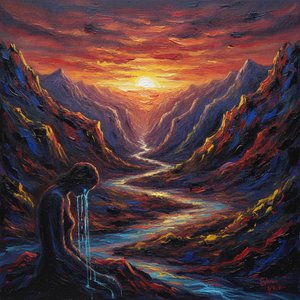
Capturing Emotion: A Journey Through the Soul of Expressionist Landscapes
Explore the profound emotional depth of Expressionist landscapes. Discover how Post-Impressionist masters moved beyond light to capture the soul through vibrant color and form. A curated journey for true art lovers seeking the beauty of expressive mastery.
Tutustu teoksiin, jotka on järjestetty aiheiden, tyylien ja ominaisuuksien mukaan.


