


 Esikatselu
 Jaa teos
 Jaa
Jaa
 Tiedot
 Opas
Opas

 Lataa kuva
 Samanlaisia kohteita
 Röntgenkuvaus
 Diaesitys
 Q&A
Q&A Tilastot
Cat and Lobster
 Indian Modernism
 1900
1900- Modern
 397.0 x 275.0 cm
 National Gallery of Modern Art
A bold and charming white cat holds a lobster in its jaws in this vibrant folk-inspired masterpiece by Jamini Nath Roy from 1900, inviting you to explore the essence of Indian modern art for your collection.
 Lue lisää
Tutustu Jamini Royhin (1887-1972), intialaisen modernismin keskeiseen maalariin. Tutki hänen rohkeaa, kansantaiteesta ammentavaa tyyliään, värikkyyttään sekä teemojaan: maaseutu, mytologia ja muotokuvat.
Tällä sivulla esitettyä taideteosta suojaa tekijänoikeuslaki, mikä tarkoittaa, ettemme voi laillisesti luoda tai myydä täsmälleen samanlaista jäljennöstä. Tämä suoja toteutetaan kansainvälisten sopimusten, kuten esimerkiksi Berne-konventio ja kansallisilla laeilla, mukaan lukien niillä määritellyt Yhdysvaltain tekijänoikeuslaki – Luku 17. Kaikki oikeudet pidätetään. Luvaton kopiointi tai jäljittely on kielletty.
Tämä menetelmä noudattaa täysin tekijänoikeussäännöksiä, sillä se ei sisällä suojatun taideteoksen kopioimista tai jäljentämistä. Sen sijaan kyseessä on luova uudelleentulkinta – uusi maalaus, joka ammentaa vaikutteita alkuperäisestä, mutta ei ole sen identtinen kopio.
Giclée- ja taideprintit
Museolaatuisia giclée- tai kankaitaulun tulosteita nopealla tuotannolla ja joustavilla viimeistelyvaihtoehdoilla. ( Osta käsinmaalattu taideteos Siirry digitaaliseen kuvaan)




P118B €10

P118H €10

P118W €10

P438Z €10

P508JH €12

P508YH €12

P805H €10

P805Z €10

P919BZ €10

P919G €10

P919XJ €10

P959ZH €10

P968JZ €12

W106C €8

W218G €10

W218JH €8

W218Y €10

W307PJ €10

W316G €10

W316PJ €8

W316Y €10

W398PJ €8

W4111J €10

W500HY €15

W500JH €15

W692G €12

W849H €8

W940BG €15

W953PJ €8




Vakiokoko
räätälöity
CM
INCH
Valitse valmiista mitoistamme sellaiset, jotka vastaavat teoksen alkuperäisiä mittasuhteita.
Loading sizes...

leveys
korkeus
Syötä tarvitsemasi leveys ja korkeus, jotta tuloste sopii kehyksiisi tai seinällesi. Tulostetta voidaan vain leikata, sitä ei voida koskaan suurentaa alkuperäistä kuvaa suuremmaksi, joten eri muotoinen koko aiheuttaa osan kuvasta katoamisen. Lähetämme sinulle digitaalisen mallikuvan hyväksyttäväksi ennen kuin aloitamme tulostuksen. Tällä sivulla näkyvä kuva ei näytä lopullista rajausta — vain mallikuva näyttää sen.
Maailmanlaajuinen toimitus () 2 viikossa tavallisen 4–5 viikon sijaan. (29 lokakuu)

Ilmainen pikatoimitus ympäri maailman

Korkealaatuinen pellavakangas

Kattava kuljetusvakuutus

Tulliveron palautustakuu

Takuu täydellisestä värien vastaavuudesta

100 päivän palautusoikeus (vain valmistusvirheet)

100% rahat takaisin -takuu

Määräalennus tarjolla
 Lasivaihtoehto on saatavilla vain alle 110 cm kokoisille teoksille

Cat and Lobster
Giclée- ja taideprintit
Replikaatin koko
-


Kokonaishinta
€ 61
A Vision of Folk Modernism
In the captivating realm of Indian modernism, few works resonate with as much playful charm and cultural defiance as Jamini Nath Roy’s Cat and Lobster. This masterpiece serves as a profound testament to an artist who dared to turn his back on the polished traditions of European Academic Realism to embrace the raw, rhythmic soul of Bengal. The painting presents a striking, stylized feline, rendered with bold, and sweeping lines that eschew naturalistic detail in favor of a universal essence. As the cat holds its prize—a vibrant lobster—within its jaws, the viewer is transported into a world where simplicity is not merely a technique, but a powerful statement of identity. The composition, characterized by its flat planes and energetic contours, captures a moment of pure, unadulterated glee, making it an irresistible centerpiece for any collection that values character and narrative depth.
The stylistic lineage of this work is deeply rooted in the Kalighat patua tradition, a folk art form that inspired Roy to strip away the unnecessary and focus on the fundamental geometry of life. By drawing inspiration from the terracotta reliefs of ancient Bengal temples and the rhythmic patterns of village scrolls, Roy achieved a visual language that feels both ancient and strikingly contemporary. The technique, executed in tempera on canvas, allows for a saturated, matte finish that emphasizes the bold color palette. The stark contrast between the white form of the cat and its deep blue background creates a luminous effect, ensuring that the subject commands attention from across a room. For the discerning interior designer, this piece offers a sophisticated way to introduce a sense of movement and cultural heritage into a modern space.
The Spirit of Rebellion and Identity
Beyond its aesthetic brilliance, Cat and Lobster carries a weight of historical significance that elevates it from a charming animal study to a symbol of decolonization. Created during an era when Indian artists were navigating the complexities of colonial influence, Roy’s evolution represents one of the most profound transformations in twentieth-century art. Initially trained in the sophisticated traditions of the Bengal School under Abanindranath Tagore, Roy eventually underwent a radical aesthetic rebellion. He turned his gaze away from Western conventions, finding a deeper truth in the local craftsmanship of his homeland. This departure was not merely a stylistic choice but a spiritual homecoming, as he sought to reclaim the artistic identity of his nation through the celebration of the common man and the village life that forms the heartbeat of Indian culture.
To gaze upon this masterpiece is to witness a masterful command over simplicity and rhythm. The cat is devoid of all traces of naturalism; instead, it is painted in a bold, charming way, portraying an energetic creature that holds its lobster with great glee. This deliberate rejection of three-dimensional shading in favor of flat, impactful shapes allows the emotional resonance of the piece to shine through. For collectors and enthusiasts, owning a reproduction of such a work means bringing into one's home a fragment of a larger movement—a movement that sought to find beauty in the essential and strength in the ancestral.
Kysymykset ja vastaukset
Mistä voin ladata teoksen Jamini Nath Roy:n "Cat and Lobster"?
Teos "Cat and Lobster" on ladattavissa: teoksen Lataa digitaalinen kuva -sivulta löytyy korkearesoluutioinen digitaalinen kuvalataus.
Milloin ja mihin tyylisuuntaan "Cat and Lobster" on tehty?
Jamini Nath Roy:n "Cat and Lobster" on peräisin vuodelta 1900 ja edustaa tyylisuuntaa Indian Modernism.
Mihin vaiheeseen Jamini Nath Royin kehityksestä "Cat and Lobster" edustaa?
Jamini Nath Roy'n uralla teos "Cat and Lobster" sijoittuu aikakaudelle Mature Period. Tämä vaihe auttaa vertaamaan sitä taiteilijan muihin teoksiin.
Taiteilijan elämäkerta
Jamini Roy oli mainio intialainen taidemaalari, joka syntyi 11. huhtikuuta 1887 Belaitoreen, Länsi-Bengaliin. Häntä pidetään yhtenä intialaisen modernin taiteen merkittävimmistä hahmoista. Royn taiteellinen tyyli tunnettiin yksinkertaisuudestaan, eleganssistaan ja syvästä yhteydestään intialaiseen kansantaiteeseen.
Nuoruus ja koulutus
Roy syntyi kohtalaisen varakkaaseen maanomistajaperheeseen. Hänet kasvatettiin tavallisessa keskiluokkaisessa, taiteesta nauttivassa kodissa, mikä vaikutti merkittävästi hänen tuleviin valintoihinsa. 16 vuoden iässä hän muutti Kolkataan opiskelemaan Government College of Art -taidekorkeakoulussa, jossa hänen opettajanaan toimi Abanindranath Tagore, tunnettu intialainen taiteilija ja kasvattaja.Taiteellinen tyyli ja vaikutteet
Royn taiteelliseen tyyliin vaikuttivat erityisesti Kalighat-maalaukset, joka on intialaisen kansantaiteen muoto. Vaikka eurooppalainen modernismi inspiroi häntä myös, hän hylkäsi lopulta länsimaiset perinteet keskittyäkseen omaan kulttuuriperintöönsä. Royn maalauksille on ominaista selkeys, kaksiulotteisuus ja rohkeiden värien käyttö. Joidenkin hänen merkittävimpien teostensa joukkoon kuuluvat:- Portrait of a Young Girl, joka osoittaa hänen kykynsä vangita intialaisen kansantaiteen olemus.
- Buste de Francoise, maalaus, joka demonstroi hänen taitoaan muotokuvauksessa.
- Painter and His Model, teos, joka korostaa hänen kiinnostustaan tutkia taiteilijan ja kohteen välistä suhdetta.
Palkinnot ja tunnustukset
Roy sai vuonna 1954 Padma Bhushan -mitalin, joka on yksi Intian korkeimmista siviiliansioista. Hän oli myös Lalit Kala Akademin jäsen, joka on arvostettu intialainen taideinstituutio.Perintö ja vaikutus
Royn panos intialaiselle modernille taiteelle on mittaamaton. Hänen omistautumisensa intialaisten kansantaidetraditioiden säilyttämiselle on inspiroinut sukupolvia taiteilijoita. Nykyään hänen maalauksiaan löytyy museoista ja yksityiskeräiltä ympäri maailmaa, mukaan lukien Korean kansallismuseosta ja Government College of Artista. Lisätietoja Jamini Royn elämästä ja työstä löydät osoitteesta TopImpressionists.com tai Wikipedia. Hänen maalauksensa jatkavat inspiroimista niin taiteen ystäviä kuin tutkijoitakin, tarjoten ainutlaatuisen ikkunan intialaisen modernin taiteen maailmaan.
Jamini Nath Roy
1887 - 1972 , Intia
Pähkinänkuoressa
- Artistic Movement Or Style: Bengali Folk Art
- Artists Or Movements Influenced By This Artist: ['Kalighat-maalaus']
- Artists Who Influenced This Artist: ['Abanindranath Tagore']
- Date Of Birth: 11. huhtikuuta 1887
- Date Of Death: 1972
- Full Name: Jamini Roy
- Nationality: Intialainen
- Notable Artworks:
- Portrait of a Young Girl
- Buste de Françoise
- Painter and His Model
- Place Of Birth: Belaitore, Intia
Aiheeseen liittyvät artikkelit

Valkean mestariteoksia: Top 10 kuuluisinta maalausta ja niiden tarinat – TopImpressionists.com
Tutustu 10 kuuluisimpaan valkoiseen maalauteen – Monet'sta Rothkoon. Inspiroivat tarinat, taidehistoriaa ja tekniikoita. Löydä täydellinen sisustustaulu TopImpressionists.com:ista! Tutki kokoelma verkossa.

Roy Lichtensteinin 25 mestariteosta: Pop-taidetta kotiisi – TopImpressionists.com
Tutustu Roy Lichtensteinin 25 ikonisimpaan taideteokseen! Pop-taiteen mestarit, värikkäät sarjakuvatyyliset maalaukset ja inspiroivat sisustusideat. Löydä Look Mickey & muut TopImpressionists.com:sta – korkealaatuiset taideprintit kotiisi.

Top 10 Taideteosta Liukuvärissä: Sinisen Sävyt Kodin Sisustuksessa
Uppoudu 10 tunnetuimman taideteoksen maailmaan, joita hallitsee liukuväri! Tutustu impressionismin ja postimpressionismin mestareihin sekä sinisen sävyjen merkitykseen. Löydä inspiraatiota kotiisi TopImpressionists.com:ista – laadukkaat taidevedokset ja kuratoidut sisustusratkaisut odottavat! Tutustu kokoelm
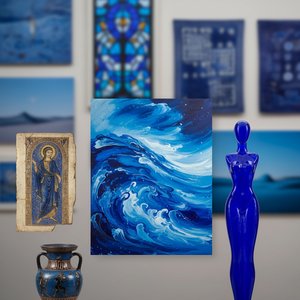
The Allure of Azure: Exploring the Symbolic & Aesthetic Depths of Blue in Art History
Explore the rich history of blue in art! Discover its symbolism, from ancient pigments to modern masterpieces by Kandinsky & Seurat. Uncover the psychological impact and cultural meanings behind this captivating hue.

Rohkeat mestariteokset: Taidetta, joka valloittaa ja inspiroi – TopImpressionists.fi
Tutustu 10 rohkeaan mestariteokseen, jotka huokuvat voimaa ja tunnetta! Picasso, Munch, Van Gogh & muut taiteen ikonit. Löydä inspiraatiota kotiisi TopImpressionists.com:ista – korkealaatuiset taideprintit ja julisteet.