

 Esikatselu
 Jaa teos
 Jaa
Jaa
 Tiedot
 Opas
Opas

 Lataa kuva
 Samanlaisia kohteita
 Röntgenkuvaus
 Diaesitys
 Q&A
Q&A Tilastot
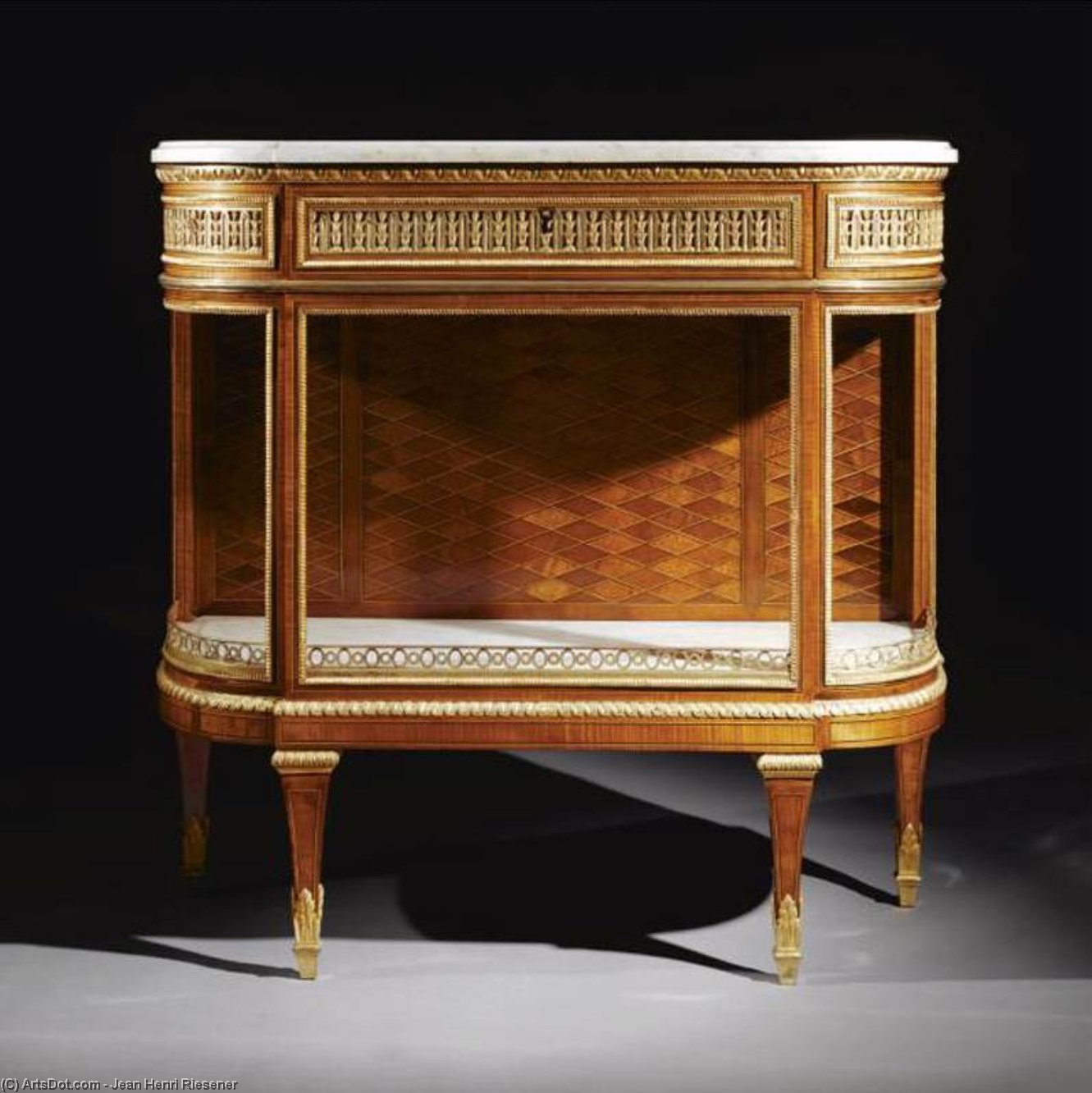
Console-Desserte
 1785
1785 91.0 x 99.0 cm
 Lue lisää
Saat tulostusvalmiin tiedoston, jonka laatu ylittää verkkonäkymän huomattavasti. Jokainen myymämme digitaalinen kuva on peräisin arkistomme korkearesoluutioisesta mestariteoksesta — yleensä 5 000–15 000 pikselin levyisenä — joten voit tulostaa suuria kokoja, rajata tiukasti tai toistaa hienovaraiset yksityiskohdat luottavaisin mielin.
Mikään tiedosto ei lähde studiostamme muuttamatta. Digitaalinen asiantuntija vertaa värejä alkuperäiseen maalaukseen ja korjaa niitä tarvittaessa, minkä jälkeen hän parantaa kuvan selkeyttä ja yksityiskohtia ammattimaisilla retusointityökaluilla — säilyttäen aina uskollisena taiteilijan siveltimenjäljen ja tyylin. Lopputuloksena on kuva, joka näyttää maalauselta, eikä suodatetulta skannaukselta.
Hyväksyt työn ennen valmistumistaan: asiantuntijamme lähettää kuvan tarkistettavaksi sähköpostitse 72 tunnin kuluessa. Etkö ole tyytyväinen? Pyydä parannuksia tai korjauksia, tai pyydä hyvitystä, mikäli laatu ei vastaa odotuksia.
Tämä on laatua, johon kustantamot, design-studiot, galleriat ja painotalot luottavat.
Digitaalinen kuva
Lataa korkearesoluutioinen tiedosto henkilökohtaiseen näyttelyyn, tulostamiseen ja luoviin projekteihin. ( Vaihda tulosteeseen Osta käsinmaalattu taideteos)
Sisältyy jokaiseen digitaalisen kuvan tilaukseen
Asiantunteva digitaalinen toimitus, laatu taattu
Kun valitset TopImpressionists.com-palvelun, et saa vain kuvaa – saat ammattimaisesti viimeistellyn digitaalisen taideteoksen, joka on luotu tarkkuudella ja jonka takaa tulee tyytyväisyystakuu. Tässä on kaikki, mitä tilauksesi sisältää, automaattisesti:

Nopea sähköpostitoimitus
Saat korkearesoluutioisen digitaalisen kuvatiedostosi sähköpostiisi 72 tunnin kuluessa tilauksesta – valmiina käytettäväksi välittömästi.

Tekoälyllä parannettu digitaalinen tiedosto
Teoksesi on optimoitu ammattimaisesti edistyneiden tekoälytyökalujen ja manuaalisen jälkikäsittelyn avulla, mikä takaa maksimaalisen yksityiskohtaisuuden, selkeyden ja väritarkkuuden.

Ilmainen uudelleenlähetys elinikäisesti
Oletko vahingossa poistanut tai kadottanut tiedostosi? Ei hätää – lähetämme sen sinulle uudelleen milloin tahansa täysin maksutta.

Ei tuontimaksuja – koskaan
Nauti taiteestasi välittömästi ilman tullimaksuja, veroja tai toimituskuluja – digitaaliset lataukset ovat aina verovapaita.

Värintoiston tarkkuustakuu
Varmistamme, että digitaalinen kuvasi vastaa alkuperäisiä värejä mahdollisimman tarkasti käyttämällä ammattilaistason työkaluja ja värinhallintaa.

100 päivän tyytyväisyystakuu
Jos et ole tyytyväinen digitaaliseen kuvaasi, muokkaamme sitä tai palautamme 100% hinnan 100 päivän kuluessa – kysymystä ei esitetä.

100% Rahat takaisin -takuu
Et ole tyytyväinen? Saat täyden hyvityksen 100 päivän kuluessa digitaalisen tiedostosi vastaanottamisesta – kysymystä ei esitetä.

Määräalennukset
Osta 3 kuvaa, säästä 10% - Osta 5, säästä 15% - Osta 10+, säästä 20%. Erinomainen valinta luoviin projekteihin, gallerioille ja toimistoille.
The Console-Desserte is a stunning example of neoclassical furniture designed by the renowned German ébéniste, Jean Henri Riesener. Created in 1785, this exquisite piece showcases Riesener's exceptional craftsmanship and attention to detail. The console table features intricate carvings, decorative elements, and a rich, dark brown finish, which suggests it could be made of mahogany or another similar hardwood.
The Musei Capitolini in Rome, Italy, is also home to an impressive collection of art and archaeological artifacts, including works by other notable artists. Visit /art/list/?Filter=A@D3ATXF-The-Museum-Musei-Capitolini-(Rome-Italy) to learn more.
Design and Features
The Console-Desserte has a flat top surface, providing ample space for placing items, and three drawers with brass handles or pulls. The table's legs are turned with a classic design, tapering slightly towards the bottom, which is typical of furniture from the 18th century. The overall design of the console table reflects the neoclassical style, characterized by straight lines, minimal ornamentation, and an emphasis on functionality. Key Features:- Intricate carvings and decorative elements
- Rich, dark brown finish
- Three drawers with brass handles or pulls
- Classic turned legs
Artist and Historical Context
Jean Henri Riesener was a prominent figure in the world of furniture making during the 18th century. He worked for the French royal family, including Queen Marie Antoinette, and created many exceptional pieces for the Palace of Versailles. The Console-Desserte is a testament to Riesener's skill and artistry, showcasing his ability to create functional and beautiful pieces that reflect the neoclassical style. For more information on Jean Henri Riesener and his work, visit /art/list/?Filter=8XZUAR-Jean-Henri-Riesener-Console-Desserte or https://en.wikipedia.org/wiki/Jean_Henri_Riesener.The Musei Capitolini in Rome, Italy, is also home to an impressive collection of art and archaeological artifacts, including works by other notable artists. Visit /art/list/?Filter=A@D3ATXF-The-Museum-Musei-Capitolini-(Rome-Italy) to learn more.
Kysymykset ja vastaukset
Millä muilla nimillä Jean Henri Riesener tunnetaan?
Muita teoksen "Console-Desserte" tekijälle Jean Henri Riesener rekisteröityjä nimiä ovat Johann Heinrich Riesener.
Kuinka harmonisia ovat teoksen Jean Henri Riesener:n "Console-Desserte" värit?
Jean Henri Riesener:n "Console-Desserte" esittää Strong Color Unity väriharmoniaa.
Kuinka vanha Jean Henri Riesener oli, kun "Console-Desserte" luotiin?
Jean Henri Riesener oli 18 vuotias luodessaan teoksen "Console-Desserte" vuonna 1785. Ikä on laskettu taiteilijan syntymävuodesta 1767.
Taiteilijan esittely
The Master of the Louis XVI Style
In the gilded era of late eighteenth-century France, few names commanded as much prestige within the royal workshops as Jean Henri Riesener. An eminent German ébéniste, or cabinetmaker, Riesener brought a level of meticulous artistry to Paris that would eventually define the early Neoclassical aesthetic known as the Louis XVI style. His journey from the Electorate of Cologne to the heart of the French court is a narrative of unparalleled skill and social ascent. After moving to Paris and apprenticing under the celebrated Jean-François Oeben, Riesener did more than just learn a trade; he inherited a legacy of excellence. His connection to his master was so profound that he eventually married Oeben's widow, further cementing his place within the lineage of France's most elite craftsmen.
Riesener’s career reached its zenith when he was formally named ébéniste ordinaire du roi. This title was not merely ceremonial; it signaled his role as a primary provider of luxury furniture for the French Crown. During the decade between 1774 and 1784, the scale of his commissions was staggering, reflecting a period where the French court engaged in furnishing projects of unprecedented opulence. He became a favorite of Queen Marie Antoinette, working alongside other masters like David Roentgen to create pieces that served as both functional furniture and profound statements of status and refined taste.
A Symphony of Marquetry and Form
The work of Riesener is characterized by a breathtaking intersection of utility and decorative splendor. He was a master of marquetry, the delicate art of inlaying different colored woods to create intricate patterns and pictorial scenes. His ability to manipulate materials allowed him to transform hard woods like walnut into fluid, organic compositions. Whether crafting a writing table or a complex chest of drawers, Riesener utilized a sophisticated palette of geometric designs and floral motifs that embodied the transition from the flowing curves of the Rococo to the more structured, disciplined lines of Neoclassicism.
Beyond the surface decoration, his technical mastery extended to the structural integrity and multi-functional design of his pieces. His creations often featured:
- Intricate Inlays: The use of contrasting shades of wood to create depth and visual movement.
- Gilt Bronze Accents: The integration of fine metalwork to complement the warmth of the wood.
- Hidden Complexity: The inclusion of concealed drawers and specialized compartments, such as those found in his sewing tables, designed for the private needs of the aristocracy.
To encounter a Riesener piece is to witness a sculptural masterpiece. His work, such as the exquisite trough-shaped sewing table or his magnificent roll-top desks, transcends mere furniture making. Each piece serves as a portal into a vanished era of aristocratic refinement, where every edge and inlay was designed to evoke the intellectualism and elegance of the Enlightenment.
Legacy of an Ébéniste
The historical significance of Jean Henri Riesener lies in his ability to capture the very spirit of an age. His furniture did not merely occupy space; it defined the atmosphere of the most important salons and private sanctuaries in France, from Saint-Cloud to Versailles. Through his dedication to the highest standards of craftsmanship, he helped establish a standard of excellence that would influence decorative arts for generations. Even as the political landscape of France underwent violent transformations, the enduring beauty of Riesener's work remained a testament to the heights of French decorative achievement, ensuring his place in history as one of the greatest cabinetmakers to ever grace the Parisian workshops.

Jean Henri Riesener
1767 - 1828 , Saksa