Katso seinällä
 Lähetä
 Jaa
Jaa
 Tarkemmat tiedot
 Opas
Opas

 Lataa kuva
 Samanlaisia kohteita
 Röntgenkuvaus
 Diaesitys
 Tilastot
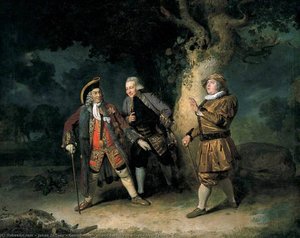
George III


Admire Johann Zoffany’s ‘George III,’ a stunning 1771 royal portrait showcasing the King's power & elegance. A historical masterpiece by a renowned artist, now available as a handmade oil painting.
 Lue lisää
"finnish_meta_description": "Johann Zoffany (1733-1810) oli saksalaissyntyinen brittiläinen maalaaja, tunnettu 'keskusteluosuuksien' maalauksistaan. Hänen teoksensa, kuten Uffizin tribuna, kuvaavat hovielämää ja kulttuuria 1700-luvulla."
Käsinmaalattu öljyvärinen jäljennös
Käsinmaalattu öljyväri kankaalle haluamassasi koossa ja kehyksissä, taiteilijoidemme valmistamana tilauksesta. ( Vaihda tulosteeseen Siirry digitaaliseen kuvaan)




P118B €10

P118H €10

P118W €10

P438Z €10

P508JH €12

P508YH €12

P805H €10

P805Z €10

P919BZ €10

P919G €10

P919XJ €10

P959ZH €10

P968JZ €12

W106C €8

W218G €10

W218JH €8

W218Y €10

W307PJ €10

W316G €10

W316PJ €8

W316Y €10

W398PJ €8

W4111J €10

W500HY €15

W500JH €15

W692G €12

W849H €8

W940BG €15

W953PJ €8




Vakiokoko
mittatilaustyö
CM
INCH
Valitse valmiista mitoistamme sellaiset, jotka vastaavat teoksen alkuperäisiä mittasuhteita.
Loading sizes...

leveys
korkeus
Kirjoita tarvitsemasi leveys ja korkeus, jotta teos sopii kehyskehyksiisi tai seinällesi. Koska kyseessä on käsinmaalattu teos, taiteilija voi maalata hieman enemmän kuvan ympärille tai rajata sitä hieman, jos haluat eri muotoisen koon — valinta on sinun. Lähetämme sinulle digitaalisen mallikuvan hyväksyttäväksi ennen kuin maalaus alkaa. Tällä sivulla näkyvä kuva ei vastaa lopullista tulosta — vain mallikuva näyttää sen.
Esimerkkejä muokattavista asioista: Vaihda kasvot asiakkaan omaan valokuvaan; Lisää lemmikki (esim. korvaa kissa koiralla); Lisää taustalle piilotettu viesti; Muuta taustan maisemaa tai elementtejä.
Tilauksen jälkeen TopImpressionists.com -tiimi lähettää asiakkaalle sähköpostitse ohjeet ja esikatselukuvan.
Tilauksen jälkeen TopImpressionists.com -tiimi lähettää asiakkaalle sähköpostitse ohjeet ja esikatselukuvan.
Maailmanlaajuinen toimitus () 3–4 viikossa tavallisen 5 viikon sijaan. (24 lokakuu). Laadusta ei tingitä.

Ilmainen pikatoimitus ympäri maailman

Korkealaatuinen pellavakangas

Kattava kuljetusvakuutus

Tulliveron palautustakuu

Takuu täydellisestä värien vastaavuudesta

100 päivän palautusoikeus valmistusvirhetapauksissa

100% rahat takaisin -takuu

Määräalennus saatavilla
 Lasivaihtoehto on saatavilla vain alle 110 cm kokoisille teoksille

George III
Reproduktiotapa
Replikaatin koko
-


Kokonaishinta
€ 236
The Majesty of a King: An Exploration of Zoffany’s ‘George III’
Johann Zoffany's “George III” is more than just a portrait; it’s a meticulously constructed tableau vivant, a frozen moment brimming with historical significance and subtle theatricality. Completed in 1771, this oil on canvas painting offers a rare glimpse into the life of King George III during a period of profound political and personal upheaval. Zoffany, a German-born artist who found his most enduring success in England, masterfully blended elements of Italian portraiture with the burgeoning conventions of the ‘conversation piece’ – a genre that favored informal group settings and layered symbolism.
The painting immediately commands attention through its opulent setting. The King is seated within a richly appointed room, reminiscent of an Italian villa or a grand salon, complete with a meticulously rendered violoncello, a symbol of musical refinement and aristocratic leisure. However, the true brilliance lies in the details – the intricate patterns on the wallpaper, the carefully chosen objects adorning the walls, each contributing to a complex web of meaning. This isn’t merely a depiction of royalty; it's an assertion of power, a visual declaration of George III’s status as both a sovereign and a cultivated gentleman.
A Stage for Power: Symbolism and Context
Zoffany was acutely aware of the political climate surrounding his subject. George III inherited a throne beset by challenges – a fragile peace following the Seven Years' War, mounting debts, and growing tensions with the American colonies. The King’s posture, his gaze directed towards an unseen observer (often interpreted as a young boy), conveys a sense of both authority and vulnerability. He is dressed in the formal attire of a General, complete with medals and a sash – emblems of military prowess and royal rank. The inclusion of the Order of the Garter, one of the most prestigious chivalric orders in Britain, further reinforces his position as a key figure within the nation’s elite.
Beyond the obvious symbols of power, Zoffany employs subtle visual cues to suggest the complexities of George III's reign. The presence of the violoncello, for instance, is not simply decorative; it alludes to the King’s musical interests and his patronage of artists and musicians – a carefully cultivated image designed to project an aura of sophistication and refinement. The inclusion of a young boy in the painting has been interpreted as representing the future of the monarchy, but also perhaps hinting at the challenges George III faced in securing a legitimate heir.
Technique and Artistic Legacy
Zoffany’s skill lies not only in his ability to capture likenesses with remarkable accuracy but also in his masterful use of light and shadow. The dramatic lighting highlights the King's face, emphasizing his features and conveying a sense of gravitas. The artist employs a technique reminiscent of both Italian portraiture and Dutch genre painting, creating a rich, textured surface that is both visually engaging and historically informative. His attention to detail is astonishing – from the folds in the fabric to the reflections on the polished surfaces – demonstrating a deep understanding of his subject matter and a commitment to realism.
“George III” stands as one of Zoffany’s most celebrated works, alongside “Queen Charlotte and Her Six Eldest Children.” Reproductions of this iconic painting continue to captivate art lovers today, offering a window into the world of Georgian England and the complex personality of its King. The Royal Collection Trust holds the original, ensuring that this remarkable piece of history remains accessible for generations to come.
Further Information:
Kysymykset ja vastaukset
Mikä sijoittelu sopii teoksen Johann Zoffany:n "George III" formaattiin?
Johann Zoffany:n "George III" -teoksen Portrait -muoto on suositeltava Living Room-tilaan. Muoto ja tila ohjaavat yhdessä reproduktion sijoittelua.
Mistä voin ladata teoksen Johann Zoffany:n "George III"?
Teoksen Johann Zoffany:n "George III" voi ladata sen Lataa -sivulta muodossa korkearesoluutioinen digitaalinen kuvalataus.
Missä ja mihin tarkoitukseen "George III" suositellaan?
Johann Zoffany:n "George III" on suositeltava Statement, mieluiten Living Room-tilassa. Käyttötarkoitus ja tila auttavat päättämään, mihin reproduktio sopii parhaiten.
Taiteilijan elämäkerta
Johan Zoffany: 1800-luvun valokuvaajan taide
Johann Zoffany, syntynyt Johannes Josephus Zauffaly vuonna 1733 Freibaurissa Saksassa, oli maalari, jonka maine nousi erityisesti Englannissa ja Italiassa. Varhaisesta elämästään on vähän tietoa, mutta tiedetään, että hän sai taiteellista koulutusta jo nuorena. Hän aloitti uransa kuvanveistäjän oppilaana, mahdollisesti Melchior Paulusilla Ellwangenissa, ennen kuin opiskeli Martin Speerin johdolla Regensburgissa. Tämä varhainen peruskoulutus loi pohjan hänen tulevalle uralleen.
Vuonna 1750 Zoffany matkusti Roomaan, jossa hän liittyi Agostino Masuccin studioon ja hio mukauttaen italialaista taiteellista perinnettä. Hän muutti myöhemmin Englantiin vuonna 1760, tukien aluksi elantoaan valmistamalla kelloihin koristeita Stephen Rimbaultin työntekoon liittyen. Tämä ajanjakso merkitsi käännekohtaa, kun hän alkoi luoda yhteyksiä ja saada tunnustusta Lontoon taidesuunnassa.
Kuninkaallinen suosio ja taiteellinen kehitys
Zoffany houkutteli nopeasti kuningas George III:n ja kuningatar Charlotten huomion, ja hänestä tuli heidän kuninkaallisten perheen suosittu muotokuvaaja. Hänen kykynsä vangita arkisia hetkiä – kuten Kuningatar Charlotte ja hänen kaksi suurinta lastaan (1765) – erotti hänet muodollisemmista hovimaalareista. Hän oli myös suosittu Austrian keisarillisessa perheessä ja sai baronin arvon Holy Roman keisarikunnan kautta vuonna 1776 keisarinna Mariassa Theressassa.
”Keskusteluosuuksien” mestari
Zoffany tuli tunnetuksi ”keskusteluosuuksistaan”, eli *conversazioneista* – epävirallisista ryhmämuotokuvista, jotka kuvasivat sosiaalisia kokoontumisia. Hän erillään erinomaisesti vangitsi ihmisten persoonallisuudet ja vuorovaikutukset näissä kuvissa, usein esittäen tunnettuja henkilöitä yhteiskunnan, teatterin ja kirjallisuuden piireistä. Hänen teoksensa, kuten Cope Family (1775), ovat esimerkkejä tästä tyylistä, tarjoten näkymiä hänen asiakkaidensa elämään.
Merkittävät saavutukset ja merkittäviä teoksia
- Tribuna of the Uffizi (1772-1778): Ehkä tunnetuin teos, huolellisesti yksityiskohtainen kuvaus Uffizin gallerian sisäpuolesta Firenzessä.
- Dr William Hunter Teaching Anatomy at the Royal Academy (1779): Kiinnostava esitys lääketieteellisestä koulutuksesta ja tieteellisestä tutkimuksesta.
- Kuningas George III (1771): Kuninkaan valta ja eleganssi kuvattuna kuninkaallisessa muotokuvassa.
- Colonel Mordaunt's Cock Match (1784-1786): Värikäs kuvaus siirtomaaelämästä Intiassa, joka vangitsee ainutlaatuisen kulttuuritapahtuman.
Vuodet Intiassa ja myöhempi elämä
Vuosina 1783–1789 Zoffany asui Intiassa, jossa hän maalasi muotokuvia merkittävistä henkilöistä, kuten Warren Hastingsista ja Asaf-ud-Daulasta. Kokemukset Intiassa vaikuttivat hänen taiteelliseen tyyliinsä ja aihealueisiinsa. Hänen elämänsa aikana tapahtui erittäin mielenkiintoinen tarina, jossa merirosvojen hylkyyn ajautunut laiva pakotti selviytymään äärimmäisillä keinoilla.
Vaikutukset ja perintö
Zoffany’n teokset heijastavat vaikutteita sekä saksalaisesta tarkkuudesta että italialaisesta taiteellisuudesta. Hän oli vaikuttanut Agostino Masuccin kaltaisiin taiteilijoihin ja ottanut inspiraatiota barokkityylistä. Hänen tyylinsä puolestaan vaikutti myöhempiin taiteilijoihin, jotka olivat kiinnostuneita muotokuvista ja sosiaalisesta kommentaarisesta näkökulmasta. Hän oli merkittävä hahmo taiteen historiassa, tunnettu teknisestä taidoistaan, havainnoistaan ja ainutlaatuisesta taiteellisesta visiostaan.
Historiallinen merkitys
Johann Zoffany’n maalaukset tarjoavat arvokkaita näkemyksiä hänen aikansa sosiaalisista tavoista, älyllisestä elämästä ja kulttuurivääristymistä. Hänen ”keskusteluosuuksiaan” voidaan pitää intiiminä kuvauksena tunnetuista henkilöistä ja heidän maailmastaan, kun taas Intiassa tehtyjen kuvausten avulla saamme paremman käsityksen siirtomaahistoriasta. Hän on merkittävä hahmo taiteen historiassa, jota juhlistetaan hänen teknisestä taidoistaan, havainnoistaan ja ainutlaatuisesta taiteellisesta visiostaan.

Johann Zoffany
1733 - 1810 , Saksa
Tietoa taiteilijasta
- Artistic Movement Or Style: Neoklassismi, Realismi
- Artists Or Movements Influenced By This Artist: ['Myöhemmät taiteilijat']
- Artists Who Influenced This Artist:
- Agostino Masucci
- Martin Speer
- Date Of Birth: 1733
- Date Of Death: 1810
- Full Name: Johann Zoffany
- Nationality: Saksalainen
- Notable Artworks:
- Uffizin Tribuna
- William Hunterin anatomianopetus
- Kuningas Yrjö III
- Mordauntin höyhentapahtuma
- Place Of Birth: Frankfurt, Saksa
Aiheeseen liittyvät artikkelit

Johann Zoffany: Capturing Georgian Society with Brushstrokes of Cosmopolitan Flair
Explore the captivating world of Johann Zoffany, master portraitist of Georgian society. Discover his unique 'conversation pieces,' imperial commissions & lasting legacy. A guide for discerning collectors.

George Stubbs: Anatomical Precision & Romantic Vision in 18th-Century British Art
Explore the captivating world of George Stubbs, the 18th-century master renowned for his anatomical precision & Romantic animal paintings. Discover his legacy and investment potential.

Georges Seurat: 25 mestariteosta – Valon ja värin lumoa taidossa | TopImpressionists
Tutustu Georges Seuratin 25 mestariteokseen! Uppoudu pointillismia, valomaalausta ja väriteoriaa hyödyntävään taidemaailmaan. Löydä A Sunday on La Grande Jatte ja muut ikonit TopImpressionists.comista – korkealaatuiset taidekopiot kotiisi.

Georges Braquen 25 mestariteosta: Taidetta kotiin TopImpressionistsilta
Tutustu Georges Braquen 25 mestariteokseen ja kubismin lumoihin! Taidehistoriaa, värejä ja inspiraatiota kotiisi. Laadukkaat taulut TopImpressionistsilta – löydä täydellinen seinätaulu nyt!

Sir George Clausen: Capturing Edwardian Life & British Impressionism's Nuances
Explore the luminous world of Sir George Clausen, a leading British Impressionist painter. Discover his captivating scenes of Edwardian life, rural England & poignant war art. Learn about his legacy and find high-quality reproductions at TopImpressionists.
Tutustu teoksiin, jotka on järjestetty aiheiden, tyylien ja ominaisuuksien mukaan.