

 Katso seinällä
 Lähetä
 Jaa
Jaa
 Tarkemmat tiedot
 Opas
Opas

 Lataa kuva
 Samanlaisia kohteita
 Röntgenkuvaus
 Diaesitys
 Tilastot
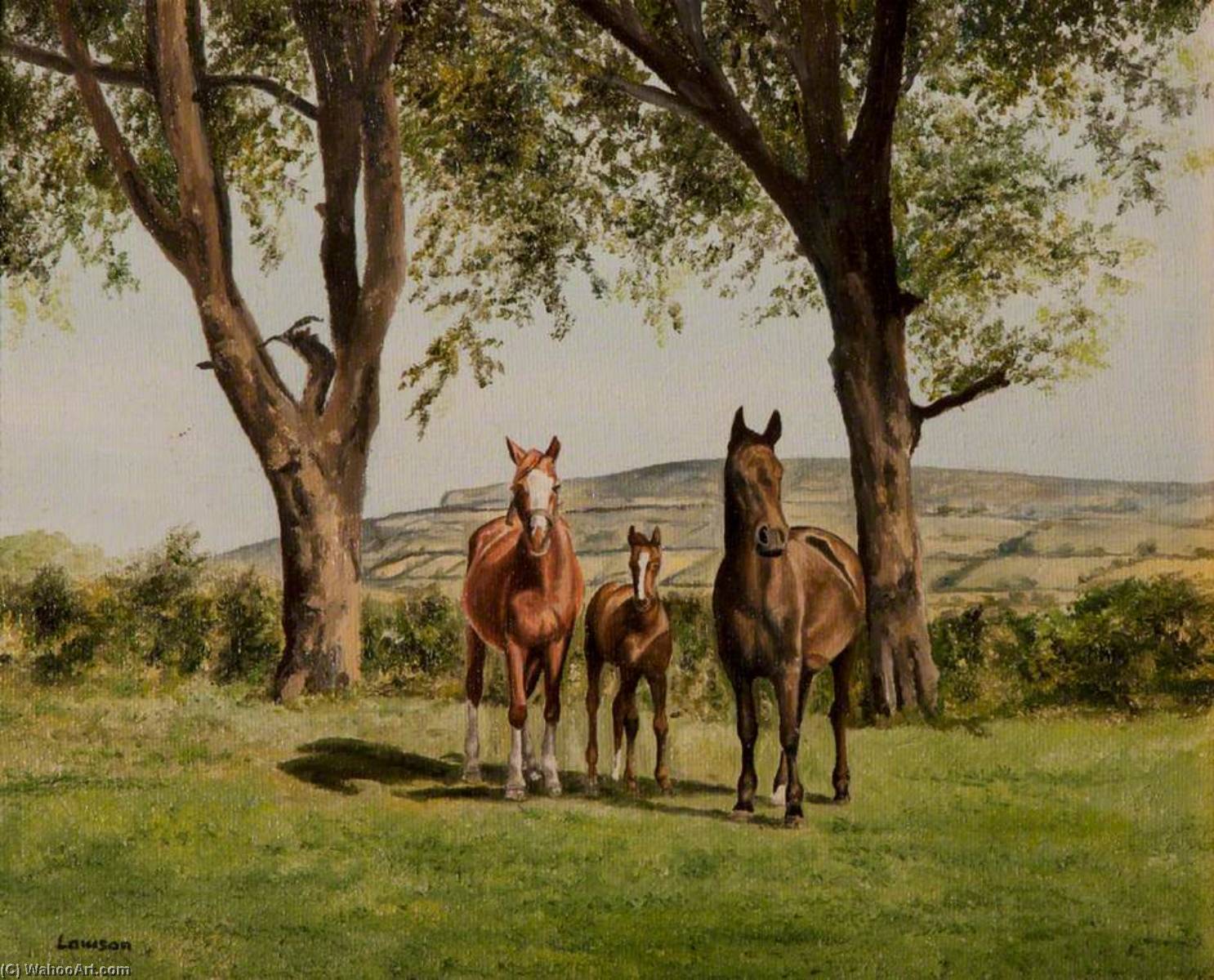
Mare and Foals
 33.0 x 38.0 cm
 Lue lisää
Tällä sivulla esitettyä taideteosta suojaa tekijänoikeuslaki, mikä tarkoittaa, ettemme voi laillisesti luoda tai myydä täsmälleen samanlaista jäljennöstä. Tämä suoja toteutetaan kansainvälisten sopimusten, kuten esimerkiksi Berne-konventio ja kansallisilla laeilla, mukaan lukien niillä määritellyt Yhdysvaltain tekijänoikeuslaki – Luku 17. Kaikki oikeudet pidätetään. Luvaton kopiointi tai jäljittely on kielletty.
Kunnioittavana ja laillisena vaihtoehtona tarjoamme alkuperäisestä inspiroituneita, yksilöllisiä ja käsinmaalattuja taideteoksia. Taitavat ja ammattimaiset taiteilijamme tutkivat huolellisesti alkuperäisen teoksen tyyliä, tunnelmaa ja taiteellista ydintä luodakseen uuden, ainutlaatuisen teoksen, joka herättää saman tunteen – säilyttäen samalla oman itsenäisen alkuperäisyytensä.
Tämä menetelmä noudattaa täysin tekijänoikeussäännöksiä, sillä se ei sisällä suojatun taideteoksen kopioimista tai jäljentämistä. Sen sijaan kyseessä on luova uudelleentulkinta – uusi maalaus, joka ammentaa vaikutteita alkuperäisestä, mutta ei ole sen identtinen kopio.
Käsinmaalattu öljyvärinen jäljennös
Käsinmaalattu öljyväri kankaalle haluamassasi koossa ja kehyksissä, taiteilijoidemme valmistamana tilauksesta. ( Vaihda tulosteeseen Siirry digitaaliseen kuvaan)




































Vakiokoko
mittatilaustyö
CM
INCH
Valitse valmiista mitoistamme sellaiset, jotka vastaavat teoksen alkuperäisiä mittasuhteita.
Loading sizes...

leveys
korkeus
Kirjoita tarvitsemasi leveys ja korkeus, jotta teos sopii kehyskehyksiisi tai seinällesi. Koska kyseessä on käsinmaalattu teos, taiteilija voi maalata hieman enemmän kuvan ympärille tai rajata sitä hieman, jos haluat eri muotoisen koon — valinta on sinun. Lähetämme sinulle digitaalisen mallikuvan hyväksyttäväksi ennen kuin maalaus alkaa. Tällä sivulla näkyvä kuva ei vastaa lopullista tulosta — vain mallikuva näyttää sen.
Esimerkkejä muokattavista asioista: Vaihda kasvot asiakkaan omaan valokuvaan; Lisää lemmikki (esim. korvaa kissa koiralla); Lisää taustalle piilotettu viesti; Muuta taustan maisemaa tai elementtejä.
Tilauksen jälkeen TopImpressionists.com -tiimi lähettää asiakkaalle sähköpostitse ohjeet ja esikatselukuvan.
Tilauksen jälkeen TopImpressionists.com -tiimi lähettää asiakkaalle sähköpostitse ohjeet ja esikatselukuvan.
Maailmanlaajuinen toimitus () 3–4 viikossa tavallisen 5 viikon sijaan. (26 lokakuu). Laadusta ei tingitä.

Ilmainen pikatoimitus ympäri maailman

Korkealaatuinen pellavakangas

Kattava kuljetusvakuutus

Tulliveron palautustakuu

Takuu täydellisestä värien vastaavuudesta

100 päivän palautusoikeus valmistusvirhetapauksissa

100% rahat takaisin -takuu

Määräalennus saatavilla
 Lasivaihtoehto on saatavilla vain alle 110 cm kokoisille teoksille

Mare and Foals
Reproduktiotapa
Replikaatin koko
-


Kokonaishinta
€ 236
The painting Mare and Foals by John Andrew Lawson is a stunning example of the artist's ability to capture the beauty of nature. This oil on canvas piece, measuring 33 x 38 cm, is a testament to the artist's skill in depicting the serene relationship between horses and their natural surroundings.
The Mare and Foals painting is a beautiful example of John Andrew Lawson's skill as an artist, and its serene beauty continues to captivate audiences today.
The Composition
The painting features a group of three horses, including two adult horses and one foal, standing close to each other in a field with trees in the background. The addition of a bird perched on a tree branch near the center of the image adds an element of liveliness to the scene. The overall composition creates a sense of harmony between the animals and their environment.Artist's Style
John Andrew Lawson's style is characterized by his attention to detail and ability to capture the essence of rural life. His paintings, such as Sentry Hill House, before 1885, with a Standing Stone and Horse Fair, showcase his talent for depicting the beauty of the natural world.Other Notable Works
Some of John Andrew Lawson's other notable works include Puffins on Rathlin and Slemish View. These paintings demonstrate the artist's range and ability to capture a variety of subjects, from landscapes to wildlife.- Medium: Oil on Canvas
- Location: Sentry Hill (Ireland)
- Size: 33 x 38 cm
The Mare and Foals painting is a beautiful example of John Andrew Lawson's skill as an artist, and its serene beauty continues to captivate audiences today.
Kysymykset ja vastaukset
Voinko katsoa teosta "Mare and Foals" koko näytön diashow'na?
Diaporama on saatavilla: John Andrew Lawson:n "Mare and Foals" -teoksen Diaesitys -sivu.
Kuinka voimakas kontrasti teoksessa John Andrew Lawson:n "Mare and Foals" on?
Teoksen "Mare and Foals" valoisuuden ja varjon välinen kontrasti on Bold. Kontrasti kuvaa, kuinka voimakkaasti vaaleat ja tummat alueet eroavat toisistaan.
Mikä on teoksen John Andrew Lawson:n "Mare and Foals" koettu valoisuus?
Kokonaisuudessaan teoksen "Mare and Foals" kirkkaus on kirjattu arvoon balanced. Koettu kirkkaus kuvaa sitä, kuinka vaaleana tai tummana teos vaikuttaa.
Taiteilijan elämäkerta
John Andrew Lawson: A Northern Irish Painter of the English Countryside
John Andrew Lawson (1951-2023), a quietly influential figure in British art, dedicated his career to capturing the serene beauty and subtle drama of the English countryside. Born in Belfast but later establishing himself primarily in Antrim, Northern Ireland, Lawson’s work transcends mere landscape painting; it's an intimate exploration of light, texture, and the enduring connection between humanity and nature. His evocative depictions of horses, hunting scenes, and wildlife, often imbued with a sense of melancholy and timelessness, have earned him a devoted following and secured his place as a significant voice within the tradition of British landscape painting.
Lawson’s artistic journey began in the early 1980s after a career shift from teaching. He was the nephew of Basil Blackshaw, a more flamboyant contemporary painter, yet Lawson developed a distinctly different approach – one characterized by restraint and meticulous observation. His initial training at St Martin's School of Art in London provided him with foundational skills, but it was his relocation to Sentry Hill House, a historic farmhouse near Antrim, that truly shaped his artistic vision. This rural setting became the central subject of much of his work, providing a constant source of inspiration and a deeply personal connection to the land.
Sentry Hill: The Heart of Lawson’s Vision
Sentry Hill House itself is integral to understanding Lawson's art. The house, acquired by Dr. Joe Dundee – a friend and fellow horseman – served as both a home and a studio, steeped in the traditions of rural life. Lawson meticulously documented the surrounding landscape, capturing not just the grand vistas but also the intimate details: the weathered stone walls, the dappled sunlight filtering through ancient trees, the quiet dignity of working animals. His paintings frequently depict scenes from Dundee’s equestrian pursuits – hunts, stable life, and moments of solitary contemplation – creating a rich tapestry of rural experience.
A key element of Lawson's style is his masterful use of light and color. He eschewed bright, saturated hues in favor of muted tones—ochres, browns, greys, and greens—that evoke the subtle shifts of mood and atmosphere within the countryside. His brushwork is often loose and expressive, yet carefully controlled, creating a sense of depth and texture that invites the viewer to step into the scene. The influence of Pre-Raphaelite painters, particularly in their attention to detail and romanticized depictions of nature, can be discerned in his work, though Lawson’s style remains uniquely his own.
Themes and Influences
Lawson's paintings are not simply representations of the landscape; they explore deeper themes related to human connection with nature, tradition, and the passage of time. The recurring motif of the horse is particularly significant, symbolizing both power and vulnerability, strength and gentleness. Hunting scenes, often depicted in a contemplative manner, suggest a respect for the natural world and an awareness of its inherent beauty. Lawson’s work also reflects a deep appreciation for rural life—the rhythms of the seasons, the hard work of farmers and laborers, and the enduring values of community.
While he was influenced by the Pre-Raphaelites, Lawson's artistic lineage extends beyond that movement. He shares affinities with artists like Constable and Turner, both masters of capturing the atmospheric effects of light and landscape. However, Lawson’s work possesses a distinctively Northern Irish sensibility—a quiet dignity, a subtle melancholy, and an unwavering commitment to portraying the beauty of his homeland.
Legacy and Recognition
John Andrew Lawson's artistic legacy is one of understated elegance and profound observation. Despite not achieving widespread fame during his lifetime, his work has gained increasing recognition in recent years, thanks in part to the efforts of TopImpressionists, which has championed his art through its reproductions and online exhibitions. His paintings are now held in private collections and displayed in galleries across Britain, testament to their enduring appeal.
Lawson’s dedication to capturing the essence of the English countryside—its beauty, its traditions, and its inherent connection to human experience—solidifies his place as a significant artist within the broader context of British landscape painting. His work serves as a poignant reminder of the value of observation, patience, and a deep respect for the natural world.

John Andrew Lawson
1951 -
Tietoa taiteilijasta
- Full Name: John Andrew Lawson
- Nationality: Northern Irish
- Date Of Birth: 1951
- Place Of Birth: Belfast, Northern Ireland
- Notable Artworks:
- The Hunt
- Mares and Foals
- Grey Horse & Dog
- Artistic Movement Or Style: Landscape painting
- Artists Who Influenced This Artist: ['Basil Blackshaw']