


 Katso seinällä
 Lähetä
 Jaa
Jaa
 Tarkemmat tiedot
 Opas
Opas

 Lataa kuva
 Samanlaisia kohteita
 Röntgenkuvaus
 Diaesitys
 Tilastot
Pompeii
 1841
1841 26.0 x 43.0 cm
 Lue lisää
Tutustu John Ruskinin vaikuttavaan taiteeseen ja ajatuksiin – viktoriaaniseen polymaattiin, joka kehitti sekä estetiset näkemykset että yhteiskunnallisen muutoksen ideat. Näihin kuuluvat hänen maisemaöljyvärimaalauksensa, arkkitehtoninen analyysi ja vaikutukselliset esseet luonnosta, kauneudesta ja yhteiskunnasta.
Käsinmaalattu öljyvärinen jäljennös
Käsinmaalattu öljyväri kankaalle haluamassasi koossa ja kehyksissä, taiteilijoidemme valmistamana tilauksesta. ( Vaihda tulosteeseen Siirry digitaaliseen kuvaan)




































Vakiokoko
mittatilaustyö
CM
INCH
Valitse valmiista mitoistamme sellaiset, jotka vastaavat teoksen alkuperäisiä mittasuhteita.
Loading sizes...

leveys
korkeus
Voit syöttää omat mitat sopimaan tiettyyn kehykseen tai tilaan. Jos valitsemasi koko ei vastaa alkuperäisen kuvan mittasuhteita, rajaamme taideteoksen tai jatkamme maalausta käsin maalatuilla elementeillä. Digitaalinen esikatselu lähetetään hyväksyttäväksi ennen tuotannon aloittamista.
Huomioithan, että näytöllä oleva esikatselu ei vastaa todellista rajausta tai jatkamista. Vain digitaalinen mallikuva näyttää lopullisen sommittelun tarkasti.
Vaikka mittatilaustyöt ovat mahdollisia, suosittelemme valitsemaan mitan ennalta määritetystä listasta alkuperäisten mittasuhteiden säilyttämiseksi.
Esimerkkejä muokattavista asioista: Vaihda kasvot asiakkaan omaan valokuvaan; Lisää lemmikki (esim. korvaa kissa koiralla); Lisää taustalle piilotettu viesti; Muuta taustan maisemaa tai elementtejä.
Tilauksen jälkeen TopImpressionists.com -tiimi lähettää asiakkaalle sähköpostitse ohjeet ja esikatselukuvan.
Tilauksen jälkeen TopImpressionists.com -tiimi lähettää asiakkaalle sähköpostitse ohjeet ja esikatselukuvan.
Maailmanlaajuinen toimitus () 3–4 viikossa tavallisen 5 viikon sijaan. (11 lokakuu). Laadusta ei tingitä.

Ilmainen pikatoimitus ympäri maailman

Korkealaatuinen pellavakangas

Kattava kuljetusvakuutus

Tulliveron palautustakuu

Takuu täydellisestä värien vastaavuudesta

100 päivän palautusoikeus valmistusvirhetapauksissa

100% rahat takaisin -takuu

Määräalennus saatavilla
 Lasivaihtoehto on saatavilla vain alle 110 cm kokoisille teoksille

Pompeii
Reproduktiotapa
Replikaatin koko
-


Kokonaishinta
€ 232
Ruskin travelled with his parents through France and Italy on a tour between autumn and winter 1840 and spring of 1841. Working their way along the coast of Italy through Genoa, Lucca, Florence and Pisa they spent December in Rome before moving on to Naples early in January 1841. Staying in Naples until 25th of February Ruskin made daily excursions to the surrounding area including Pompeii and Vesuvius. Ruskin passed close to Pompeii on 6 February 1841, and wrote in his diary “a striking scene, but it was partly revolting that the people, who were walking among the desolation of their own hearths, and over the dead bodies of their relations, were laughing as the guides pointed out the chief sites of the calamity, and the children playing and scampering among the fallen walls.” When he did finally visit the city on 12 February he found “Pompeii much finer and more affecting than I supposed. … I enjoyed it excessively”.
Kysymykset ja vastaukset
Mistä John Ruskin:n "Pompeii" -teoksen vierailijat ovat kotoisin?
John Ruskin:n "Pompeii" -teoksen Tilastot esittää julkiset käyntitilastot: teoksen kuukausittaiset vierailut, vertailun taiteilijan katsotuimpiin teoksiin sekä tiedot siitä, mistä vierailijat ovat kotoisin.
Kuinka voimakkaita värit ovat teoksessa John Ruskin:n "Pompeii"?
Teoksen "Pompeii" väri-intensiteetti on Balanced. Intensiteetti kuvaa värien voimakkuutta.
Onko teos "Pompeii" tekijänoikeusvapaa?
Tekijänoikeuksien osalta teos "Pompeii" on tekijänoikeusvapaa – sen tekijänoikeussuoja on päättynyt.
Milloin "Pompeii" on tehty?
"Pompeii" on peräisin vuodelta 1841. Teos sijoittuu John Ruskin uran ja aikakauden kontekstiin.
Kuinka vanha John Ruskin oli luodessaan "Pompeii" vuonna 1841?
John Ruskin loi teoksen "Pompeii" ollessaan 22 vuotias. Taiteilija on syntynyt vuonna 1819 ja teos on ajoitettu vuodelle 1841.
Kenelle taiteilijalle "Pompeii" on laitettu tekijyys?
Teoksen "Pompeii" taiteilija on John Ruskin. Teos on luetteloitu John Ruskin nimellä.
Onko olemassa teoksia, jotka muistuttavat teosta "Pompeii"?
Teokset, jotka muistuttavat teosta "Pompeii", löytyvät teoksen Samankaltaisia -sivulta.
Taiteilijan elämäkerta
A Polymath of Vision: The Life and Legacy of John Ruskin
John Ruskin, born in London on February 8, 1819, was far more than simply an art critic; he was a Victorian polymath whose influence permeated the realms of aesthetics, social reform, political economy, and environmentalism. His life was shaped by a fascinating duality – the pragmatic commercial world of his father, John James Ruskin, a successful sherry merchant, and the fervent evangelical piety of his mother, Margaret Cock. This contrasting upbringing instilled in him both a keen observational eye for detail and a deeply moral sensibility that would define his entire oeuvre. From an early age, Ruskin’s education was meticulously curated at home, steeped in biblical study and exposure to Romantic literature, particularly the works of Byron and Walter Scott. These formative influences laid the groundwork for a mind that would relentlessly seek connections between beauty, truth, and ethical living. His academic journey continued at Christ Church, Oxford, where he began to articulate his burgeoning ideas about art and its relationship to society.The Dawn of an Art Historian: Early Writings and Influences
Ruskin’s emergence as a significant voice in the art world began with *Modern Painters* (1843-1860), a monumental five-volume work initially conceived as a defense of J.M.W. Turner against what Ruskin perceived as unjust criticism. However, *Modern Painters* quickly evolved into something far more profound – a comprehensive treatise on the nature of art itself. He argued passionately for “truth to nature,” emphasizing that great art wasn’t merely about skillful representation but about an artist's sincere and empathetic engagement with the natural world. This concept was revolutionary at the time, challenging prevailing academic standards and paving the way for new artistic sensibilities. Ruskin didn’t just analyze technique; he delved into the spiritual and moral qualities of art, believing that true beauty reflected a virtuous soul. His meticulous descriptions of landscapes, rocks, and botanical details reveal not only his keen observational skills but also his profound reverence for nature as a manifestation of divine creation. This early work established Ruskin as a formidable critic and set the stage for his later explorations into architecture and social issues. He was deeply influenced by the Pre-Raphaelite Brotherhood, championing their commitment to detailed observation and rejection of academic conventions. They shared a belief that art should aspire to moral elevation and capture the essence of genuine experience—a conviction that would permeate Ruskin’s subsequent endeavors.Beyond Aesthetics: Social Commentary and The Guild of St. George
As Ruskin matured, his interests expanded beyond the purely aesthetic realm. Deeply troubled by the social injustices he witnessed during the Industrial Revolution, he began to apply his critical lens to the economic and political structures of Victorian England. *Unto This Last* (1860), a series of essays originally published in *The Cornhill Magazine*, marked a turning point in his career. In this work, Ruskin vehemently critiqued utilitarian economics and advocated for a more humane and equitable social order based on principles of fellowship and craftsmanship. He argued that the dignity of labor was essential to a flourishing society and that true wealth lay not in material possessions but in the quality of human relationships. This conviction led him to establish *Fors Clavigera* (1871-1884), a monthly series of letters addressed “To the Workmen and Labourers of Great Britain,” where he expounded his social and political ideas with characteristic fervor. He saw the Industrial Revolution as a moral catastrophe, corrupting human spirit and undermining traditional values—a perspective that fueled his tireless efforts to promote ethical living and defend the rights of artisans and rural communities. The Guild of St. George, founded in 1871, was born from this conviction; it represented Ruskin’s unwavering belief in the transformative power of art and craftsmanship to elevate human life and foster a harmonious connection with the natural world.Notable Works & Further Exploration
- Modern Painters (1843-1860): Ruskin’s foundational work, defending Turner and establishing his theories of art.
- The Stones of Venice (1851-1853): A detailed analysis of Venetian architecture, exploring its historical, social, and artistic significance.
- Unto This Last (1860): A powerful critique of Victorian economics and a call for social reform.
- Fors Clavigera (1871-1884): A series of letters addressing the working class, outlining Ruskin’s vision for a more equitable society.
- Dawn, Coniston: This watercolor masterpiece exemplifies Ruskin's unparalleled ability to capture the sublime beauty of Lakeland scenery—a testament to his unwavering devotion to nature and its spiritual inspiration.
- Britannica: https://www.britannica.com/biography/John-Ruskin
- Wikipedia: https://en.wikipedia.org/wiki/John_Ruskin
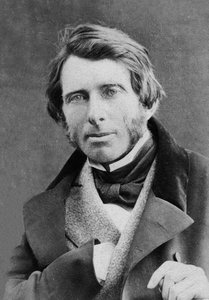
John Ruskin
1819 - 1900 , United Kingdom
Tietoa taiteilijasta
- Full Name: John Ruskin
- Nationality: British
- Date Of Birth: 1819
- Date Of Death: 1900
- Place Of Birth: London, United Kingdom
- Notable Artworks:
- Dawn, Coniston
- Fors Clavigera
- Artistic Movement Or Style: Victorian Art, Art Criticism
- Artists Who Influenced This Artist: ['J.M.W. Turner']
- Artists Or Movements Influenced By This Artist: ['Pre-Raphaelites']