


 Katso seinällä
 Lähetä
 Jaa
Jaa
 Tarkemmat tiedot
 Opas
Opas

 Lataa kuva
 Samanlaisia kohteita
 Röntgenkuvaus
 Diaesitys
 Tilastot
Fruit
 Oil On Canvas
- WallArt
- Impressionism
 1888
1888- 19th Century
 54.0 x 44.0 cm
 Metropolitanin museo
Admire Julian Alden Weir’s ‘Fruit’ (1888), a vibrant Impressionist still life featuring apples, oranges & grapes. Hand-painted reproduction – perfect for art lovers.
 Lue lisää
Julian Alden Weir (1852-1919): Yhdysvaltain merkittävä impressionisti, kuuluisa luontokuvistaan ja osallistunut ”Kymmenen” ryhmään. Tutustu hänen taiteeseensa Weir Farm -kansallispuistossa!
Giclée- ja taideprintit
Museolaatuisia giclée- tai kankaitaulun tulosteita nopealla tuotannolla ja joustavilla viimeistelyvaihtoehdoilla. ( Tilaa käsinmaalattu jäljennös Siirry digitaaliseen kuvaan)




P118B €10

P118H €10

P118W €10

P438Z €10

P508JH €12

P508YH €12

P805H €10

P805Z €10

P919BZ €10

P919G €10

P919XJ €10

P959ZH €10

P968JZ €12

W106C €8

W218G €10

W218JH €8

W218Y €10

W307PJ €10

W316G €10

W316PJ €8

W316Y €10

W398PJ €8

W4111J €10

W500HY €15

W500JH €15

W692G €12

W849H €8

W940BG €15

W953PJ €8




Vakiokoko
mittatilaustyö
CM
INCH
Valitse valmiista mitoistamme sellaiset, jotka vastaavat teoksen alkuperäisiä mittasuhteita.
Loading sizes...

leveys
korkeus
Voit syöttää omat mitat sopiaksesi tiettyyn kehykseen tai tilaan. Jos valittu koko ei vastaa alkuperäisen kuvan mittasuhteita, rajaamme teosta tai laajennamme kuvaa peilatulla tai yhtenäisellä reunalla. Digitaalinen mallikuva lähetetään hyväksyttäväksi ennen tuotannon aloittamista.
Huomaathan, että näytöllä näkyvä esikatselu ei vastaa lopullista rajausta tai laajennusta. Vain mallikuva näyttää lopullisen sommittelun tarkasti.
Vaikka räätälöityjä kokoja on saatavilla, suosittelemme valitsemaan mitat valmiista listasta alkuperäisten mittasuhteiden säilyttämiseksi.
Maailmanlaajuinen toimitus () 2 viikossa tavallisen 4–5 viikon sijaan. (10 lokakuu)

Ilmainen pikatoimitus ympäri maailman

Korkealaatuinen pellavakangas

Kattava kuljetusvakuutus

Tulliveron palautustakuu

Takuu täydellisestä värien vastaavuudesta

100 päivän palautusoikeus valmistusvirhetapauksissa

100% rahat takaisin -takuu

Määräalennus saatavilla
 Lasivaihtoehto on saatavilla vain alle 110 cm kokoisille teoksille

Fruit
Giclée- ja taideprintit
Replikaatin koko
-


Kokonaishinta
€ 59
Julian Alden Weir’s “Fruit”: A Still Life of Transient Beauty
Julian Alden Weir's 1888 painting, "Fruit," offers a captivating glimpse into the burgeoning world of American Impressionism. More than just a depiction of apples, oranges, and grapes arranged on a table, it’s a meditation on beauty, decay, and the fleeting nature of existence – a core tenet of the *vanitas* tradition prevalent in European art at the time. Weir, born in West Point, New York, inherited an artistic lineage deeply rooted in formal training, beginning with his father's instruction at the United States Military Academy, yet it was his immersion in Parisian ateliers and encounters with artists like Jean-Léon Gérôme that truly ignited his distinctive style. This painting represents a pivotal moment in Weir’s artistic journey – a deliberate shift away from the rigid academicism of his early years towards a more subjective and emotionally resonant approach to capturing the world around him.
The composition itself is deceptively simple, yet meticulously crafted. The arrangement of the fruit—the vibrant red of the apples, the sunny yellow of the oranges, and the deep purple of the grapes – draws the eye immediately. Notice how Weir doesn’t strive for photographic realism; instead, he employs loose brushstrokes and a muted palette, prioritizing atmosphere and light over precise detail. The table, rendered with subtle tonal variations, provides a grounding element, anchoring the vibrant fruits within a sense of quiet contemplation. This deliberate choice reflects the influence of artists like Edouard Manet, whom Weir admired and whose work encouraged him to explore more intimate still lifes that evoked the *vanitas* tradition – a reminder of mortality and the transience of earthly pleasures.
The Influence of *Vanitas* and the Symbolism of Decay
“Fruit” is deeply informed by the *vanitas* genre, a popular theme in Northern European art during the 16th and 17th centuries. *Vanitas* paintings typically featured symbolic objects – skulls, decaying fruit, extinguished candles – to remind viewers of the inevitability of death and the futility of worldly pursuits. While Weir’s work isn't overtly morbid, the inclusion of ripe fruit on the verge of decay subtly conveys this underlying theme. The slightly bruised apple, for instance, hints at the passage of time and the ephemeral nature of beauty. The grapes, plump and luscious, represent abundance and pleasure, but their proximity to the decaying elements suggests that even these joys are ultimately transient.
Beyond *vanitas*, individual fruits carry specific symbolic weight. Apples have long been associated with knowledge, temptation, and immortality in Western art. Oranges, introduced to Europe from the East, represented wealth and luxury. Grapes symbolize abundance, fertility, and joy. Weir’s careful selection of these elements creates a layered visual narrative, inviting viewers to contemplate not just the beauty of the fruit itself, but also its deeper meaning.
Technique and Artistic Style
Weir's masterful technique is evident in his skillful use of light and shadow. He employs broken color—applying small dabs of paint rather than blending them smoothly—to create a sense of luminosity and atmospheric depth. The brushstrokes are loose and expressive, capturing the texture of the fruit’s skin and the sheen of its surfaces. This approach aligns with the Impressionist movement's emphasis on capturing fleeting moments and subjective perceptions. The painting is executed in oil on canvas, a medium that allowed Weir to achieve rich colors and subtle tonal variations.
Interestingly, this period of Weir’s work – the 1880s – saw him moving away from his earlier academic style and embracing a more intimate and emotionally driven approach. His connection with artists like Edouard Manet during his time in Paris undoubtedly played a role in this transformation. The painting's quiet elegance and contemplative mood reflect Weir’s growing confidence as an artist, signaling a shift towards a distinctly American brand of Impressionism.
A Reproduction for Art Lovers
TopImpressionists is proud to offer a meticulously hand-painted reproduction of Julian Alden Weir’s “Fruit.” This isn't merely a print; it’s a faithful recreation of the original, capturing the artist’s delicate brushwork and evocative atmosphere. The 54 x 44 cm size makes this piece ideal for adding a touch of timeless beauty to any room – from a cozy study to a sophisticated dining area. The subtle color palette and nuanced details will bring a sense of serenity and contemplation to your space, reminding you of the fleeting nature of beauty and the importance of appreciating the present moment. Explore our collection today and bring home a piece of art history.
Kysymykset ja vastaukset
Mihin kohtaan taidehistoriaa Julian Alden Weir:n "Fruit" sijoittuu?
Julian Alden Weir:n "Fruit" kuuluu Impressionism-suuntaukseen 19th Century-aikakaudella. Yhdessä ne antavat teokselle sen paikan taidehistoriassa.
Kuinka vanha Julian Alden Weir oli, kun "Fruit" luotiin?
Julian Alden Weir loi teoksen "Fruit" ollessaan 36 vuotias. Taiteilija on syntynyt vuonna 1852 ja teos on ajoitettu vuodelle 1888.
Kuka on teoksen "Fruit" taiteilija?
Teos "Fruit" on yhdistetty Julian Alden Weir.
Kuinka suuri alkuperäinen "Fruit" on?
Teoksen Julian Alden Weir:n "Fruit" mitat ovat 54 x 44 cm. Vedoksia voi tilata muissa koossa säilyttäen samat mittasuhteet.
Ovatko teoksen Julian Alden Weir:n "Fruit" värit kylläisiä vai hillittyjä?
Teoksen Julian Alden Weir:n "Fruit" väreissä on Subtle Color kylläisyys. Kylläisyys kuvaa värien voimakkuutta tai himmeyttä.
Käyttääkö teos Julian Alden Weir:n "Fruit" voimakkaita kontrasteja vai pehmeitä harmonioita?
Teoksessa "Fruit" Bold kontrasti yhdistyy Strong Color Unity harmoniaan.
Minä vuonna teos Julian Alden Weir:n "Fruit" on luotu?
Teos Julian Alden Weir:n "Fruit" on valmistunut vuonna 1888.
Samankaltaisia teoksia


Taiteilijan elämäkerta
Early Life and Artistic Foundations
Julian Alden Weir, syntynyt elokuun 30 päivänä vuonna 1852 West Pointissa New Yorkissa, peri taiteellisen perinnön, joka muutti hänen polkunsa syvästi. Hänen isänsä, Robert Walter Weir, oli kunnioitettu maalaaja ja piirustuksen professori Yhdysvaltain armeijan akatemiassa, mikä istutti nuoren Julianin syvän arvostuksen taiteelle jo varhain. Kotona itsessään oli elävä studio, täynnä taiteen välineitä ja inspiraation lähteitä. Tämä hoivaava ympäristö ulottui myös hänen vanhempansa, John Ferguson Weirin, puoleen, joka myös tuli merkittäväksi maisema-taitelijaksi. Julianin ensimmäinen virallinen koulutus alkoi National Akademian of Designissa New York Cityssä noin vuonna 1870, tarjoten hänelle vankan pohjan perinteisille tekniikoille. Kuitenkin hänen matkansa Pariisiin vuonna 1873 sytytti todellisuudessa hänen taiteellisensa kehityksensä. Jean-Léon Géromen opetus École des Beaux-Artsissa tarjosi akateemista tiukkuutta ja huolellisuutta yksityiskohtiin, kun taas Jules Bastien-Lepagen kanssa solmitut ystävyyssuhteet laajensivat hänen näkemystään maalaamisen mahdollisuuksista. Aluksi Weir suhtautui voimakkaasti Impressionismin nousuun, hyläten sen havaittua puuttumista muodosta ja rakenteesta "hirveänä". Tämä varhainen vastustus osoittautui ratkaisevaksi, sillä hänen lopullinen hyväksyntänsä Impressionismille tuli asteittaisen ymmärryksen kautta.Connecticutin Vuodet ja Taiteellinen Muutos
Merkittävä käänne Weirin elämässä oli hänen avioliitonsa Anna Dwight Bakerin kanssa vuonna 1883 ja heidän seuraavaan siirtymisensä Branchvilleen, Connecticutiin. Hän osti tilan sieltä, etsien turvapaikkaa New York Cityn vilkkaalta taidemaailmalta. Tämä maaseudun ympäristö muuttui enemmän kuin vain pakopaikaksi; se oli inspiraation lähde. Rauhalliset maisemat, maatilan rytmit ja läheinen yhteys luontoon alkoivat hitaasti siirtää hänen taiteellista keskittymistään. Vaikka hän jatkoi alkujaan portretteja ja asetelmia perinteisessä tyylissä, Weir löysi itsensä kiinnostuneena vangitsemaan valon ja tunnelman hetkellisiä vaikutuksia. Noin vuonna 1891 tämä taipumus kukoisti täysin Impressionismin omaksumisen kautta. Vaikka hänen ystävänsä John Twachtman ja Theodore Robinson vaikuttivat häneen, Weir alkoi kokeilla hajottavia siveltimiä, eloisia väripaletteja ja subjektiivisen havainnon korostamista. Tämä ei ollut täydellistä hylkäämistä varhaisempaa koulutustaan; se oli perinteisen taitojen yhdistelmä uuden liikkeen innovatiiviselle hengelle. Hänen tyylinsä vaihteli usein puhtaasti Impressionistiseen ilmaisuun ja hillittyn tonalismiin, luoden ainutlaatuisen visuaalisen kielen, joka erotti hänet vastapuolistaan. Hän osoitti myös merkittävää lahjakkuutta kaiverruksessa, erityisesti taitavien aquatint-tekniikoiden avulla.Johtava Ääni Amerikan Taiteessa
1890-luvulla Julian Alden Weir oli vakiinnuttanut asemansa johtavana hahmona Amerikan taidesuunnassa. Hän oli keskeisessä roolissa "The Tenin" perustamisessa, pienessä ryhmässä itsenäisiä taiteilijoita, jotka pyrkivät esittämään työnsä perinteisten instituutioiden rajoitusten ulkopuolella. Tämä kollektiivi – mukaan lukien Childe Hassam, Willard Leroy Metcalf ja Edmund Tarbell – edusti merkittävää askelta taiteelliseen itsenäisyyteen ja auttoi muotoilemaan Amerikan maalaustyylin suuntaa. Vuonna 1912 Weir valittiin johtajaksi American Painters and Sculptors -yhdistykseen, vahvistaen entisestään hänen johtotehtäväänsä taiteellisen yhteisön sisällä. Myöhemmin hän toimi myös National Akademian presidenttinä, osoittaen kunnioitusta, jonka hän oli ansainnut sekä edistyksellisten että konservatiivisten ryhmittymien keskuudessa. Hänen avaimetöökseen – kuten *On the Shore* (1892), eloisa rannikkokuvitus; *New England Barnyard* (1904), viehättävä maaseudun elämän kuvaus ja *Upland Pasture* (1905) – esittävät hänen mestariteoksiaan Impressionististen tekniikoiden hallinnassa ja kyvyssä vangita Amerikan maisemien olemus.Perintö ja Kestävä Vaikutus
Julian Alden Weirin panokset ulottuvat paljon yksittäisten maalauksensa yli. Hänellä oli keskeinen rooli perinteisen akateemisen maalaustyylin ja uuden liikkeen innovatiivisen hengenvastaisuuden välittämisessä, luoden tien tuleville amerikkalaisille taiteilijoille. Hänen omistautumisensa taiteellisen itsenäisyyden edistämiselle "The Tenin" kautta haastoi vakiintuneet normit ja auttoi luomaan monipuolisemman taidesuunnauksen. Nykyään Weir Farm National Historic Site Branchvillessä, Connecticutissa, seisoo testamenttina hänen elämänsä ja työnsä puolesta. Sitä säilytetään sellaisena kuin se oli hänen aikanaan, tarjoten vierailla näkymän maailmaan, joka inspiroi häntä – pyöreät pellot, kuluneet tilat ja luonnon hiljainen kauneus. Paikka ei ole vain historiallinen maamerkki vaan myös jatkuva inspiraation lähde taiteilijoille tänään. Hänen perheensä taiteellinen perintö – hänen isänsä Robert Walter Weirin kautta, Hudson River School -maalari – vahvistaa entisestään Julian Alden Weirin paikkaa Amerikan taidesuunnitteluhistoriassa. Hän kuoli New Yorkissa 8. joulukuuta vuonna 1919 jättäen jälkeensä teoksen, joka vangitsee edelleen ja inspiroi meitä.
Julian Alden Weir
1852 - 1919 , Yhdysvallat
Tietoa taiteilijasta
- Artistic Movement Or Style: Impressionismi, Tonalismi
- Artists Or Movements Influenced By This Artist: ['The Ten American Painters']
- Artists Who Influenced This Artist:
- Jean-Léon Gérôme
- Jules Bastien-Lepage
- Date Of Birth: 30.8.1852
- Date Of Death: 8.12.1919
- Full Name: Julian Alden Weir
- Nationality: Amerikkalainen
- Notable Artworks:
- On the Shore
- Upland Pasture
- New England Barnyard
- Place Of Birth: West Point, USA
Aiheeseen liittyvät artikkelit

The Timeless Charm of Oil on Board: Reimagining Texture and Light through the Impressionist Lens
Discover the profound intimacy of oil on panel. Explore how Impressionist masters used rigid supports to capture light, texture, and impasto depth through exquisite, handmade oil reproductions for discerning collectors.

The Soul of Impressionism: Why Oil on Canvas Captures Eternal Light and Timeless Emotion
Discover the enchanting alchemy of Impressionism. Explore how the mastery of oil on canvas, through glazing and impasto, captures eternal light and emotion. Perfect for lovers of Monet and Van Gogh seeking the profound depth of hand-painted fine art.

Enchanting Strokes: Unveiling the Luminous Magic and Timeless Soul of Impressionist Masterpieces
Immerse yourself in the luminous beauty of Impressionism. TopImpressionists.com offers exquisite, hand-painted oil reproductions of masters like Monet and Van Gogh. From museum-quality landscapes to bespoke portraits from photos, we bring timeless artistry and soul to your collection.
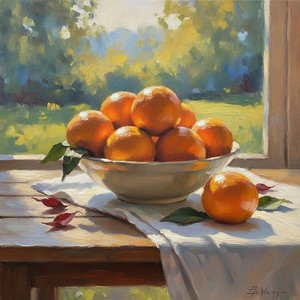
Sun-Drenched Citrus: The Vibrant Beauty of Oranges in Impressionist Masterpieces
Embark on a sensory journey through Impressionist masterpieces. Discover how Renoir and Cézanne captured the vibrant light and luscious textures of sun-drenched oranges in exquisite still life paintings designed to inspire and transform your home.

Moonlight Magic: Capturing the Luminous Glow of Impressionist Nightscapes
Discover the ethereal beauty of Impressionist nightscapes. Explore how masters like Monet and Van Gogh captured moonlight through luminous oil textures. Expert insights for collectors seeking museum-quality, handmade reproductions to transform their homes with timeless nocturnal magic.