Esikatselu
 Jaa teos
 Jaa
Jaa
 Tiedot
 Opas
Opas

 Lataa kuva
 Samanlaisia kohteita
 Röntgenkuvaus
 Diaesitys
 Kysymykset ja vastaukset
 Tilastot
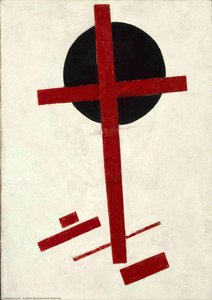
On the Boulevard 1


A striking Fauvist portrait of a man in a yellow jacket by Kazimir Malevich captures the vibrant energy of early 20th-century urban life and invites you to bring this bold piece of modern art history into your home.
 Lue lisää
Kazimir Malevitš (1879-1935): Ukrainan abstraktin taiteen pioneeri, tunnettu mustasta neliöstä ja puhdasta tunnetta korostavasta Suprematismista. Tutustu ikonisiin teoksiin!
Giclée- ja taideprintit
Museolaatuisia giclée- tai kankaitaulun tulosteita nopealla tuotannolla ja joustavilla viimeistelyvaihtoehdoilla. ( Osta käsinmaalattu taideteos Siirry digitaaliseen kuvaan)




P118B €10

P118H €10

P118W €10

P438Z €10

P508JH €12

P508YH €12

P805H €10

P805Z €10

P919BZ €10

P919G €10

P919XJ €10

P959ZH €10

P968JZ €12

W106C €8

W218G €10

W218JH €8

W218Y €10

W307PJ €10

W316G €10

W316PJ €8

W316Y €10

W398PJ €8

W4111J €10

W500HY €15

W500JH €15

W692G €12

W849H €8

W940BG €15

W953PJ €8




Vakiokoko
räätälöity
CM
INCH
Valitse valmiista mitoistamme sellaiset, jotka vastaavat teoksen alkuperäisiä mittasuhteita.
Loading sizes...

leveys
korkeus
Syötä tarvitsemasi leveys ja korkeus, jotta tuloste sopii kehyksiisi tai seinällesi. Tulostetta voidaan vain leikata, sitä ei voida koskaan suurentaa alkuperäistä kuvaa suuremmaksi, joten eri muotoinen koko aiheuttaa osan kuvasta katoamisen. Lähetämme sinulle digitaalisen mallikuvan hyväksyttäväksi ennen kuin aloitamme tulostuksen. Tällä sivulla näkyvä kuva ei näytä lopullista rajausta — vain mallikuva näyttää sen.
Maailmanlaajuinen toimitus () 2 viikossa tavallisen 4–5 viikon sijaan. (4 marraskuu)

Ilmainen pikatoimitus ympäri maailman

Korkealaatuinen pellavakangas

Kattava kuljetusvakuutus

Tulliveron palautustakuu

Takuu täydellisestä värien vastaavuudesta

100 päivän palautusoikeus (vain valmistusvirheet)

100% rahat takaisin -takuu

Määräalennus tarjolla
 Lasivaihtoehto on saatavilla vain alle 110 cm kokoisille teoksille

On the Boulevard 1
Giclée- ja taideprintit
Replikaatin koko
-


Kokonaishinta
€ 62
A Fragmented Gaze: The Vibrant Soul of On the Boulevard
In the bustling transition between the nineteenth and twentieth centuries, few artists captured the electric tension of modernity quite like Kazimir Malevich. His masterpiece, On the Boulevard, serves as a breathtaking window into an era defined by radical change and the breaking of traditional boundaries. At first glance, the viewer is met with a striking portrait of a gentleman, seated with a quiet, contemplative gravity upon a park bench. Dressed in a vivid yellow jacket that commands immediate attention, his presence is anchored by the bold contrast of red gloves, creating a focal point that feels both intimate and monumental. Yet, as one lingers on the canvas, the scene begins to dissolve and reform; the man is not merely a subject in a landscape, but a central figure within a complex, geometric dance of color and form.
The technique employed here is a masterful dialogue between Fauvism and the burgeoning language of Cubism. Malevich does not seek to replicate the photographic reality of a Parisian or Russian street scene; instead, he utilizes fragmented planes and a daringly saturated palette to evoke the sensory experience of urban life. The brushwork, though controlled, possesses an energetic texture that breathes life into the composition. By deconstructing the environment into essential shapes—squares, rectangles, and sweeping curves—Malevich invites the collector to look beyond the surface. This approach transforms a simple moment of repose into a profound exploration of how light, color, and structure intersect to create our perception of reality.
The Intersection of Tradition and Avant-Garde
To understand On the Boulevard is to understand the heartbeat of the Russian avant-garde. Created during a period when Malevich was experimenting with various European influences, the painting acts as a bridge between the representational traditions of the past and the pure abstraction of his later Suprematist period. The presence of secondary figures in the background—subtly integrated into the rhythmic patterns of the composition—adds a layer of narrative depth, suggesting the collective pulse of a society in motion. There is a deliberate tension here: the subject’s stillness contrasts sharply with the dynamic, almost aggressive, application of color, mirroring the psychological state of an era caught between old-world stability and new-world chaos.
For the discerning interior designer or art enthusiast, this piece offers more than mere decoration; it provides a sophisticated focal point that stimulates intellectual curiosity. The bold interplay of primary hues—the sun-drenched yellow and the passionate red—makes it an ideal centerpiece for modern, minimalist, or eclectic spaces. A high-quality reproduction of this work allows the heavy textures and emotive power of Malevich’s vision to inhabit a contemporary home, bringing with it a sense of historical weight and artistic rebellion. It is an invitation to dwell within a moment of fragmented beauty, where every stroke tells a story of a world being reimagined.
Kysymykset ja vastaukset
Mistä voin ladata teoksen Kazimir Malevitš:n "On the Boulevard 1"?
Teoksen Kazimir Malevitš:n "On the Boulevard 1" digitaalisen kuvan voi ladata muodossa korkearesoluutioinen digitaalinen kuvalataus teoksen Lataa digitaalinen kuva -sivulta.
Minkälaisen tunnelman Kazimir Malevitš:n "On the Boulevard 1" välittää?
Kazimir Malevitš:n "On the Boulevard 1" välittää Reflective tunnelman.
Millä tekniikalla "On the Boulevard 1" on tehty?
Teoksen Kazimir Malevitš:n "On the Boulevard 1" tekniikka on Acrylic On Canvas. Vedosten tavoitteena on jäljitellä tämän tekniikan ulkoasua.


Taiteilijan elämäkerta
Kazimir Malevitš: Abstraktin taiteen pioneeri
Varhaiset vuodet ja vaikutteet
- Syntynyt Ukrainan Kiovan alueelle vuonna 1878 puolalaiseen perheeseen, Kazimir Severinovitš Malevitšin varhaisvuosia muovasi ukrainalainen maaseutumaisema ja sen rikas kansanperinne.
- Hänen kasvatuksensa herätti hänessä arvostusta perinteisiä taiteellisia ilmaisumuotoja kohtaan, mikä vaikutti hienovaraisesti myös hänen myöhempään tuotantoonsa.
- Muodollinen koulutus alkoi Kiovassa, mutta Malevitš etsi nopeasti laajempia taiteellisia horisontteja siirtyen kohti Moskovaa ja lopulta kytkeytyen Euroopan nouseviin avantgarde-liikkeisiin.
- Keskeiset vaikutteet: Varhainen altistuminen kansantaiteelle, yhdistettynä haluun moderniin ilmaisuun, loi perustan hänen ainutlaatuiselle tyylilleen.
Taiteellinen kehitys ja keskeiset suuntaukset
- Aluksi Malevitš tutki useita eri tyylejä, kuten impressionismia, symbolismia, fauvismia ja kubismia. Ratkaiseva matka Pariisiin vuonna 1912 esitteli hänet eurooppalaisen taiteen uusimmille kehitysvaiheille.
- Hän siirtyi vähitellen pois esittävistä muodoista etsien puhtaasti taiteellista kieltä, joka perustui geometrisiin muotoihin ja väriin.
- Tämä johti suprematismin kehittymiseen vuoden 1915 tienoilla – abstraktiksi liikkeeksi, joka keskittyi taiteen ”puhtaan tunteen ylivertaisuuteen”.
- Suprematismi hylkäsi kaiken pyrkimyksen kuvata näkyvän maailman esineitä ja priorisoi sen sijaan perusmuotoja, kuten neliöitä, ympyröitä ja suorakulmioita.
- Musta neliö (1915): Kenties hänen kuuluisin teoksensa, joka edustaa radikaalia eroa perinteiseen taiteeseen ja sitä pidetään abstraktin maalaustaiteen perustavanlaatuisena teoksena.
- Valkoinen valkoisella (1918): Sarja, joka tutkii muodon ja värin puhtautta esittäen valkoisia geometrisia muotoja valkoisella taustalla – työ, joka työntää abstraktion äärirajoilleen.
- Stroyuschiysya dom [Rakenteilla oleva talo] (1916): Varhainen esimerkki suprematismista, joka näyttää hänen ainutlaatuisen näkökulmansa ukrainalaiseen kulttuuriin abstraktien muotojen kautta.
- Hän kirjoitti myös laajasti taide teoriasta, artikuloiden suprematismin takana olevia filosofisia periaatteita ja puolustaen uudenlaista taiteellista tietoisuutta.
Historiallinen merkitys ja perintö
- Malevitšin työ vaikutti syvästi 20th-vuosisadan abstraktin taiteen kehitykseen ja vaikutti liikkeisiin kuten minimalismiin ja konstruktivismiin.
- Hän haastoi perinteiset käsitykset esittävyydestä ja raivasi tietä ei-objektiiviselle taiteelle.
- Hänen ideansa puhtaasta tunteesta ja geometrisesta abstraktiosta resonoivat taiteilijoiden keskuudessa vielä tänäkin päivänä.
- Vaikka hän kohtasi poliittista vainoa Stalinin kaudella – aluksi tuettuna, myöhemmin tukahdutettuna – Malevitš jatkoi vakaasti taiteellisessa työssään ja opettamisessa.
- Vaikutus myöhempiin taiteilijoihin: Hän vaikutti suoraan taiteilijoihin, kuten El Lissitzkyyn, ja muovasi epäsuorasti lukemattomia muita suprematismin pysyvän perinnön kautta.
Myöhemmät vuodet ja kuolema
- Myöhemmällä iällään Malevitš palasi figuratiiviseen maalaukseen yrittäen yhdistää abstraktit periaatteensa esittäviin muotoihin.
- Hän jatkoi opettamista ja taiteen kirjoittamista kuolemaansa saakka Leningradissa (nykyinen Pietari) vuonna 1935.
- Hänen työnsä pysyi suhteellisen tuntemattomana vuosikymmeniä hänen kuolemansa jälkeen, mutta koki uuden nousun 20. vuosisadan jälkipuoliskolla, vakiinnuttaen hänen paikkansa yhtenä modernin taidehistorian tärkeimmistä hahmoista.

Kazimir Malevitš
1878 - 1935 , Ukraina
Pähkinänkuoressa
- Artistic Movement Or Style: Suprematistinen taide
- Artists Or Movements Influenced By This Artist:
- Kubismi
- Nuoruuden liitto
- Artists Who Influenced This Artist:
- Impressionismi
- Fauvismi
- Date Of Birth: 1879
- Date Of Death: 1935
- Full Name: Kazimir Severinovitš Malevitš
- Nationality: Ukrainalainen/Venäläinen
- Notable Artworks:
- Musta neliö
- Valkoinen valkoinen
- Place Of Birth: Kiova, Ukraina
Aiheeseen liittyvät artikkelit

Crimson Threads of Narrative: Exploring Symbolism & Representation in Artworks Featuring the Red Dress
Explore the rich symbolism of the red dress in art history! From ancient power displays to iconic portraits like Cézanne’s 'Madame Cezanne', discover the cultural and artistic significance behind this captivating color. Expert analysis & insights.
Keltaokran sävyjen mestariteoksia: 10 kuuluisinta maalausta kotiisi
Tutustu 10 kuuluisimpaan maalaukseen, joita hallitsee keltaokran sävy! Van Goghista Rembrandtiin – taiteen historiaa ja inspiraatiota sisustukseesi. Laadukkaat öljyvärimaalauksien kopiot TopImpressionists.comissa. Tutki kokoelma verkossa!
Kymmenen mestariteosta: Kromikeltainen sävy taidemaalauksissa – TopImpressionists.com
Tutustu 10 tunnetuimpaan kromikeltaisen sävyn taidemaalaukseen! Van Goghin, Monetin ja Picasson mestariteoksia – tarinat, tekniikat & inspiraatio sisustukseen. Laadukkaat taidevedokset TopImpressionists.com:ssa. Tutki kokoelma verkossa!

Mark Rothkon 25 mestariteosta: Värien syvyydessä – Taidetta kotiisi TopImpressionistsilta
Tutustu Mark Rothkon 25 mestariteokseen ja syvälliseen maailmaan abstraktin ekspressionismin parissa. Löydä tunteelliset väritaulut, taidehistorian helmet ja inspiraatiota kotiisi TopImpressionistsilta. Tutki kokoelma verkossa!

Geometrisen abstraktion mestariteokset: Taidetta kotiin TopImpressionistsilta
Tutustu geometrisen abstraktion 10 mestariteokseen! Piet Mondrian, Kandinsky ja muut taiteilijat muovasivat modernin taiteen historiaa. Löydä inspiraatiota kotiisi TopImpressionistsilta – laadukkaat taideprintit ja sisustusehdotukset odottavat. Tutki kokoelma verkossa!
Tutustu teoksiin, jotka on järjestetty aiheiden, tyylien ja ominaisuuksien mukaan.