


 Esikatselu
 Jaa teos
 Jaa
Jaa
 Tiedot
 Opas
Opas

 Lataa kuva
 Samanlaisia kohteita
 Röntgenkuvaus
 Diaesitys
 Tilastot
Kirjoituspöytä
 Akryyli kankaalle
- Seinätaide
- Baroque
 1730
1730 131.0 x 83.0 cm
 Venarian palatsi
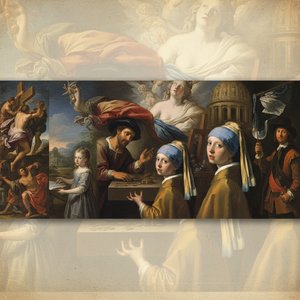
Luigi Prinoton vaikuttava 'Kirjoituspöytä'-maalaus tuo esiin Barokin aikaisen ympäristön ja yksityiskohtaisen henkilöhahmottelun. Tutustu täydelliseen käsinmaalattuun jälleenpainaukseen italialaisesta mestariteoksesta.
 Lue lisää
An influential figure of the Baroque era, Luigi Prinotto mastered the art of intricate inlay and luminous painting through iconic works like Scrivania, inviting you to discover the exquisite craftsmanship of his Turin legacy.
Giclée- ja taideprintit
Museolaatuisia giclée- tai kankaitaulun tulosteita nopealla tuotannolla ja joustavilla viimeistelyvaihtoehdoilla. ( Osta käsinmaalattu taideteos Siirry digitaaliseen kuvaan)




P118B €10

P118H €10

P118W €10

P438Z €10

P508JH €12

P508YH €12

P805H €10

P805Z €10

P919BZ €10

P919G €10

P919XJ €10

P959ZH €10

P968JZ €12

W106C €8

W218G €10

W218JH €8

W218Y €10

W307PJ €10

W316G €10

W316PJ €8

W316Y €10

W398PJ €8

W4111J €10

W500HY €15

W500JH €15

W692G €12

W849H €8

W940BG €15

W953PJ €8




Vakiokoko
räätälöity
CM
INCH
Valitse valmiista mitoistamme sellaiset, jotka vastaavat teoksen alkuperäisiä mittasuhteita.
Loading sizes...

leveys
korkeus
Syötä tarvitsemasi leveys ja korkeus, jotta tuloste sopii kehyksiisi tai seinällesi. Tulostetta voidaan vain leikata, sitä ei voida koskaan suurentaa alkuperäistä kuvaa suuremmaksi, joten eri muotoinen koko aiheuttaa osan kuvasta katoamisen. Lähetämme sinulle digitaalisen mallikuvan hyväksyttäväksi ennen kuin aloitamme tulostuksen. Tällä sivulla näkyvä kuva ei näytä lopullista rajausta — vain mallikuva näyttää sen.
Maailmanlaajuinen toimitus () 2 viikossa tavallisen 4–5 viikon sijaan. (28 lokakuu)

Ilmainen pikatoimitus ympäri maailman

Korkealaatuinen pellavakangas

Kattava kuljetusvakuutus

Tulliveron palautustakuu

Takuu täydellisestä värien vastaavuudesta

100 päivän palautusoikeus (vain valmistusvirheet)

100% rahat takaisin -takuu

Määräalennus tarjolla
 Lasivaihtoehto on saatavilla vain alle 110 cm kokoisille teoksille

Kirjoituspöytä
Giclée- ja taideprintit
Replikaatin koko
-


Kokonaishinta
€ 61
Luigi Prinotton Scrivania – Näkymä toimistoon ja elefantiiniin
Luigi Prinotto, italialainen taiteilija vuosilta 1685–1780, oli todellinen aikansa ihminen, jonka työ vei hänet sekä Pariisin Mannerismiin että Rooman Barokkiin. Hänen elämänsä tarina on yhtä kiehtova kuin hänen maalauksensa – tässä tapauksessa "Scrivania", eli toimistoon ja elefantiiniin katsova näkymä, joka tuo mukanaan oman erityisen tunnelman. Tämä noin vuoden 1730 valmistunut teos ei ole pelkästään yksinkertainen pöydän kuva; se on koko aikansa hengessä maalattu monumentti, jonka tarkoituksena oli vangita tiettynä ajankohtana Rooman San Luigi dei Francesin museoissa nähty maailma. Prinotto aloitti taiteilijan uransa Simon Vouetin johdolla Pariisissa, jossa hän oppi mestarilta Manneristisen maalauksen erityisiä tekniikoita – erityisesti valon ja varjon käyttöä, joka oli tuohon aikaan keskeinen tapa ilmaista tunteet ja luoda syvyyttä kuvaan. Tämä koulutus oli kuitenkin vain alkua suuremmalle matkalle Roomaan, jossa hän jatkoi opiskeluaan suurten mestarien hengessä ja kopioi huolellisesti Jacopo Bassanon sekä muiden aikansa suurten taiteilijoiden töitä. Hän omaksui täysin niiden tyylin ja menetelmät, mikä näkyy myös "Scrivania"-maalauksessa. Maalauksen tekninen toteutus on erityisen vaikuttava. Prinotto käytti öljyvärejä tarkkaan harkitusti luoden realistisen mutta samalla tunteellisen kuvan toimistoympäristöstä. Elefantin läsnäolo oikeassa reunassa ei ole sattumanvaraista; elefantti oli tuohon aikaan Rooman ympäristössä yleinen näky ja kuvasi sekä yksilön että yhteiskunnan asemaa. Lisäksi elefantiinin kuva voi symboloida voimaa, tietoisuutta ja jopa mystistä yhteyttä maailmaan – elementtejä jotka ovat olleet keskeisiä Barokin taiteessa. Prinotto oli yksi Rooman suurimmista kouluttajista ja hänen työnsä vaikutti merkittävästi nuorempiin taiteilijoihin, jotka jatkoivat hänen perinnettään. "Scrivania"-maalauksen värimaailma on täynnä lämpimiä sävyjä – kullanruskeaa, keskivertobeigea ja tummaa vihreää – jotka luovat kodikkaan tunnelman ja korostavat toimiston yksityiskohtia. Valon käyttö tuo esiin pöydän pinnalla olevat varjot ja tuo kuvaan syvyyttä sekä dramaattista ilmapiiriä. Tämä huolellinen valon ja värin käyttö on tyypillistä Barokille, jonka taiteilijat pyrkivät luomaan vaikutelman liikkeestä ja dynamiikasta sekä välittämään tunteet katsojalle. Jos etsit inspiraatiota tai harkitset korkealaatuista reproduktiota tästä mestariteoksesta, Luigi Prinotton "Scrivania" tuo mukanaan oman erityisen aikansa tunnelman ja tarjoaa mahdollisuuden nauttia Barokin kauneudesta ja yksityiskohtaisuudesta. Tämä työ on todiste siitä, että taide voi vangita tietyn ajan henkeä ja säilyttää sen tuleville sukupolville.Kysymykset ja vastaukset
Millä tekniikalla "Kirjoituspöytä" on tehty?
Luigi Prinotto käytti teoksessa "Kirjoituspöytä" Akryyli kankaalle-tekniikkaa. Tekniikka määrittelee alkuperäisen teoksen materiaalisen luonteen.
Miten voin esikatsella teoksen Luigi Prinotto:n "Kirjoituspöytä" reproduktiota?
Voit esikatsella teosta Luigi Prinotto:n "Kirjoituspöytä" sivulla Esikatselu tilassa.
Milloin "Kirjoituspöytä" on luotu ja mihin taidesuuntaukseen se kuuluu?
"Kirjoituspöytä" on luotu vuonna 1730 Baroque-suuntauksen teoksena. Teoksen valmistumisvuosi ja tyylisuunta ankkuroivat sen taidehistoriaan.
Taiteilijan elämäkerta
The Master of Marquetry and Woodwork
While history often reserves its brightest spotlights for the painters of the Baroque era, the legacy of Luigi Prinotto offers a profound window into the exquisite craftsmanship of Turin. Born in 1685, Prinotto was not primarily a painter, but rather an exceptionally skilled ebanista (cabinetmaker) and intarsiatore (marquetry artist). His life's work was defined by the meticulous manipulation of rare woods and ivory to create furniture that served as much as fine art as it did functional luxury. Operating within the vibrant artistic landscape of Italy, his hands transformed dense materials into delicate narratives of light and shadow.Artistic Development and Roman Influence
Prinotto’s creative journey was deeply intertwined with the shifting aesthetic tides of the early modern period. His mastery of intarsio—the art of inlaying different materials to create intricate patterns—required a level of precision that mirrored the complexity of the era's greatest painters. During his career, which flourished between 1712 and 1780, he became renowned for producing pieces characterized by a refined wisdom and a sense of sumptuous elegance. His work often adhered to established traditions while simultaneously embracing the decorative splendor required by the high courts of the time. The influence of broader artistic movements is palpable in the themes he chose for his wood inlays. Though his medium was wood and ivory, his compositions often echoed the dramatic spirit of the Baroque. He possessed a remarkable ability to execute fine details on even the smallest scales, creating miniature worlds within the grain of the timber. His reputation grew to such an extent that by 1721, he had earned the esteemed appreciation of the royal court, a testament to his ability to marry technical rigor with aesthetic grace.Legacy and Royal Patronage
The significance of Prinotto’s work is most clearly seen in the prestigious collections where his pieces reside today, such as the Royal Palace of Venaria. His craftsmanship was so highly regarded that he was able to secure significant commissions for the nobility, including works featuring complex scenes of festivities, hunting, and pastoral life. These pieces often utilized rare woods like rosewood and ebony, layered with ivory to create a luminous effect that mimicked the depth found in contemporary oil paintings. His contributions to the decorative arts of Turin left an indelible mark on the history of Italian craftsmanship. Through his ability to weave complex imagery into the very fabric of furniture, Prinotto ensured that the artistry of the ebanista would be remembered alongside the great visual masters of his age. His work remains a vital link to the sophisticated domestic and courtly life of the eighteenth century, embodying an era where utility and high art were seamlessly entwined.
Luigi Prinotto
1685 - 1780 , Italy
Pähkinänkuoressa
- Artistic Movement Or Style: Baroque
- Artists Who Influenced This Artist:
- Simon Vouet
- Correggio
- Parmigianino
- Caravaggio
- Bernini
- Full Name: Luigi Prinotto
- Nationality: Italian
- Notable Artworks: ['Scrivania']
- Place Of Birth: Turin, Italy
- Date Of Birth: 1685
- Date Of Death: 1780
Aiheeseen liittyvät artikkelit
Barokin mestariteokset: Taidetta ja loistoa kotiisi – TopImpressionists.com
Uppoudu barokin loistokkuuteen! Tutustu Caravaggion, Rembrandtin ja Vermeerin kaltaisten mestareiden tunnetuimpiin teoksiin. Taidehistoriaa kotiisi – löydä upeat taidetulosteet ja canvas-taulut TopImpressionists.comista.

The Visceral Stage: Exploring Dramatic Narratives & Emotional Intensity in Baroque Art
Explore the dramatic world of Baroque art! Discover iconic masters like Caravaggio & Rembrandt, their techniques, and the movement's lasting impact. Expert insights for collectors & enthusiasts at TopImpressionists.

Baroque Classicism: The Grandeur of Order and Drama in 17th-Century Art History
Explore the profound elegance of Baroque Classicism. Discover how 17th-century masters synthesized dramatic emotion with classical order through the lens of the Counter-Reformation and the works of legends like Carlo Maratta and Andrea Sacchi.

Simon Vouet: A Baroque Master's Journey from Italian Influence to French Classicism
Explore the life & art of Simon Vouet, a pivotal French Baroque painter who introduced Italian styles to France. Discover his masterpieces and lasting influence on 17th-century art.

Barokin loisto: Kuinka tuoda ylellisyyttä ja tunnetta nykyaikaiseen sisustukseen
Tutustu barokki sisustuksen loistoon! Opi luomaan ylellistä ja tunnelmallista kotia historiallisen tyylin inspiroimana. Vinkkejä, esimerkkejä ja in apua.
Tutustu teoksiin, jotka on järjestetty aiheiden, tyylien ja ominaisuuksien mukaan.
