


 Katso seinällä
 Lähetä
 Jaa
Jaa
 Tarkemmat tiedot
 Opas
Opas

 Lataa kuva
 Samanlaisia kohteita
 Röntgenkuvaus
 Diaesitys
 Tilastot
Carnival in Arcueil


Lyonel Feininger's "Carnival in Arcueil" (1911) bursts with Expressionist energy! Witness vibrant colors, dynamic figures, and a captivating Parisian carnival scene – a masterpiece by a pioneering artist.
 Lue lisää
Tutustu Lyonel Feiningeriin (1871–1956), saksalais-amerikkalaiseen ekspressionistiin ja Bauhausin mestariin! Näe hänen ainutlaatuinen tyylinsä kubismin, lasimaalauksen estetiikan ja arkkitehtuurin teemoilla.
Giclée- ja taideprintit
Museolaatuisia giclée- tai kankaitaulun tulosteita nopealla tuotannolla ja joustavilla viimeistelyvaihtoehdoilla. ( Tilaa käsinmaalattu jäljennös Siirry digitaaliseen kuvaan)




P118B €10

P118H €10

P118W €10

P438Z €10

P508JH €12

P508YH €12

P805H €10

P805Z €10

P919BZ €10

P919G €10

P919XJ €10

P959ZH €10

P968JZ €12

W106C €8

W218G €10

W218JH €8

W218Y €10

W307PJ €10

W316G €10

W316PJ €8

W316Y €10

W398PJ €8

W4111J €10

W500HY €15

W500JH €15

W692G €12

W849H €8

W940BG €15

W953PJ €8




Vakiokoko
mittatilaustyö
CM
INCH
Valitse valmiista mitoistamme sellaiset, jotka vastaavat teoksen alkuperäisiä mittasuhteita.
Loading sizes...

leveys
korkeus
Kirjoita tarvitsemasi leveys ja korkeus, jotta tuloste sopii kehyskokoon tai seinällesi. Tulostetta voidaan vain leikata, sitä ei voi koskaan tehdä suuremmaksi kuin alkuperäinen kuva, joten eri muotoinen koko aiheuttaa osan kuvasta katoamisen. Lähetämme sinulle digitaalisen mallikuvan hyväksyttäväksi ennen kuin aloitamme tulostuksen. Tällä sivulla näkyvä kuva ei näytä lopullista leikkausta — vain mallikuva näyttää sen.
Maailmanlaajuinen toimitus () 2 viikossa tavallisen 4–5 viikon sijaan. (21 lokakuu)

Ilmainen pikatoimitus ympäri maailman

Korkealaatuinen pellavakangas

Kattava kuljetusvakuutus

Tulliveron palautustakuu

Takuu täydellisestä värien vastaavuudesta

100 päivän palautusoikeus valmistusvirhetapauksissa

100% rahat takaisin -takuu

Määräalennus saatavilla
 Lasivaihtoehto on saatavilla vain alle 110 cm kokoisille teoksille

Carnival in Arcueil
Giclée- ja taideprintit
Replikaatin koko
-


Kokonaishinta
€ 60
A Burst of Joy: Lyonel Feininger’s “Carnival in Arcueil”
Lyonel Feininger's "Carnival in Arcueil," painted in 1911, isn’t merely a depiction of a festive street scene; it’s a vibrant distillation of Expressionist energy and a testament to the artist’s unique ability to imbue everyday life with an extraordinary sense of movement and emotion. Housed within the Art Institute of Chicago, this oil on canvas transports us to the heart of a Parisian carnival, capturing not just the visual spectacle but also the palpable excitement and slightly surreal atmosphere that defines the moment. Feininger, a German-American painter deeply rooted in both European artistic traditions and American popular culture, masterfully blends elements of Cubism with the passionate intensity of Expressionism, creating an image that is both familiar and strikingly original.
The painting immediately draws the eye to its central figure: a man in black, balancing precariously on one leg while juggling three balls. This dynamic pose isn’t simply illustrative; it embodies the spirit of the carnival itself – a celebration of skill, daring, and joyful abandon. Surrounding him is a throng of figures, rendered with a remarkable degree of detail despite the overall impression of movement. They are not portraits in the traditional sense, but rather archetypes of carnival revelers—a mix of faces, costumes, and gestures that collectively contribute to the painting’s lively energy. The artist's use of color is particularly noteworthy; bold yellows, reds, blues, and greens dominate the palette, creating a dazzling visual effect that mirrors the vibrancy of the event itself.
The Architectural Backdrop: Bridges and Parisian Identity
Beyond the figures, it’s crucial to consider the setting – two prominent bridges that frame the scene. These aren't merely architectural elements; they are integral to the painting’s narrative. Arcueil, a town just south of Paris, was a frequent subject for Feininger, and these bridges became recurring motifs in his work. They represent not only the physical connection between different parts of the city but also a sense of Parisian identity—a blend of urban dynamism and historical heritage. The bridges’ solid forms provide a grounding element to the swirling chaos of the carnival, anchoring the scene within a recognizable, yet subtly stylized, reality.
Feininger's fascination with architecture is evident throughout his oeuvre, reflecting a broader interest in geometric form and spatial relationships. He often depicted buildings not as static objects but as dynamic forces shaping the urban landscape. In “Carnival in Arcueil,” the bridges serve as both structural supports and visual anchors, guiding the viewer’s eye through the composition and contributing to the painting's overall sense of depth and movement.
Expressionist Techniques: Color, Form, and Emotion
The painting’s distinctive style is firmly rooted in Expressionism—a movement that sought to convey subjective emotions rather than objective reality. Feininger achieves this through a number of key techniques. His use of flattened perspective and fragmented forms creates a sense of disorientation and immediacy, as if the viewer is swept up in the carnival's frenetic energy. The colors are applied with thick impasto—a technique that adds texture and physicality to the surface of the canvas—further enhancing the painting’s emotional impact.
Furthermore, Feininger employs a masterful use of color theory. He utilizes contrasting hues to heighten visual interest and create a sense of dynamism. The vibrant yellows and reds of the carnival scene are juxtaposed with cooler blues and greens in the background, generating a powerful visual tension. This interplay of colors not only captures the sensory experience of the carnival but also reflects the artist’s own emotional response to it—a mixture of excitement, wonder, and perhaps even a touch of melancholy.
A Legacy of Modernity: Feininger's Place in Art History
“Carnival in Arcueil” stands as a pivotal work in Lyonel Feininger’s career and a significant example of early 20th-century art. His exploration of urban life, combined with his innovative use of color and form, foreshadowed many of the developments that would characterize modernism. The painting's influence can be seen in the works of later Expressionist artists such as Max Beckmann and Emil Nolde, while its stylistic elements also resonate with the Cubist explorations of Picasso and Braque.
Today, “Carnival in Arcueil” continues to captivate viewers with its vibrant energy and emotional depth. It’s a reminder of the power of art to capture not just what we see but also what we feel—a celebration of joy, movement, and the enduring spirit of human connection.
Kysymykset ja vastaukset
Mikä koko "Carnival in Arcueil"-teokselle suositellaan Living Room-tilaan?
Suositeltu tulostuskoko teokselle Lyonel Feininger:n "Carnival in Arcueil" on Medium tilaan Living Room.
Onko "Carnival in Arcueil" tyypillinen esimerkki siitä, mitä Lyonel Feininger yleensä loi?
"Carnival in Arcueil" esittää aiheita carnival, arcueil, feininger, expressionism, bridge, figures, joy, celebration, kun taas Lyonel Feininger tunnetaan teemoistaan german expressionism, vibrant colors, post-impressionist, architectural focus, urban life, festive scenes, feininger's exploration of joy, bridging art and caricature. Näiden kahden vertaaminen osoittaa, miten teos liittyy taiteilijan tavallisiin aiheisiin.
Mitä aihetta ja tunnelmaa Lyonel Feininger:n "Carnival in Arcueil" yhdistää?
Lyonel Feininger:n "Carnival in Arcueil" esittää aiheita carnival, arcueil, feininger, expressionism, bridge, figures, joy, celebration Dramatic tunnelmassa. Aihe ja ilmapiiri kuvaavat teosta yhdessä.
Taiteilijan elämäkerta
Nuoruus ja ura: Karikatyyrististä kuvataiteilijaksi
- Syntymä ja perhe: Lyonel Charles Adrian Feininger syntyi 17. heinäkuuta 1871 New Yorkiin. Hänen isänsä, Karl Feininger, oli saksalais-amerikkalainen viulisti ja säveltäjä, kun taas hänen äitinsä, Elizabeth Feininger, oli yhdysvaltalainen laulaja. Tämä taiteellinen perintö vaikutti syvästi hänen varhaiseen kehitykseen.
- Varhainen koulutus ja Euroopan-matkat: Vuonna 1887, vain 16-vuotiaana, Feininger matkusti Eurooppaan opiskelemaan musiikkia, mutta siirsi pian huomionsa taiteeseen. Hän opiskeli piirtämistä Hampurissa ja Berliinissä.
- Kaupallisen taiteen ura: Vuodesta 1894 alkaen Feininger rakensi menestyvän uran karikatyyristinä useisiin saksalaisiin, ranskalaisiin ja amerikkalaisiin lehtiin. Hänen sarjakuvaansa, kuten ”The Kin-der-Kids” ja ”Wee Willie Winkie's World”, saivat huomattavaa suosiota ja esittivät hänen ainutlaatuisen graafisen tyylinsä.
- Siirtymä kuvataiteeseen: 20 vuotta kestäneen kaupallisen taiteen jakson jälkeen Feininger siirtyi kuvataiteen pariin 36-vuotiaana. Tämä merkitsi merkittävää käännekohtaa hänen taiteellisessa matkassaan.
Ekspressionismi ja Bauhaus-vaikutus
- Liittyminen ekspressionistisiin ryhmiin: Feiningerista tuli yksi ekspressionismin johtavista edustajista, kun hän liittyi vaikutusvaltaisiin ryhmiä, kuten Die Brücke, Novembergruppe ja Gruppe 1919. Hänen työnsä tältä ajalta heijasti liikkeen painotusta emotionaaliseen ilmaisuun ja subjektiiviseen kokemukseen.
- Ensimmäinen näyttely: Hänen ensimmäinen yksityisnäyttelynsä Berliinin Sturm-galleriassa (1917) oli käänteentekevä hetki, joka vakiinnutti hänen asemansa merkittävänä hahmona taidemaailmassa.
- Bauhaus-mestarina: Vuonna 1919 Walter Gropius nimitti Feiningerin Bauhausin ensimmäiseksi tiedekunnan jäseneksi, tässä mullistavassa taide- ja muotoilukoulussa. Hän toimi mestarina, joka vastasi grafiikan työpajasta, vaikuttaen merkittävästi lukemattomiin opiskelijoihin.
- Taiteellinen tyyli: Hänen teoksilleen oli ominaista prismamaisesti rikkoutuneet muodot, läpikuultavat värit sekä viittaukset arkkitehtuuriin ja mereen, mikä asetti hänet klassisen modernismin rinnalle.
Merkittävät teokset ja taiteellinen kehitys
- Varhaiset merimaisemat: Kesälomilla Usedumin saarella (1909–1918) Feininger loi lukuisia merimaisemamaalauksia, jotka esittivät Itämeren ja näyttivät hänen kehittyvän tyylinsä. ää
- Huomattavat teokset: Hänen merkittäviin teoksiinsa kuuluvat muun muassa ”Werder I” (vesiväri), ”Gaberndorf II” (paperi) ja ”Boats” (kubismi, öljy kankaalle). Nämä teokset ilmentävät hänen ainutlaatuista yhdistelmäänsä ekspressionistisista tekniikoista ja arkkitehtonisista teemoista.
- Valokuvataide: Vuosien 1928 ja 1950-luvun puolivälin välillä Feininger tuotti laajan valokuvakokoelman, mikä osoitti hänen monipuolisuutensa taiteilijana.
- Musiikilliset sävellykset: Hän sävelsi myös useita pianokappaleita ja urkufugeja, paljastaen toisen puolen taiteellisesta lahjakkuudestaan.
Myöhemmät vuodet ja perintö
- Emigroituminen Yhdysvaltoihin: Natsipuolueen nousun myötä vuonna 1933 Feininger emigroi vaimonsa kanssa Yhdysvaltoihin.
- Jatkuva taiteellinen toiminta: Hän jatkoi maalaamista ja taiteen luomista koko elämänsä ajan säilyttäen omintakeisen tyylinsä. ää
- Kuolema ja tunnustus: Lyonel Feininger kuoli 13. tammikuuta 1956. Hänen työnsä on jättänyt peruuttamattoman jäljen taidemaailmaan inspiroiden niin taiteilijoita kuin harrastajiakin ainutlaatuisella yhdistelmällään ekspressionismia, graafista kokeilua ja arkkitehtonisia teemoja.
- Historiallinen merkitys: Keskeisenä hahmona sekä ekspressionismissa että Bauhaus-liikkeessä Feiningerin panos muovasi merkittävästi modernin taiteen kulkua. Hänen innovatiivinen käyttötapansa väreissä, muodoissa ja perspektiivissä resonoi yleisön kanssa vielä tänäkin päivänä.

Lyonel Feininger
1871 - 1956 , Yhdysvallat
Tietoa taiteilijasta
- Artistic Movement Or Style: Expressionismi
- Artists Or Movements Influenced By This Artist: ['Bauhaus']
- Artists Who Influenced This Artist:
- Robert Delaunay
- Vincent van Gogh
- Claude Monet
- Date Of Birth: 17. heinäkuuta 1871
- Date Of Death: 15. tammikuuta 1956
- Full Name: Lyonel Charles Adrian Feininger
- Nationality: Saksalais-amerikkalainen
- Notable Artworks:
- Werder I
- Gaberndorf II
- Boats
- Place Of Birth: New York, Yhdysvallat
Aiheeseen liittyvät artikkelit
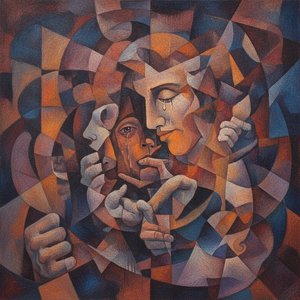
Beyond the Surface: Exploring the Emotional Depth of Cubist Expressionism
Discover the profound emotional resonance within Cubist Expressionism. Explore how fragmented forms and geometric abstraction convey deep human feeling through an expert art-historical lens for the discerning collector.