


 Katso seinällä
 Lähetä
 Jaa
Jaa
 Tarkemmat tiedot
 Opas
Opas

 Lataa kuva
 Samanlaisia kohteita
 Röntgenkuvaus
 Diaesitys
 Tilastot
Sevan Lake


Explore Martiros Saryan’s ‘Sevan Lake’ – a serene 1953 impressionistic landscape of Armenia's beauty. Discover its blues, greens & expressive brushwork.
Tutustu Martiros Saryanin lumoaviin Armenian maisemiin ja henkilökohtaisiin maalauksiinsa! Tämä moderni kansallisesti tunnettu taiteilija vangitsi oman kotimaansa kauneuden. Tutki hänen perintöään!
 Lue lisää
Giclée- ja taideprintit
Museolaatuisia giclée- tai kankaitaulun tulosteita nopealla tuotannolla ja joustavilla viimeistelyvaihtoehdoilla. ( Tilaa käsinmaalattu jäljennös Siirry digitaaliseen kuvaan)




































Vakiokoko
mittatilaustyö
CM
INCH
Valitse valmiista mitoistamme sellaiset, jotka vastaavat teoksen alkuperäisiä mittasuhteita.
Loading sizes...

leveys
korkeus
Voit syöttää omat mitat sopiaksesi tiettyyn kehykseen tai tilaan. Jos valittu koko ei vastaa alkuperäisen kuvan mittasuhteita, rajaamme teosta tai laajennamme kuvaa peilatulla tai yhtenäisellä reunalla. Digitaalinen mallikuva lähetetään hyväksyttäväksi ennen tuotannon aloittamista.
Huomaathan, että näytöllä näkyvä esikatselu ei vastaa lopullista rajausta tai laajennusta. Vain mallikuva näyttää lopullisen sommittelun tarkasti.
Vaikka räätälöityjä kokoja on saatavilla, suosittelemme valitsemaan mitat valmiista listasta alkuperäisten mittasuhteiden säilyttämiseksi.
Maailmanlaajuinen toimitus () 2 viikossa tavallisen 4–5 viikon sijaan. (27 syyskuu)

Ilmainen pikatoimitus ympäri maailman

Korkealaatuinen pellavakangas

Kattava kuljetusvakuutus

Tulliveron palautustakuu

Takuu täydellisestä värien vastaavuudesta

100 päivän palautusoikeus valmistusvirhetapauksissa

100% rahat takaisin -takuu

Määräalennus saatavilla
 Lasivaihtoehto on saatavilla vain alle 110 cm kokoisille teoksille

Sevan Lake
Giclée- ja taideprintit
Replikaatin koko
-


Kokonaishinta
$ 69


Taiteilijan elämäkerta
Martiros Saryan: Armenian Soul on Canvas
Martiros Saryan, a name that resonates deeply within the heart of Armenia, wasn’t merely an artist; he was a chronicler of his nation's spirit, a translator of its landscapes into vibrant emotion. Born in 1880 in Nakhichevan-on-Don – a region now nestled within Russia – Saryan’s life unfolded as a remarkable journey, shaped by artistic training, international experiences, and an unwavering devotion to capturing the essence of his homeland. His paintings aren't simply representations of scenery; they are imbued with a profound sense of place, history, and the resilient soul of Armenia.
Saryan’s early years were profoundly influenced by his elder brother, Hovhannes Saryan, a skilled teacher who nurtured his nascent artistic talent. This foundational training, coupled with formal studies at the Moscow School of Arts – where he benefited from the guidance of esteemed figures like Valentin Serov and Konstantin Korovin – provided him with a solid technical base while simultaneously exposing him to the burgeoning currents of Post-Impressionism. The evocative styles of Paul Gauguin and Henri Matisse became particularly formative, shaping his approach to color, composition, and the expressive potential of brushwork. These encounters weren’t merely academic; they ignited within him a desire to infuse his art with emotion and personal experience.
A pivotal moment in Saryan's artistic trajectory arrived in 1901 when he embarked on his first journey to Armenia. This visit wasn’t just a sightseeing trip; it was a homecoming, a rediscovery of roots long severed by historical circumstances. He spent considerable time traversing the diverse regions – from the rugged peaks of Lori to the fertile plains of Shirak, the ancient monasteries of Echmiadzin and Haghpat, and the serene shores of Lake Sevan – meticulously documenting their beauty through a series of evocative landscapes. These early works—"Makravank" (1902), "Aragats" (1902), and “Buffalo at Sevan” (1903)—quickly gained recognition for their vibrant colors, dynamic brushstrokes, and the palpable sense of place they conveyed. They weren’t merely depictions of scenery; they were imbued with a deep emotional resonance, reflecting Saryan's profound connection to his heritage.
Following this initial immersion in Armenia, Saryan continued to travel extensively throughout Turkey, Egypt, and Iran during the early 1910s. These journeys broadened his artistic horizons, exposing him to diverse cultures and artistic traditions. However, it was his return to Armenia in 1915 – a period marked by immense suffering due to the Armenian Genocide – that fundamentally reshaped his artistic focus. Witnessing firsthand the displacement and loss experienced by his people fueled an even greater urgency within him to document and preserve the memory of Armenia through his art. He dedicated himself to assisting refugees, providing solace through his paintings, and creating works that served as poignant reminders of their lost homeland. This period produced some of his most deeply moving pieces, such as “Burning Heat with a Dog Running” (1916), which powerfully captures the raw emotion of displacement and resilience.
The tumultuous years following World War I saw Saryan navigating the complexities of Soviet Armenia. Despite facing political challenges and restrictions, he remained steadfast in his artistic pursuits, continuing to paint landscapes, portraits, and scenes from Armenian life. He played a crucial role in establishing the Society of Armenian Artists in Tiflis (now Tbilisi), fostering a new generation of artists and promoting Armenian art on an international stage. His design work for the Armenian State Theatre’s curtain stands as a testament to his versatility and artistic vision – a beautiful blend of landscape and human drama.
Distinctive Style & Artistic Techniques
Martiros Saryan's distinctive style is characterized by a vibrant palette, bold brushstrokes, and an expressive use of color. He frequently employed techniques reminiscent of Post-Impressionism, particularly the work of Gauguin and Matisse, incorporating elements of Fauvism into his landscapes. His paintings are often imbued with a sense of movement and energy, achieved through dynamic compositions and loose, gestural brushwork. He favored depicting scenes from rural Armenian life – shepherds tending their flocks, villagers engaged in daily activities, and the majestic beauty of the Armenian countryside – capturing not just the visual appearance but also the emotional atmosphere of these settings.
His portraits are equally compelling, revealing a deep understanding of human character. He skillfully captured the essence of his subjects through expressive eyes and subtle gestures, conveying their inner lives with remarkable sensitivity. A recurring motif in his work is the use of light – often warm and golden – which illuminates his scenes and imbues them with a sense of warmth and vitality. Saryan’s masterful command of color was legendary; he could evoke the shimmering heat of the Armenian sun or the cool, misty atmosphere of a mountain dawn with breathtaking accuracy.
Major Works & Recognition
Among Saryan’s most celebrated works are:
- “Makravank” (1902): A vibrant depiction of the Makravank monastery, showcasing his mastery of color and composition.
- “Aragats” (1902): An iconic image of Mount Aragats, Armenia’s highest peak, symbolizing strength and resilience.
- “Buffalo at Sevan” (1903): A dynamic landscape capturing the beauty of Lake Sevan and its surrounding scenery.
- “Evening in the Garden” (1903): A serene portrayal of an Armenian village garden bathed in the golden light of dusk.
- “In the Armenian Village” (1903): A charming depiction of daily life in a traditional Armenian village.
Saryan’s artistic achievements were widely recognized throughout his career. He was awarded the title of “People’s Artist of the USSR” in 1960 and received numerous accolades, including the Lenin Prize and the Order of Lenin. His work has been exhibited extensively both within Armenia and internationally, solidifying his place as a leading figure in Armenian art.
Historical Significance & Legacy
Martiros Saryan’s contribution to Armenian art is profound and multifaceted. He played a pivotal role in establishing a distinctively Armenian style of painting, moving beyond traditional academic approaches and embracing a more expressive and emotionally resonant form of artistic expression. His work served as a powerful symbol of national identity during a period of significant political and social upheaval, capturing the spirit of Armenia and its people.
His dedication to portraying the beauty of his homeland, particularly in the face of adversity, has made him an enduring icon of Armenian culture. The Saryan Museum in Yerevan stands as a testament to his legacy, offering visitors a chance to immerse themselves in his world and appreciate the depth and richness of his artistic vision. Saryan’s influence continues to be felt by artists today, inspiring them to explore their own cultural heritage and create works that reflect the beauty and complexity of their respective nations.

Martiros Saryan
1880 - 1972 , Venäläinen imperiumi
Tietoa taiteilijasta
- Artistic Movement Or Style: Fovismi
- Artists Or Movements Influenced By This Artist: ['Venäläinen koulukunta']
- Artists Who Influenced This Artist:
- Paul Gauguin
- Henri Matisse
- Date Of Birth: 28. helmikuuta 1880
- Date Of Death: 5. toukokuuta 1972
- Full Name: Martiros Saryan
- Nationality: Armenialainen
- Notable Artworks:
- Makravank
- Aragats
- Buffalo
- Place Of Birth: Novaya Nakhichevan, Venäläinen imperiumi
Aiheeseen liittyvät artikkelit

The Beauty of Impermanence: Capturing Decay through Impressionist Eyes
Explore the profound beauty of impermanence through Impressionist and Post-Impressionist eyes. Discover how masters like Monet and Van Gogh captured fleeting light and the poetic essence of nature's transitions in our deep dive into art history and emotional landscapes.

Beyond the Light: Capturing Raw Emotion and Subjective Vision in Post-Impressionist Landscapes
Explore the profound emotional depth of Post-Impressionist landscapes. Discover how masters like Van Gogh moved beyond light to capture raw human feeling through vibrant color and expressive texture in this expert art history retrospective.

Capturing the Soul: The Most Emotionally Moving Impressionist and Post-Impressionist Masterpieces
Discover the profound emotional depth of Impressionist and Post-Impressionist masterpieces. Explore how legends like Monet, Van Gogh, and Gauguin captured light and soul through evocative landscapes and vibrant brushwork for a timeless connection to art history.
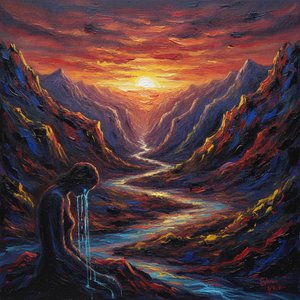
Capturing Emotion: A Journey Through the Soul of Expressionist Landscapes
Explore the profound emotional depth of Expressionist landscapes. Discover how Post-Impressionist masters moved beyond light to capture the soul through vibrant color and form. A curated journey for true art lovers seeking the beauty of expressive mastery.
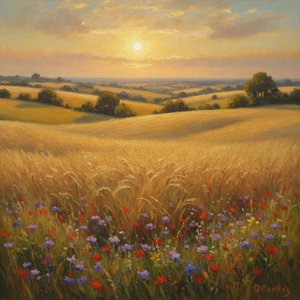
Golden Fields & Sun-Drenched Meadows: Capturing the Soul of Impressionist Landscapes
Immerse yourself in the luminous world of Impressionist landscapes. Discover how masters like Monet and Gauguin captured ephemeral light through plein air painting, and learn to bring the soul of sun-drenched meadows into your home with exquisite, hand-painted oil reproductions.