

Esitetty: · Kehyksineen:
 Esikatselu

 Jaa teos
 Jaa
 Tiedot
 Teostiedot


 Lataa kuva
 Samanlaisia kohteita
 Röntgenkuvaus
 Diaesitys
 Kysymykset ja vastaukset

 Tilastot
Found (Max Klinger)


Canvas- ja taidevedokset alkaen €45 (koko 36 x 28 cm)
Käsinmaalattu öljyreprosentio alkaen €224
- Ilmainen maailmanlaajuinen toimitus 3–4 viikossa
- Putkessa toimitettavat julisteet 3–4 viikossa
- 100 päivän palautusoikeus ja rahat takaisin
- ArtShopReviews.com-sivuston 241 asiakkaan arvio: 4.9/5
€ 70
Giclée- ja taideprintit
Museolaatuisia giclée- tai kankaitaulun tulosteita nopealla tuotannolla ja joustavilla viimeistelyvaihtoehdoilla. ( Impressionistinen öljymaalaus Osta digitaalinen kopio
)
Materiaali ja tekniikka
 Lue lisää
Budjettiversio: sama kuva painettuna 260 g/m² polyesterikankaalle puuvillan sijaan. Toimitetaan rullalla putkessa tavallisella postilla 3–4 viikossa. Toimitetaan vain rullalla (ilman pingotusta tai kehystä) ja ilman kiireellistä tuotantoa, koossa, jonka vähintään yksi sivu on enintään 80 cm. Noin 30% edullisempi kuin puuvillakangasvedos.
Ei saatavilla tässä koossa: vähintään yhden sivun on oltava enintään 80 cm.
Vain rullattuina: valitse rullattu kangas valitaksesi tämän tulosteen.
Saatavilla kokoille, joiden molemmat sivut ovat enintään 110 cm. Suurempia kokoja varten tuloste valmistetaan mattapintaiselle puuvillakangaspinnalle.
Matta arkistokangas ei ole saatavilla tässä koossa: molempien sivujen on oltava enintään 110 cm. Tulosteesi on tehty mattapuuvillakangas-materiaalille.
Lasivaihtoehto on saatavilla vain alle 110 cm kokoisille teoksille
Koko
·Valitse valmiista mitoistamme sellaiset, jotka vastaavat teoksen alkuperäisiä mittasuhteita.
Koot ladataan...

leveys
korkeus
Syötä tarvitsemasi leveys ja korkeus, jotta tuloste sopii kehyksiisi tai seinällesi. Tulostetta voidaan vain leikata, sitä ei voida koskaan suurentaa alkuperäistä kuvaa suuremmaksi, joten eri muotoinen koko aiheuttaa osan kuvasta katoamisen. Lähetämme sinulle digitaalisen mallikuvan hyväksyttäväksi ennen kuin aloitamme tulostuksen. Tällä sivulla näkyvä kuva ei näytä lopullista rajausta — vain mallikuva näyttää sen.
Vakiokoko
räätälöity
CM
INCHIT
Viimeistely
·
Valkoinen reuna €1

pehmennetty reuna €1

Jatkuva reuna €1

P118B €10

P118H €10

P118W €10

P438Z €10

P508JH €12

P508YH €12

P805H €10

P805Z €10

P919BZ €10

P919G €10

P919XJ €10

P959ZH €10

P968JZ €12

W106C €8

W218G €10

W218JH €8

W218Y €10

W307PJ €10

W316G €10

W316PJ €8

W316Y €10

W398PJ €8

W4111J €10

W500HY €15

W500JH €15

W692G €12

W849H €8

W940BG €15

W953PJ €8
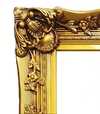
H24-GOLD €30
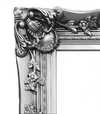
H24-SILVER €30
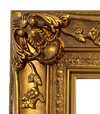
H36-GOLD €70
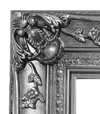
H36-SILVER €70
Toimitetaan suojaputkessa, valmiina kehystettäväksi omassa kehyksessäsi.
Yli 105 cm kokoiset kehykset toimitetaan osasarjana ammattilaiskehystäjälle — lue lisätiedot.
Lisäpalvelut
valinnainenMitä lisämateriaalit sisältävät?
Maailmanlaajuinen toimitus () 2 viikossa tavallisen 4–5 viikon sijaan. (23 joulukuu)
Economy poly-canvas -tulosteesta ei ole saatavilla kiireellistä tuotantoa tai pikatoimitusta, sillä se toimitetaan tavallisella postilla.
Suojalakkaus
Nimilaatta
Kaiverretun pronssilaatan tiedot
Tämä tyylikäs laatta sisältää taiteilijan nimen ja teoksen nimen, hienostuneesti kaiverrettuna ajattoman esillepanon varmistavaksi.
Valmistettu pronssista hienostuneella ja tyylikkäällä viimeistelyllä. Teksti on kaiverrettu tarkasti laserilla terävän ja pysyvän lopputuloksen varmistamiseksi. Mittakooltaan 9x2 cm oleva laatta on kompakti, mutta helposti luettavissa. Se on valmistettu kestämään ja hylkimään naarmuja, tarjoten ammattimaisen, museotason ulkonäön. Kiinnitys on helppo mukana tulevan tarrakiinnikkeen ansiosta.
Läpinäkyvän akryylilaatan tiedot
Laatta sisältää olennaiset kaiverretut tiedot, kuten taiteilijan nimen, teoksen otsikon, valmistusvuoden, käytetyn materiaalin (esim. öljy kankaalla tai vesiväri), lyhyen kuvauksen teoksesta sekä QR-koodin, joka linkittää teoksen kattaviin tietoihin.
Se on valmistettu kirkkaasta akryylistä, mikä antaa sille tyylikkään ja modernin ilmeen. Teksti on kaiverrettu mustalla UV-kaiverruksella voimakkaan visuaalisen kontrastin varmistamiseksi. 10x15 cm koko takaa optimaalisen luettavuuden. Levyssä on kaksi metallista koukkua turvallista seinään kiinnittämistä varten. Plaketti on suunniteltu säänkestäväksi, joten se soveltuu erilaisiin ympäristöihin, ja siinä on interaktiivisia ominaisuuksia, jotka toimivat saumattomasti älypuhelimen skannauksen avulla.
Mustan akryylilaatan tiedot
Tämä tyylikäs laatta sisältää kaiverretut tiedot, kuten taiteilijan nimen, teoksen nimen, valmistusvuoden, käytetyn tekniikan (kuten öljy kankaalla tai vesiväri), lyhyen kuvauksen teoksesta sekä QR-koodin, jolla pääsee nopeasti lukemaan lisätietoja.
Itse laatta on valmistettu laadukkaasta, viimeistellystä mustasta akryylistä. Teksti on kaiverrettu valkoisella laserilla korkean kontrastin ja luettavuuden varmistamiseksi. Laatan koko on 10x15 cm, ja se on suunniteltu helposti luettavaksi. Pakkaus sisältää kaksi metallista kiinnikettä ammattimaista asennusta varten. Muotoilu on tyylikäs ja sopii mihin tahansa sisustustyyliin. Laatta on säänkestävä ja kestävä, ja siinä on sisäänrakennettu digitaalinen integraatio mobiiliyhteensopivuutta varten.
Lasivaihtoehto on saatavilla vain alle 110 cm kokoisille teoksille
 Lasivaihtoehto on saatavilla vain alle 110 cm kokoisille teoksille
- Ilmainen maailmanlaajuinen toimitus 3–4 viikossa
- Korkealaatuinen pellavakangas
- Kattava kuljetusvakuutus
- Tulliveron palautustakuu
- Takuu täydellisestä värien vastaavuudesta
- 100 päivän palautusoikeus ja rahat takaisin
- 100% rahat takaisin -takuu
- Määräalennus tarjolla


Found: Max Klinger ja Symbolism-kausi
Two figures kneel in despair beneath a suspended form in this dramatic monochromatic etching filled with dense, swirling cross-hatching.
Max Klinger: elämäkerta
Hänen Parodia käsityöstä sai inspiraationsa unesta: tutki, miten käsine esiintyy jokaisessa levyssä.
Tietoa teoksesta
The Artwork Found by Max Klinger
In the quiet tension of Found, the viewer encounters a scene of profound emotional distress. Max Klinger, born in 1857 in Leipzig, Germany, presents a vision that feels caught in a moment of sudden, sharp anguish. The composition draws the eye upward through a pyramidal arrangement, where two figures kneel in supplication at the base. Above them, a third figure remains suspended on a rigid rectangular plane, creating a sense of unsettling verticality. The atmosphere is heavy with a feeling of helplessness, as if the figures are trapped within a swirling chaos of lines that refuse to settle.
The imagery suggests a narrative of torment or judgment, though the exact nature of the suffering remains a mystery. Shadows and highlights dance across the forms, emphasizing the intensity of the facial expressions and the physical strain of the subjects. There is a palpable sense of unease in the way the figures interact with the space around them. The scene does not offer the comfort of a clear light source, leaving the viewer to navigate the deep shadows and the turbulent, textured background that seems to pulse with internal turmoil.
Composition and Visual Elements
A heavy, pyramidal structure dictates the movement of the scene, pulling the eye upward through a tense arrangement of forms. At the base, two figures kneel in a state of supplication, their bodies anchoring the bottom of the triangle. Above them, a third figure remains suspended on a rigid, rectangular plane, creating a jarring contrast between the organic curves of the human forms and the unyielding geometry of the platform. This vertical tension holds the viewer in a state of suspended animation, caught between the grounded suffering below and the hovering presence above.
The background refuses to remain still. Dense, swirling lines churn through the space, suggesting a world in a state of constant, chaotic turmoil. These lines wrap around the figures, blurring the distinction between the subjects and the atmosphere surrounding them. Light and shadow dance unevenly across the scene, with deep, heavy blacks clashing against pale highlights to emphasize the emotional weight of the figures. The perspective feels strangely flattened, yet the layering of these dark, textured shapes creates a sense of depth that pulls the viewer into the center of the struggle.
Technique and Artistic Materials
The scene emerges from a monochromatic world, where every shadow and highlight relies on a careful dance of gray tones. This is the result of a meticulous printmaking process, likely an etching or an engraving. One can almost feel the physical resistance of the metal plate as the artist uses sharp etching needles to incise deep, deliberate lines into the surface. These marks do not merely outline forms; they build a dense, textured landscape through heavy cross-hatching that catches the light and holds the darkness in place.
The materials used in this creation speak to a tactile, hands-on labor. A metal plate, perhaps zinc or copper, receives the initial wounding of the needle, creating the channels that will eventually hold the ink. Once the incised lines are ready, ink is pressed into these grooves, transferring the soul of the plate onto paper. This method allows for a staggering level of detail, where the swirling, chaotic lines of the background and the sharp, angular contours of the figures emerge from the interplay of ink and fiber.
Style and Artistic Movement
The work breathes with the heavy, restless energy of late 19th-century Expressionism. Every line seems to vibrate with an internal tension, pushing beyond mere representation to capture a raw, psychological state. This approach finds a striking kinship with the visual language of Edvard Munch, where the external world bends and twists to mirror the turbulence of the human spirit. The figures do not simply exist in space; they appear caught in a moment of profound emotional upheaval, their forms shaped by the weight of what they feel rather than the strict rules of anatomy.
At its core, the piece is deeply rooted in the Symbolist movement. It moves away from the literalism of the natural world to explore the shadowy, subjective realms of the subconscious. Rather than depicting a clear, objective reality, the imagery functions through a language of signs and metaphors that point toward deeper, unseen truths. The atmosphere is thick with the sense of a dream or a nightmare, where the boundaries between the physical self and the internal psyche begin to dissolve into a swirl of dark, textured lines.
Emotional and Symbolic Themes
Anguish and fear pulse through the scene, casting a heavy shadow over the figures. A profound sense of desperation grips the viewer as the subject matter unfolds, depicting a moment of intense emotional distress and torment. The two kneeling figures at the base of the composition seem trapped in a state of supplication, their bodies conveying a deep-seated helplessness. Above them, a third figure remains suspended on a rigid rectangular plane, watching the suffering below. This triangular arrangement creates a palpable tension, suggesting a heavy power dynamic or the weight of an inevitable judgment.
Chaos swirls in the background, where dense, agitated lines churn like a storm. These movements suggest a state of inner turmoil or perhaps the presence of overwhelming external forces acting upon the souls depicted. The darkness and light do not merely define form; they heighten the psychological weight of the moment. Every line contributes to an atmosphere of unease, as if the very air around the figures is thick with their collective despair. The struggle feels immediate, caught in a perpetual state of spiritual or emotional crisis.
Related Works by Max Klinger
The shadows of the artist's imagination stretch into other graphic cycles, where the boundaries between reality and the subconscious continue to blur. In the series Paraphrase on the Finding of a Glove, a single lost object transforms into a potent fetish, triggering a sequence of dreamlike visions and unsettling encounters. This narrative exploration of desire and loss finds a musical counterpart in the Brahms Fantasies from 1894, where the artist translates the spirit of composition into visual form. These works reveal a mind preoccupied with the hidden currents of human longing and the irrational forces that govern our inner lives.
Other explorations move through the realms of myth and movement. The artist's hand traces the tension found in The Rape of Prometheus and the rhythmic energy of Preparation for the dance. Each piece acts as a window into a world where the physical and the psychological are inseparable. Whether through the meticulous lines of an etching or the heavy presence of a sculpture, the artist's vision remains fixed on the tension between the seen world and the unseen impulses that drive it.
Kysymykset ja vastaukset
Onko tämä teoksen Found reproduktio käsinmaalattu vai painettu?
Painatukset: Found on painettu giclée-tekniikalla joko puuvillakangvasseille tai Epsonin arkistoluokan kanvassipaperille.
Mikä koko Found -teokselle kannattaa valita?
Koot vaihtelevat välillä 36.3 x 27.5 cm (€45) – 248.4 x 188.4 cm (€407); tämän sivun taulukossa on lueteltu eri vaihtoehdot ja niiden hinnat.
Kuinka kauan toimitus kestää?
Putkessa toimitettava juliste toimitetaan maksutta tavallisella postilla 3–4 viikossa; kangaspuut tai kehyksissä oleva teos vie 4–5 viikkoa. Pikatoimitus on saatavilla vain tällä sivulla tarjottavalla maksullisella Express Delivery -vaihtoehdolla. Voit palauttaa tuotteen 100 päivän kuluessa täyden hyvityksen saamiseksi ilman erityisiä ehtoja.
Mitä tekniikkaa Max Klinger käytti teoksessa Found?
Etching
Pikaopas ja taidevisailu
Tietoa artistista Max Klinger

Max Klinger
1857 - 1920, Saksa
Tietoa taiteilijasta Max Klinger: elämä, teokset ja elämäkerta
Pikaaakkaukset taiteilijasta Max Klinger
- Artistic Movement Or Style: Symbolismi
- Artists Or Movements Influenced By This Artist: ['Inspection Medical Hermeneutics']
- Artists Who Influenced This Artist:
- Menzel
- Goya
- Date Of Birth: 1857
- Date Of Death: 1920
- Full Name: Max Klinger
- Nationality: Saksalainen
- Notable Artworks:
- Löydä hanska
- Beethovens monumentti
- Place Of Birth: Leipzig, Saksa
Tutustu teoksiin, jotka on järjestetty aiheiden, tyylien ja ominaisuuksien mukaan.


Max Klinger
Found
() ·
Kehyksineen: ·
Yhteensä