


 Katso seinällä
 Lähetä
 Jaa
Jaa
 Tarkemmat tiedot
 Opas
Opas

 Lataa kuva
 Samanlaisia kohteita
 Röntgenkuvaus
 Diaesitys
 Tilastot
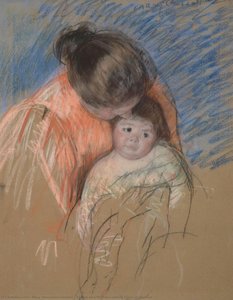
Child with Doll


Discover Milton Avery’s ‘Child with Doll’ (1944), a vibrant folk art piece featuring a stylized mother & child. Bold lines, orange hues, & expressive form evoke protection & nurture.
 Lue lisää
Milton Avery (1885-1965) oli amerikkalainen modernisti, joka loi tunnettuja maalauksiaan kirkkailla väreillä ja yksinkertaistetulla muotoilulla. Hänen tyylinsä vaikutti merkittävästi abstraktioharrastukseen.
Giclée- ja taideprintit
Museolaatuisia giclée- tai kankaitaulun tulosteita nopealla tuotannolla ja joustavilla viimeistelyvaihtoehdoilla. ( Tilaa käsinmaalattu jäljennös Siirry digitaaliseen kuvaan)




P118B $10

P118H $10

P118W $10

P438Z $10

P508JH $12

P508YH $12

P805H $10

P805Z $10

P919BZ $10

P919G $10

P919XJ $10

P959ZH $10

P968JZ $12

W106C $8

W218G $10

W218JH $8

W218Y $10

W307PJ $10

W316G $10

W316PJ $8

W316Y $10

W398PJ $8

W4111J $10

W500HY $15

W500JH $15

W692G $12

W849H $8

W940BG $15

W953PJ $8




Vakiokoko
mittatilaustyö
CM
INCH
Valitse valmiista mitoistamme sellaiset, jotka vastaavat teoksen alkuperäisiä mittasuhteita.
Loading sizes...

leveys
korkeus
Voit syöttää omat mitat sopiaksesi tiettyyn kehykseen tai tilaan. Jos valittu koko ei vastaa alkuperäisen kuvan mittasuhteita, rajaamme teosta tai laajennamme kuvaa peilatulla tai yhtenäisellä reunalla. Digitaalinen mallikuva lähetetään hyväksyttäväksi ennen tuotannon aloittamista.
Huomaathan, että näytöllä näkyvä esikatselu ei vastaa lopullista rajausta tai laajennusta. Vain mallikuva näyttää lopullisen sommittelun tarkasti.
Vaikka räätälöityjä kokoja on saatavilla, suosittelemme valitsemaan mitat valmiista listasta alkuperäisten mittasuhteiden säilyttämiseksi.
Maailmanlaajuinen toimitus () 2 viikossa tavallisen 4–5 viikon sijaan. (26 syyskuu)

Ilmainen pikatoimitus ympäri maailman

Korkealaatuinen pellavakangas

Kattava kuljetusvakuutus

Tulliveron palautustakuu

Takuu täydellisestä värien vastaavuudesta

100 päivän palautusoikeus valmistusvirhetapauksissa

100% rahat takaisin -takuu

Määräalennus saatavilla
 Lasivaihtoehto on saatavilla vain alle 110 cm kokoisille teoksille

Child with Doll
Giclée- ja taideprintit
Replikaatin koko
-


Kokonaishinta
$ 69
A Quiet Revolution in Color
In the landscape of American Modernism, few works capture the profound intimacy of domestic life with as much poetic restraint as Milton Avery’s 1944 masterpiece, Child with Doll. This painting is far more than a mere depiction of maternal tenderness; it is a masterful exploration of how color and form can bypass literal representation to touch the very soul of the viewer. At first glance, the eye is immediately drawn into a vibrant dialogue between warm and cool tones. A bold, sun-drenched palette of orange and pink dances against a grounding, somber expanse of grey, creating a chromatic harmony that feels both modern and timeless. Avery, deeply influenced by the colorist traditions of Matisse, uses these hues not just to decorate the canvas, but to evoke an atmosphere of serene stillness and emotional depth.
The composition itself is a study in elegant simplicity. Eschewing the complex perspectives of classical realism, Avery presents a frontal view that brings the figures into an immediate, almost confrontational closeness with the observer. The subjects—a mother and child—are rendered through simplified geometric shapes, where rectangles and ovals become the building blocks of human connection. Thick, confident outlines delineate these forms, providing a sense of structural stability and warmth. This stylistic choice leans toward a beautiful, naive aesthetic, stripping away the unnecessary noise of the world to focus entirely on the essence of the bond being portrayed. It is a visual language that speaks of protection and nurturing, turning a private moment into a universal symbol of care.
The Tactile Poetry of Technique
To look closely at Child with Doll is to witness the physical labor of the artist’s hand. Avery employed a technique involving the application of oil paint via a palette knife, a method that lends the surface a distinctive, palpable texture. This deliberate roughness breaks the flatness of the modern shapes, adding a layer of materiality that grounds the abstraction in reality. The visible, broad brushstrokes and the slight impasto effect create a rhythmic energy across the canvas, ensuring that even within its minimalist structure, the painting feels alive and breathing.
<For the discerning collector or interior designer, this artwork offers a rare opportunity to introduce a sense of sophisticated tranquility into a space. The way the light interacts with the textured surface—even in a high-quality reproduction—promises a dynamic visual experience that changes with the time of day. Whether placed in a contemporary gallery setting or as a focal point in a curated living space, Avery’s work provides a bridge between the bold experimentation of the mid-century avant-garde and the timeless human need for beauty and connection. It is an investment in a piece of history that continues to offer a quiet, colorful revolution to all who behold it.
Samankaltaisia teoksia




Taiteilijan elämäkerta
Milton Avery – A Quiet Revolution in Color
Milton Clark Avery, born March 7, 1885, in the small hamlet of Altmar, New York, wasn’t a painter who stormed the art world with manifestos or radical pronouncements. Instead, his revolution unfolded quietly, through a subtle yet profound exploration of color and form that would deeply influence generations of American artists. His early life was steeped in practicality; as the son of a tanner, Avery began working at sixteen to support his family after his father’s untimely death, taking on various blue-collar jobs while nurturing a burgeoning passion for art. This period instilled in him a grounded sensibility, a connection to everyday life that would permeate his work.
Early Life and Influences
Avery's formative years were marked by hardship—the loss of his brother-in-law in 1915 left him responsible for the care of nine female relatives—yet he persevered, pursuing formal training at the Connecticut League of Art Students and later at the Art Students League of New York. These experiences exposed him to the artistic currents of Europe, particularly the bold color palettes of French Fauvism championed by Henri Matisse and the expressive distortions of German Expressionism exemplified by Ernst Ludwig Kirchner. However, Avery didn’t simply imitate these styles; he absorbed their lessons and synthesized them into something uniquely his own—a distillation of observation and emotion that would become the hallmark of his artistic vision.
Developing His Distinctive Style
Avery's artistic journey wasn’t one of immediate acclaim. He worked in relative obscurity for decades, refining his technique through tireless experimentation. He began to simplify subjects – landscapes, figures, still lifes – prioritizing color relationships and emotional resonance over meticulous detail. This simplification wasn’t about a lack of skill but rather a deliberate choice to focus on conveying the essence of experience—the “ecstasy of the moment,” as Avery himself described it—through carefully considered hues and shapes. His palette became increasingly luminous, his compositions more spacious and serene.
Recognition and Collaboration with Rothko & Gottlieb
A pivotal moment arrived in 1943 when Avery secured representation from Paul Rosenberg Gallery, a partnership that would propel him to international prominence. Rosenberg recognized the exceptional quality of Avery’s paintings—including *Gaspé Landscape*, which became an instant sensation—and championed his work tirelessly. He collaborated closely with fellow artists Adolph Gottlieb and Mark Rothko, engaging in stimulating conversations about art and aesthetics that further honed Avery's artistic sensibilities. Their shared commitment to exploring color and form paved the way for groundbreaking developments in Color Field painting.
Legacy: An Enduring Influence on American Modernism
Milton Avery’s contribution to American art extends far beyond his own paintings. He served as a crucial bridge between representational painting and the abstract expressionist movement of the 1940s and 50s, inspiring artists like Rothko and Gottlieb. Avery's work demonstrated that a painting didn’t need to meticulously depict reality to convey profound emotional depth; it could achieve this through the expressive power of color, composition, and gesture. His paintings are not merely representations of landscapes or figures but rather evocations of mood, atmosphere, and personal experience—a testament to his unwavering belief in the transformative potential of art. Avery died on January 3, 1965, at Montefiore Hospital in New York City, leaving behind a legacy that continues to inspire artists today. Sally Avery continued to champion his work after his death, donating his papers to the Archives of American Art, ensuring that future generations would have access to the rich intellectual and artistic heritage he created.

Milton Avery
1885 - 1965 , Yhdysvallat
Tietoa taiteilijasta
- Artistic Movement Or Style: Modernismi, Fauvismi
- Artists Or Movements Influenced By This Artist: ['Abstrakti ekspressionismi']
- Artists Who Influenced This Artist:
- Matisse
- Kirchner
- Date Of Birth: 7.3.1885
- Date Of Death: 3.1.1965
- Full Name: Milton Clark Avery
- Nationality: Amerikkalainen
- Notable Artworks:
- Gaspé Landscape
- Central Park
- Flight of Birds
- Place Of Birth: Altmar, Yhdysvallat
Aiheeseen liittyvät artikkelit

The Pure Charm of Naïve Art: Finding Beauty in Simplicity, Soul, and the Unfiltered Vision
Discover the profound beauty of Naïve Art. Explore how self-taught masters bypass academic tradition to capture raw emotional truth through vibrant color and soulful simplicity. A cultural journey for the true art lover seeking depth beyond convention.