


 Katso seinällä
 Lähetä
 Jaa
Jaa
 Tarkemmat tiedot
 Opas
Opas

 Lataa kuva
 Samanlaisia kohteita
 Röntgenkuvaus
 Diaesitys
 Tilastot
Corner of Quarry


Discover "Corner of Quarry" by Paul Cézanne – a pivotal landscape painting bridging Impressionism & Cubism. Bold brushstrokes, vibrant hues, and innovative form capture the essence of Provence.
 Lue lisää
Paul Cézanne: Post-impressionismin pioneeri, joka yhdisti impressionismin kubismiin. Tutustu geometrisiin muotoihin ja taiteen vallankumoukselliseen visioon! #Cézanne
Giclée- ja taideprintit
Museolaatuisia giclée- tai kankaitaulun tulosteita nopealla tuotannolla ja joustavilla viimeistelyvaihtoehdoilla. ( Tilaa käsinmaalattu jäljennös Siirry digitaaliseen kuvaan)




P118B €10

P118H €10

P118W €10

P438Z €10

P508JH €12

P508YH €12

P805H €10

P805Z €10

P919BZ €10

P919G €10

P919XJ €10

P959ZH €10

P968JZ €12

W106C €8

W218G €10

W218JH €8

W218Y €10

W307PJ €10

W316G €10

W316PJ €8

W316Y €10

W398PJ €8

W4111J €10

W500HY €15

W500JH €15

W692G €12

W849H €8

W940BG €15

W953PJ €8




Vakiokoko
mittatilaustyö
CM
INCH
Valitse valmiista mitoistamme sellaiset, jotka vastaavat teoksen alkuperäisiä mittasuhteita.
Loading sizes...

leveys
korkeus
Kirjoita tarvitsemasi leveys ja korkeus, jotta tuloste sopii kehyskokoon tai seinällesi. Tulostetta voidaan vain leikata, sitä ei voi koskaan tehdä suuremmaksi kuin alkuperäinen kuva, joten eri muotoinen koko aiheuttaa osan kuvasta katoamisen. Lähetämme sinulle digitaalisen mallikuvan hyväksyttäväksi ennen kuin aloitamme tulostuksen. Tällä sivulla näkyvä kuva ei näytä lopullista leikkausta — vain mallikuva näyttää sen.
Maailmanlaajuinen toimitus () 2 viikossa tavallisen 4–5 viikon sijaan. (22 lokakuu)

Ilmainen pikatoimitus ympäri maailman

Korkealaatuinen pellavakangas

Kattava kuljetusvakuutus

Tulliveron palautustakuu

Takuu täydellisestä värien vastaavuudesta

100 päivän palautusoikeus valmistusvirhetapauksissa

100% rahat takaisin -takuu

Määräalennus saatavilla
 Lasivaihtoehto on saatavilla vain alle 110 cm kokoisille teoksille

Corner of Quarry
Giclée- ja taideprintit
Replikaatin koko
-


Kokonaishinta
€ 60
A Landscape Reimagined: The Vision of Cézanne
In the quiet strength of “Corner of Quarry,” painted in 1902, we encounter one of the most profound moments in the evolution of modern art. Paul Cézanne, a master who stood as the vital bridge between the fleeting light of Impressionism and the structural revolution of Cubism, presents us with more than just a view of a rocky hillside. This work is an intimate dialogue between the eye and the earth, capturing the rugged essence of the Provençal landscape with a revolutionary sense of permanence. As the sunlight washes over the ochre yellows and burnt oranges of the stone, the viewer is invited into a world where nature is not merely observed, but meticulously reconstructed through the artist's singular, transformative lens.
The composition breathes with a rhythmic vitality, leading the eye across a terrain of textured cliffs and scattered foliage. Trees and bushes are strategically placed to create a profound sense of depth, anchoring the foreground while allowing the rocky masses to recede into a sun-drenched distance. There is a palpable weight to the scene; the landscape feels ancient and unyielding, yet it vibrates with the warmth of a Mediterranean afternoon. For the collector or designer, this piece offers a grounding presence, bringing the organic majesty of the French countryside into any interior space through its balanced and monumental structure.
The Architecture of Color and Form
To gaze upon “Corner of Quary” is to witness the birth of a new pictorial language. Moving away from the soft, ephemeral edges favored by his Impressionist contemporaries, Cézanne employed a technique of dissecting the natural world into geometric planes. He did not seek to replicate the literal surface of the rocks, but rather to reveal their underlying architecture. Through thick, impasto brushstrokes, he built up layers of oil paint that create a physical texture on the canvas, making the sunlight feel as though it is caught within the very grain of the stone.
The color palette is both vibrant and earthy, utilizing deep greens to provide a lush contrast to the warm, sun-baked tones of the quarry. This deliberate use of color modulation—where shifts in hue define shape rather than traditional shading—foreshadowed the abstract movements of the 20th century. Every stroke serves a purpose, contributing to a sense of structural integrity that makes the painting feel as solid as the landscape it depicts. It is this masterful command of technique that allows the work to transcend simple landscape painting, becoming an exploration of how we perceive form and light.
A Legacy for the Modern Collector
Beyond its technical brilliance, “Corner of Quarry” carries an emotional resonance that speaks to the enduring beauty of the natural world. There is a sense of profound stillness within the work, a moment of geological time frozen in paint. For those looking to adorn a home or gallery with art that inspires contemplation, this piece provides a sophisticated focal point. It embodies a timeless elegance, blending the warmth of the Provençal sun with a rigorous intellectual depth.
Owning a high-quality reproduction of such a pivotal masterpiece allows one to live alongside a fragment of art history. Whether placed in a contemporary setting to provide organic texture or in a classic study to evoke a sense of heritage, this painting remains a testament to Cézanne’s enduring legacy as the "father of us all." It is an invitation to appreciate the structural beauty hidden within the wild, unrefined corners of our world.
Kysymykset ja vastaukset
Kuinka harmonisia ovat teoksen Paul Cézanne:n "Corner of Quarry" värit?
Teoksen Paul Cézanne:n "Corner of Quarry" värit ilmentävät Vahva väriharmonia harmoniaa. Harmonia kuvaa sitä, miten värit suhteutuvat toisiinsa.
Miltä aikakaudelta "Corner of Quarry" on peräisin?
"Corner of Quarry" kuuluu luku aikakauteen.
Kuka on luonut teoksen "Corner of Quarry" ja mikä sen tyylisuunta on?
Paul Cézanne loi teoksen "Corner of Quarry" Post-Impressionism-suuntauksen piirissä.
Samankaltaisia teoksia


Taiteilijan elämäkerta
Paul Cézannen vallankumouksellinen visio: Elämä ja taide
Paul Cézanne, syntynyt Aix-en-Provencessa vuonna 1839, on monumentaalinen hahmo, joka yhdistää impressionismin ohikiitävät vaikutelmat kubismin fragmentoituneisiin muotoihin. Hänen matkansa ei ollut välitön menestys; se oli pikemminkin taiteellisen tutkimuksen hidossa kyteytymistä, jota leimasivat epäilyksen ja kriittisen hylkäyksen ajanjaksot, jotka lopulta huipentuivat perintöön, joka muutti modernin taiteen kulun peruuttamattomasti. Cézanne syntyi varakkaaseen perheeseen – hänen isänsä oli aluksi hattutekijä ja myöhemmin pankkiiri – ja hän nautti epätavallista taloudellista turvallisuutta kunnianhimoisille taiteilijoille, mikä antoi hänelle vapauden omistautua intohimolleen ilman välittömiä kaupallisen menestyksen paineita. Vaikka hänen isänsä pyrkimykset ohjasivat hänet alun perin lakimiehen uralle, taiteellinen ilmaisu osoittautui liian vahvaksi ja hän lopulta hylkäsi lain maalauksen hyväksi, mikä määritti hänen elämänsä. Varhaisiin vaikutteisiin sisältyi nuoruudessa vallitseva romantiikka ja Barbizon-koulukunnan omistautuminen maisemalle, mutta juuri kohtaamiset taiteilijoiden Paul Gauguinin ja Georges Seuratin kanssa sekä heidän innovatiiviset lähestymistapansa väriin ja muotoon saivat Cézannen luomaan oman erottuvan polkunsa.Varhaisista varjoista rakenteeseen: Tyylin kehitys
Cézannen varhainen työ kuvasti usein romanttisen maalauksen dramaattisia, tunteellisesti latautuneita teemoja – tummat väripaletit ja ilmeikäs siveltö hallitsivat hänen kankaitaan. Tämä alkuvaihe oli kuitenkin vain askel kohti paljon analyyttisempää ja uraauurtavampaa lähestymistapaa. Tyytymätön pelkästään valon ohikiitävien vaikutelmien vangitsemiseen, kuten impressionistit suosivat, Cézanne aloitti pyrkimyksen ymmärtää ja esittää itse esineiden perusrakenne. Hän ei etsinyt vain *mitä* hän näki, vaan *kuinka* hän havaitsi todellisuuden muodostavat perustavanlaatuiset muodot. Tämä johti hänet hajottamaan luonnolliset muodot geometrisiksi vastineikseen – kartioiksi, sylintereiksi, palloiksi – ennakoiden kubistista vallankumousta vuosikymmeniä ennen sen toteutumista. Hänen tekniikkansa tunnettiin pienistä, toistuvista siveltöviivoista, jotka kerrostettiin huolellisesti rakentamaan monimutkaisia värikenttiä ja tekstuureja, luoden aiemmin näkemätöntä kiinteyttä ja syvyyttä maalauksissa. Hän ei ollut kiinnostunut illuusionomaisesta tilasta; sen sijaan hän esitti usein esineitä useista näkökulmista samanaikaisesti, haastaen perinteiset perspektiivikäsitykset ja pakottaen katsojan osallistumaan aktiivisesti hänen sompailujensa rakennettuun luonteeseen. Tämä tahallinen vääristymä ei ollut mielivaltainen vaan yritys välittää täydellisempi käsitys muodosta, joka esitti ei vain hetkeä ajassa vaan havainnon synteesiä.Maisemat, asetelmat ja ihmishahmo: Keskeiset teokset ja toistuvat motiivit
Cézannen tuotanto on huomattavan monipuolinen, kattaen maisemia, asetelmia, muotokuvia ja kylpijöiden kuvauksia, mutta kaikki yhdistyvät hänen ainutlaatuiseen lähestymistapaansa muotoon ja väriin. Jas de Bouffanin lampi, joka on maalattu vuonna 1880, edustaa hänen maisematyötään ja osoittaa hänen kykynsä vangita luonnon olemus huolellisella muotojen ja sävyjen järjestelyllä. Émile Zolan muotokuva, joka on luotu vuonna 1866, paljastaa hänen kehittyvän tyylinsä ja tarjoaa vakuuttavan välähdyksen läheisen ystävänsä ja kirjailijan älylliseen intensiteettiin. Hänen asetelmansa, kuten omenoiden ja muiden hedelmien esitykset, eivät ole pelkästään esineiden kuvauksia vaan tutkimuksia volyymista, valosta ja tilasuhteista. Mont Sainte-Victoire -sarjasta tuli Cézannelle pakkomielle, toistuva motiivi, jonka avulla hän pystyi tutkimaan väsymättä muotoa ja perspektiiviä vuosikymmenien ajan. Nämä maalaukset eivät ole pelkästään vuoren kuvauksia; ne ovat tutkimuksia siitä, kuinka me havaitsemme syvyyttä, volyymiä ja valon ja varjon leikkiä. Lopuksi hänen Kylpijöidensä sarjansa, jotka kuvaavat alastomia hahmoja idyllisissä maisemissa, edustaa syvällistä ihmishahmon tutkimusta ja sen yhteyttä luontoon, joka on usein täynnä ajattomuuden ja hiljaisen pohdiskelun tunnetta.Innovaatioon taottu perintö: Cézannen vaikutus moderniin taiteeseen
Paul Cézannen vaikutus myöhemmille sukupolville taiteilijoita on mittaamaton. Häntä pidetään laajalti "modernin taiteen isänä" hänen uraauurtavien panostensa vuoksi kuvakieleen, jotka tasoittivat tietä monille 2000-luvun merkittäville taidesuuntauksille. Pablo Picasso ja Georges Braque olivat syvästi velkaa Cézannen painotukselle geometrisille muodoille ja useille näkökulmille, joista tuli kubismin keskeisiä periaatteita. Hänen rohkea värienkäyttönsä inspiroi myös fauvistiliikettä, jonka johtajat, kuten Henri Matisse, omaksuivat eloisia, epäluonnollisia sävyjä. Jopa surrealistiset taiteilijat löysivät resonanssia Cézannen subjektiivisen havainnon ja psykologisen syvyyden tutkimuksesta. Erityisten liikkeiden lisäksi Cézannen vaatiminen artistin henkilökohtaisesta visiosta ja perinteisten akateemisten rajoitusten hylkääminen vapautti sukupolvien maalarit tutkimaan uusia ilmaisumuotoja. Hän haastoi itse representaation määritelmän, siirtäen painopisteen todellisuuden jäljittelystä visuaalisen kokemuksen rakentamiseen perustavanlaatuisen rakenteen ja subjektiivisen havainnon pohjalta. Hänen kuolemansa vuonna 1906 ei merkinnyt loppua vaan alkua – uuden aikakauden sarastusta taiteen historiassa, jota hänen vallankumouksellinen visionsa syvästi muokkasi.
Paul Cézanne
1839 - 1906 , Ranska
Tietoa taiteilijasta
- Artistic Movement Or Style: Postimpressionismi
- Artists Or Movements Influenced By This Artist:
- Kubismi
- Fauvismi
- Artists Who Influenced This Artist:
- Romantiikka
- Barbizonin koulu
- Date Of Birth: 19. tammikuuta 1839
- Date Of Death: 22. lokakuuta 1906
- Full Name: Paul Cézanne
- Nationality: Ranskalainen
- Notable Artworks:
- Jas de Bouffanin lampi
- Émile Zolan muotokuva
- Mont Sainte-Victoire
- Place Of Birth: Aix-en-Provence, Ranska
Aiheeseen liittyvät artikkelit

Top 10 Impressionismin Mestarityötä – Taidetta Kotiisi TopImpressionistsilta
Uppoudu impressionismin maailmaan! Tutustu 10 ikoniseen mestariteokseen Monet'sta Renoiriin. Taidetta kotiisi – löydä upeat taideprintit ja öljyvärimaalaukset TopImpressionistsilta. Explore the full collection online!

10 legendaarista öljyvärimaalausta puulle – Taidehistrian mestariteoksia kotiisi
Tutustu 10 legendaariseen öljyvärimaalaukseen puulle! Uppoudu taidehistorian mestariteoksiin, tunnettujen taiteilijoiden tarinoihin ja inspiroiviin väripaletteihin. Löydä täydellinen seinätaide kotiisi TopImpressionists.comista – korkealaatuiset taidekopiot ja sisustusideoita odottavat!

Paul Cézannen 25 mestariteosta: Taidetta kotiisi – TopImpressionists.com
Tutustu Paul Cézannen 25 vaikuttavinta mestariteosta! Postimpressionismin huipputeoksia, still life -maalauksia ja ikonisia maisemia. Löydä taiteen tarinat ja inspiroi kotisi sisustusta TopImpressionists.com:ssa. Tutki kokoelma verkossa!

Paul Kleen mestariteokset: 25 taideteosta, jotka inspiroivat kotiisi – TopImpressionists.com
Tutustu Paul Kleen 25 mestariteokseen! Uppoudu sveitsiläisen taiteilijan abstraktiin maailmaan – ekspressionismista kubismiin. Löydä inspiraatiota kotiisi ja osta korkealaatuisia taide-reproduktioita TopImpressionists.comissa. Tutki kokoelma verkossa!
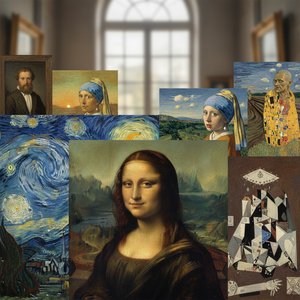
10 legendaarista öljymaalausta, jotka muuttivat taiteen – TopImpressionists.com
Tutustu 10 legendaariseen öljymaalauteen, jotka muuttivat taiteen historiaa! Leonardo da Vinci, Van Gogh ja muut mestarit. Löydä tarinat, tekniikat ja inspiraatio kodin sisustukseen TopImpressionists.com:ista. Tutki kokoelma verkossa!
Tutustu teoksiin, jotka on järjestetty aiheiden, tyylien ja ominaisuuksien mukaan.


