

 Esikatselu
 Jaa teos
 Jaa
Jaa
 Tiedot
 Opas
Opas

 Lataa kuva
 Samanlaisia kohteita
 Röntgenkuvaus
 Diaesitys
 Kysymykset ja vastaukset
 Tilastot
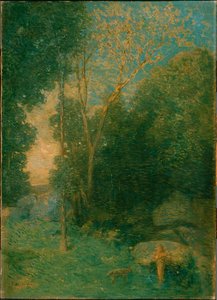
INTERIEUR DE FORET (COMPIEGNE)


Discover 'Interieur de Foret (Compiegne)' by Paul Huet – a captivating Romantic landscape painting. Explore its atmospheric brushstrokes, forest scene & human element. #art #landscapepainting #frenchart
 Lue lisää
Paul Huet (1803-1869) oli ranskalainen maisemamaalari, joka tunnetaan romantiikan tyylistään sekä vaikutuksestaan Barbizonin ja impressionistien taiteilijoihin. Tutustu hänen lumoaviin vesiväri- ja öljymaalauksiinsa.
Giclée- ja taideprintit
Museolaatuisia giclée- tai kankaitaulun tulosteita nopealla tuotannolla ja joustavilla viimeistelyvaihtoehdoilla. ( Osta käsinmaalattu taideteos Siirry digitaaliseen kuvaan)




P118B €10

P118H €10

P118W €10

P438Z €10

P508JH €12

P508YH €12

P805H €10

P805Z €10

P919BZ €10

P919G €10

P919XJ €10

P959ZH €10

P968JZ €12

W106C €8

W218G €10

W218JH €8

W218Y €10

W307PJ €10

W316G €10

W316PJ €8

W316Y €10

W398PJ €8

W4111J €10

W500HY €15

W500JH €15

W692G €12

W849H €8

W940BG €15

W953PJ €8




Vakiokoko
räätälöity
CM
INCH
Valitse valmiista mitoistamme sellaiset, jotka vastaavat teoksen alkuperäisiä mittasuhteita.
Loading sizes...

leveys
korkeus
Syötä tarvitsemasi leveys ja korkeus, jotta tuloste sopii kehyksiisi tai seinällesi. Tulostetta voidaan vain leikata, sitä ei voida koskaan suurentaa alkuperäistä kuvaa suuremmaksi, joten eri muotoinen koko aiheuttaa osan kuvasta katoamisen. Lähetämme sinulle digitaalisen mallikuvan hyväksyttäväksi ennen kuin aloitamme tulostuksen. Tällä sivulla näkyvä kuva ei näytä lopullista rajausta — vain mallikuva näyttää sen.
Maailmanlaajuinen toimitus () 2 viikossa tavallisen 4–5 viikon sijaan. (3 marraskuu)

Ilmainen pikatoimitus ympäri maailman

Korkealaatuinen pellavakangas

Kattava kuljetusvakuutus

Tulliveron palautustakuu

Takuu täydellisestä värien vastaavuudesta

100 päivän palautusoikeus (vain valmistusvirheet)

100% rahat takaisin -takuu

Määräalennus tarjolla
 Lasivaihtoehto on saatavilla vain alle 110 cm kokoisille teoksille

INTERIEUR DE FORET (COMPIEGNE)
Giclée- ja taideprintit
Replikaatin koko
-


Kokonaishinta
€ 62
The Enveloping Mystery of the Woodland
To stand before Paul Huet’s depiction of an interior forest—Intérieur de Forêt (Compiègne)—is not merely to observe a landscape; it is to step through a veil into a moment suspended between light and shadow. The painting immerses the viewer in the profound, almost palpable atmosphere of a dense woodland. Huet masterfully captures the overwhelming presence of nature, where the vertical thrust of countless tree trunks creates an architectural rhythm, guiding the eye deep into the cool embrace of the woods. This is a scene steeped in the Romantic sensibility, suggesting that the forest itself is a character, whispering secrets only to those who listen closely.
A Study in Light and Atmosphere
Technically, Huet’s handling of oil paint is breathtakingly evocative. One can almost feel the texture beneath the surface; the visible brushstrokes speak to an artist deeply engaged with his medium, prioritizing feeling over flawless polish. The light here is not direct but diffused—a celestial curtain filtering through a thick canopy overhead. This dappled illumination creates pockets of ethereal brightness on the forest floor and catches the edges of foliage, giving the scene a luminous quality despite its deep shadows. The palette relies heavily on earthy greens and rich browns, punctuated by those brilliant, almost accidental touches of yellow and white that suggest hope or revelation within the gloom.
Romantic Echoes and Human Presence
Historically, this work situates itself perfectly within the currents of 19th-century Romanticism. Huet, a pioneer whose vision bridged the gap between academic training and the burgeoning spirit of Impressionism, understood that nature was a mirror for the human soul. The inclusion of a small figure, subtly placed near the lower right corner, is crucial. This solitary presence acts as an anchor, providing scale and narrative focus against the immensity of the woods. It suggests contemplation—a moment where humanity pauses before the sublime power of the natural world, finding both solitude and companionship within its embrace.
Symbolism for the Modern Sanctuary
For the contemporary collector or designer, this piece transcends mere decoration; it functions as an emotional conduit. The forest setting symbolizes retreat, introspection, and the enduring connection to something wild and untamed. It speaks to a modern yearning for sanctuary—a place away from the clamor of urban life. Reproducing Intérieur de Forêt allows one to bring that sense of hushed tranquility into a formal interior space, transforming a room into a contemplative haven. The artwork doesn't shout its beauty; it whispers it, inviting quiet reflection upon its textured, deeply atmospheric surface.
Kysymykset ja vastaukset
Millä tekniikalla "INTERIEUR DE FORET (COMPIEGNE)" on tehty?
"INTERIEUR DE FORET (COMPIEGNE)" on toteutettu tekniikalla Oil On Canvas.
Missä voin nähdä alkuperäisen teoksen Paul Huet:n "INTERIEUR DE FORET (COMPIEGNE)"?
Teos Paul Huet:n "INTERIEUR DE FORET (COMPIEGNE)" on esillä Louvren museo, Paris, France-museossa. Museoluettelo viittaa alkuperäisteokseen, ei jäljennöksiin.
Onko "INTERIEUR DE FORET (COMPIEGNE)" tyypillinen esimerkki siitä, mitä Paul Huet yleensä loi?
"INTERIEUR DE FORET (COMPIEGNE)" esittää aiheita forest landscape, romantic art, natural scene, atmospheric view, tree silhouettes, human figure, tranquil nature, dark woods, kun taas Paul Huet tunnetaan teemoistaan key work in huet's career, demonstrates romantic vision, influential on impressionists, romantic landscape tradition, french barbizon school style, emphasis on atmospheric mood, connection to nature's power, solitude and reflection. Näiden kahden vertaaminen osoittaa, miten teos liittyy taiteilijan tavallisiin aiheisiin.
Samankaltaisia teoksia



Taiteilijan elämäkerta
Paul Huet: Romantiikan maisemamaalauksen edelläkävijä
Paul Huet (1803–1869) seisoo keskeisenä, vaikkakin usein aliarvioituna hahmona 1800-luvun ranskalaisessa taiteessa – maisemamaalari, joka vaikutti syvästi sekä Barbizonin koulukuntaan että nousevaan impressionismiin. Pariisissa, kukoistavan taiteellisen ilmapiirin keskellä syntyneen Huetin elämäntie oli jatkuvaa havainnointia, syvää yhteyttä luontoon ja tietoinen hylkääminen vallitseville uusklassisille suuntauksille. Hänen työnsä ei ollut pelkkää maisemien kuvaamista; se oli pyrkimys vangita valon, ilmakehän ja katoavan kauneuden olemus, tavoite, joka vakiinnutti hänen paikkansa ranskalaisen maalaustaiteen merkittävänä uudistajana.Varhaiset vaikutteet ja taiteellinen koulutus
Huetin taiteellinen kehitys sai alkunsa perinteisten tekniikoiden vahvalla pohjalla. Hän sai varhaista opetusta Jacques-Louis Davidin entiseltä oppilaalta, Jean-Julien Deltililtä, ja jatkoi opintojaan École des Beaux-Artsissa Pierre Guérinin ja Antoine-Jean Grosin alaisuudessa. Ratkaisevaa oli kuitenkin kohtaaminen Richard Parkes Boningtonin kanssa, joka oli hänen vertaisoppilaansa Grosin ateljeessa. Tämä kohtaaminen osoittautui muutosvoimaiseksi; Boningtonin lähestymistapa plein-air-maalaukseen – suoraan luonnosta työskentelyyn – lumosi Huetin ja sai hänet hylkäämään uusklassismin jäykän muodollisuuden tavoitellakseen spontaanimpaa ja havainnoivampaa tyyliä. Vuoden 1824 Salonissa esitellyt brittiläiset maisemamaalaukset toimivat hänelle ilmoituksena; John Constablen kyky välittää raikkautta ja vehreää kauneutta ilman synkkiä varjoja tai keinotekoisuutta resonoi syvästi Huetin kanssa ja muovasi hänen omaa taiteellista filosofiaansa. Hän kuvailikin kuuluisasti Constablen työtä kenties ensimmäiseksi kerraksi, jolloin ihminen tunsi raikkauden ja näki rehevän, vihreän luonnon ilman mustuutta, karkeutta tai manierismia.Barbizonin tyyli ja hollantilaiset mestarit
Huetin tyyli kehittyi kiehtovan vaikutteiden synteesin kautta. Aluksi hän jäljitteli Boningtonin vesiväritekniikkaa, mutta hänen taiteellinen herkkyytensä ulottui paljon pelkkää imitaatiota pidemmälle. Hän ammentoi inspiraatiota hollantilaisten mestareiden, kuten Jacob van Ruysdaelin ja Meindert Hobbeman, tunnelmallisista maisemista, erityisesti heidän mestarillisesta valon ja värin käytöstä tunnelman välittämiseksi. Tämä ihailu vanhoja mestareita kohtaan ohjasi hänen omaa lähestymistapaansa, mikä johti teoksiin, joissa oli hiljaista arvokkuutta ja huomattavaa realismia – ei valokuvamaista, vaan syvältä koettua. Hänen työnsä tältä ajalta leimattiin tietoisesta akateemisten konventioiden hylkäämisestä, suosien vapaita siveltimenvetoja, eloisia värejä ja painotusta luonnon välittömän vaikutelman vangitsemiseen.Salon-tunnustus ja poliittinen osallistuminen
Huetin taiteellinen ura sai vauhtia hänen debyytillään Salonissa vuonna 1827, jossa yksi hänen kahdeksasta esitetystä teoksestaan hyväksyttiin. Hän jatkoi säännöllistä näyttelyä Salonissa 1830- ja 40-luvuilla, rakentaen vakaasti mainetta kriitikoiden ja keräilijöiden keskuudessa. Eugène Delacroix, taiteeseensa tuttu ja läheinen ystävä, puolusti Huetin työtä tunnistaen sen ainutlaatuiset laadut. Kuitenkin Étienne-Jean Delécluze tarjosi kriittisemmän näkökulman nähden Huetin olevan liian omistautunut Constablelle ja Turnerille, joskus laiminlyöden perustavanlaatuisia sommittelun periaatteita. Taiteellisten pyrkimystensä lisäksi Huet oli aktiivinen osallistuja vuoden 1830 heinäkuun vallankumouksessa ja myöhemmin mukana republikaanisessa politiikassa, mikä heijasti Ranskan tuolloista levotonta sosiaalista ja poliittista ilmapiiriä. Hänen sitoutumisensa näihin ihanteisiin toi hänelle tunnustusta kuningas Louis-Philippeltä, joka palkitsi hänet parilla Sèvres’n posliinimaljakolla vuonna 1844, sekä kultamitalin vuoden 1848 Salonissa.Perintö ja taiteellinen merkitys
Paul Huetin vaikutus ranskalaisessa maisemamaalauksessa on huomattava. Hänen innovatiivinen vesivärinsä käyttö – ei vain luonnosteluun, vaan ensisijaisena välineenä valmiille teoksille – osoitti välineen potentiaalin saavuttaa hämmästyttävää syvyyttä ja rikkautta, muistuttaen usein öljymaalauksia. Hän oli yksi varhaisista plein-air-maalausta edistäjistä, asettaen suoran luontohavainnon ateljeotyön edelle. Tärkeämpää on kuitenkin se, että Huetin painotus valon ja ilmakehän katoavien vaikutelmien vangitsemiseen vaikutti syvästi Barbizonin koulukuntaan ja myöhemmin impressionisteihin. Taiteilijat kuten Théodore Rousseau ja Jean-François Millet, jotka pyrkivät maalaamaan suoraan luonnosta keskittyen maaseutuelämään ja maisemiin, ovat velkaa Huetin edelläkävijälliselle lähestymistavalle. Hänen työnsä seisoo todistuksena havainnoinnin voimasta, yksinkertaisuuden kauneudesta ja luonnon olemuksen vangitsemisen kestävästä vetovoimasta. Hän kuoli Pariisissa vuonna 1869 jättäen jälkeensä merkittävän teoskokonaisuuden, joka jatkaa katsojien lumoamista evokatiivisella tunnelmallaan ja syvällä yhteydellään luontoon.
Paul Huet
1803 - 1869 , Ranska
Pähkinänkuoressa
- Artistic Movement Or Style: Romanttinen maisema
- Artists Or Movements Influenced By This Artist:
- Barbizonin koulukunta
- Impressionistit
- Artists Who Influenced This Artist:
- Rembrandt
- John Constable
- Eugène Delacroix
- Date Of Birth: 1803-10-03
- Date Of Death: 1869-01-08
- Full Name: Paul Huet
- Nationality: Ranskalainen
- Notable Artworks:
- A Villa Near Rome
- Effet du Soir
- Sous bois avec un étang
- Place Of Birth: Pariisi, Ranska
Aiheeseen liittyvät artikkelit

Capturing the Soul: The Emotional Magic and Sublime Grandeur of Romantic Landscape Painting
Explore the profound emotional depth of Romantic landscape painting. Discover how masters like Friedrich and Turner captured the sublime through light, shadow, and nature's power in this expert art history retrospective for discerning collectors.
Capturing the Soul: The Emotional Majesty and Sublime Power of Romantic Landscape Painting
Explore the profound emotional depth of Romantic landscape painting. Discover how masters like Turner and Friedrich captured the sublime power of nature through intuition and imagination in this expert art history retrospective.