


 Katso seinällä
 Lähetä
 Jaa
Jaa
 Tarkemmat tiedot
 Opas
Opas

 Lataa kuva
 Samanlaisia kohteita
 Röntgenkuvaus
 Diaesitys
 Tilastot
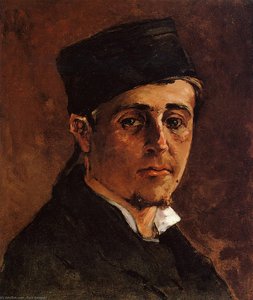
Self Portrait
 Acrylic On Canvas
- WallArt
- British Impressionism
 1920
1920 74.0 x 59.0 cm
 Fitzwilliamin museo
Philip Wilson Steer's "The President Woodrow Wilson House" captures a contemplative man in a suit, showcasing his signature Impressionistic style and masterful use of light & shadow. Explore this evocative portrait.
 Lue lisää
Philip Wilson Steer (1860-1942) oli merkittävä brittiläinen impressionisti, tunnettu lumoavista merimaisemistaan ja rannikkokuvistaan. Hänen tyylinsä yhdisti ranskalaisia vaikutteita englannin tunnelmaan. Teoksia Tate & Uffizi -kokoelmissa.
Giclée- ja taideprintit
Museolaatuisia giclée- tai kankaitaulun tulosteita nopealla tuotannolla ja joustavilla viimeistelyvaihtoehdoilla. ( Tilaa käsinmaalattu jäljennös Siirry digitaaliseen kuvaan)




P118B €10

P118H €10

P118W €10

P438Z €10

P508JH €12

P508YH €12

P805H €10

P805Z €10

P919BZ €10

P919G €10

P919XJ €10

P959ZH €10

P968JZ €12

W106C €8

W218G €10

W218JH €8

W218Y €10

W307PJ €10

W316G €10

W316PJ €8

W316Y €10

W398PJ €8

W4111J €10

W500HY €15

W500JH €15

W692G €12

W849H €8

W940BG €15

W953PJ €8




Vakiokoko
mittatilaustyö
CM
INCH
Valitse valmiista mitoistamme sellaiset, jotka vastaavat teoksen alkuperäisiä mittasuhteita.
Loading sizes...

leveys
korkeus
Voit syöttää omat mitat sopiaksesi tiettyyn kehykseen tai tilaan. Jos valittu koko ei vastaa alkuperäisen kuvan mittasuhteita, rajaamme teosta tai laajennamme kuvaa peilatulla tai yhtenäisellä reunalla. Digitaalinen mallikuva lähetetään hyväksyttäväksi ennen tuotannon aloittamista.
Huomaathan, että näytöllä näkyvä esikatselu ei vastaa lopullista rajausta tai laajennusta. Vain mallikuva näyttää lopullisen sommittelun tarkasti.
Vaikka räätälöityjä kokoja on saatavilla, suosittelemme valitsemaan mitat valmiista listasta alkuperäisten mittasuhteiden säilyttämiseksi.
Maailmanlaajuinen toimitus () 2 viikossa tavallisen 4–5 viikon sijaan. (7 lokakuu)

Ilmainen pikatoimitus ympäri maailman

Korkealaatuinen pellavakangas

Kattava kuljetusvakuutus

Tulliveron palautustakuu

Takuu täydellisestä värien vastaavuudesta

100 päivän palautusoikeus valmistusvirhetapauksissa

100% rahat takaisin -takuu

Määräalennus saatavilla
 Lasivaihtoehto on saatavilla vain alle 110 cm kokoisille teoksille

Self Portrait
Giclée- ja taideprintit
Replikaatin koko
-


Kokonaishinta
€ 59
A Portrait of Quiet Intensity: Philip Wilson Steer’s “The President Woodrow Wilson House”
Philip Wilson Steer's "The President Woodrow Wilson House," painted in 1920, isn’t merely a depiction of a building; it’s a carefully constructed tableau brimming with subtle symbolism and imbued with the melancholic beauty characteristic of the artist. This oil-on-canvas work, measuring 74 x 59 cm, transports us to a moment suspended between formality and introspection – a visual poem reflecting on leadership, memory, and the quiet dignity of American history. Steer, a pivotal figure in British Impressionism, masterfully employs a muted palette dominated by greys, blues, and browns, creating an atmosphere of subdued light and contemplative stillness. The composition itself is deliberately restrained, focusing intently on the imposing façade of the Wilson House in Washington D.C., rendered with a remarkable sensitivity to texture and light.
The Impressionist’s Lens: Technique and Style
Steer's approach aligns closely with the tenets of Impressionism, yet he transcends simple replication. He doesn’t strive for photographic accuracy but rather captures an *impression* – a fleeting moment imbued with feeling. Notice how he utilizes broken brushstrokes to suggest the play of light on the stone walls and the subtle shifts in shadow. The artist's layering technique is particularly evident in the rendering of the building’s surface, where individual strokes coalesce to create a sense of depth and volume. Steer was deeply influenced by John Constable and J.M.W. Turner, artists known for their atmospheric landscapes and masterful use of light and color. This influence is palpable in Steer's ability to evoke a specific mood through his manipulation of tone and texture – a feeling of quiet contemplation and perhaps even a touch of wistful nostalgia.
Symbolism Within the Frame: Leadership and Reflection
The choice of subject matter—the Wilson House—is rich in symbolic potential. Woodrow Wilson, the 28th President of the United States, was a complex figure – lauded for his leadership during World War I but also criticized for his handling of racial issues at home. Steer’s painting doesn't offer a straightforward portrait of Wilson himself, instead focusing on the building that housed him and, by extension, representing the weight of responsibility and the enduring legacy of power. The muted colors and the solitary nature of the scene suggest a reflection on leadership itself – its burdens, its triumphs, and its inevitable passage of time. The composition’s stillness invites viewers to contemplate the unseen narratives contained within those walls.
A Legacy of Light: Steer's Influence and Artistic Context
Philip Wilson Steer was a significant figure in British art, bridging the gap between Impressionism and a more traditional English style. His work gained recognition during his time as a painting tutor at the Slade School of Fine Art, where he profoundly influenced generations of young artists. His exploration of coastal scenes, particularly those along the Suffolk coast, cemented his reputation for capturing the ethereal beauty of the British landscape. “The President Woodrow Wilson House” stands as a testament to Steer’s ability to imbue seemingly simple subjects with profound emotional resonance. It's a poignant reminder that even in grand architectural settings, moments of quiet contemplation and subtle symbolism can hold immense artistic value. Reproductions of this piece offer a captivating glimpse into the artist’s world and invite viewers to engage with the complexities of American history through the lens of Impressionist artistry.
Kysymykset ja vastaukset
Mihin vaiheeseen Philip Wilson Steerin uraa teos "Self Portrait" (1920) kuuluu?
Vuosiluku 1920 sijoittaa teoksen "Self Portrait" Philip Wilson Steer:n kehityksen Late Period-vaiheeseen.
Kuinka vanha Philip Wilson Steer oli tehdessään "Self Portrait"?
Kun "Self Portrait" luotiin vuonna 1920, Philip Wilson Steer (syntynyt 1860) oli 60 vuotias.
Mikä tekniikka ja tyyli luonnehtivat teosta Philip Wilson Steer:n "Self Portrait"?
"Self Portrait" on valmistettu Acrylic On Canvas, ja se edustaa British Impressionism-tyyliä.
Millaista tunnelmaa Philip Wilson Steer:n "Self Portrait" välittää British Impressionism-suuntauksessa?
"Self Portrait" teoksen Reflective tunne kulkee käsi kädessä sen British Impressionism tyylin kanssa.
Minä vuonna teos Philip Wilson Steer:n "Self Portrait" on luotu?
Philip Wilson Steer:n "Self Portrait" on luotu vuonna 1920.
Kenelle taiteilijalle "Self Portrait" on laitettu tekijyys?
Teoksen "Self Portrait" taiteilija on Philip Wilson Steer. Teos on luetteloitu Philip Wilson Steer nimellä.
Mihin taidesuuntaukseen Philip Wilson Steer:n "Self Portrait" kuuluu?
"Self Portrait" on British Impressionism-tyylisuuntaan kuuluva teos. Tyylisuunta ilmaisee taiteellisen perinteen, johon teos kuuluu.
Samankaltaisia teoksia


Taiteilijan elämäkerta
Varhaiset Vuodet ja Taiteellinen Pohja
Philip Wilson Steer syntyi Birkenheadissa vuonna 1860, taiteellisesti suuntautuneeseen perheeseen – hänen isänsä toimi muotokuvamaalarina ja omistautuneena taideopettajana. Tämä varhainen altistus oli ratkaisevan tärkeää, vaalien herkkyyttä, joka määrittelisi hänen elämänsä polun. Muutto Whitchurchiin Monmounthin lähelle kolmevuotiaana juurrutti häneen yhteyden brittiläiseen maaseutuun, joka kaikui läpi hänen tuotantonsa. Virallinen koulutus alkoi Hereford Cathedral Schoolissa, antaen pohjan ennen kuin hän omistautui täysin taiteellisille pyrkimyksilleen. Steerin opiskelu jatkui Gloucester School of Artissa ja South Kensington Drawing Schoolsissa, mutta hänen oleskelunsa Pariisissa vuosina 1880–1884 osoittautui todella mullistavaksi. Opiskellessaan Académie Julianissa ja myöhemmin Alexandre Cabanelin johdolla École des Beaux Artsissa hän kohtasi maailman, joka oli täynnä uusia ideoita ja maalaustapoja.Impressionismin Omaksuminen ja Omakasainen Tyyli
Pariisi oli Steerin taiteellisen kehityksen polttouuni. Hän liikkui syvästi Édouard Manetin ja James McNeill Whistlerin teoksissa, omaksuen heidän innovatiivisia tekniikoitaan valon, värin ja tunnelman vangitsemiseksi. Tämä altistus sytytti hänessä intohimon impressionismiin, mutta hän ei koskaan vain toistanut sitä. Steer yhdisti taitavasti nämä ranskalaiset vaikutteet luontaisiin englantilaisiin herkkyyksiinsä, luoden ainutlaatuisen tyylin. Hänen maalauksilleen on ominaista poikkeuksellinen kyky vangita ohikiitäviä hetkiä – auringonvalon leikki vedessä, rannikkoilmaston katoava laatu. Hän käytti löysiä siveltimenvetoja ja eloisia värejä ei vain kuvaamaan kohtauksia vaan herättämään tunteita ja luomaan mukaansatempaavan välittömyyden tunteen. Toistuvia teemoja hänen työssään ovat rantamaisemat ja merimaisemat, usein kylvetty hopeiseen, läpikuultavaan valoon, mikä osoittaa mestaruutta näiden ympäristöjen raikkauden ja kirkkauden kuvaamisessa. Teokset kuten The Music Room uransa alussa esittelevät hänen kehittyvää taitoaan sommittelussa ja valossa, kun taas teokset kuten Girls Running: Walberswick Pier pursuavat Suffolkin rannikkokaupungin energiaa ja eloisuutta.Modernin Taiteen Puolestapuhuja ja Etaplesin Vaikutus
Steer ei tyytynyt pelkästään maalaamaan; hän muokkasi aktiivisesti Britannian taidemaailmaa. Hänellä oli keskeinen rooli New English Art Clubin perustamisessa, organisaatiossa, joka omistautui modernin taiteellisen ilmaisun puolustamiselle – rohkea siirto aikana, jolloin perinteiset maut hallitsivat edelleen. Tämän alustan ja säännöllisten näyttelyiden kautta Royal Academyssä, mukaan lukien uraauurtava London Impressionist Exhibition vuonna 1889, hän auttoi tuomaan uusia ideoita ja haastamaan tavanomaisia normeja. Hänen aikansa Etaplesin taiteilijasiirtokunnassa vuonna 1887 hioi hänen taiteellista näkemystään entisestään. Tämä vilkas taiteilijoiden yhteisö tarjosi stimuloivan ympäristön kokeiluille ja yhteistyölle, vahvistaen hänen kykyään vangita valoa ja tunnelmaa yhä vivahteikkaammin. Steer inspiroitui monista mestareista – John Constable, J.M.W. Turner ja jopa François Boucher – mutta suodatti nämä vaikutteet aina oman ainutlaatuisen perspektiivinsä kautta.Perintö, Tunnustus ja Kestävä Vaikutus
Philip Wilson Steer jatkoi ahkerasti maalaamista, kunnes terveysongelmat pakottivat hänet lopettamaan vuonna 1940, kuollen kaksi vuotta myöhemmin 81-vuotiaana. Hänen panoksensa tunnustettiin laajalti hänen elinaikanaan ja huipentui Merit Orderiin nimitykseen. Tänään hänen teoksiaan on arvostetuissa kokoelmissa ympäri maailmaa, mukaan lukien Tate Gallery ja jopa Uffizin galleria – osoitus hänen kansainvälisestä maineestaan. Maalaustensa lisäksi Steerin perintö ulottuu pitkään toimintaansa maalausopettajana Sladen taidekoulussa. Vuosien ajan hän vaikutti syvästi nuorten artistien sukupolviin, välittäen paitsi teknisiä taitoja myös syvän arvostuksen havainnoinnille ja taiteelliselle rehellisyydelle. Hänen panoksensa impressionismin kehittämiseen ja hyväksymiseen Britanniassa on kiistaton, mikä vahvistaa hänen asemansa merkittävänä hahmona brittiläisessä taidehistoriassa – maalari, joka yhdisti menestyksekkäästi perinteen ja modernin, jättäen pysyvän jäljen Britannian taiteeseen. Merkittäviä teoksia kuten Convalescent, sen rikkailla tekstuureilla ja herättävällä katseella, ja The Teme at Ludlow, joka korostaa seesteistä kauneutta ja mestarillista siveltimenvetoa, jatkavat yleisön lumoamista tänäänkin, mikä osoittaa hänen taiteellisen visionsa ajattomuuden.
Philip Wilson Steer
1860 - 1942 , Yhdistynyt kuningaskunta
Tietoa taiteilijasta
- Kansallisuus: Brittiläinen
- Koko Nimi: Philip Wilson Steer
- Kuolinpäivä: 18 maaliskuuta 1942
- Merkittävät Teokset:
- The Music Room
- Girls Running
- Syntymäpaikka: Birkenhead, Iso-Britannia
- Syntymäpäivä: 28 joulukuuta 1860
- Taidesuuntaus: Impressionismi
- Tästä Taiteilijasta Vaikutteita Saaneet: ['Brittiläinen impressionismi']
- Vaikuttaneet Taiteilijat:
- Manet
- Whistler
Aiheeseen liittyvät artikkelit

Beyond the Light: Discovering the Soul and Emotional Depth of Post-Impressionism
Embark on a cultural journey through Post-Impressionism. Discover the profound emotional depth of masters like Van Gogh and Cézanne, exploring how they moved beyond light to capture the very soul of human experience through vibrant color and symbolic form.

Capturing the Light: A Journey Through the Ethereal Magic of Impressionism and Post-Impressionism
Embark on a cultural journey through the luminous world of Impressionism. Discover the profound beauty of Monet, Van Gogh, and Cézanne through expert art history insights and explore how to bring these timeless masterpieces into your home with museum-quality hand-painted reproductions.
Tutustu teoksiin, jotka on järjestetty aiheiden, tyylien ja ominaisuuksien mukaan.
