


 Esikatselu
 Jaa teos
 Jaa
Jaa
 Tiedot
 Opas
Opas

 Lataa kuva
 Samanlaisia kohteita
 Röntgenkuvaus
 Diaesitys
 Tilastot
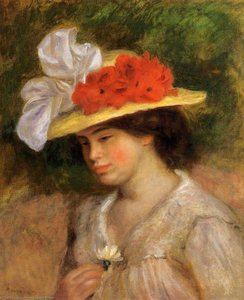
The Pinned Hat


Experience Pierre-Auguste Renoir’s ‘The Pinned Hat,’ a captivating lithograph capturing intimate feminine connection through delicate lines and tonal shading. A timeless study of beauty, emotion, and fleeting moments.
 Lue lisää
Pierre-Auguste Renoir (1841-1919): Ranskalainen impressionisti, joka vangitsi valon ja elämänilon maalauksissaan! Tutustu hänen mestariteoksiinsa TopImpressionistsissa.
Giclée- ja taideprintit
Museolaatuisia giclée- tai kankaitaulun tulosteita nopealla tuotannolla ja joustavilla viimeistelyvaihtoehdoilla. ( Osta käsinmaalattu taideteos Siirry digitaaliseen kuvaan)




P118B €10

P118H €10

P118W €10

P438Z €10

P508JH €12

P508YH €12

P805H €10

P805Z €10

P919BZ €10

P919G €10

P919XJ €10

P959ZH €10

P968JZ €12

W106C €8

W218G €10

W218JH €8

W218Y €10

W307PJ €10

W316G €10

W316PJ €8

W316Y €10

W398PJ €8

W4111J €10

W500HY €15

W500JH €15

W692G €12

W849H €8

W940BG €15

W953PJ €8




Vakiokoko
räätälöity
CM
INCH
Valitse valmiista mitoistamme sellaiset, jotka vastaavat teoksen alkuperäisiä mittasuhteita.
Loading sizes...

leveys
korkeus
Syötä tarvitsemasi leveys ja korkeus, jotta tuloste sopii kehyksiisi tai seinällesi. Tulostetta voidaan vain leikata, sitä ei voida koskaan suurentaa alkuperäistä kuvaa suuremmaksi, joten eri muotoinen koko aiheuttaa osan kuvasta katoamisen. Lähetämme sinulle digitaalisen mallikuvan hyväksyttäväksi ennen kuin aloitamme tulostuksen. Tällä sivulla näkyvä kuva ei näytä lopullista rajausta — vain mallikuva näyttää sen.
Maailmanlaajuinen toimitus () 2 viikossa tavallisen 4–5 viikon sijaan. (28 lokakuu)

Ilmainen pikatoimitus ympäri maailman

Korkealaatuinen pellavakangas

Kattava kuljetusvakuutus

Tulliveron palautustakuu

Takuu täydellisestä värien vastaavuudesta

100 päivän palautusoikeus (vain valmistusvirheet)

100% rahat takaisin -takuu

Määräalennus tarjolla
 Lasivaihtoehto on saatavilla vain alle 110 cm kokoisille teoksille

The Pinned Hat
Giclée- ja taideprintit
Replikaatin koko
-


Kokonaishinta
€ 61
A Moment Frozen in Time: Renoir’s “The Pinned Hat”
Pierre-Auguste Renoir's "The Pinned Hat," created around 1897, is more than just a monochrome study of two women; it’s a delicately rendered tableau of feminine connection and fleeting beauty. This lithograph, now housed at the Museum of Modern Art (MoMA), offers a glimpse into the artist’s Impressionistic world – a realm where light, atmosphere, and the ephemeral nature of experience take precedence over sharp detail and photographic realism. The artwork immediately draws the viewer in with its quiet intimacy, a sense of shared secret unfolding within a softly defined space.
The composition centers on two figures, their bodies subtly intertwined as one woman carefully places a flower into the other’s hair. A large, elaborate hat – adorned with blossoms and clearly the focal point of attention – dominates the upper portion of the image, its folds and textures rendered with Renoir's characteristic loose brushwork. A handbag rests at the feet of the first woman, suggesting a leisurely afternoon or perhaps a social gathering. The background hints at an outdoor setting, with indistinct forms that suggest trees and birds, adding to the overall sense of tranquility and natural beauty. It’s a scene brimming with understated elegance, capturing a private moment of connection against a backdrop of implied serenity.
Impressionistic Techniques: Light, Line, and Texture
Renoir's masterful use of technique is central to the artwork’s impact. The complete absence of color – relying solely on shades of gray – forces the viewer to engage with the subtleties of light, line, and texture. Hatching and cross-hatching are employed extensively to build up form and create a remarkably tactile surface. Notice how these techniques are particularly evident in the depiction of hair, clothing, and the delicate petals of the flowers. The artist skillfully uses tonal variations to define shapes, creating an illusion of depth and volume without resorting to traditional shading methods.
The loose brushwork, a hallmark of Impressionism, contributes significantly to the artwork’s atmospheric quality. Rather than meticulously outlining forms, Renoir allows the lines to flow organically, capturing the fleeting impressions of light and shadow. This technique imbues the image with a sense of movement and immediacy, as if we are witnessing this intimate moment unfold before our eyes. The flattened perspective further enhances this impressionistic effect, prioritizing mood and feeling over strict spatial accuracy.
Symbolism and Emotional Resonance
"The Pinned Hat" is rich in symbolic potential. Flowers, universally associated with femininity, growth, and beauty, are prominently featured, reinforcing the theme of connection and blossoming relationships. The hat itself can be interpreted as a symbol of status, fashion, or perhaps even vanity – a carefully constructed image presented to the world. The act of pinning a flower into hair is a gesture of affection and adornment, suggesting a shared appreciation for beauty and a desire to enhance one’s appearance.
Beyond its symbolic layers, the artwork evokes a powerful sense of nostalgia and quiet intimacy. The subdued palette, combined with the gentle interaction between the two women, creates an atmosphere of tenderness and wistful reflection. It's a scene that invites contemplation on the fleeting nature of beauty, the importance of human connection, and the enduring power of simple moments shared in the company of loved ones. The overall emotional tone is one of serene grace, capturing a private world bathed in soft light.
A Reproduction for Your Space: Bringing Renoir’s Vision Home
TopImpressionists offers meticulously crafted hand-painted reproductions of “The Pinned Hat,” allowing you to bring this exquisite artwork into your home or office. Our skilled artists replicate Renoir's delicate techniques and atmospheric effects with the utmost precision, ensuring that every detail faithfully captures the original’s beauty and nuance. Whether you are an art enthusiast, a collector seeking a unique addition to your collection, or simply someone who appreciates timeless elegance, our reproductions provide a stunning way to experience the magic of Pierre-Auguste Renoir's masterpiece.
Consider how this evocative image would complement your interior design – its muted tones and intimate subject matter lending themselves beautifully to spaces seeking tranquility and sophistication. Explore our range of sizes and framing options to find the perfect reproduction for your personal style.
Kysymykset ja vastaukset
Onko "The Pinned Hat" yksi Pierre-Auguste Renoir'n suosituimmista teoksista?
Teoksen Pierre-Auguste Renoir:n "The Pinned Hat" suosiotaso on Recognized.
Onko teoksella Pierre-Auguste Renoir:n "The Pinned Hat" pysty- vai vaakasuuntainen orientaatio?
Pierre-Auguste Renoir:n "The Pinned Hat" on Portrait-muotoinen sommitelma. Suhteet kannattaa tarkistaa ennen tulostekoon valitsemista.
Voinko katsoa teosta "The Pinned Hat" koko näytön diashow'na?
Katso kuvagalleria: Pierre-Auguste Renoir:n "The Pinned Hat" -teoksen Diaesitys -sivu.
Samankaltaisia teoksia


Taiteilijan elämäkerta
Varhaiset Vuodet ja Taiteilijan Alkutaival
Pierre-Auguste Renoir syntyi 25. helmikuuta 1841 Ranskan Limogesissa, vaatimattomiin oloihin räätälin poikana. Hänen lapsuutensa oli liikkuvaista, sillä perhe muutti Pariisiin vuonna 1844 etsimään parempia elanto-mahdollisuuksia. Juuri Pariisin vilkas kaupunkielämä ja sen monimuotoiset ihmiset alkoivat luoda pohjaa Renoirin myöhemmälle taiteelliselle näkemykselle. Nuori Auguste aloitti uransa posliininmaalajana – käytännöllinen valinta, joka oli sanelema velvollisuudesta huolehtia perheen toimeentulosta. Työn ohessa hän löysi lohdun ja inspiraation Louvren taidemuseon vierailuista, tutkien vanhojen mestareiden tekniikoita ja kehittäen syvää kauneudenarvostusta, joka tulisi olemaan hänen tyylinsä tunnusmerkki. Tämä varhainen altistus herätti hänessä intohimon, joka ylitti pelkän käsityötaidon; se oli kutsumus vangita valon ja elämän katoavaiset hetket kankaalle. Vuonna 1860 hän sai luvan jäljentää Louvren teoksia, mikä mahdollisti syvemmän paneutumisen taiteen maailmaan. Myöhemmin Renoir opiskeli Charles Gleyren ateljeessa, jossa hän solmi elinikäisiä ystävyyssuhteita tulevien impressionistien Claude Monet’n, Alfred Sisleyn ja Frédéric Bazillen kanssa – ratkaiseva hetki, joka loi pohjan impressionismin liikkeelle.Realismista Säteileviin Vaikutelmiin
Renoirin taiteellinen kehitys oli kiehtovaa evoluutiota, johon vaikuttivat moninaiset mestarit. Aluksi hän ihaili Gustave Courbet’n ja Édouard Manet’n realismia, arvostaen heidän sitoutumistaan nykyelämän kuvaamiseen rehellisesti ja suoraan. Kuitenkin juuri Peter Paul Rubensin ja Jean-Antoine Watteaun valoisat värit ja aistilliset muodot lumosivat häntä todella, istuttaen hänen teoksiinsa syvän kauneudenarvostuksen ja taipumuksen kuvata ilon ja vapaa-ajan kohtauksia. Nämä varhaiset vaikutteet kiteytyivät, kun Renoir alkoi luoda omaa ainutlaatuista tyyliään, jolle oli tunnusomaista eloisat värit, katkelmallinen siveltötekniikka ja keskittyminen valon hetkellisten vaikutusten vangitsemiseen. Osallistuminen ensimmäiseen impressionistien näyttelyyn vuonna 1874 oli vedenjakaja, vaikka se aluksi kohtasi perinteisen taidemaailman kritiikkiä. Tämä rohkea liike merkitsi akateemisten konventioiden hylkäämistä ja uuden taiteellisen vision omaksumista – visiota, joka pyrki vangitsemaan paitsi mitä silmä näkee, myös miten *tuntuu* kokea tietty hetki. Maalaukset kuten Dance at Le Moulin de la Galette (1876) ilmentävät tätä lähestymistapaa, upottaen katsojan pariisilaisen yöelämän eloisaan tunnelmaan sen hajanaisessa auringonvalossa ja iloisissa hahmoissa.Elämän Katoavaisten Hetkien Vangitseminen: Keskeiset Teokset ja Aiheet
Renoirin tuotanto on juhla elämän yksinkertaisista nautinnoista – intiimeistä kokoontumisista, auringonpaisteisista maisemista ja ihmisen kauneudesta. Luncheon of the Boating Party (1880-81) on ehkä yksi hänen tunnetuimmista teoksistaan, jossa kuvataan seuralaisten iloista iltapäivää Seinellä. Maalaus on mestarillinen valon ja liikkeen kuvaus, hahmot kylpevät lämpimässä auringonvalossa ja heijastukset kimaltelevat vedessä. After the Bath (1885-87) esittelee Renoirin hienoa taitoa naisvartalon kuvaamisessa, korostaen herkkiä ihonsävyjä ja sulavia asentoja. Hänen maalauksensa eivät ole pelkkiä todellisuuden kuvauksia; ne ovat täynnä lämpöä, intiimiä tunnelmaa ja iloa, joka resonoi syvästi katsojassa. Hän ei ollut kiinnostunut suurista historiallisista kertomuksista tai dramaattisista allegorioista; sen sijaan hän keskittyi vangitsemaan kauneuden, joka piilee jokapäiväisessä elämässä, kohottaen arkiset hetket taideteoksiksi. Dance at Bougival, toinen tunnettu teos, osoittaa hänen kykynsä vangita ohimeneviä vaikutelmia ja tunnelmaa, luoden liikkeen ja spontaanisuuden tunteen.Muodon ja Rakenteen Suuntaan: Myöhemmät Vuodet ja Perintö
1890-luvulla Renoirin tyyli koki merkittävän muutoksen. Vaikka hän ei koskaan hylännyt täysin impressionistisia juuriaan, hän alkoi siirtyä kohti veistoksellisempaa ja klassisempaa lähestymistapaa, johon vaikuttivat hänen matkansa Italiaan ja uusi kiinnostus muotoon ja rakenteeseen. Tähän muutokseen vaikutti myös fyysinen rajoittuneisuus – niveltulehdus rajoitti vähitellen hänen liikkuvuuttaan, pakottaen hänet sopeuttamaan tekniikkaansa. Näistä haasteista huolimatta Renoir jatkoi maalaamista horjumattomalla omistautumisella, tuottaen teoksia, joille on tunnusomaista täyteläisemmät muodot ja lämpimämpi väripaletti. Hänen myöhemmissä maalauksissaan heijastuu usein pohdiskelevampi tunnelma, mutta ne säilyttävät silti saman kauneuden juhlinnan, joka määritteli hänen varhaisemman työnsä. Renoirin perintö ulottuu taiteellisten saavutustensa lisäksi myös hänen perheeseensä; hänen poikansa Jean Renoirista tuli tunnettu elokuvantekijä, välittäen luovan hengen sukupolvelta toiselle. Pierre-Auguste Renoir kuoli vuonna 1919 jättäen jälkeensä kestävästi vaikuttavan tuotannon, joka jatkaa inspiroimasta ja ilahduttamasta yleisöä ympäri maailmaa. Hän on edelleen yksi rakastetuimmista hahmoista taidehistoriassa, jota ylistetään hänen kyvystään vangita elämäniloa ja ihmisen kokemuksen kauneutta vertaansa vailla olevalla herkkyydellä ja tyylikkyydellä.Kestävä Vaikutus
- Renoirin vaikutus myöhempiin taiteilijasukupolviin on kiistaton. Hänen painotuksensa valolle, värille ja hetkellisten hetkien vangitsemiselle tasoitti tietä monille moderneille taidesuuntauksille.
- Hänen kauneuden ja aistillisuuden juhlimisensa resonoi edelleen yleisön kanssa tänään, tehden hänen teoksistaan universaalisti vetoavia.
- Hänellä oli keskeinen rooli impressionismin vakiinnuttamisessa merkittävänä voimana taidehistoriassa, haastaen perinteisiä konventioita ja avaten uusia mahdollisuuksia taiteelliselle ilmaisulle.
- Hänen maalaustensa kestävä suosionsa – toistuen lukemattomissa julisteissa, kalentereissa ja muissa tuotteissa – todistaa hänen työnsä ajattomuudesta.

Pierre-Auguste Renoir
1841 - 1919 , Ranska
Pähkinänkuoressa
- Artistic Movement Or Style: impressionismi
- Artists Or Movements Influenced By This Artist: ['impressionismi']
- Artists Who Influenced This Artist:
- Rubens
- Watteau
- Courbet
- Manet
- Date Of Birth: 25. helmikuuta 1841
- Date Of Death: 3. joulukuuta 1919
- Full Name: Pierre-Auguste Renoir
- Nationality: ranskalainen
- Notable Artworks:
- Dance at Le Moulin de la Galette
- Luncheon of the Boating Party
- After the Bath
- Dance at Bougival
- Place Of Birth: Limoges, Ranska
Aiheeseen liittyvät artikkelit

Capturing the Light: A Journey Through the Ethereal Magic of Impressionism and Post-Impressionism
Embark on a cultural journey through the luminous world of Impressionism. Discover the profound beauty of Monet, Van Gogh, and Cézanne through expert art history insights and explore how to bring these timeless masterpieces into your home with museum-quality hand-painted reproductions.
Tutustu teoksiin, jotka on järjestetty aiheiden, tyylien ja ominaisuuksien mukaan.


