

 Esikatselu
 Jaa teos
 Jaa
Jaa
 Tiedot
 Opas
Opas

 Lataa kuva
 Samanlaisia kohteita
 Röntgenkuvaus
 Diaesitys
 Kysymykset ja vastaukset
 Tilastot
St cecilia (detail)2


Raphael's 'St. Cecilia (detail)' showcases a vibrant musical scene with instruments and figures, reflecting the saint’s patronage of music. Explore this iconic Renaissance masterpiece and its rich symbolism.
 Lue lisää
lta tulla Roomaan. Tämä merkitsi hänen tuotteliaisimman ja juhlistetun kautensa alkua. Ikuinen kaupunki tarjosi hänelle vertaansa vailla olevan mahdollisuuden esitellä kykyjään laajassa mittakaavassa koristamalla paavin asunnot Vatikaanissa henkeäsalpaavilla freskoilla. <b>Koulun athenalaisesta</b>
Giclée- ja taideprintit
Museolaatuisia giclée- tai kankaitaulun tulosteita nopealla tuotannolla ja joustavilla viimeistelyvaihtoehdoilla. ( Osta käsinmaalattu taideteos Siirry digitaaliseen kuvaan)




P118B €10

P118H €10

P118W €10

P438Z €10

P508JH €12

P508YH €12

P805H €10

P805Z €10

P919BZ €10

P919G €10

P919XJ €10

P959ZH €10

P968JZ €12

W106C €8

W218G €10

W218JH €8

W218Y €10

W307PJ €10

W316G €10

W316PJ €8

W316Y €10

W398PJ €8

W4111J €10

W500HY €15

W500JH €15

W692G €12

W849H €8

W940BG €15

W953PJ €8




Vakiokoko
räätälöity
CM
INCH
Valitse valmiista mitoistamme sellaiset, jotka vastaavat teoksen alkuperäisiä mittasuhteita.
Loading sizes...

leveys
korkeus
Syötä tarvitsemasi leveys ja korkeus, jotta tuloste sopii kehyksiisi tai seinällesi. Tulostetta voidaan vain leikata, sitä ei voida koskaan suurentaa alkuperäistä kuvaa suuremmaksi, joten eri muotoinen koko aiheuttaa osan kuvasta katoamisen. Lähetämme sinulle digitaalisen mallikuvan hyväksyttäväksi ennen kuin aloitamme tulostuksen. Tällä sivulla näkyvä kuva ei näytä lopullista rajausta — vain mallikuva näyttää sen.
Maailmanlaajuinen toimitus () 2 viikossa tavallisen 4–5 viikon sijaan. (5 marraskuu)

Ilmainen pikatoimitus ympäri maailman

Korkealaatuinen pellavakangas

Kattava kuljetusvakuutus

Tulliveron palautustakuu

Takuu täydellisestä värien vastaavuudesta

100 päivän palautusoikeus (vain valmistusvirheet)

100% rahat takaisin -takuu

Määräalennus tarjolla
 Lasivaihtoehto on saatavilla vain alle 110 cm kokoisille teoksille

St cecilia (detail)2
Giclée- ja taideprintit
Replikaatin koko
-


Kokonaishinta
€ 62
The Enigmatic Beauty of St. Cecilia
Raphael’s “St. Cecilia (detail)” is more than just a portrait; it's a carefully constructed tableau brimming with symbolic resonance and the quiet elegance characteristic of the High Renaissance. This intimate study, likely part of a larger altarpiece, offers a glimpse into a world where music, faith, and artistic patronage intertwined seamlessly. The painting depicts St. Cecilia, the patron saint of musicians, not as a grand, imposing figure, but as a serene young woman absorbed in her devotion – a deliberate choice that speaks volumes about Raphael’s understanding of his subject and his audience.

The composition is remarkably balanced, drawing the eye to St. Cecilia at its center. She’s not actively performing or engaged in a dramatic gesture; instead, she sits with an almost meditative stillness, her gaze directed heavenward. Around her cluster instruments – violins, cellos, and a guitar – each rendered with meticulous detail, suggesting both her connection to the earthly realm of music and her spiritual elevation. Notice how these instruments aren’t merely decorative; they are integrated into the scene as if part of her very being, echoing the harmony she embodies.
A Symphony of Symbolism
Raphael masterfully employs symbolism throughout this work. The placement of the musical instruments is particularly significant. The three violins, one near the center, another towards the bottom-left corner and the third one is placed in the upper-right corner, create a visual triangle that draws attention to St. Cecilia. The cello at the top right and the one on the left side further reinforce this compositional balance. Beyond their decorative value, these instruments represent the diverse facets of musical expression – from the intimate solo violin to the rich resonance of the cello and the vibrant strumming of the guitar. The scattered books, each positioned with deliberate care, symbolize learning, wisdom, and the intellectual pursuits that underpinned Renaissance culture. The inclusion of St. John the Evangelist, St. Paul, and St. Augustine on either side of Cecilia reinforces her spiritual connection to the broader Christian community.
Furthermore, the scene’s overall atmosphere is one of quiet contemplation. The muted palette – dominated by earth tones and subtle blues – contributes to this sense of serenity. The use of *chiaroscuro*, with carefully rendered light and shadow, adds depth and drama to the figures while maintaining a harmonious balance. It's a testament to Raphael’s ability to capture not just physical likeness but also the inner life of his subjects.
Renaissance Context and Artistic Innovation
Created around 1514-1515 in Rome, “St. Cecilia (detail)” reflects the artistic trends of the High Renaissance – a period characterized by classical ideals, humanism, and a renewed interest in religious iconography. Raphael was deeply influenced by Leonardo da Vinci and Michelangelo, absorbing their innovative techniques and striving to achieve a harmonious balance between realism and idealism. As Vasari noted, this painting exemplifies Raphael’s ability to seamlessly blend the elegance of Florentine art with the grandeur of Roman tradition.
Interestingly, early accounts attributed the creation of this still-life to Raphael's assistant Giovanni da Udine, though later research confirmed that Raphael himself was responsible for all the instruments depicted. This highlights the collaborative nature of Renaissance artistic production and underscores Raphael’s mastery over his craft. The painting stands as a remarkable example of how art could simultaneously celebrate religious devotion, showcase technical skill, and engage with broader cultural values.
Bringing Raphael's Vision Home
TopImpressionists is proud to offer meticulously crafted hand-painted reproductions of “St. Cecilia (detail).” Our artists recreate the painting’s exquisite detail, vibrant colors, and profound symbolism with unparalleled skill, ensuring that you receive a stunning work of art that captures the essence of Raphael's masterpiece. Whether for your home, office, or collection, this reproduction offers an authentic connection to one of the Renaissance’s most celebrated figures and a timeless testament to the power of beauty and devotion.
Kysymykset ja vastaukset
Kuinka monta ihmistä katsoo teosta "St cecilia (detail)2"?
Rafael:n "St cecilia (detail)2"-teoksen Tilastot esittää julkiset käyntitilastot: teoksen kuukausittaiset vierailut, vertailun taiteilijan katsotuimpiin teoksiin sekä tiedot siitä, mistä vierailijat ovat kotoisin.
Voinko katsoa teosta "St cecilia (detail)2" koko näytön diashow'na?
Teoksen Rafael:n "St cecilia (detail)2" voi katsella diaesityksenä sen Diaesitys -sivulla.
Mitä tekniikkaa Rafael:n "St cecilia (detail)2" on käytetty?
Rafael käytti teoksessa "St cecilia (detail)2" Acrylic On Canvas-tekniikkaa. Tekniikka määrittelee alkuperäisen teoksen materiaalisen luonteen.
Taiteilijan elämäkerta
Renessanssin valon tuoja: Rafaelin elämä ja taiteellinen nousu
Raffaello Sanzio da Urbino, paremmin tunnettu nimellä Rafael, syntyi vuonna 1483 pienen mutta henkisesti vilkkaan Urbinon kaupunkivaltion muureissa Keski-Italiassa. Hänen varhaisvuotensa olivat syvästi juurtuneet ilmapiiriin, jossa arvostettiin sekä taidokkuutta että humanistista oppimista. Hänen isänsä, Giovanni Santi, ei ollut pelkästään herttua Federico da Montefeltron palveluksessa oleva maalari – hän oli syvällisesti renessanssiajan ajatusten virtojen kanssa tekemisissä oleva mies, runoilija joka kuvasi herttuan elämää ja etsi aktiivisesti innovatiivisia taiteellisia ideoita koko Italiasta ja sen ulkopuolelta. Tämä uppoutuminen hovielämään, jossa arvostettiin hienostuneisuutta ja älyllistä keskustelua, muokkasi syvästi nuoren Rafaelin herkkyyttä. Isän menettäminen yksitoista vuotiaana toi vastuuta, mutta myös mahdollisuuden kehittää taitojaan perheen työpajassa oppien tekniikoita ja perinteitä paikallisten taiteilijoiden ohjauksessa. Jo näissä varhaisissa töissä alkoi ilmetä lempeä sulavuus ja tarkka yksityiskohtien huomiointi – hänen kypsän tyylinsä tunnusmerkit.
Umbriasta Firenzeen: Uusia vaikutteita omaksumassa
Rafaelin taiteellinen matka oli jatkuvan kehityksen prosessi, jota leimasi intensiivisten opintojen ja assimilaation aika. Hänen varhainen koulutuksensa Pietro Peruginon alaisuudessa Perugiassa loi vankan pohjan umbrilaiselle tyylille – sille oli ominaista pehmeä muotoilu, harmoniset sommittelut ja rauhalliset uskonnolliset kohtaukset. Rafaelilla oli kuitenkin hillitön uteliaisuus, joka ajoi hänet etsimään uusia haasteita ja laajentamaan taiteellisia horisonttejaan. Vuonna 1504 hän matkusti Firenzeen, kaupunkiin jossa pulsoi taiteellisen innovaation energiaa. Täällä hän kohtasi Leonardo da Vincin ja Michelangelon mestariteoksia, taiteilijoita jotka työnsivät maalaamisen rajoja ennennäkemättömällä tavalla. Hän tutki huolellisesti heidän tekniikoitaan – Leonardon sfumatoa, hänen hienovaraisia valon ja varjon sävyjä sekä Michelangelon voimakasta anatomista tarkkuutta ja dramaattisia sommitteluja. Tämä firenzeläinen jakso oli Rafaelille koetinkivi, joka pakotti hänet kohtaamaan uusia taiteellisia mahdollisuuksia ja synteesoimaan ne omaan ainutlaatuiseen visioonsa. Vaikutus näkyy hänen aikaisempien töidensä lisääntyneessä dynaamisuudessa ja psykologisessa syvyydessä, erityisesti madonnojen sarjassaan.
Roomalainen menestys: Tilaukset ja mestariteoksia
Vuonna 1508 Rafael sai kutsun, joka muuttaisi hänen uransa suunnan – paavin Julius II:n kutsun tulla Roomaan. Tämä merkitsi hänen tuotteliaisimman ja juhlistetun kautensa alkua. Ikuinen kaupunki tarjosi hänelle vertaansa vailla olevan mahdollisuuden esitellä kykyjään suuressa mittakaavassa koristamalla paavin huoneistoja Vatikaanissa henkeäsalpaavilla freskoilla. Koulun athenalainen koulu, ehkä hänen tunnetuin työnsä, on todiste hänen mestaruudestaan sommittelussa, perspektiivissä ja filosofisessa allegoriassa. Majesteettisessa tilassaan Rafael kokosi antiikin klassisten hahmojen – Platonin, Aristoteleen, Pythagoraan, Eukleideen – luoden eloisan tableau’n joka juhlisti ihmisen järkeä ja tiedon tavoittelua. Hän jatkoi työskentelyä myöhempien paavien, Leo X:n mukaan lukien, ryhtyen monumentaalisiin projekteihin kuten Stanze della Segnaturan koristeluun ja Stanza d'Eliodoroon. Hänen freskonsa näissä huoneissa eivät ole pelkästään koristeellisia; ne ovat syvällisiä lausuntoja paavillisen vallan, uskonnollisesta vakaumuksesta ja renessanssin ihanteista.
Armon ja loiston synteesi: Rafaelin taiteellinen tyyli
Rafaelin taiteellista tyyliä kuvataan usein harmoniseksi sekoitukseksi sulavuutta, selkeyttä ja idealisoitua kauneutta. Hänellä oli poikkeuksellinen kyky syntetisoida monimuotoisia vaikutteita – umbrilainen perinne, firenzeläiset innovaatiot, antiikin klassisuus – ainutlaatuisesti tasapainoiseen estetiikkaan. Hänen sommittelunsa on huolellisesti suunniteltuja ja niissä on järjestystaju ja suhteellisuussuhde joka heijastaa hänen syvällistä ymmärrystään renessanssin periaatteista. Hänen hahmonsa säteilevät rauhallista arvokkuutta ja tunteiden ilmaisua, ruumiillistaen humanistisen ihanteen ihmisen täydellisyydestä. Hän oli myös mestarivärittäjä käyttäen rikkaita, kirkkaita sävyjä luodakseen teoksia jotka ovat sekä visuaalisesti kiehtovia että älyllisesti stimuloivia. Toisin kuin Michelangelon usein dramaattinen ja myrskyisä tyyli, Rafaelin työ huokuu rauhallisuutta ja harmoniaa – laatua joka on ihastuttanut yleisöjä vuosisatojen ajan.
Perintö ja kestävä vaikutus
Rafaelin ennenaikainen kuolema vuonna 1520 kolmekymmentäseitsemän vuoden iässä katkaisi uran, joka oli täynnä potentiaalia. Hänen perintönsä kuitenkin kestää yhtenä läntisen taidehistorian merkittävimmistä hahmoista. Hänen työnsä tuli korkean renessanssin estetiikan kulmakiveksi ja toimi mallina sukupolville taiteilijoita. Vaikka Michelangelon vaikutus hallitsisi myöhemmin taiteellista keskustelua, Rafaelin painotus selkeyteen, harmoniaan ja idealisoituun kauneuteen koki uuden nousukauden uusklassisella aikakaudella, jonka kriitikot kuten Johann Joachim Winckelmann puolustivat. Tänään hänen maalauksensa jatkavat ihmetyksen ja ihailun herättämistä lumoamalla katsojia teknisellä loistollaan, tunteellisella syvyydellään ja kestävillä vetovoimillaan. Hänen vaikutuksensa näkyy lukemattomissa myöhemmissä taideteoksissa vahvistaen hänen paikkansa renessanssin todellisena mestarina – maalari joka vangitsi paitsi aiheensa fyysisen ulkonäön myös ihmisen armon ja arvokkuuden olemuksen.

Rafael
1483 - 1520 , Italia
Pähkinänkuoressa
- Artistic Movement Or Style: Korkea renessanssi
- Artists Or Movements Influenced By This Artist: ['Neoklassismi']
- Artists Who Influenced This Artist:
- Leonardo da Vinci
- Michelangelo
- Date Of Birth: 1483
- Date Of Death: 1520
- Full Name: Raffaello Sanzio
- Nationality: Italialainen
- Notable Artworks:
- Koulun Ateenassa
- Sistuksen Madonna
- Place Of Birth (City And Country): Urbino, Italia
Aiheeseen liittyvät artikkelit
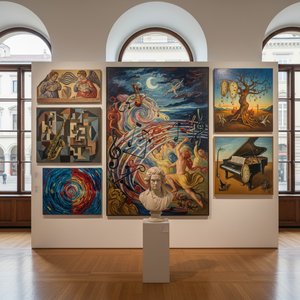
Harmonies on Canvas: Exploring the Visual Representation of Music in Art History
Explore the fascinating history of music's visual representation in art! From ancient symbolism to modern abstraction, discover how artists have captured sound and emotion on canvas. Expert insights & stunning examples.

El Grecon 25 mestariteosta: Taidetta, historiaa ja inspiraatiota kotiisi
Tutustu El Grecon 25 vaikuttavimpaan mestariteokseen! Uppoudu espanjalaisen renessanssin ja manierismin maailmaan. Taidehistoriaa, uskonnollisia maalauksia ja inspiraatiota kotiisi – löydä upeat taidevedokset TopImpressionists.comista.

The Symphony of Canvas: Capturing the Timeless Resonance of Musical Instruments in Fine Art Masterpieces
Explore the profound connection between music and fine art. From ancient iconography to Impressionist masterpieces, discover how legendary instruments are captured on canvas with unparalleled artistry and historical depth for the discerning collector.

Discover the Divine: Inspiring Saint Anthony Artworks to Elevate Your Home Decor
Transform your home with the profound beauty of Saint Anthony artworks. Explore exquisite Baroque reproductions by Murillo and Zurbarán, hand-painted on 100% cotton canvas to bring divine serenity and timeless elegance to your interior design.

Rafaelin 25 mestariteosta: Taidetta kotiisi TopImpressionistsilta
Tutustu Rafaelin 25 upeimpaan mestariteokseen! Uppoudu renessanssitaiteen maailmaan, opi maalauksien tarinat ja löydä inspiraatiota kotiisi. Laadukkaat taideprintit TopImpressionistsilta – tutki kokoelma verkossa!
Tutustu teoksiin, jotka on järjestetty aiheiden, tyylien ja ominaisuuksien mukaan.


