


 Katso seinällä
 Lähetä
 Jaa
Jaa
 Tarkemmat tiedot
 Opas
Opas

 Lataa kuva
 Samanlaisia kohteita
 Röntgenkuvaus
 Diaesitys
 Tilastot
La Madrelenita


Experience Robert Henri's 'La Madrelenita,' a captivating 1910 portrait showcasing American Realism. Admire the vibrant colors, intricate details & intimate gaze of this masterpiece from the Ashcan School.
 Lue lisää
Robert Henri (1865-1929) oli yhdysvaltalainen taidemaalari, joka tunnetaan Ashcan Schoolin edustajana ja realististen kaupunkielämän kuvaajista. Hänen vaikutuksensa amerikkalaiseen taiteeseen on merkittävä.
Käsinmaalattu öljyvärinen jäljennös
Käsinmaalattu öljyväri kankaalle haluamassasi koossa ja kehyksissä, taiteilijoidemme valmistamana tilauksesta. ( Vaihda tulosteeseen Siirry digitaaliseen kuvaan)




P118B €10

P118H €10

P118W €10

P438Z €10

P508JH €12

P508YH €12

P805H €10

P805Z €10

P919BZ €10

P919G €10

P919XJ €10

P959ZH €10

P968JZ €12

W106C €8

W218G €10

W218JH €8

W218Y €10

W307PJ €10

W316G €10

W316PJ €8

W316Y €10

W398PJ €8

W4111J €10

W500HY €15

W500JH €15

W692G €12

W849H €8

W940BG €15

W953PJ €8




Vakiokoko
mittatilaustyö
CM
INCH
Valitse valmiista mitoistamme sellaiset, jotka vastaavat teoksen alkuperäisiä mittasuhteita.
Loading sizes...

leveys
korkeus
Kirjoita tarvitsemasi leveys ja korkeus, jotta teos sopii kehyskehyksiisi tai seinällesi. Koska kyseessä on käsinmaalattu teos, taiteilija voi maalata hieman enemmän kuvan ympärille tai rajata sitä hieman, jos haluat eri muotoisen koon — valinta on sinun. Lähetämme sinulle digitaalisen mallikuvan hyväksyttäväksi ennen kuin maalaus alkaa. Tällä sivulla näkyvä kuva ei vastaa lopullista tulosta — vain mallikuva näyttää sen.
Esimerkkejä muokattavista asioista: Vaihda kasvot asiakkaan omaan valokuvaan; Lisää lemmikki (esim. korvaa kissa koiralla); Lisää taustalle piilotettu viesti; Muuta taustan maisemaa tai elementtejä.
Tilauksen jälkeen TopImpressionists.com -tiimi lähettää asiakkaalle sähköpostitse ohjeet ja esikatselukuvan.
Tilauksen jälkeen TopImpressionists.com -tiimi lähettää asiakkaalle sähköpostitse ohjeet ja esikatselukuvan.
Maailmanlaajuinen toimitus () 3–4 viikossa tavallisen 5 viikon sijaan. (22 lokakuu). Laadusta ei tingitä.

Ilmainen pikatoimitus ympäri maailman

Korkealaatuinen pellavakangas

Kattava kuljetusvakuutus

Tulliveron palautustakuu

Takuu täydellisestä värien vastaavuudesta

100 päivän palautusoikeus valmistusvirhetapauksissa

100% rahat takaisin -takuu

Määräalennus saatavilla
 Lasivaihtoehto on saatavilla vain alle 110 cm kokoisille teoksille

La Madrelenita
Reproduktiotapa
Replikaatin koko
-


Kokonaishinta
€ 236
La Madrelenita: A Glimpse into Early 20th Century American Realism
Robert Henri's "La Madrelenita," created in 1910, stands as a compelling example of American realism and a testament to Henri’s dedication to portraying everyday life with honesty and vitality. This oil on canvas portrait, currently residing within the esteemed collection of the Telfair Museum of Art, offers viewers an intimate encounter with a young woman whose gaze holds both confidence and a touch of melancholy.
Subject and Composition
The painting depicts a close-up portrait of a young woman, likely in her late teens or early twenties. She is elegantly dressed in a striking red dress adorned with green and gold embellishments, indicative of the fashion trends of the era. Her long hair is meticulously styled into a bun, further emphasizing her refined appearance. A delicate gold necklace graces her neck, adding a subtle touch of luxury to the composition. Henri’s masterful use of light and shadow sculpts her features, highlighting the contours of her face and the intricate details of her clothing. The woman's direct gaze engages the viewer, creating an immediate sense of connection and inviting contemplation about her inner world.
Artistic Style and Technique
Henri’s artistic style is characterized by bold brushstrokes and a vibrant color palette, hallmarks of the Ashcan School movement he helped pioneer. In "La Madrelenita," these techniques are employed to create a sense of depth and dimensionality. The warm colors—particularly the rich reds and golds—imbue the painting with energy and vibrancy. Henri’s use of visible brushstrokes adds texture and dynamism, preventing the portrait from appearing static or overly polished. He skillfully captures the nuances of light reflecting on her skin and clothing, demonstrating his keen observational skills and technical proficiency. The composition is carefully balanced, drawing the viewer's eye to the woman's face while still appreciating the details of her attire.
Historical Context and Symbolism
"La Madrelenita" was painted during a period of significant social change in America. The Ashcan School emerged as a reaction against the idealized and often sentimental subjects favored by traditional academic art. Henri and his contemporaries sought to depict the realities of urban life, including its grit and beauty. The painting’s setting—likely Spain, where Henri traveled extensively—adds another layer of cultural richness. The red dress, historically associated with passion, royalty, or even revolution, could symbolize the woman's inner strength and spirit. Her direct gaze suggests a sense of self-assurance and independence, challenging conventional notions of femininity prevalent at the time. Henri’s choice to portray an ordinary individual rather than a prominent figure reflects his commitment to celebrating the dignity and beauty of everyday people.
Emotional Impact and Legacy
“La Madrelenita” evokes a range of emotions in the viewer, from admiration for the woman's poise to curiosity about her story. The painting’s intimate scale and direct gaze create a sense of immediacy, drawing the viewer into a personal connection with the subject. Henri’s ability to capture not only physical likeness but also an underlying emotional depth is what makes this portrait so compelling. As a key work within the Ashcan School, "La Madrelenita" continues to inspire artists and art lovers alike, serving as a powerful reminder of the importance of portraying life with honesty, authenticity, and compassion.
Kysymykset ja vastaukset
Mihin taidesuuntaukseen Robert Henri:n "La Madrelenita" kuuluu?
"La Madrelenita" on American Realism-tyylisuuntaan kuuluva teos. Tyylisuunta ilmaisee taiteellisen perinteen, johon teos kuuluu.
Mikä on teoksen "La Madrelenita" formaatti?
Teoksen "La Madrelenita" formaatti on Portrait. Tämä on hyödyllinen tieto, kun suunnittelet jäljennöksen sijoituspaikkaa.
Kuka on luonut "La Madrelenita"?
"La Madrelenita" on Robert Henri:n luoma teos. Tällä sivulla olevat tiedot kuvaavat Robert Henri:n alkuperäistä työtä.
Samankaltaisia teoksia


Taiteilijan elämäkerta
A Turbulent Genesis: The Early Life of Robert Henri
Robert Henri, syntyjään Robert Henry Cozad (24. kesäkuuta 1865 Cincinnati – 12. heinäkuuta 1929 New York), oli yhdysvaltalainen taidemaalari. Hänen lapsuutensa ei ollut idyllinen; se varjostui isänsä, John Jackson Cozadin, epävakaasta persoonallisuudesta ja riskialttiista toiminnastaan kiinteistönvälittäjänä ja uhkapelurina sekä äitinsä, Theresa Gatewood Cozad, kanssa. Tämä epävarmuus johti dramaattiseen tapahtumaan vuonna 1882: ampumatappelu maaperästä johtuen, joka pakotti perheen pakenemaan ja ottamaan uusia identiteettejä kosteen välttämiseksi. Nuori Robert muuttui Robert Henriksi, harkitusti katkaisemalla menneisyytensä konfliktien kanssa ja syntymällä uudelleen taiteilijana. Länsiäänteen matka Nebraskan ja Coloradon läpi, päättyen asettumiseen New Yorkiin ja sitten Atlantic Cityyn, sisälsi syvän empatian ihmisille, jotka elivät yhteiskunnan reunalla – empatia, joka muotosi taiteellisen näkemyksensä. Tämä varhainen kokemus epävakaudesta ja uudelleenmuodostumisesta edisti itsenäisyyttä ja sitoutumista esittämään elämää sellaisena kuin se todella oli, ilman konventioiden tai yhteiskunnallisten odotusten taakkaa.Forging a New Vision: Artistic Development and Influences
Henri’s formaalinen taidekoulutus alkoi Pennsylvania Academy of Fine Artsissa Philadelphiassa Thomas Anshutzin johdolla, jossa hän hionteli teknisiä taitojaan. Kuitenkin hänen myöhempi matkansa Pariisiin vuonna 1888 sytytti todellisuudessa taiteellisen heräämispisteensä. Aluksi hänet vetivät akateeminen perinne Académie Julianissa ja vaikuttivat mestarit kuten William-Adolphe Bouguereau ja François Millet, mutta hän ei ollut tyytyväinen vain näkemään mitä oli edessä; hän etsi syvempää yhteyttä todellisuuteen – tapaa vangita paitsi ohimenevät valon efektit myös raaka tunne ja eläväisyys modernista elämästä. Tämä tavoite johti hänet omaksumaan rohkeampaa, suorempaa lähestymistapaa, jonka vaikutteena oli hollantilainen realistikko Franz Hals, jonka löysä siveltimien tyyli ja psykologinen syvyys resonoi Henri’n oman taiteellisen ajattelun kanssa. Hän alkoi kokeilla *pochadesia*, pieniä puupaneeleita, joita käytettiin nopeisiin luonnoksilleihi, kannustaen spontaanisuutta ja välittömyyttä työssään. Palatessaan Amerikkaan hänestä tuli omistautunut opettaja, välittäen ei ainoastaan tekniikoita vaan myös taiteellisen filosofian, joka perustui havaintoon, rehellisyyteen ja yksilölliseen ilmaisuun.Championing the Real: The Ashcan School and “The Eight”
Robert Henri’n vaikutus yhdysvaltalaisen taiteen kehitykseen ulottui paljon hänen omia maalauksiaan pidemmälle; hänestä tuli muutosvoima, haastaen perinteisen taideympäristön konservatiiviset normit. Hän oli keskeinen henkilö Ashcan Schoolin nousussa – ryhmä taiteilijoita, jotka uskalsivat kuvata kaupunkielämän karuja todellisuuksia, vilkkaita katuja ja ahtaita asuinalueita. Henri’n sitoutuminen realismiin ja hänen vastustuksensa akateemisen ylpeyden suhteen johtivat hänet järjestämään “The Eightin” vuonna 1908 – ryhmän samankaltaisia taiteilijoita, jotka järjestyivät itsenäisen näyttelyn suorana protestina National Academy of Designin rajoittavien käytäntöjen vastaisesti. Tämä katkeaminen oli merkittävä hetki yhdysvaltalaisessa taiteessa, merkiten siirtymistä eurooppalaiseen hallitukseen ja kohti ainutlaatuisesti amerikkalaista taiteellista ääntä. Henri’n maalaukset tässä ajassa, kuten “Woman in Manteau” (1899) ja hänen eloisat muotokuvat, vangitsivat tavallisten ihmisten arvokkuuden ja kestävyyden tarjoten voimakkaan vastavoiman perustamiselle.Legacy and Enduring Influence
Robert Henri’n vaikutus myöhemmän sukupolven yhdysvaltalaisiin taiteilijoihin on mittaamaton. Opettajana hän ohjasi huomattavan määrän lahjakkaasti, mukaan lukien Joseph Stella, Edward Hopper, Rockwell Kent ja George Bellows – taiteilijoita, jotka muovasivat 20-luvun taidetta. Hänen taideteoksensa eivät ole pelkästään elämän esityksiä; ne ovat ikkunoita ihmiskuntaan – todisteita kauneuden, kamppailun ja ihmishengen kestävyyden. Henri jätti jälkeensä muuttavan vaikutuksen amerikkalaiseen realismiin, avaten tien demokraattisemmalle ja inklusiivisemmalle taideympäristölle, joka juhli tavallisten ihmisten elämää. Hänen perintönsä säilyy ei ainoastaan hänen omissa mestariteoksissaan vaan myös lukemattomien taiteilijoiden kautta, jotka inspiroitiin löytämään omat äänensä ja kertomaan omat tarinansa.
Robert Henri
1865 - 1929 , Yhdysvallat
Tietoa taiteilijasta
- Artistic Movement Or Style: Ashcan School, Realismi
- Artists Or Movements Influenced By This Artist:
- Edward Hopper
- The Eight
- Artists Who Influenced This Artist:
- William Bouguereau
- François Millet
- Date Of Birth: 24. kesäkuuta 1865
- Date Of Death: 12. heinäkuuta 1929
- Full Name: Robert Henri
- Nationality: Amerikkalainen
- Notable Artworks:
- Nainen mantissa
- La Neige (The Snow)
- Sissy keltainen
- Place Of Birth: Cincinnati, USA
Aiheeseen liittyvät artikkelit

Capturing the Light: A Journey Through the Soul of American Impressionism and the Hudson River School
Explore the luminous beauty of American Impressionism and the Hudson River School. Discover a curated journey through light, landscape, and history, celebrating the enduring legacy of masters through exquisite, hand-painted oil reproductions for the discerning art lover.

Capturing the Soul of Nature: A Journey Through the Sublime Majesty of American Romanticism
Explore the breathtaking beauty of American Romanticism. Discover how Hudson River School masters captured the sublime spirit of the wilderness through luminous oil landscapes and emotional depth. A journey into the soul of nature for the true art enthusiast.
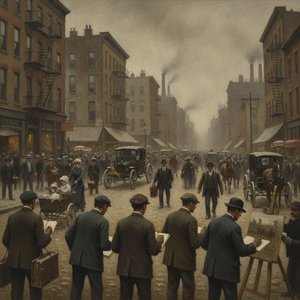
The Ashcan School: Capturing the Raw, Unfiltered Soul of Urban Life through American Realism
Discover the raw beauty of the Ashcan School. Explore how masters like Bellows and Henri captured the gritty, vibrant soul of early 20th-century New York through profound American Realism and evocative urban landscapes.

The Unvarnished Truth: A Cultural Journey Through the Soul of American Realism
Explore the profound beauty of American Realism. From the Ashcan School's urban grit to intimate portraits, discover how artists captured the authentic soul of a nation through unvarnished truth and masterful observation.
Tutustu teoksiin, jotka on järjestetty aiheiden, tyylien ja ominaisuuksien mukaan.
