


 Katso seinällä
 Lähetä
 Jaa
Jaa
 Tarkemmat tiedot
 Opas
Opas

 Lataa kuva
 Samanlaisia kohteita
 Röntgenkuvaus
 Diaesitys
 Tilastot
The Spanish Gypsy


Robert Henri's "The Spanish Gypsy" captures a Roma woman’s defiant spirit with striking realism. Explore the painting's story, inspired by Henri's time in Madrid and his empathy for marginalized communities.
 Lue lisää
Robert Henri (1865-1929) oli yhdysvaltalainen taidemaalari, joka tunnetaan Ashcan Schoolin edustajana ja realististen kaupunkielämän kuvaajista. Hänen vaikutuksensa amerikkalaiseen taiteeseen on merkittävä.
Giclée- ja taideprintit
Museolaatuisia giclée- tai kankaitaulun tulosteita nopealla tuotannolla ja joustavilla viimeistelyvaihtoehdoilla. ( Tilaa käsinmaalattu jäljennös Siirry digitaaliseen kuvaan)




P118B €10

P118H €10

P118W €10

P438Z €10

P508JH €12

P508YH €12

P805H €10

P805Z €10

P919BZ €10

P919G €10

P919XJ €10

P959ZH €10

P968JZ €12

W106C €8

W218G €10

W218JH €8

W218Y €10

W307PJ €10

W316G €10

W316PJ €8

W316Y €10

W398PJ €8

W4111J €10

W500HY €15

W500JH €15

W692G €12

W849H €8

W940BG €15

W953PJ €8




Vakiokoko
mittatilaustyö
CM
INCH
Valitse valmiista mitoistamme sellaiset, jotka vastaavat teoksen alkuperäisiä mittasuhteita.
Loading sizes...

leveys
korkeus
Voit syöttää omat mitat sopiaksesi tiettyyn kehykseen tai tilaan. Jos valittu koko ei vastaa alkuperäisen kuvan mittasuhteita, rajaamme teosta tai laajennamme kuvaa peilatulla tai yhtenäisellä reunalla. Digitaalinen mallikuva lähetetään hyväksyttäväksi ennen tuotannon aloittamista.
Huomaathan, että näytöllä näkyvä esikatselu ei vastaa lopullista rajausta tai laajennusta. Vain mallikuva näyttää lopullisen sommittelun tarkasti.
Vaikka räätälöityjä kokoja on saatavilla, suosittelemme valitsemaan mitat valmiista listasta alkuperäisten mittasuhteiden säilyttämiseksi.
Maailmanlaajuinen toimitus () 2 viikossa tavallisen 4–5 viikon sijaan. (10 lokakuu)

Ilmainen pikatoimitus ympäri maailman

Korkealaatuinen pellavakangas

Kattava kuljetusvakuutus

Tulliveron palautustakuu

Takuu täydellisestä värien vastaavuudesta

100 päivän palautusoikeus valmistusvirhetapauksissa

100% rahat takaisin -takuu

Määräalennus saatavilla
 Lasivaihtoehto on saatavilla vain alle 110 cm kokoisille teoksille

The Spanish Gypsy
Giclée- ja taideprintit
Replikaatin koko
-


Kokonaishinta
€ 59
A Glimpse into the Soul: Robert Henri’s “The Spanish Gypsy”
Robert Henri's "The Spanish Gypsy," painted in 1912, isn’t merely a portrait; it’s a carefully constructed tableau of observation and empathy. This arresting image captures a young woman from Madrid’s Roma community, a figure rendered with an uncommon directness that speaks volumes about Henri’s commitment to American Realism – a movement he championed as a rejection of academic art's idealized forms. The painting immediately draws the viewer in, not through grand gestures or dramatic lighting, but through the quiet intensity of her gaze and the subtle details of her attire. Henri wasn’t interested in romanticizing poverty or exoticizing the Roma; instead, he sought to present her as a fully realized human being, imbued with dignity and an unspoken story.
The Ashcan School and the Champion of the Marginalized
To understand “The Spanish Gypsy,” one must appreciate Robert Henri’s place within the Ashcan School. Emerging in New York City around 1908, this group of artists – including George Bellows, John Sloan, and Charles Demuth – deliberately rejected the polished surfaces and historical subjects favored by the established art world. They sought to depict everyday life, particularly the lives of working-class Americans and marginalized communities. Henri’s early life, marked by instability and a deliberate severance from his past identity as Robert Cozad, profoundly shaped this perspective. His experiences instilled within him a deep understanding of displacement and resilience – qualities he powerfully conveyed through his art. The painting reflects this ethos; it's not about judging or presenting the Roma as ‘other,’ but rather offering a respectful and intimate portrayal of a woman living on the fringes of society.
Henri’s decision to paint in Madrid during the summer of 1912 was deliberate. He sought out this community, recognizing their inherent dignity and strength. He famously described her as entering his studio “with austere defiance,” suggesting a quiet resistance to being objectified or reduced to a stereotype. This encounter highlights Henri's belief that genuine art arises from direct observation and an honest engagement with the subject matter.
Decoding Symbolism: Color, Gesture, and Narrative
The painting’s composition is deceptively simple yet remarkably effective. The woman sits in a plain chair – a symbol of her relative lack of privilege, but also of quiet strength. Her pink dress, though modest, possesses a vibrant hue that draws the eye and hints at an underlying vitality. Henri's masterful use of oil paint creates a rich texture and depth, particularly evident in the folds of her clothing and the subtle variations in skin tone. The background is deliberately muted, drawing attention to the subject’s face – a focal point where Henri captures a complex range of emotions: curiosity, perhaps a hint of sadness, and an undeniable sense of self-possession.
The presence of the two other figures—a man standing behind her and another further back—adds layers of narrative ambiguity. Are they guardians, observers, or simply part of her world? Henri leaves these details intentionally vague, inviting the viewer to project their own interpretations onto the scene. The chair itself is a key element; it’s not an ornate piece of furniture but a functional object, grounding the figure in reality and emphasizing her connection to everyday life.
A Legacy of Honest Representation
“The Spanish Gypsy” remains a powerful testament to Robert Henri's artistic vision. It’s a painting that transcends its subject matter to offer a profound meditation on identity, resilience, and the dignity of ordinary people. Henri’s commitment to portraying his subjects with honesty and empathy paved the way for future generations of American artists who sought to capture the complexities of modern life. Today, reproductions of this iconic work continue to resonate with viewers, reminding us of the importance of looking beyond superficial appearances and recognizing the humanity in all individuals.
Kysymykset ja vastaukset
Mikä on suositeltu tulostuskoko teokselle Robert Henri:n "The Spanish Gypsy"?
Suositeltu tulostuskoko teokselle Robert Henri:n "The Spanish Gypsy" on Medium.
Mistä voin ostaa digitaalisen kuvan teoksesta Robert Henri:n "The Spanish Gypsy"?
"The Spanish Gypsy" on saatavilla muodossa korkearesoluutioinen digitaalinen kuvalataus, ja sen voi ostaa suoraan osoitteesta tämä sivu.
Missä teosta Robert Henri:n "The Spanish Gypsy" voidaan tällä hetkellä nähdä?
Teos Robert Henri:n "The Spanish Gypsy" on esillä Metropolitanin museo, New York, United States of America-museossa. Museoluettelo viittaa alkuperäisteokseen, ei jäljennöksiin.
Kuinka vanha Robert Henri oli luodessaan "The Spanish Gypsy" vuonna 1912?
Kun "The Spanish Gypsy" luotiin vuonna 1912, Robert Henri (syntynyt 1865) oli 47 vuotias.
Mikä on teoksen Robert Henri:n "The Spanish Gypsy" valmistumisvuosi?
"The Spanish Gypsy" on peräisin vuodelta 1912. Teos sijoittuu Robert Henri uran ja aikakauden kontekstiin.
Mihin osaan kotia "The Spanish Gypsy"-teoksen reproduktio sopisi hyvin?
"The Spanish Gypsy"-teoksen reproduktio sopii hyvin Living Room-tilaan.
Kenelle taiteilijalle "The Spanish Gypsy" on laitettu tekijyys?
Teos "The Spanish Gypsy" on yhdistetty Robert Henri.


Taiteilijan elämäkerta
A Turbulent Genesis: The Early Life of Robert Henri
Robert Henri, syntyjään Robert Henry Cozad (24. kesäkuuta 1865 Cincinnati – 12. heinäkuuta 1929 New York), oli yhdysvaltalainen taidemaalari. Hänen lapsuutensa ei ollut idyllinen; se varjostui isänsä, John Jackson Cozadin, epävakaasta persoonallisuudesta ja riskialttiista toiminnastaan kiinteistönvälittäjänä ja uhkapelurina sekä äitinsä, Theresa Gatewood Cozad, kanssa. Tämä epävarmuus johti dramaattiseen tapahtumaan vuonna 1882: ampumatappelu maaperästä johtuen, joka pakotti perheen pakenemaan ja ottamaan uusia identiteettejä kosteen välttämiseksi. Nuori Robert muuttui Robert Henriksi, harkitusti katkaisemalla menneisyytensä konfliktien kanssa ja syntymällä uudelleen taiteilijana. Länsiäänteen matka Nebraskan ja Coloradon läpi, päättyen asettumiseen New Yorkiin ja sitten Atlantic Cityyn, sisälsi syvän empatian ihmisille, jotka elivät yhteiskunnan reunalla – empatia, joka muotosi taiteellisen näkemyksensä. Tämä varhainen kokemus epävakaudesta ja uudelleenmuodostumisesta edisti itsenäisyyttä ja sitoutumista esittämään elämää sellaisena kuin se todella oli, ilman konventioiden tai yhteiskunnallisten odotusten taakkaa.Forging a New Vision: Artistic Development and Influences
Henri’s formaalinen taidekoulutus alkoi Pennsylvania Academy of Fine Artsissa Philadelphiassa Thomas Anshutzin johdolla, jossa hän hionteli teknisiä taitojaan. Kuitenkin hänen myöhempi matkansa Pariisiin vuonna 1888 sytytti todellisuudessa taiteellisen heräämispisteensä. Aluksi hänet vetivät akateeminen perinne Académie Julianissa ja vaikuttivat mestarit kuten William-Adolphe Bouguereau ja François Millet, mutta hän ei ollut tyytyväinen vain näkemään mitä oli edessä; hän etsi syvempää yhteyttä todellisuuteen – tapaa vangita paitsi ohimenevät valon efektit myös raaka tunne ja eläväisyys modernista elämästä. Tämä tavoite johti hänet omaksumaan rohkeampaa, suorempaa lähestymistapaa, jonka vaikutteena oli hollantilainen realistikko Franz Hals, jonka löysä siveltimien tyyli ja psykologinen syvyys resonoi Henri’n oman taiteellisen ajattelun kanssa. Hän alkoi kokeilla *pochadesia*, pieniä puupaneeleita, joita käytettiin nopeisiin luonnoksilleihi, kannustaen spontaanisuutta ja välittömyyttä työssään. Palatessaan Amerikkaan hänestä tuli omistautunut opettaja, välittäen ei ainoastaan tekniikoita vaan myös taiteellisen filosofian, joka perustui havaintoon, rehellisyyteen ja yksilölliseen ilmaisuun.Championing the Real: The Ashcan School and “The Eight”
Robert Henri’n vaikutus yhdysvaltalaisen taiteen kehitykseen ulottui paljon hänen omia maalauksiaan pidemmälle; hänestä tuli muutosvoima, haastaen perinteisen taideympäristön konservatiiviset normit. Hän oli keskeinen henkilö Ashcan Schoolin nousussa – ryhmä taiteilijoita, jotka uskalsivat kuvata kaupunkielämän karuja todellisuuksia, vilkkaita katuja ja ahtaita asuinalueita. Henri’n sitoutuminen realismiin ja hänen vastustuksensa akateemisen ylpeyden suhteen johtivat hänet järjestämään “The Eightin” vuonna 1908 – ryhmän samankaltaisia taiteilijoita, jotka järjestyivät itsenäisen näyttelyn suorana protestina National Academy of Designin rajoittavien käytäntöjen vastaisesti. Tämä katkeaminen oli merkittävä hetki yhdysvaltalaisessa taiteessa, merkiten siirtymistä eurooppalaiseen hallitukseen ja kohti ainutlaatuisesti amerikkalaista taiteellista ääntä. Henri’n maalaukset tässä ajassa, kuten “Woman in Manteau” (1899) ja hänen eloisat muotokuvat, vangitsivat tavallisten ihmisten arvokkuuden ja kestävyyden tarjoten voimakkaan vastavoiman perustamiselle.Legacy and Enduring Influence
Robert Henri’n vaikutus myöhemmän sukupolven yhdysvaltalaisiin taiteilijoihin on mittaamaton. Opettajana hän ohjasi huomattavan määrän lahjakkaasti, mukaan lukien Joseph Stella, Edward Hopper, Rockwell Kent ja George Bellows – taiteilijoita, jotka muovasivat 20-luvun taidetta. Hänen taideteoksensa eivät ole pelkästään elämän esityksiä; ne ovat ikkunoita ihmiskuntaan – todisteita kauneuden, kamppailun ja ihmishengen kestävyyden. Henri jätti jälkeensä muuttavan vaikutuksen amerikkalaiseen realismiin, avaten tien demokraattisemmalle ja inklusiivisemmalle taideympäristölle, joka juhli tavallisten ihmisten elämää. Hänen perintönsä säilyy ei ainoastaan hänen omissa mestariteoksissaan vaan myös lukemattomien taiteilijoiden kautta, jotka inspiroitiin löytämään omat äänensä ja kertomaan omat tarinansa.
Robert Henri
1865 - 1929 , Yhdysvallat
Tietoa taiteilijasta
- Artistic Movement Or Style: Ashcan School, Realismi
- Artists Or Movements Influenced By This Artist:
- Edward Hopper
- The Eight
- Artists Who Influenced This Artist:
- William Bouguereau
- François Millet
- Date Of Birth: 24. kesäkuuta 1865
- Date Of Death: 12. heinäkuuta 1929
- Full Name: Robert Henri
- Nationality: Amerikkalainen
- Notable Artworks:
- Nainen mantissa
- La Neige (The Snow)
- Sissy keltainen
- Place Of Birth: Cincinnati, USA
Aiheeseen liittyvät artikkelit
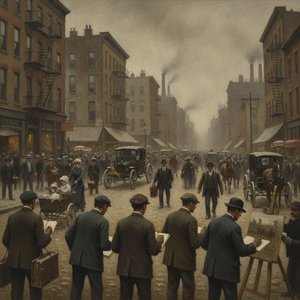
The Ashcan School: Capturing the Raw, Unfiltered Soul of Urban Life through American Realism
Discover the raw beauty of the Ashcan School. Explore how masters like Bellows and Henri captured the gritty, vibrant soul of early 20th-century New York through profound American Realism and evocative urban landscapes.

Capturing the Grey Light: A Journey Through the Soulful Atmosphere of the Hague School
Explore the evocative beauty of the Hague School. Discover how Dutch masters captured the soulful 'grey light' through atmospheric realism and tonalism, paving the way for Impressionism. A deep dive into the misty landscapes and emotional depth of this legendary art movement.

The Raw Truth: A Definitive Guide to the Power and Legacy of Social Realism Art
Explore the profound impact of Social Realism. Discover how masters like Courbet rejected idealism to capture the raw, socio-political truths of the working class through powerful, unvarnished art history and enduring visual critique.

The Unvarnished Truth: A Cultural Journey Through the Soul of American Realism
Explore the profound beauty of American Realism. From the Ashcan School's urban grit to intimate portraits, discover how artists captured the authentic soul of a nation through unvarnished truth and masterful observation.
Tutustu teoksiin, jotka on järjestetty aiheiden, tyylien ja ominaisuuksien mukaan.
