


 Katso seinällä
 Lähetä
 Jaa
Jaa
 Tarkemmat tiedot
 Opas
Opas

 Lataa kuva
 Samanlaisia kohteita
 Röntgenkuvaus
 Diaesitys
 Tilastot
Alttarin alla
 Öljyväri kankaalle
- Seinätaide
- Early Modernism
 1913
1913 64.0 x 92.0 cm
 Walker Art Gallery
Robert Bevanin mestariteos "Alttarin alla" tuo Liverpoolin Walker Art Galleryyn brittiläisen modernismin kauneuden. Tämä öljyväritys maalauksessa kuvaa hevosen ympäröivää tunnelmaa ja yksityiskohtia Camden Town Groupin tyylistä.
 Lue lisää
Robert Polhill Bevan (1865–1925): Britanninen maalaaja ja Camden Town -ryhmän perustaja. Fauvismin pioneeri, tunnettu kirkkaista maisemista ja arkielämän tapahtumista.
Käsinmaalattu öljyvärinen jäljennös
Käsinmaalattu öljyväri kankaalle haluamassasi koossa ja kehyksissä, taiteilijoidemme valmistamana tilauksesta. ( Vaihda tulosteeseen Siirry digitaaliseen kuvaan)




P118B €10

P118H €10

P118W €10

P438Z €10

P508JH €12

P508YH €12

P805H €10

P805Z €10

P919BZ €10

P919G €10

P919XJ €10

P959ZH €10

P968JZ €12

W106C €8

W218G €10

W218JH €8

W218Y €10

W307PJ €10

W316G €10

W316PJ €8

W316Y €10

W398PJ €8

W4111J €10

W500HY €15

W500JH €15

W692G €12

W849H €8

W940BG €15

W953PJ €8




Vakiokoko
mittatilaustyö
CM
INCH
Valitse valmiista mitoistamme sellaiset, jotka vastaavat teoksen alkuperäisiä mittasuhteita.
Loading sizes...

leveys
korkeus
Kirjoita tarvitsemasi leveys ja korkeus, jotta teos sopii kehyskehyksiisi tai seinällesi. Koska kyseessä on käsinmaalattu teos, taiteilija voi maalata hieman enemmän kuvan ympärille tai rajata sitä hieman, jos haluat eri muotoisen koon — valinta on sinun. Lähetämme sinulle digitaalisen mallikuvan hyväksyttäväksi ennen kuin maalaus alkaa. Tällä sivulla näkyvä kuva ei vastaa lopullista tulosta — vain mallikuva näyttää sen.
Esimerkkejä muokattavista asioista: Vaihda kasvot asiakkaan omaan valokuvaan; Lisää lemmikki (esim. korvaa kissa koiralla); Lisää taustalle piilotettu viesti; Muuta taustan maisemaa tai elementtejä.
Tilauksen jälkeen TopImpressionists.com -tiimi lähettää asiakkaalle sähköpostitse ohjeet ja esikatselukuvan.
Tilauksen jälkeen TopImpressionists.com -tiimi lähettää asiakkaalle sähköpostitse ohjeet ja esikatselukuvan.
Maailmanlaajuinen toimitus () 3–4 viikossa tavallisen 5 viikon sijaan. (24 lokakuu). Laadusta ei tingitä.

Ilmainen pikatoimitus ympäri maailman

Korkealaatuinen pellavakangas

Kattava kuljetusvakuutus

Tulliveron palautustakuu

Takuu täydellisestä värien vastaavuudesta

100 päivän palautusoikeus valmistusvirhetapauksissa

100% rahat takaisin -takuu

Määräalennus saatavilla
 Lasivaihtoehto on saatavilla vain alle 110 cm kokoisille teoksille

Alttarin alla
Reproduktiotapa
Replikaatin koko
-


Kokonaishinta
€ 236
Robert Bevanin ”Under the Hammer” – Britannian Modernismin Varjoissa
Robert Bevanin vuonna 1913 maalattu ”Under the Hammer” on vaikuttava näyte brittiläiselle modernismille ja Camden Town -ryhmän henkilökohtaiselle visiolle. Tämä öljyvärimaalaus, jonka koko on 64 x 92 cm, Galerian Liverpoolissa tarjoaa katsojalle ainutlaatuisen kuvan arkielämästä – yksityiskohtaisesti kuvattuna maanläheisillä sävyillä ja keskittyen tavallisten ihmisten kohtaamiin tilanteisiin. Bevan oli keskeinen henkilö brittiläisen taiteen siirtymässä impressionismiin, mutta myös oman persoonallisen tyylinsä kehittämiseen. Hän pyrki vangitsemaan tietyn hetken tunnelman ja tuo maalaukseen syvyyttä sekä yksityiskohtaisuuksia, jotka ovat erityisen merkittäviä aikansa kontekstissa.- Tyyli: Bevanin tyylistä tunnistetaan maanläheiset sävyt ja keskittyminen tavallisten ihmisten elämään. Hän oli vaikuttunut Fauvismin vaikutuksesta, mikä näkyy maalauksessa erityisesti värien käyttöön.
- Tekniikka: Öljyvärimaalaus mahdollistaa syvyyden ja rikkauden, jotka ovat olennaisia Bevanin tyylille. Hän käytti tarkkaan harkittuja tekniikoita luodakseen realistisen kuvan ympäristöstä.
- Historia: Maalauksen valmistumisvuosi oli 1913, aikaa, jolloin brittiläinen taide oli kehittymässä kohti uusia suuntaviivoja ja henkilökohtaisia ilmaisuvia.
Maalauksen Kuvaus – Hälyttävä Kaupan Hetki
”Under the Hammer” kuvaa ryhmää ihmisiä ympäröivässä hevosen aitauksessa tai vastaavassa ympäristössä. Tunnelma on jännittävä, kuin hevonen olisi tulossa huutokaupalle. Maalauksessa näkyvät yksityiskohtaisesti henkilöt ja heidän asentojaan, mikä tuo maalaukseen elävän tunnelman. Huomio erityisesti hevosen keskellä sijaitsevaan asemaan sekä ihmisten ryhmään ja niiden liikkeisiin. Maalaus tuo esiin tietyn aikakauden sosiaalisen dynamiikan ja ihmisen kohtaaman paineen tunteen.Galerian Merkitys ja Taideteoksen Säilyttäminen
Galerian Liverpoolissa sijaitseva Walker Art Gallery on yksi Britannian johtavista taideinstituutioista, joka säilyttää huolellisesti kokoelman mestariteoksia sekä täynnä värikkäitä yksityiskohtia. ”Under the Hammer” tuo esiin tämän instituutin erityisen arvokkaan kokoelman ja tarjoaa mahdollisuuden tutkia brittiläistä kulttuuriperintöä. Maalauksen korkealaatuinen kopiointi voi olla täydellinen lisä sisustukseen, tukien näin taiteen säilyttämistä tuleville sukupolville. Löydät yksityiskohtaiset tiedot ja korkean laadun kopiot osoitteesta https://TopImpressionists.com/.Kysymykset ja vastaukset
Mikä sijoittelu sopii teoksen Robert Polhill Bevan:n "Alttarin alla" formaattiin?
Vaakaorientaatio-muotoisena "Alttarin alla"-teoksen reproduktio sopii erinomaisesti Olohuone-tilaan.
Mistä voin ostaa digitaalisen kuvan teoksesta Robert Polhill Bevan:n "Alttarin alla"?
Teoksen Robert Polhill Bevan:n "Alttarin alla" digitaalisen kuvan voi ostaa sen Digitaalinen kuva -sivulta: korkearesoluutioinen digitaalinen kuvalataus.
Mistä "Alttarin alla" kertoo ja millainen tunnelma siinä on?
Robert Polhill Bevan:n "Alttarin alla" yhdistää auction, horse, stable, landscape, figures, painting, britishart-aiheet Tyyni-tunnelmaan.
Samankaltaisia teoksia


Taiteilijan elämäkerta
A Pioneer of British Modernism: The Life and Art of Robert Polhill Bevan
Robert Polhill Bevan, born in Hove in 1865, occupies a pivotal yet often understated position within the narrative of early 20th-century British art. Emerging from a Quaker background steeped in banking connections – his parents were Richard Alexander Bevan and Laura Maria Polhill – he defied conventional expectations to become a daring innovator, a key figure in the transition from Impressionism towards more radical explorations of color and form. His journey was one of constant experimentation, absorbing influences from across Europe while forging a distinctly personal artistic vision that would profoundly impact the development of modern art in Britain. Bevan’s early education at Westminster School of Art under Fred Brown provided a solid foundation, but it was his subsequent studies at the Académie Julian in Paris that truly ignited his creative spark. There, he encountered a constellation of rising stars – Paul Sérusier, Pierre Bonnard, Édouard Vuillard, and Maurice Denis – artists who were challenging academic conventions and embracing new approaches to painting. These encounters proved formative, exposing Bevan to the principles of synthetism and laying the groundwork for his future explorations.Brittany, Fauvism, and the Search for Pure Color
The impact of Brittany on Bevan’s artistic development cannot be overstated. Two significant journeys in 1890 and 1891 immersed him in the atmosphere of Pont-Aven, a small coastal town that had become a magnet for artists seeking an alternative to Parisian salon culture. The bold colors and simplified forms championed by artists like Gauguin resonated deeply with Bevan, influencing his early drawings and prints. He was particularly captivated by the luminous landscapes of Breton coastlines, where the interplay of light and color offered unparalleled opportunities for artistic expression. This fascination fueled his experimentation with pure color – a decisive step away from Impressionistic realism – anticipating the emergence of Fauvism on the continent. His painting “Courtyard” stands as a remarkable example of this proto-Fauvist approach, demonstrating a willingness to abandon naturalistic representation in favor of expressive chromatic intensity – a boldness that set him apart from many of his British contemporaries. This exploration didn’t remain static; Bevan subsequently adopted a divisionist or pointillist technique, evident in works like “Ploughing on the Downs” and “The Turn-Rice Plough,” showcasing his commitment to exploring different methods of applying color and capturing light. The influence of masters such as Velázquez and Goya remained palpable, alongside more immediate guidance from Renoir regarding the depiction of horses – a testament to Bevan’s broad artistic curiosity and willingness to learn from diverse sources.Collective Visions: The Camden Town Group and Beyond
Bevan was not an artist who worked in isolation. He actively sought connection with like-minded individuals, playing a crucial role in the formation of several influential art groups. As a founding member of the Camden Town Group, he joined forces with artists determined to depict modern urban life and challenge established artistic norms. This collective spirit extended to his involvement with the London Group and the Cumberland Market Group, further demonstrating his commitment to progressive artistic movements. The group’s ambition was to capture the dynamism of London's industrial landscape and its inhabitants—a task Bevan tackled with unwavering conviction. He collaborated closely with fellow Camden Town artists like Walter Sickert and Frank Auerbach, fostering a stimulating dialogue that propelled their artistic endeavors forward. These affiliations were not merely social; they fostered a dynamic exchange of ideas that shaped Bevan’s artistic trajectory and contributed to the broader evolution of British art.Landscapes, Urban Scenes, and Lasting Legacy
Bevan's oeuvre is characterized by a profound engagement with both rural and urban environments. His landscapes—particularly those depicting Sussex and Brittany—are imbued with an extraordinary sensitivity to light and color, reflecting his unwavering dedication to capturing the essence of nature’s beauty. Paintings such as “In the Downs near Lewes,” “The Chestnut Tree,” and “Landscape in the Blackdown Hills, Devon” exemplify this mastery, showcasing his ability to convey both the physical grandeur and emotional resonance of the natural world. Simultaneously, Bevan documented the realities of modern life through urban scenes—most notably "The Cab Horse"—capturing the textures and moods of industrial Britain with meticulous detail. His artistic vision transcended stylistic trends; he remained steadfast in his pursuit of authentic expression, establishing himself as a cornerstone of British Modernism. Robert Polhill Bevan’s legacy extends far beyond his individual paintings. He is rightfully recognized as a pioneer of modern British art, particularly for his early adoption of Fauvist principles and his fearless experimentation with color. His influence on subsequent generations of painters is undeniable, and his contribution to the Camden Town Group was instrumental in shaping the development of modern art in Britain. A retrospective exhibition at Colnaghi’s in 1961 served as a crucial moment of recognition, solidifying his place in art history and ensuring that his innovative spirit continues to inspire artists today. He remains a vital figure for understanding the complex evolution of British painting in the early twentieth century.
Robert Polhill Bevan
1865 - 1925 , Yhdistynyt kuningaskunta
Tietoa taiteilijasta
- Artistic Movement Or Style: Fauvism/Divisionismi
- Artists Or Movements Influenced By This Artist: ['Camden Town Group']
- Artists Who Influenced This Artist:
- Paul Gauguin
- Velázquez
- Goya
- Renoir
- Date Of Birth: 1865
- Full Name: Robert Polhill Bevan
- Nationality: Britanni
- Notable Artworks:
- The Farmhouse
- Ploughing on the Downs
- Queen’s Grove
- The Cab Horse
- Place Of Birth: Hove, United Kingdom
Aiheeseen liittyvät artikkelit

Hubert Robert: Picturing Ruins, Preserving Memory – A Study of Romantic Antiquarianism & Artistic Innovation
Explore the captivating world of Hubert Robert, master of Romantic landscape painting & 'capriccio' ruins. Discover his historical context, artistic innovations, and collecting insights with TopImpressionists.

Fauvismin 10 mestariteosta: Värien vallankumous taiteessa – TopImpressionists.com
Tutustu fauvismin 10 mestariteokseen! Uppoudu Henri Matissen, André Derainin ja muiden taiteilijoiden värien vallankumoukseen. Löydä inspiraatiota kotiisi – korkealaatuiset taideprintit TopImpressionists.comista. Tutustu kokoelmaan verkossa!

David Roberts: A Scottish Pioneer of Topographical Art & Orientalist Vision
Explore the captivating world of David Roberts, a pioneering Scottish painter renowned for his detailed Orientalist scenes & stunning Egyptian landscapes. Discover his legacy and find museum-quality reproductions at TopImpressionists.
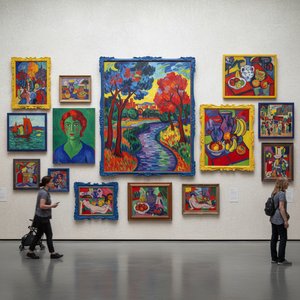
Fauvismin 10 mestariteosta: Taidetta ja inspiraatiota kotiin – TopImpressionists.com
Tutustu fauvismin 10 ikonista mestariteosta! Uppoudu Henri Matissen, André Derainin ja muiden taiteilijoiden värikylläiseen maailmaan. Löydä inspiraatiota kotiisi TopImpressionists.com:sta – laadukkaat taidekopiokset ja sisustusideat odottavat!

Robert Bevan: Pioneering British Post-Impressionism & the Camden Town Group's Intimate Vision
Explore the life & work of Robert Bevan, a pioneer of British Post-Impressionism and founding member of the Camden Town Group. Discover his vibrant landscapes and lasting impact on early 20th-century art.
Tutustu teoksiin, jotka on järjestetty aiheiden, tyylien ja ominaisuuksien mukaan.


