

 Katso seinällä
 Lähetä
 Jaa
Jaa
 Tarkemmat tiedot
 Opas
Opas

 Lataa kuva
 Samanlaisia kohteita
 Röntgenkuvaus
 Diaesitys
 Tilastot
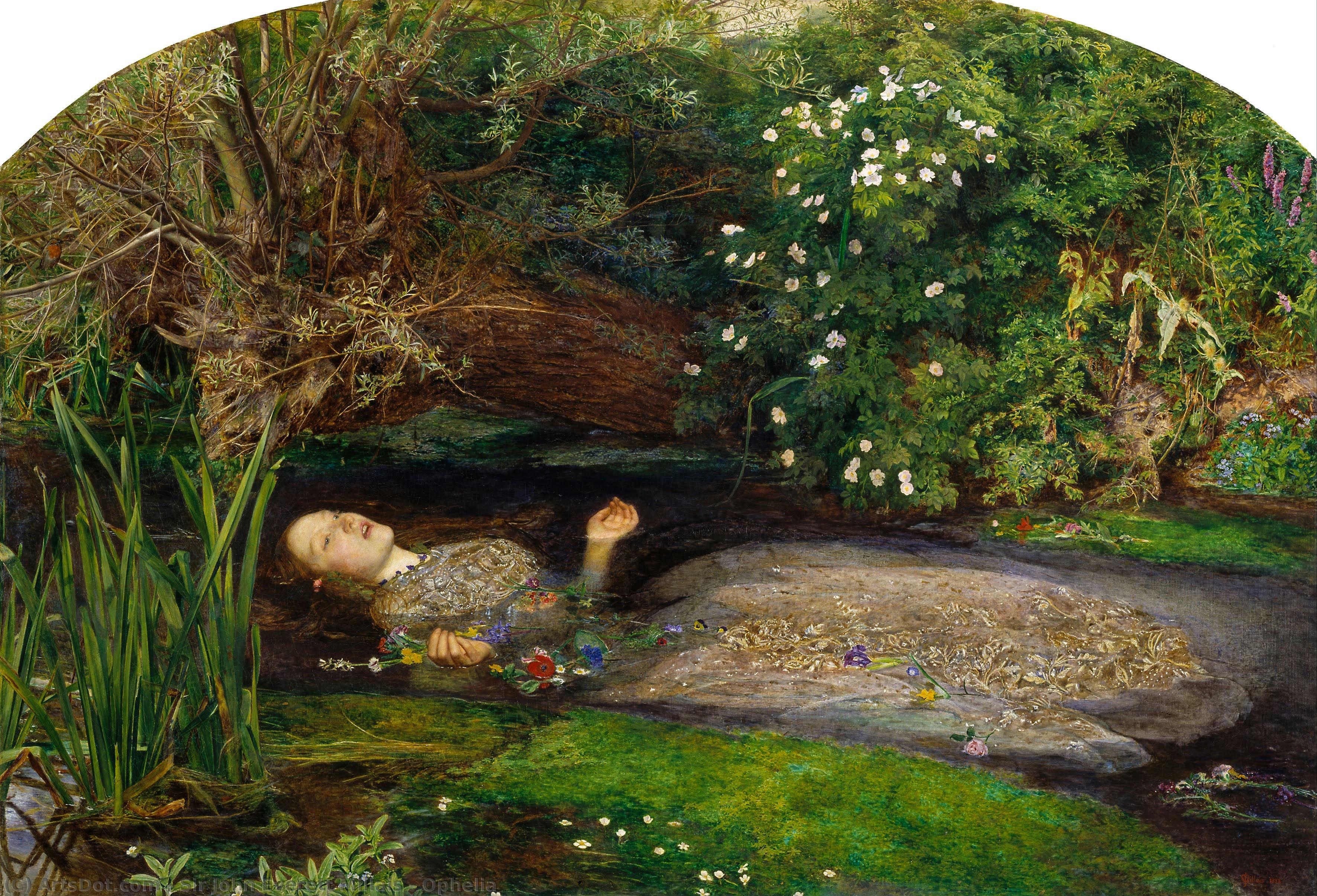
Ophelia
 Oil On Canvas
- WallArt
- Pre-Raphaelite
 1851
1851 11.0 x 76.0 cm
 Tate Britain
Experience Millais’ "Ophelia" – a breathtaking Pre-Raphaelite masterpiece! Explore its serene beauty, intricate detail & symbolic depth. A timeless work of art.
 Lue lisää
John Everett Millais (1829-1896) oli esikuvallinen Pre-Raphaelite -taiteilija, tunnettu realistisista ja tunteellisista maalauksistaan, kuten Ophelia. Hänen vaikutuksensa on edelleen voimakas.
Käsinmaalattu öljyvärinen jäljennös
Käsinmaalattu öljyväri kankaalle haluamassasi koossa ja kehyksissä, taiteilijoidemme valmistamana tilauksesta. ( Vaihda tulosteeseen Siirry digitaaliseen kuvaan)




P118B €10

P118H €10

P118W €10

P438Z €10

P508JH €12

P508YH €12

P805H €10

P805Z €10

P919BZ €10

P919G €10

P919XJ €10

P959ZH €10

P968JZ €12

W106C €8

W218G €10

W218JH €8

W218Y €10

W307PJ €10

W316G €10

W316PJ €8

W316Y €10

W398PJ €8

W4111J €10

W500HY €15

W500JH €15

W692G €12

W849H €8

W940BG €15

W953PJ €8




Vakiokoko
mittatilaustyö
CM
INCH
Valitse valmiista mitoistamme sellaiset, jotka vastaavat teoksen alkuperäisiä mittasuhteita.
Loading sizes...

leveys
korkeus
Type the width and the height you need, to fit your frame or your wall. This is hand-painted, so for a size with a different shape the artist can paint a bit more around the picture, or cut a bit — you choose. We send you a digital mockup to approve before the painting starts. The picture shown on this page does not show the real result — only the mockup does.
Esimerkkejä muokattavista asioista: Vaihda kasvot asiakkaan omaan valokuvaan; Lisää lemmikki (esim. korvaa kissa koiralla); Lisää taustalle piilotettu viesti; Muuta taustan maisemaa tai elementtejä.
Tilauksen jälkeen TopImpressionists.com -tiimi lähettää asiakkaalle sähköpostitse ohjeet ja esikatselukuvan.
Tilauksen jälkeen TopImpressionists.com -tiimi lähettää asiakkaalle sähköpostitse ohjeet ja esikatselukuvan.
Maailmanlaajuinen toimitus () 3–4 viikossa tavallisen 5 viikon sijaan. (14 lokakuu). Laadusta ei tingitä.

Ilmainen pikatoimitus ympäri maailman

Korkealaatuinen pellavakangas

Kattava kuljetusvakuutus

Tulliveron palautustakuu

Takuu täydellisestä värien vastaavuudesta

100 päivän palautusoikeus valmistusvirhetapauksissa

100% rahat takaisin -takuu

Määräalennus saatavilla
 Lasivaihtoehto on saatavilla vain alle 110 cm kokoisille teoksille

Ophelia
Reproduktiotapa
Replikaatin koko
-


Kokonaishinta
€ 233
A Frozen Moment of Melancholy: Millais’s “Ophelia”
Sir John Everett Millais's "Ophelia," painted in 1851–52, isn’t merely a depiction of a tragic Shakespearean scene; it’s an immersive experience—a meticulously crafted tableau of sorrow and beauty that continues to captivate viewers over a century and a half later. This iconic Pre-Raphaelite masterpiece transcends its literary source, becoming a profound meditation on loss, innocence, and the poignant surrender to nature's embrace. The painting immediately draws the eye with its luminous palette and astonishing level of detail, inviting the viewer into a world both idyllic and profoundly mournful.
Millais’s genius lies not just in his technical skill—though that is undeniably remarkable—but in his ability to evoke an atmosphere of palpable grief. He achieved this through a radical departure from conventional artistic practices for the time, choosing to paint *en plein air* (outdoors) and working directly from nature. This commitment to realism, coupled with the Pre-Raphaelite Brotherhood’s fascination with medieval and Renaissance art, resulted in a work that feels simultaneously ancient and utterly contemporary. The scene unfolds along the Hogsmill River near Ewell, Surrey, where Millais meticulously recreated the landscape, capturing the dappled sunlight filtering through the foliage and the shimmering reflections on the water's surface.
The Figure of Despair
At the heart of “Ophelia” is her figure—a young woman reclining gracefully in the stream, her expression a mixture of serene acceptance and heartbreaking resignation. Elizabeth Siddall, Millais’s model for Ophelia, endured an extraordinary ordeal to achieve this portrayal. For weeks, she posed submerged in a bathtub filled with cold water, draped in heavy velvet robes to simulate the chill of the river. This dedication to realism extended beyond mere appearance; it was a deliberate attempt to capture the physical sensation of drowning—a testament to Millais’s commitment to portraying the subject matter with unflinching honesty.
The details surrounding Siddall's posing are particularly poignant, revealing the demanding nature of Pre-Raphaelite art production. The discomfort she experienced led to a severe illness, requiring medical attention and ultimately shaping the painting’s atmosphere of vulnerability. Millais’s careful observation of her posture, the delicate drape of her gown, and the subtle expression on her face all contribute to the overwhelming sense of tragedy.
Symbolism Woven into the Scene
“Ophelia” is rich in symbolic detail, each element carefully chosen to deepen the narrative’s emotional resonance. The flowers scattered around her—violets, pansies, poppies, willow branches, and daisies—are not merely decorative; they carry specific meanings rooted in Victorian symbolism. Violets represent faithfulness and modesty, while poppies symbolize death and sleep. The willow branch, a traditional symbol of mourning, drapes over the riverbank, mirroring Ophelia’s descent into sorrow. Even the arrangement of the flowers suggests a deliberate composition—a visual representation of her fragmented thoughts and memories.
The inclusion of a silver casket, partially submerged in the water, further reinforces the theme of loss and remembrance. It is a relic from her past, a symbol of her shattered engagement and the world she has lost. The presence of a small mouse nestled amongst the embroidery on the table adds an unexpected layer of detail—a reminder of mortality and the fragility of life.
A Legacy of Beauty and Sorrow
“Ophelia” remains one of the most celebrated paintings in the Pre-Raphaelite canon, admired for its technical brilliance, emotional depth, and enduring power. It’s a work that invites repeated viewing—each encounter revealing new layers of meaning and nuance. Beyond its artistic merit, “Ophelia” has become an iconic image of female vulnerability and tragic beauty, frequently referenced in literature, film, and popular culture. Its depiction of a young woman surrendering to the embrace of nature continues to resonate with viewers today, serving as a poignant reminder of the ephemeral nature of life and the enduring power of art to capture both its splendor and its sorrow.
Reproductions of “Ophelia” offer an accessible way to experience this masterpiece firsthand. Whether displayed in a grand salon or a cozy study, this evocative image will undoubtedly spark conversation and inspire contemplation for years to come.
Kysymykset ja vastaukset
Mikä koko "Ophelia"-teokselle suositellaan Living Room-tilaan?
Suositeltu tulostuskoko teokselle John Everett Millais:n "Ophelia" on Medium tilaan Living Room.
Mikä on suositeltu tulostuskoko teokselle John Everett Millais:n "Ophelia"?
Suositeltu tulostuskoko teokselle John Everett Millais:n "Ophelia" on Medium.
Miten kontrasti ja harmonia yhdistyvät teoksessa "Ophelia"?
Teoksen John Everett Millais:n "Ophelia" värianalyysi osoittaa Balanced kontrastin ja Balanced Harmony harmonian.
Taiteilijan elämäkerta
A Prodigy of the Pre-Raphaelites: The Life and Art of Sir John Everett Millais
Sir John Everett Millais, syntynyt Southamptonissa vuonna 1829, astui Royal Academy Schools -kouluun poikkeuksellisen varhain – vasta neljästätoista vuodesta, mikä oli tuohon aikaan ennennäkemätöntä. Tämä varhainen lahjakkuuden osoitus enteili uraa, joka ei ainoastaan määrittäisi taiteellista liikeettä, vaan myös vangitsisi Victorian ajan mielikuvituksen henkeä huomiota herättävän realisminsa ja syvällisen tunteiden ilmaisun kautta. Jo varhaisimmillaan Millaiselle oli poikkeuksellinen kyky havainnoida maailmaa tarkasti, ominaisuus, joka muuttui hänen taiteellisensa tyylinsä kulmakiveksi. Hän ei ainoastaan maalannut sitä, mitä näki, vaan rekonstruoi sen huolellisesti, upottaen jokaisen siveltimenvedon lähes valokuvaiseen tarkkuuteen. Tämä totuudenmukaisuuteen pyrkimys erotti hänet muista ja johti lopulta hänen haastamaan Britannian taiteen vakiintuneita konventioita.The Birth of a Brotherhood and Artistic Rebellion
Millaisen taiteellinen polku kääntyi merkittävästi vuonna 1848, kun hän, Dante Gabriel Rossetin ja William Holman Huntin kanssa perusti Pre-Raphaelite Brotherhood -seurayhdistyksen. Tämä ei ollut pelkästään esteettinen valinta; se oli tarkoituksellinen kapina, joka vastasi mitä he kokivat akateemisen taiteen teeskentelylle – taiteelle, joka oli liikkunut liian kaukana luonnosta ja varhaisten renessanssimaailmojen aitoudesta, niistä taiteilijoista, jotka tekivät taidetta *ennen* Raffaelia. Pre-Raphaelistit pyrkivät herättämään henkiin vanhan renessanssin taiteilijoiden selkeyttä, yksityiskohtia ja eloisia väripaletteja, kuten Jan van Eyckia ja Fra Angelikoa. Heidän manifestinsa oli luonnon totuutta, vastakohta idealisoituneille muodoille ja omistautuminen aiheisiin, jotka pohjastuivat kirjallisuuteen, mytologiaan ja arkielämään. Millaisen varhaiset teokset, kuten *Isabella*, osoittivat heti tämän uuden lähestymistavan – huolellinen yksityiskohtien tarkastelu yhdistettynä tarinallisesti intensiiviseen vaikutukseen, joka vangitsi ja usein provosoi yleisöä. Hänen kiistanalaisin teoksensa tuona aikana oli *Christ in the House of His Parents* (1849-50), joka kuvasi Pyhän Perheen ei kuin eetterisiä olentoja, vaan tavallisia työläisiä, herättäen laajaa vastustusta kriitikoilta, jotka pitivät sen realistisuutta häiritsevänä ja jopa pilkkaavana.Evolving Styles and Victorian Sensibilities
Keskellä 1850-lukua Millaisen taiteellinen kehitys koki merkittäviä muutoksia sekä henkilökohtaisesti että taideteollisuudessa. Hänen avioliitonsa Effie Grayn kanssa, annulmentin jälkeen John Ruskinin ensimmäisestä avioliitosta, vaikutti syvästi hänen teoksiinsa. Hän siirtyi pois Pre-Raphaelitten intensiivisen yksityiskohtaisten ja symbolististen maalauksien tyylistä kohti laajempaa ja tunnelmallisempaa realismia. Tämä muutos ei ollut pelkästään tyylivalinta; se heijasti kasvavaa kiinnostusta nykymaailmaa kohtaan ja halua vangita luonnon ohikiitävän kauneuden. Teokset, kuten *Autumn Leaves*, ovat tästä uuden suunnan esimerkkejä – rauhallinen kuvaus nuorista naisista, jotka heittävät lehtiä joessa, joka on täynnä melankoliaa ja nostalgiaa. Hän löysi myös merkittävästi menestystä muotokuvauksessa, vangiten tunnettujen viktoriaanisten henkilöiden ulkonäön. Tämä aika näki Millaisen nousun kansalliseksi julkisuuden henkilöksi, mutta se herätti myös kritiikkiä joiltakin, jotka katsoivat häntä kompromissoimana taiteellisista periaatteistaan.Major Achievements and Lasting Influence
Vaikka nämä kritiikit olisivat voineet olla totta, Sir John Everett Millais on edelleen yksi 1800-luvun Britannian tärkeimmistä taiteilijoista. Hänen vaikutuksensa ulottuu Pre-Raphaelitten liikeestä kauas; hän uudensi realistisen ja tarinallisen maalaustaidon standardeja, inspiroi sukupolvia taiteilijoita. Hänen ikoniset kuvansa – *Ophelia*, jonka lumoava kauneus ja symbolinen rikkaus ovat huomionarmeja, *A Huguenot*, joka kuvaa uskonnollisia konflikteja ja kiellettyä rakkautta sekä lukemattomia muita teoksia – resonoivat edelleen yleisön kanssa tänään. Millaisen kyky yhdistää tarkka havainto tunteelliseen syvyyteen, hänen mestarillisuutensa värien ja komposiiton suhteen sekä hänen rohkeutensa haastaa taiteellisia konventioita vakiinnuttivat hänen paikkansa todellisena innovaattorina. Vuonna 1896 hänestä valittiin Royal Academian presidentiksi, mikä oli osoitus hänen kestävästä perinnöstään – vaikka hän kuoli vain muutaman kuukauden kuluttua valinnastaan. Hänen teoksiaan juhlistetaan edelleen museoissa ja kokoelmissa ympäri maailmaa, varmistaen että hänen taiteensa kauneus ja voima säilyvät sukupolvien ajan.Major Works & Collections
- Christ in the House of His Parents (1849-1850): Tate Britain, London – Ensimmäinen teos, joka esitteli Pre-Raphaelitten realistisen tyylin.
- Ophelia (1851-1852): Tate Britain, London – Ehkä hänen kuuluisimman teoksensa, tunnettu lumoavasta kauneudestaan ja symbolisesta syvyydestä.
- A Huguenot (1851-1852): Yksityiskokoelma – Dramaattinen kuvaus uskonnollisista konflikteista ja kielletystä rakkaudesta.
- Mariana (1850-1851): Manchester Art Gallery – Inspiroitunut Shakespearen ja Tennyssin teoksista, osoittaa Millaisen taidon vangita tunnelma ja ilmapiiri.
- Autumn Leaves (1855-1856): City of Manchester Art Galleries – Rauhallinen ja tunteellinen maalaus, joka heijastaa hänen kehittyvää tyyliään.

John Everett Millais
1829 - 1896 , Iso-Britannia
Tietoa taiteilijasta
- Artistic Movement Or Style: Pre-Raphaelite, Realismi
- Artists Or Movements Influenced By This Artist: ['Pre-Raphaeliet']
- Artists Who Influenced This Artist: ['Pre-Raphaeliet']
- Date Of Birth: 8 kesäkuuta 1829
- Date Of Death: 13 elokuuta 1896
- Full Name: Sir John Everett Millais
- Nationality: Brittiläinen
- Notable Artworks:
- Christin talossa...
- Ophelia
- Huguenotti
- Mariana
- Place Of Birth: Southampton, Iso-Britannia
Aiheeseen liittyvät artikkelit

The Pre-Raphaelite Brotherhood: Rediscovering Beauty, Romance, and Medieval Magic in Victorian Art
Embark on a journey through the Pre-Raphaelite Brotherhood. Discover the romantic symbolism, medieval magic, and radical beauty of Rossetti and Burne-Jones in this expert exploration of Victorian art history.
Tutustu teoksiin, jotka on järjestetty aiheiden, tyylien ja ominaisuuksien mukaan.


