
Shown: · With its frame:
 Esikatselu
 Jaa teos
 Jaa
Jaa
 Tiedot
 Opas
Opas

 Lataa kuva
 Samanlaisia kohteita
 Röntgenkuvaus
 Diaesitys
 Q&A
Q&A Tilastot

€ 239
Käsinmaalattu öljyvärinen jäljennös
Käsinmaalattu öljyväri kankaalle haluamassasi koossa ja kehyksissä, taiteilijoidemme valmistamana tilauksesta. ( Vaihda tulosteeseen Siirry digitaaliseen kuvaan)
Size
·Vakiokoko
räätälöity
CM
INCH
Valitse valmiista mitoistamme sellaiset, jotka vastaavat teoksen alkuperäisiä mittasuhteita.
Loading sizes...

leveys
korkeus
Kirjoita tarvitsemasi leveys ja korkeus, jotta teos sopii kehyksiisi tai seinällesi. Koska kyseessä on käsinmaalattu teos, taiteilija voi maalata hieman enemmän kuvan ympärille tai rajata sitä hieman, jos haluat eri muotoisen koon — valinta on sinun. Lähetämme sinulle digitaalisen mallikuvan hyväksyttäväksi ennen kuin maalaus alkaa. Tällä sivulla näkyvä kuva ei vastaa lopullista tulosta — vain mallikuva näyttää sen.
 Lue lisää
Finish
·
White €1

Blurside €1

Extended €1

P118B €10

P118H €10

P118W €10

P438Z €10

P508JH €12

P508YH €12

P805H €10

P805Z €10

P919BZ €10

P919G €10

P919XJ €10

P959ZH €10

P968JZ €12

W106C €8

W218G €10

W218JH €8

W218Y €10

W307PJ €10

W316G €10

W316PJ €8

W316Y €10

W398PJ €8

W4111J €10

W500HY €15

W500JH €15

W692G €12

W849H €8

W940BG €15

W953PJ €8

H24-GOLD €30

H24-SILVER €30

H36-GOLD €45

H36-SILVER €45
Shipped in a protective tube, ready for your own framer.
Above 105 cm the frame is shipped as a kit for a professional framer — read the details.
Extras
optionalWhat do the extras include?
Examples of what can be changed: Replace face with customer photo; Add pet (e.g., replace cat with dog); Include hidden message in background; Change background landscape or elements.
After order, TopImpressionists.com team will email client for instructions and provide a mockup preview
After order, TopImpressionists.com team will email client for instructions and provide a mockup preview
Maailmanlaajuinen toimitus () 3–4 viikossa tavallisen 5 viikon sijaan. (1 marraskuu). Laadusta ei tingitä.
Suojalakkaus
Nimilaatta
Kaiverretun pronssilaatan tiedot
This elegant plaque features the artist's name and the title of the artwork, finely engraved for a timeless presentation.
It is made from bronze with a refined, elegant finish. The text is precisely laser-engraved for a sharp and permanent result. Measuring 9x2 cm, the plaque is compact yet easy to read. It's built to be durable and scratch-resistant, offering a professional, museum-quality look. Mounting is simple thanks to the included adhesive backing.
Läpinäkyvän akryylilaatan tiedot
The plaque includes essential engraved details such as the artist's name, the title of the artwork, the date it was created, the type of media used-like oil on canvas or watercolor-a brief description of the piece, and a QR code that links to the complete artwork information.
It is crafted from clear acrylic, offering a sleek, modern appearance. The text is UV-engraved in black to ensure strong visual contrast. With a size of 10x15 cm, it ensures optimal readability. It comes equipped with two metal hooks for secure wall mounting. The plaque is designed to be weather-resistant, making it suitable for various environments, and it includes interactive features that work seamlessly with smartphone scanning.
Mustan akryylilaatan tiedot
This elegant plaque includes engraved information such as the artist's name, the title of the artwork, the date it was created, the type of media used (like oil on canvas or watercolor), a short description of the artwork, and a QR code for quick access to more information.
The plaque itself is made from refined black acrylic with a premium finish. The text is laser-engraved in white for high contrast and readability. Its size is 10x15 cm, designed to be easy to read. It comes with two metal hooks for professional mounting. The design is sleek and fits any interior style. It is also weather-resistant and durable, with built-in digital integration for mobile compatibility.
Lasivaihtoehto on saatavilla vain alle 110 cm kokoisille teoksille
 Lasivaihtoehto on saatavilla vain alle 110 cm kokoisille teoksille
- Ilmainen pikatoimitus ympäri maailman
- Korkealaatuinen pellavakangas
- Kattava kuljetusvakuutus
- Tulliveron palautustakuu
- Takuu täydellisestä värien vastaavuudesta
- 100 päivän palautusoikeus (vain valmistusvirheet)
- 100% rahat takaisin -takuu
- Määräalennus tarjolla


Keräilykohteen kuvaus
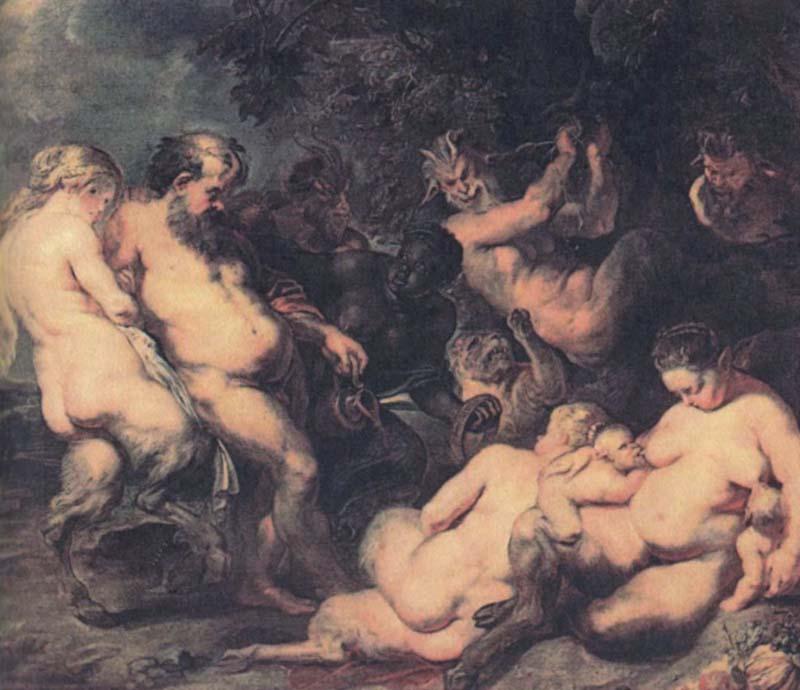
Experience the raw energy of Rubens' "Bacchanale"! This Baroque masterpiece captures a wild celebration with nude figures, vibrant colors, and dynamic movement – a captivating glimpse into 17th-century ecstasy.
Taiteilijan elämäkerta
Sir Peter Paul Rubens: Barokki-mestari! Dynaamiset kompositiot, eloisat värit ja ikonisia teoksia kuten 'Ristin lasku'. Tutustu hänensaarnaansa ja taiteeseensa!
About the painting
The Frenzied Dance of Divinity: Peter Paul Rubens’s “Bacchanale”
Peter Paul Rubens' "Bacchanale," painted around 1615, isn’t merely a depiction of revelry; it’s a visceral embodiment of the Baroque spirit—a tempestuous collision of classical mythology, raw emotion, and dynamic movement. This monumental oil on canvas transports us to a moonlit forest, teeming with figures caught in an ecstatic dance before Bacchus, the god of wine and fertility. The painting pulsates with life, demanding our attention and inviting us into its chaotic, intoxicating world. It’s a work that speaks not just to the eye but directly to the senses, capturing the very essence of unbridled joy and primal instinct.
Rubens, a master of color and composition, was deeply influenced by the Counter-Reformation's need for dramatic religious imagery. Yet, he skillfully blended this influence with his own exuberant style, creating works that were both profoundly spiritual and intensely sensual. “Bacchanale” exemplifies this duality perfectly. The figures, rendered in Rubens’ signature glowing palette of reds, golds, and deep blues, are not idealized heroes but deeply human—prone to lust, intoxication, and a complete abandonment of restraint. This departure from the more restrained styles of earlier periods was revolutionary, reflecting a shift towards embracing earthly pleasures within a framework of religious devotion.
A Symphony of Form and Color
Technically, “Bacchanale” is a tour de force. Rubens’s brushwork is loose and energetic, creating an immediate sense of movement and dynamism. Notice how he uses rapid, short strokes to depict the swirling fabrics and the frenzied gestures of the dancers. The figures are not meticulously rendered with anatomical precision; instead, they are captured in moments of intense emotion, their forms simplified and exaggerated to heighten the drama. The use of *chiaroscuro* – the dramatic contrast between light and dark – further emphasizes this sense of movement and adds a layer of theatricality to the scene. The lighting seems to emanate from within the figures themselves, bathing them in an otherworldly glow.
Rubens’s mastery of color is equally remarkable. He employs a vibrant, almost overwhelming palette, using rich reds and golds to represent the intoxicating effects of wine and revelry. These warm tones are juxtaposed with cooler blues and greens, creating a dynamic visual tension that mirrors the emotional turmoil of the scene. The sheer intensity of the colors contributes significantly to the painting’s overall impact, drawing the viewer into its chaotic embrace.
Mythological Roots and Symbolic Layers
The subject matter itself—the bacchanal—is steeped in classical mythology. The Bacchanalia were wild festivals held in honor of Dionysus (Bacchus), where participants indulged in wine, music, dance, and ecstatic rituals. These celebrations represented a temporary escape from the constraints of civilized society, a return to primal instincts and a celebration of life’s fleeting pleasures. In “Bacchanale,” Rubens transforms this ancient myth into a powerful allegory for human nature—a reminder of our capacity for both joy and excess.
Beyond the mythological narrative, the painting is rich in symbolic detail. The abundance of food and drink symbolizes fertility and prosperity, while the nudity of the figures represents freedom from shame and social constraints. Even the forest setting itself can be interpreted symbolically—representing a wild, untamed space where human desires are unleashed without restraint. The inclusion of satyrs and nymphs further reinforces the painting’s connection to pagan traditions, adding another layer of complexity to its meaning.
A Legacy of Baroque Grandeur
“Bacchanale” stands as one of Rubens' most celebrated works, a testament to his artistic genius and his ability to capture the spirit of the Baroque era. Its dramatic composition, vibrant colors, and powerful emotional impact continue to resonate with viewers today. Reproductions of this masterpiece offer a remarkable opportunity to experience the intensity and dynamism of Rubens’s vision—a chance to step into a world of ecstatic revelry and witness the raw beauty of human passion. It's a painting that invites contemplation, sparking questions about our own relationship to pleasure, excess, and the enduring power of myth.
Kysymykset ja vastaukset
Miten teoksen Peter Paul Rubens:n "Bacchanale" tunnelma on kuvattu?
Teoksen Peter Paul Rubens:n "Bacchanale" yleinen tunnelma on Dramatic. Tunnelma kuvaa teoksen yleistä ilmapiiriä.
Voinko tutkia teosta "Bacchanale" yksityiskohtaisemmin?
Peter Paul Rubens:n "Bacchanale" -teoksen Röntgentutkimus -sivu on interaktiivinen katseluohjelma, jonka avulla voit selata teoksen kuvaa yhdennellätoista optisella kerroksella, mukaan lukien röntgenkuvamainen näkymä.
Mikä Peter Paul Rubens:n "Bacchanale" -tulosteen koko sopii suositeltuun huoneeseen?
Suositeltu tulostuskoko teokselle Peter Paul Rubens:n "Bacchanale" tilaan Living Room on Large.
Quick facts and art quiz
About Peter Paul Rubens

Peter Paul Rubens
1577 - 1640, Saksa
Taiteilijan elämäkerta
Sir Peter Paul Rubens: Barokin mestari!
Sir Peter Paul Rubens, nimi joka resonoituu barokin dynaamisuuden ytimessä, oli paljon enemmän kuin pelkästään maalaaja. Hän oli diplomaatti, tutkija ja kulttuuriarkkitehti, joka muutti radikaalisti 1600-luvun Euroopan taiteellista maisemaa. Syntynyt Siegenissä, Saksassa vuonna 1577, hänen varhaisensa elämänsä oli merkitty paikkaanmuuttoihin – muotoutava kokemus, joka heijastui hienovaraisesti myöhemmässä teoksessaan dramaattisuuden ja tunteellisen syvyyden kautta. Hänen isänsä, Jan Rubens, lakimies pakolaisena uskonnollisesta vainosta, siirsi perheensä alkuperäisestä Antwerpenistä, Espanjan alaisuudessa, ja asettui Kölniin lapsuuden ajaksi. Tämä varhainen maanpakola antoi Peter Paulille resilienssin ja sopeutumiskyvyn tunteen, ominaisuudet jotka palvelevat häntä monipuolisessa urassaan. Isänsi kuoleman jälkeen vuonna 1587 perhe palasi Antwerpeniin, jossa hän sai humanistisen koulutuksen ennen taiteellisen harjoittelunsa aloittamista noin vuonna 1590, oppien Tobias Verhaechtistä ja Adam van Noortista, hioen perustaitoja piirustuksessa ja maalaustekniikoissa. Kuitenkin Otto van Veenin kanssa vietetty aika osoittautui ratkaisevaksi, esittelemällä hänelle rikkaita italialaisen renessanssitaiteen perinteitä – maailmaa, johon hän pian omaksui kokonaan.Italian Herääminen ja Taiteellinen Synteesi
Vuonna 1600 Rubens lähti muuttavan matkan Italiaan, pyhiinvaellus, joka muutti hänen taiteellista näkemystään peruuttamattomasti. Kahdeksan vuotta hän uppoutui Michelangelo’n, Rafaelin ja Titiuksen mestariteoksien maailmaan, imiten heidän taitonsa muotojen, värien ja komposiitien hallintaa. Näiden renessanssin jumaloiden vaikutus näkyy hänen varhaisissa italialaisissa teoksissaan, jotka ovat tunnusomaisia klassisten teemojen ja idealisoitujen hahmojen suhteen. Rubens ei kuitenkaan pelkästään kopioinut; hän synteesoi nämä vaikutteet omiin lahjoihinsa, kehittäen oman tyylinsä, joka on merkittävää väreiltään, dynaamiselta komposiitiltaan ja ihmisen kehon aistilliselta kuvaukseltaan. Hän opiskeli anatomiata huolellisesti, mikä johti hahmoihin, jotka olivat fyysisesti realistisia ja tunteellisesti voimakkaita – täynnä elämää ja liikettä olevia vartaloita. Tämä aika ei ollut pelkästään taiteellista kehitystä; se oli syvällinen filosofinen herääminen, joka edisti klassisen mytologian ja kirjallisuuden arvostusta, jotka muuttuivat toistuviksi teemoiksi hänen tuotoksissaan.Monien Muotojen Mestari: Maalaaminen Rajojen Ulkopuolella
Rubensin taiteellinen tuotanto oli uskomattoman monipuolista ja vilkasta. Hän ei rajoittanut itseään yhteen genreen; pikemminkin hän loisti historia maalauksissa, myyttisissä kohtauksissa, muotokuvissa, maisemissa ja uskonnollisissa teoksissa – todisteena hänen monipuolisuudestaan ja loputtomasta luovuudestaan. Suuret hänen maalaamansa kannukset, usein tarkoitettu kirkoille, palatseleille ja julkisille tiloille, olivat upeita teknisen taitonsa ja draaman esityksen osoituksia. Kristuksen laskeutuminen ristiltä (1612–1614) on erinomainen esimerkki hänen mestarillisuudestaan valon ja varjon käytössä luodakseen syvän tunteellisen vaikutelman. Madonna ja Pyhä Mikael (c. 1607-1608) tuo esiin Jumalan armoa ja täyden värimaailman mestarillisesti suunnitellulla komposiitilla ja dramaattisella valolla. Hän hallitsi myös öljyvärejä, käyttäen impasto-tekniikkaa luodakseen tekstuuria ja syvyyttä sekä hienovaraisia lasiteknikoita saavuttaakseen hehkuvia vaikutuksia. Rubens käytti usein allegorisia hahmoja ja symbolista kieltä, kerroksittaen merkityksiä ja kannustaakseen pohdintaa ja tulkintaa.Diplomaattinen Toiminta, Perinnön Jättö ja Kestävä Vaikutus
Rubensin vaikutus ulottui taiteen rajojen ulkopuolelle. Diplomatiaosaamisensa oli arvokasta Etelä-Nederlandien (nykyaikainen Belgia) suhteen, ja hän suoritti useita tehtäviä Englannissa ja Ranskassa, neuvotellen liittoumia ja edistäen poliittisia yhteyksiä – ainutlaatuinen kaksoisrooli, joka antoi hänelle hienostuneen näkökulman eurooppalaiseen politiikkaan ja vahvisti hänen asemaansa älykkäänä ja vaikutusvaltaisena miehenä. Vuonna 1622 hänet lähetettiin Pariisiin Maria de Medicin, Espanjan kuningattaren, palvelukseen, jossa hän joutui nopeasti hallitsemaan uusia taitoja – poliittista manööveriä. Kardinaali Richelieu vihasi häntä, Maria oli arvaamaton ja projekti lopetettiin lopulta puolet kesken kun Maria karkotettiin Pariisista. Mutta Rubens toi silti kotiin komission. Vuonna 1625 Antwerpen kärsi ruttoepidemiasta. Rubens muutti perheensä Brysseliin, missä hänen vaimonsa sairastui ja kuoli, todennäköisesti ruttoon. Yleensä mies, joka ylpeili stoikisuudestaan, oli järkyttynyt "sen rakkaan" menettämisestä. Hän uppoutui diplomaattiseen työhön häviönsä kompensoimiseksi. Useiden kuukausien ajan hän matkusti Englantiin ja työskenteli kuningas Charles I:n palveluksessa. Molemmissa maissa, Ranskassa ja Englannissa, Rubens saapui taiteilijana ja lähti diplomaatiksi. Hän neuvotteli liittoumia Isabella Clara Eugeniasta, Etelä-Nederlandien hallitsijasta. Vastineeksi Isabella myönsi kunniatittelun hänen uskollisen maalariensa keskuuteen, ja taiteilija nousi arvostetuksi mieheksi.Keskeisiä Ominaisuuksia Rubensin Tyylille
- Dynaaminen Kompositiot: Rubensin maalaukset ovat tunnettuja energisistä ja draattisista hahmojen asetteluista.
- Elävä Väripaletti: Hän käytti rikkaita, lämpimiä värejä, jotka elävöittivät hänen kankaitaan.
- Aistilliset Hahmot: Hänen ihmishahmojensa kuvauksissa oli täydellisyyttä, elinvoimaa ja usein selkeää aistillisuutta.
- Taitava Valon ja Varjon Käyttö: Rubens hallitsi valoa ja varjoa mestarillisesti luodakseen syvyyttä, draamaa ja tunteellista vaikutusta.
- Allegorinen Symbolismi: Hänen teoksissaan käytettiin usein allegorisia hahmoja ja symbolista kieltä, lisäämällä kerroksia merkityksiä ja monimutkaisuutta.
Quick facts about Peter Paul Rubens
- Artistic Movement Or Style: Barokki
- Artists Or Movements Influenced By This Artist: ['Anthony van Dyck']
- Artists Who Influenced This Artist:
- Michelangelo
- Titian
- Date Of Birth: 1577
- Date Of Death: 1640
- Full Name: Sir Peter Paul Rubens
- Nationality: Flemish
- Notable Artworks:
- Kristuksen laskeutuminen
- Madonna Pietari
- Hänen puutarhassaan
- Place Of Birth: Siegen, Saksa
Tutustu teoksiin, jotka on järjestetty aiheiden, tyylien ja ominaisuuksien mukaan.


Peter Paul Rubens
Bacchanale
() ·
With its frame: · Hand-painted in oil on linen
Total