

 Katso seinällä
 Lähetä
 Jaa
Jaa
 Tarkemmat tiedot
 Opas
Opas

 Lataa kuva
 Samanlaisia kohteita
 Röntgenkuvaus
 Diaesitys
 Tilastot
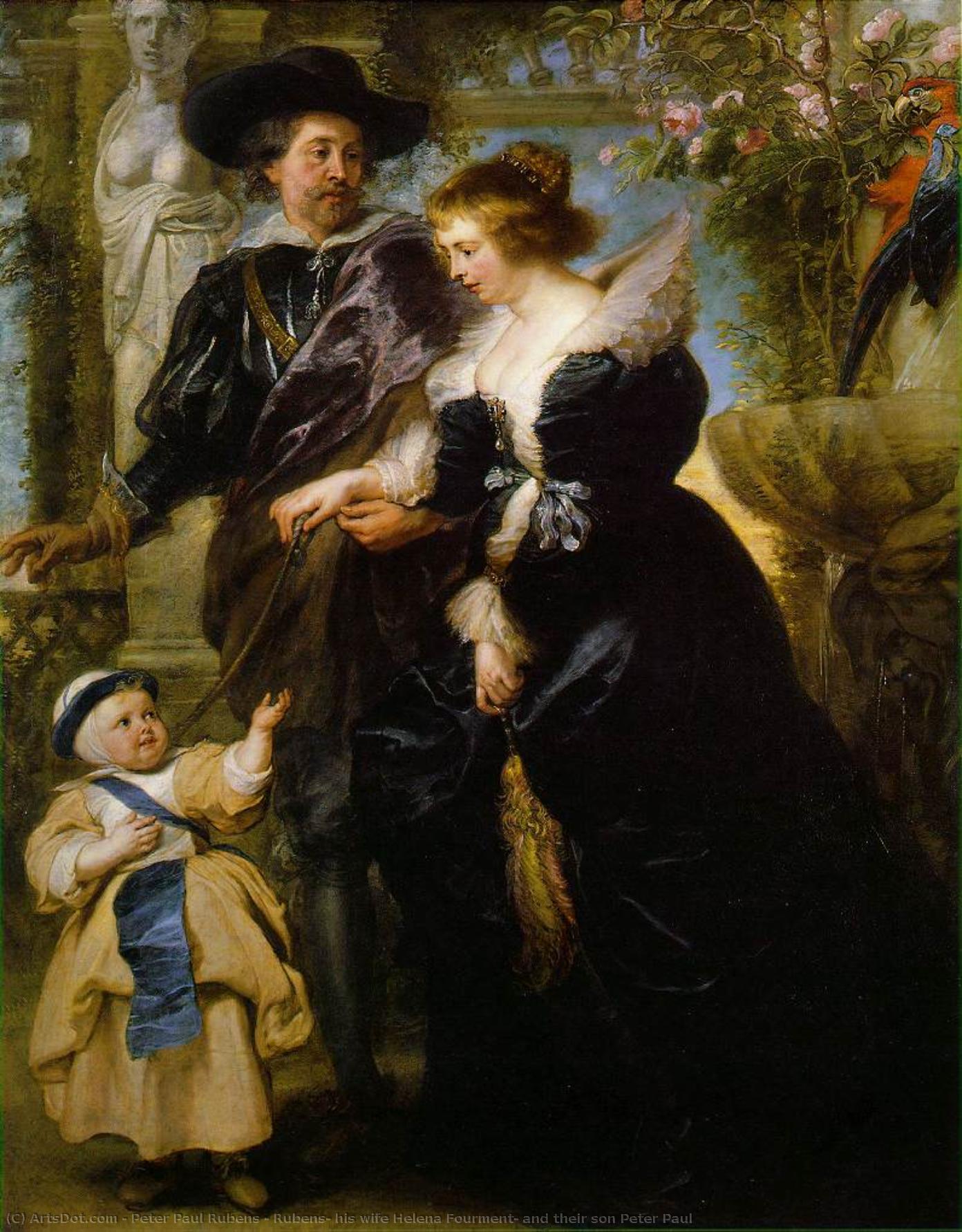
Rubens, his wife Helena Fourment, and their son Peter Paul
 Öljyväri kankaalle
- Seinätaide
- Baroque
 1639
1639- Varhaismoderni aika
 204.0 x 158.0 cm
 Metropolitanin museo
Rubens' intimate portrait captures his family—wife Helena Fourment and son Peter Paul—in 1639. A masterpiece of Baroque art at the Met, showcasing vibrant color & dynamic composition.
 Lue lisää
Sir Peter Paul Rubens: Barokki-mestari! Dynaamiset kompositiot, eloisat värit ja ikonisia teoksia kuten 'Ristin lasku'. Tutustu hänensaarnaansa ja taiteeseensa!
Käsinmaalattu öljyvärinen jäljennös
Käsinmaalattu öljyväri kankaalle haluamassasi koossa ja kehyksissä, taiteilijoidemme valmistamana tilauksesta. ( Vaihda tulosteeseen Siirry digitaaliseen kuvaan)




P118B $10

P118H $10

P118W $10

P438Z $10

P508JH $12

P508YH $12

P805H $10

P805Z $10

P919BZ $10

P919G $10

P919XJ $10

P959ZH $10

P968JZ $12

W106C $8

W218G $10

W218JH $8

W218Y $10

W307PJ $10

W316G $10

W316PJ $8

W316Y $10

W398PJ $8

W4111J $10

W500HY $15

W500JH $15

W692G $12

W849H $8

W940BG $15

W953PJ $8




Vakiokoko
mittatilaustyö
CM
INCH
Valitse valmiista mitoistamme sellaiset, jotka vastaavat teoksen alkuperäisiä mittasuhteita.
Loading sizes...

leveys
korkeus
Voit syöttää omat mitat sopimaan tiettyyn kehykseen tai tilaan. Jos valitsemasi koko ei vastaa alkuperäisen kuvan mittasuhteita, rajaamme taideteoksen tai jatkamme maalausta käsin maalatuilla elementeillä. Digitaalinen esikatselu lähetetään hyväksyttäväksi ennen tuotannon aloittamista.
Huomioithan, että näytöllä oleva esikatselu ei vastaa todellista rajausta tai jatkamista. Vain digitaalinen mallikuva näyttää lopullisen sommittelun tarkasti.
Vaikka mittatilaustyöt ovat mahdollisia, suosittelemme valitsemaan mitan ennalta määritetystä listasta alkuperäisten mittasuhteiden säilyttämiseksi.
Esimerkkejä muokattavista asioista: Vaihda kasvot asiakkaan omaan valokuvaan; Lisää lemmikki (esim. korvaa kissa koiralla); Lisää taustalle piilotettu viesti; Muuta taustan maisemaa tai elementtejä.
Tilauksen jälkeen TopImpressionists.com -tiimi lähettää asiakkaalle sähköpostitse ohjeet ja esikatselukuvan.
Tilauksen jälkeen TopImpressionists.com -tiimi lähettää asiakkaalle sähköpostitse ohjeet ja esikatselukuvan.
Maailmanlaajuinen toimitus () 3–4 viikossa tavallisen 5 viikon sijaan. (23 syyskuu). Laadusta ei tingitä.

Ilmainen pikatoimitus ympäri maailman

Korkealaatuinen pellavakangas

Kattava kuljetusvakuutus

Tulliveron palautustakuu

Takuu täydellisestä värien vastaavuudesta

100 päivän palautusoikeus valmistusvirhetapauksissa

100% rahat takaisin -takuu

Määräalennus saatavilla
 Lasivaihtoehto on saatavilla vain alle 110 cm kokoisille teoksille

Rubens, his wife Helena Fourment, and their son Peter Paul
Reproduktiotapa
Replikaatin koko
-


Kokonaishinta
$ 269
Rubens, his wife Helena Fourment, and their son Peter Paul: A Portrait of Domestic Bliss
This captivating painting, "Rubens, his wife Helena Fourment, and their son Peter Paul," created by the renowned Flemish artist Peter Paul Rubens in 1639, offers a glimpse into the personal life of one of art history's most celebrated figures. Currently residing at The Metropolitan Museum of Art in New York City, this work transcends a simple family portrait; it’s a testament to love, legacy, and the flourishing artistic spirit of the Baroque era.
Artistic Style and Historical Context
The painting exemplifies the characteristics of the Flemish Baroque art movement. This style is distinguished by its dramatic and emotional tone, rich colors, intense light and dark shadows (chiaroscuro), and a focus on evoking emotion and passion. Rubens' unique and immensely popular Baroque style emphasized movement, color, and sensuality, aligning with the immediate, dramatic artistic style promoted in the Counter-Reformation.
The late 1630s were a period of relative peace for Rubens, allowing him to focus on his family and personal life. This painting reflects that stability and contentment, contrasting with earlier works often depicting tumultuous historical or mythological scenes. The opulent clothing and setting showcase the wealth and status enjoyed by Rubens at this time.
Composition and Symbolism
The composition is carefully orchestrated to convey a sense of familial harmony. Rubens stands proudly beside his wife, Helena Fourment, with their young son, Peter Paul, nestled between them. The man wears a stylish hat and has his arm affectionately around his wife, demonstrating closeness and protection. All three are dressed in elaborate clothing – the woman in a luxurious dress, and the child also adorned nicely – signifying their social standing.
The backdrop of an ornate building adds to the grandeur of the scene. While the specific location is debated, it likely represents a significant residence or estate, further emphasizing the family's prosperity. The architectural details are rendered with meticulous precision, showcasing Rubens’ skill in capturing realistic textures and spatial depth.
Symbolically, the painting can be interpreted as an affirmation of domestic virtue and familial continuity. Rubens, at this point in his life, had already achieved immense artistic fame, and this portrait serves as a visual declaration of his personal happiness and the importance of family to him. The presence of his son, named after himself, reinforces the desire for legacy and the continuation of his name and artistic talent.
Emotional Impact and Legacy
“Rubens, his wife Helena Fourment, and their son Peter Paul” evokes a sense of warmth, intimacy, and quiet joy. The expressions on the faces of the subjects are subtly engaging, conveying affection and contentment. The vibrant colors and dynamic composition draw the viewer into the scene, creating an immersive experience.
As one of Rubens’s most cherished personal portraits, this painting remains a significant piece in art history, reflecting the artistic trends and cultural influences of its time. It stands as a powerful reminder of the artist's multifaceted nature – not only a brilliant painter but also a devoted husband and father. The work continues to inspire admiration for its technical mastery, emotional depth, and enduring portrayal of familial love.
Taiteilijan elämäkerta
Sir Peter Paul Rubens: Barokin mestari!
Sir Peter Paul Rubens, nimi joka resonoituu barokin dynaamisuuden ytimessä, oli paljon enemmän kuin pelkästään maalaaja. Hän oli diplomaatti, tutkija ja kulttuuriarkkitehti, joka muutti radikaalisti 1600-luvun Euroopan taiteellista maisemaa. Syntynyt Siegenissä, Saksassa vuonna 1577, hänen varhaisensa elämänsä oli merkitty paikkaanmuuttoihin – muotoutava kokemus, joka heijastui hienovaraisesti myöhemmässä teoksessaan dramaattisuuden ja tunteellisen syvyyden kautta. Hänen isänsä, Jan Rubens, lakimies pakolaisena uskonnollisesta vainosta, siirsi perheensä alkuperäisestä Antwerpenistä, Espanjan alaisuudessa, ja asettui Kölniin lapsuuden ajaksi. Tämä varhainen maanpakola antoi Peter Paulille resilienssin ja sopeutumiskyvyn tunteen, ominaisuudet jotka palvelevat häntä monipuolisessa urassaan. Isänsi kuoleman jälkeen vuonna 1587 perhe palasi Antwerpeniin, jossa hän sai humanistisen koulutuksen ennen taiteellisen harjoittelunsa aloittamista noin vuonna 1590, oppien Tobias Verhaechtistä ja Adam van Noortista, hioen perustaitoja piirustuksessa ja maalaustekniikoissa. Kuitenkin Otto van Veenin kanssa vietetty aika osoittautui ratkaisevaksi, esittelemällä hänelle rikkaita italialaisen renessanssitaiteen perinteitä – maailmaa, johon hän pian omaksui kokonaan.Italian Herääminen ja Taiteellinen Synteesi
Vuonna 1600 Rubens lähti muuttavan matkan Italiaan, pyhiinvaellus, joka muutti hänen taiteellista näkemystään peruuttamattomasti. Kahdeksan vuotta hän uppoutui Michelangelo’n, Rafaelin ja Titiuksen mestariteoksien maailmaan, imiten heidän taitonsa muotojen, värien ja komposiitien hallintaa. Näiden renessanssin jumaloiden vaikutus näkyy hänen varhaisissa italialaisissa teoksissaan, jotka ovat tunnusomaisia klassisten teemojen ja idealisoitujen hahmojen suhteen. Rubens ei kuitenkaan pelkästään kopioinut; hän synteesoi nämä vaikutteet omiin lahjoihinsa, kehittäen oman tyylinsä, joka on merkittävää väreiltään, dynaamiselta komposiitiltaan ja ihmisen kehon aistilliselta kuvaukseltaan. Hän opiskeli anatomiata huolellisesti, mikä johti hahmoihin, jotka olivat fyysisesti realistisia ja tunteellisesti voimakkaita – täynnä elämää ja liikettä olevia vartaloita. Tämä aika ei ollut pelkästään taiteellista kehitystä; se oli syvällinen filosofinen herääminen, joka edisti klassisen mytologian ja kirjallisuuden arvostusta, jotka muuttuivat toistuviksi teemoiksi hänen tuotoksissaan.Monien Muotojen Mestari: Maalaaminen Rajojen Ulkopuolella
Rubensin taiteellinen tuotanto oli uskomattoman monipuolista ja vilkasta. Hän ei rajoittanut itseään yhteen genreen; pikemminkin hän loisti historia maalauksissa, myyttisissä kohtauksissa, muotokuvissa, maisemissa ja uskonnollisissa teoksissa – todisteena hänen monipuolisuudestaan ja loputtomasta luovuudestaan. Suuret hänen maalaamansa kannukset, usein tarkoitettu kirkoille, palatseleille ja julkisille tiloille, olivat upeita teknisen taitonsa ja draaman esityksen osoituksia. Kristuksen laskeutuminen ristiltä (1612–1614) on erinomainen esimerkki hänen mestarillisuudestaan valon ja varjon käytössä luodakseen syvän tunteellisen vaikutelman. Madonna ja Pyhä Mikael (c. 1607-1608) tuo esiin Jumalan armoa ja täyden värimaailman mestarillisesti suunnitellulla komposiitilla ja dramaattisella valolla. Hän hallitsi myös öljyvärejä, käyttäen impasto-tekniikkaa luodakseen tekstuuria ja syvyyttä sekä hienovaraisia lasiteknikoita saavuttaakseen hehkuvia vaikutuksia. Rubens käytti usein allegorisia hahmoja ja symbolista kieltä, kerroksittaen merkityksiä ja kannustaakseen pohdintaa ja tulkintaa.Diplomaattinen Toiminta, Perinnön Jättö ja Kestävä Vaikutus
Rubensin vaikutus ulottui taiteen rajojen ulkopuolelle. Diplomatiaosaamisensa oli arvokasta Etelä-Nederlandien (nykyaikainen Belgia) suhteen, ja hän suoritti useita tehtäviä Englannissa ja Ranskassa, neuvotellen liittoumia ja edistäen poliittisia yhteyksiä – ainutlaatuinen kaksoisrooli, joka antoi hänelle hienostuneen näkökulman eurooppalaiseen politiikkaan ja vahvisti hänen asemaansa älykkäänä ja vaikutusvaltaisena miehenä. Vuonna 1622 hänet lähetettiin Pariisiin Maria de Medicin, Espanjan kuningattaren, palvelukseen, jossa hän joutui nopeasti hallitsemaan uusia taitoja – poliittista manööveriä. Kardinaali Richelieu vihasi häntä, Maria oli arvaamaton ja projekti lopetettiin lopulta puolet kesken kun Maria karkotettiin Pariisista. Mutta Rubens toi silti kotiin komission. Vuonna 1625 Antwerpen kärsi ruttoepidemiasta. Rubens muutti perheensä Brysseliin, missä hänen vaimonsa sairastui ja kuoli, todennäköisesti ruttoon. Yleensä mies, joka ylpeili stoikisuudestaan, oli järkyttynyt "sen rakkaan" menettämisestä. Hän uppoutui diplomaattiseen työhön häviönsä kompensoimiseksi. Useiden kuukausien ajan hän matkusti Englantiin ja työskenteli kuningas Charles I:n palveluksessa. Molemmissa maissa, Ranskassa ja Englannissa, Rubens saapui taiteilijana ja lähti diplomaatiksi. Hän neuvotteli liittoumia Isabella Clara Eugeniasta, Etelä-Nederlandien hallitsijasta. Vastineeksi Isabella myönsi kunniatittelun hänen uskollisen maalariensa keskuuteen, ja taiteilija nousi arvostetuksi mieheksi.Keskeisiä Ominaisuuksia Rubensin Tyylille
- Dynaaminen Kompositiot: Rubensin maalaukset ovat tunnettuja energisistä ja draattisista hahmojen asetteluista.
- Elävä Väripaletti: Hän käytti rikkaita, lämpimiä värejä, jotka elävöittivät hänen kankaitaan.
- Aistilliset Hahmot: Hänen ihmishahmojensa kuvauksissa oli täydellisyyttä, elinvoimaa ja usein selkeää aistillisuutta.
- Taitava Valon ja Varjon Käyttö: Rubens hallitsi valoa ja varjoa mestarillisesti luodakseen syvyyttä, draamaa ja tunteellista vaikutusta.
- Allegorinen Symbolismi: Hänen teoksissaan käytettiin usein allegorisia hahmoja ja symbolista kieltä, lisäämällä kerroksia merkityksiä ja monimutkaisuutta.

Peter Paul Rubens
1577 - 1640 , Saksa
Tietoa taiteilijasta
- Artistic Movement Or Style: Barokki
- Artists Or Movements Influenced By This Artist: ['Anthony van Dyck']
- Artists Who Influenced This Artist:
- Michelangelo
- Titian
- Date Of Birth: 1577
- Date Of Death: 1640
- Full Name: Sir Peter Paul Rubens
- Nationality: Flemish
- Notable Artworks:
- Kristuksen laskeutuminen
- Madonna Pietari
- Hänen puutarhassaan
- Place Of Birth: Siegen, Saksa
Aiheeseen liittyvät artikkelit

The Grandeur of Baroque Portraiture: Power, Emotion & Artistic Innovation
Explore the grandeur of Baroque portraiture! Discover Rubens, Van Dyck & the masters of 17th-century art. Uncover symbolism, techniques & lasting influence. Expert insights for collectors and enthusiasts.

Barokin mestariteokset: Taidetta ja loistoa kotiisi – TopImpressionists.com
Uppoudu barokin loistokkuuteen! Tutustu Caravaggion, Rembrandtin ja Vermeerin kaltaisten mestareiden tunnetuimpiin teoksiin. Taidehistoriaa kotiisi – löydä upeat taidetulosteet ja canvas-taulut TopImpressionists.comista.

Paul Kleen mestariteokset: 25 taideteosta, jotka inspiroivat kotiisi – TopImpressionists.com
Tutustu Paul Kleen 25 mestariteokseen! Uppoudu sveitsiläisen taiteilijan abstraktiin maailmaan – ekspressionismista kubismiin. Löydä inspiraatiota kotiisi ja osta korkealaatuisia taide-reproduktioita TopImpressionists.comissa. Tutki kokoelma verkossa!

Peter Paul Rubens: A Baroque Master's Life, Legacy & Enduring Influence
Discover the life & art of Peter Paul Rubens, the most influential artist of the Flemish Baroque tradition. Explore his masterpieces, legacy, and impact on art history with TopImpressionists.

Paul Cézannen 25 mestariteosta: Taidetta kotiisi – TopImpressionists.com
Tutustu Paul Cézannen 25 vaikuttavinta mestariteosta! Postimpressionismin huipputeoksia, still life -maalauksia ja ikonisia maisemia. Löydä taiteen tarinat ja inspiroi kotisi sisustusta TopImpressionists.com:ssa. Tutki kokoelma verkossa!
Tutustu teoksiin, jotka on järjestetty aiheiden, tyylien ja ominaisuuksien mukaan.


