

 Katso seinällä
 Lähetä
 Jaa
Jaa
 Tarkemmat tiedot
 Opas
Opas

 Lataa kuva
 Samanlaisia kohteita
 Röntgenkuvaus
 Diaesitys
 Tilastot
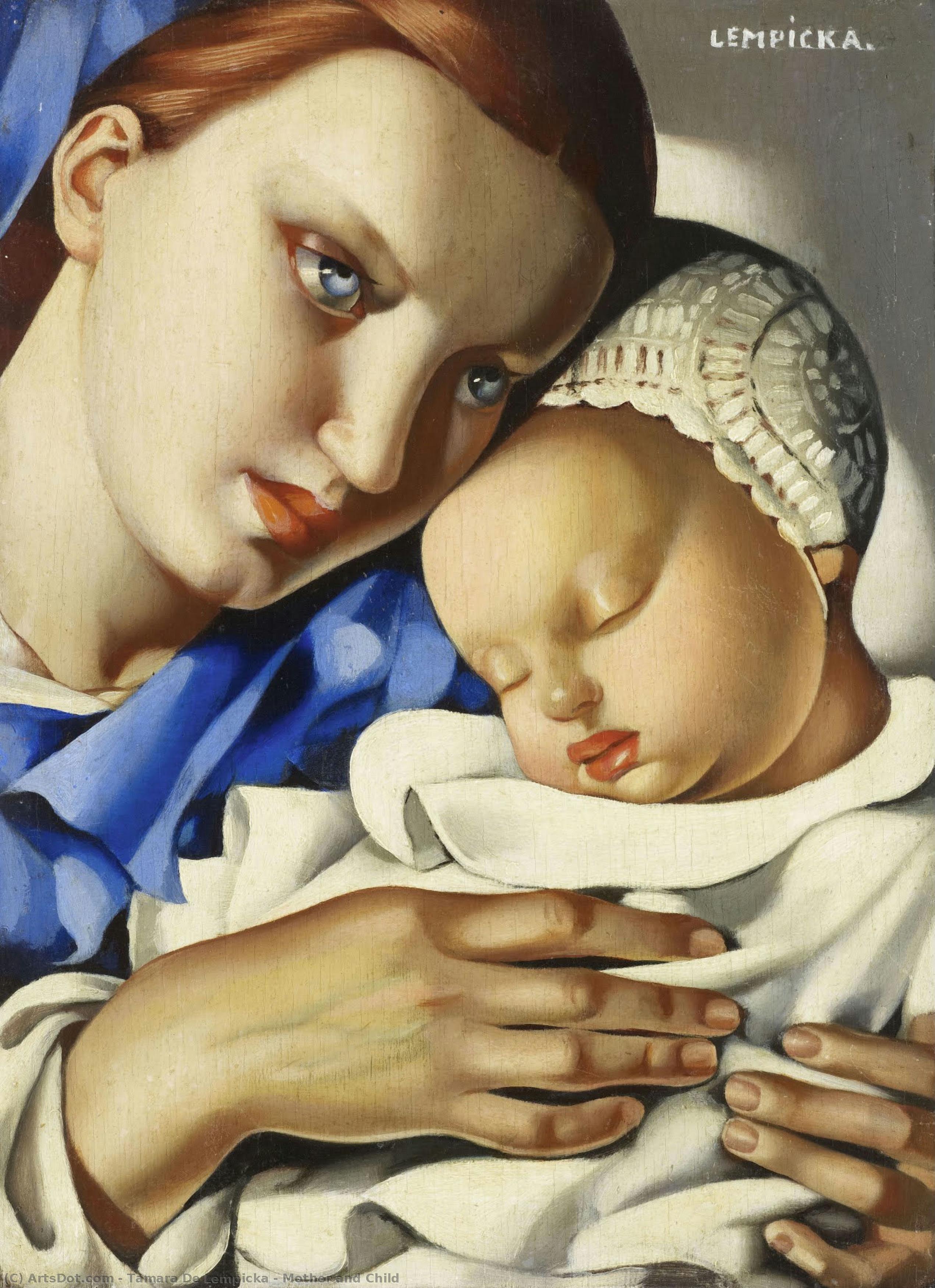
Mother and Child
 Oil On Canvas
- WallArt
- Cubist Abstract
 33.0 x 24.0 cm
 Grand Palais
Experience Tamara de Lempicka's 'Mother and Child,' a captivating Art Deco portrait of a Polish aristocrat and her baby. Explore the beauty, intimacy, and historical context of this iconic masterpiece.
 Lue lisää
Tutustu Tamara de Lempickaan (1898-1980), art deco -tyylin ikoniseen maalariin! Löydä glamourousat muotokuvat ja tyylitellyt aktikuvat, jotka juhlistavat aristokratiaa ja modernia naiseutta. Aikansa henkeä!
Tällä sivulla esitettyä taideteosta suojaa tekijänoikeuslaki, mikä tarkoittaa, ettemme voi laillisesti luoda tai myydä täsmälleen samanlaista jäljennöstä. Tämä suoja toteutetaan kansainvälisten sopimusten, kuten esimerkiksi Berne-konventio ja kansallisilla laeilla, mukaan lukien niillä määritellyt Yhdysvaltain tekijänoikeuslaki – Luku 17. Kaikki oikeudet pidätetään. Luvaton kopiointi tai jäljittely on kielletty.
Tämä menetelmä noudattaa täysin tekijänoikeussäännöksiä, sillä se ei sisällä suojatun taideteoksen kopioimista tai jäljentämistä. Sen sijaan kyseessä on luova uudelleentulkinta – uusi maalaus, joka ammentaa vaikutteita alkuperäisestä, mutta ei ole sen identtinen kopio.
Giclée- ja taideprintit
Museolaatuisia giclée- tai kankaitaulun tulosteita nopealla tuotannolla ja joustavilla viimeistelyvaihtoehdoilla. ( Tilaa käsinmaalattu jäljennös Siirry digitaaliseen kuvaan)




P118B €10

P118H €10

P118W €10

P438Z €10

P508JH €12

P508YH €12

P805H €10

P805Z €10

P919BZ €10

P919G €10

P919XJ €10

P959ZH €10

P968JZ €12

W106C €8

W218G €10

W218JH €8

W218Y €10

W307PJ €10

W316G €10

W316PJ €8

W316Y €10

W398PJ €8

W4111J €10

W500HY €15

W500JH €15

W692G €12

W849H €8

W940BG €15

W953PJ €8




Vakiokoko
mittatilaustyö
CM
INCH
Valitse valmiista mitoistamme sellaiset, jotka vastaavat teoksen alkuperäisiä mittasuhteita.
Loading sizes...

leveys
korkeus
Voit syöttää omat mitat sopiaksesi tiettyyn kehykseen tai tilaan. Jos valittu koko ei vastaa alkuperäisen kuvan mittasuhteita, rajaamme teosta tai laajennamme kuvaa peilatulla tai yhtenäisellä reunalla. Digitaalinen mallikuva lähetetään hyväksyttäväksi ennen tuotannon aloittamista.
Huomaathan, että näytöllä näkyvä esikatselu ei vastaa lopullista rajausta tai laajennusta. Vain mallikuva näyttää lopullisen sommittelun tarkasti.
Vaikka räätälöityjä kokoja on saatavilla, suosittelemme valitsemaan mitat valmiista listasta alkuperäisten mittasuhteiden säilyttämiseksi.
Maailmanlaajuinen toimitus () 2 viikossa tavallisen 4–5 viikon sijaan. (12 lokakuu)

Ilmainen pikatoimitus ympäri maailman

Korkealaatuinen pellavakangas

Kattava kuljetusvakuutus

Tulliveron palautustakuu

Takuu täydellisestä värien vastaavuudesta

100 päivän palautusoikeus valmistusvirhetapauksissa

100% rahat takaisin -takuu

Määräalennus saatavilla
 Lasivaihtoehto on saatavilla vain alle 110 cm kokoisille teoksille

Mother and Child
Giclée- ja taideprintit
Replikaatin koko
-


Kokonaishinta
€ 59
A Portrait of Intimate Strength: Deconstructing Tamara de Lempicka's 'Mother and Child'
Tamara de Lempicka’s “Mother and Child,” painted in 1953, is more than just a depiction of familial love; it’s a carefully constructed tableau of aristocratic poise, quiet resilience, and the enduring power of maternal connection. Born Maria Teresa Górska in Warsaw in 1898, de Lempicka’s life was one of dramatic shifts – from a privileged Polish upbringing to a whirlwind romance with Tadeusz Łempicki, a tumultuous period during the Russian Revolution, and ultimately, a successful career as a celebrated Art Deco painter. This particular work, created later in her life, offers a poignant glimpse into her artistic evolution and her deeply personal understanding of motherhood.
The painting immediately draws the eye to the central figures: a woman, presumably Tamara herself, cradling a small child within her arms. The composition is strikingly formal, reminiscent of classical portraiture yet imbued with the sharp angles and geometric precision characteristic of de Lempicka’s signature style. She eschews loose brushstrokes or expressive gestures in favor of clean lines, precise modeling, and a deliberate flattening of perspective – techniques borrowed from Cubism but filtered through her own unique vision. The palette is restrained: muted browns, creams, and ochres dominate, creating a sense of understated elegance and timelessness. This careful control over color and form reflects de Lempicka’s meticulous approach to art, mirroring the precision she applied to her portraits.
Art Deco Elegance and Polish Roots
“Mother and Child” is firmly rooted in the Art Deco movement, a style that flourished in the 1920s and 30s, characterized by its geometric forms, luxurious materials, and celebration of modernity. De Lempicka embraced this aesthetic wholeheartedly, incorporating it into her portraits of wealthy patrons – industrialists, financiers, and socialites – who sought to project an image of sophistication and success. However, the painting also subtly hints at de Lempicka’s Polish heritage. The woman's posture, the rich fabrics of her clothing, and the overall sense of dignified reserve evoke a distinctly Eastern European sensibility—a quiet strength born from a history shaped by both privilege and upheaval.
The historical context is crucial to understanding the painting’s deeper meaning. De Lempicka had experienced significant personal turmoil – a divorce, the loss of her husband, and the challenges posed by World War II. “Mother and Child” can be interpreted as a reflection on these experiences, a yearning for stability and connection amidst a world in constant flux. The act of cradling the child represents not just maternal love but also a desire to nurture and protect—a powerful antidote to the anxieties and uncertainties of her life.
Symbolism of Protection and Legacy
The pose itself is laden with symbolism. The woman’s hand gently supporting the child conveys a sense of protection, security, and unwavering devotion. Her gaze is direct and confident, suggesting an inner strength that transcends mere motherhood. The child, nestled securely in her arms, embodies the future—a continuation of lineage, a promise of hope. It's not a sentimental depiction of blissful domesticity; rather, it’s a portrait of resilience and quiet determination.
Furthermore, the painting subtly references the concept of legacy. De Lempicka herself was a prolific artist who left behind a significant body of work—a testament to her enduring talent and artistic vision. “Mother and Child” can be seen as an extension of this legacy, a visual representation of the values she held dear: family, beauty, and the pursuit of excellence. It’s a poignant reminder that even in moments of personal struggle, the bonds of love and the desire to create something lasting can provide solace and purpose.
A Timeless Masterpiece for the Home
Reproductions of “Mother and Child” offer a beautiful addition to any interior space. The painting’s elegant composition and restrained palette complement a wide range of design styles, from classic to contemporary. Its powerful symbolism resonates with viewers on an emotional level, evoking feelings of warmth, security, and enduring love. Whether displayed in a formal living room or a more relaxed setting, this timeless masterpiece will undoubtedly serve as a focal point—a reminder of the beauty and strength found within the bonds of family.
Kysymykset ja vastaukset
Mistä kansallisuudesta "Mother and Child"-teoksen Cubist Abstract kumpuaa?
Cubist Abstract-tyylinen teos "Mother and Child" on Suomi:ssa syntyneen taiteilijan käsialaa.
Minkälaista tunnetta Cubist Abstract-tyylinen "Mother and Child" välittää?
"Mother and Child" välittää Romantic tunnetilan Cubist Abstract-tyylisuunnan sisällä.
Miten teoksen Tamara De Lempicka:n "Mother and Child" väripaletti on kuvattu?
Tamara De Lempicka:n "Mother and Child"-teoksessa käytetään Neutrals-väripalettia. Paletti tiivistää teoksen yleisen värikarakterin.
Miten "Mother and Child" sijoittuu Tamara De Lempicka'n toistuvien aiheiden joukkoon?
"Mother and Child" esittää aiheita mother, child, tamara, lempicka, art deco, polish, family, kun taas Tamara De Lempicka tunnetaan teemoistaan art deco, parisian elegance, polish aristocracy, family life, revolution, escape, new beginnings, female identity. Näiden kahden vertaaminen osoittaa, miten teos liittyy taiteilijan tavallisiin aiheisiin.
Mitä tunnelmaa ja tunnetta Tamara De Lempicka:n "Mother and Child" välittää?
Teoksen Tamara De Lempicka:n "Mother and Child" tunnelma on Elegant, ja sen emotionaalinen sävy on Romantic.
Is Tamara De Lempicka, creator of "Mother and Child", known under other names?
Tamara De Lempicka appears under the alternate names Tamara Łempicka, Maria Górska, Tamara Rozalia Gurwik-Górska, Maria Teresa Górska.
Mikä tulostusasetus on suositeltava teokselle Tamara De Lempicka:n "Mother and Child"?
Tamara De Lempicka:n "Mother and Child" -teoksen painattamiseen suositellaan kokoa Medium ja Portrait -suuntausta.
Onko teokselle "Mother and Child" saatavilla latausversiota?
Teos "Mother and Child" on ladattavissa: teoksen Lataa -sivulta löytyy korkearesoluutioinen digitaalinen kuvalataus.
Taiteilijan elämäkerta
Puolalainen aatelisnainen Art Décon maailmassa
Tamara de Lempicka, syntyjään Maria Teresa Górska Varsovassa vuonna 1898, oli hahmo yhtä kiehtova ja monimutkainen kuin hänen ikuistamansa muotokuvat. Hänen elämäntarinansa on kuin romaani – pyörremyrsky aristokraattista kasvatusta, vallankumouksellisia myllerryksiä, taiteellista heräämistä ja kestävää glamouria. Hän syntyi varakkaaseen puolalaiseen juutalaiseen perheeseen, ja hänen nuoruusvuotensa olivat syvällä eurooppalaisessa kulttuurissa, merkitty kylpylöihin matkustamisella ja hienostuneessa sosiaalisessa ympäristössä liikkumisella. Tämä etuoikeutettu tausta istutti häneen kauneuden ja eleganssin arvostuksen, joka muokkaisi hänen esteettistä näkemystään syvällisesti. Kuitenkin nuoruuden idylli murskautui Venäjän vallankumouksen myötä. Paetessaan poliittista epävakautta aviomiehensä Tadeusz Łempickin kanssa hän aloitti uuden luvun Pariisissa, kaupungissa, joka oli nousemassa taiteellisen innovaation keskukseksi. Juuri täällä, kukoistavan Art Décon liikkeen keskellä, Tamara löysi todella äänensä.
Ainutlaatuisen estetiikan luominen
Lempickan taiteellinen matka ei alkanut muodollisesta akateemisesta koulutuksesta vaan intohimoisesta itsensä löytämisestä ja mentoroinnista. Hän opiskeli lyhyesti Maurice Denisin ja André Lhoten johdolla, omaksuen heidän tekniikoitaan samalla kun hän muokkasi oman erottuvan tyylinsä. Jean-Dominique Ingresin vaikutus on selvä hänen uusklassisen tarkkuutensa ja muodon korostamisessaan, mutta hän yhdisti taitavasti kubismin hajanaisia näkökulmia ja geometrista abstraktiota – rohkea fuusio, joka määritteli hänen tunnusomaisen estetiikkansa. Hänen maalauksilleen on ominaista kiillotetut pinnat, virtaviivaiset linjat ja hahmojen tarkoituksellinen tyylittely, jotka kaikki ovat Art Décon omaksumisen merkkejä modernismista ja ylellisyydestä. Hän ei pelkästään maalannut muotokuvia; hän rakensi ikoneita. Hänen kohteensa – usein aristokratian tai varakkaiden eliitin jäseniä – kuvattiin viileän hienostuneesti, ruumiillistaen jazz-ajan vapautuneen hengen. Self-Portrait in the Green Bugatti, ehkä hänen tunnetuin teoksensa, on täydellinen esimerkki tästä—iskevä kuva itseluottamuksesta ja autojen nopeudesta, joka vangitsee modernin elämän hetken vertaansa vailla olevalla eleganssilla.
Menestys ja tunnustus
Vuoden 1925 Exposition Internationale des Arts Décoratifs et Industriels Modernes Pariisissa osoittautui ratkaisevaksi hetkeksi Lempickalle. Hänen osallistumisensa auttoi nostamaan Art Décon valtavirtaan, vahvistaen hänen mainettaan aikakauden johtavana taiteilijana. Tätä menestystä vahvistettiin edelleen vuonna 1927, kun hän voitti ensimmäisen palkinnon Bordeauxin näyttelyssä teoksellaan Kizette on the Balcony, muotokuvalla, joka tiivistää hänen tunnusomaisen tyylinsä—klassisen arvokkuuden ja modernin sensuaalisuuden yhdistelmän. Myöhäisten 1920- ja 1930-lukujen aikana Lempickasta tuli erittäin haluttu varakkaiden mesenaattien keskuudessa, jotka halusivat tilata muotokuvia, jotka ikuistaisivat heidän asemansa ja viehätyksensä. Teokset, kuten Portrait of Marjorie Ferry, osoittavat hänen kykynsä vangita paitsi ulkonäkö myös kohteidensa sisäinen olemus—heidän kunnianhimonsa, itseluottamuksensa ja hienostunut makunsa. Muotokuvauksen lisäksi hän tutki mytologisia teemoja, kuten Adam and Eve -maalauksessa, mikä osoittaa hänen monipuolisuutensa ja älyllistä uteliaisuuttaan.
Perintö ja uudelleenlöytäminen
Toisen maailmansodan puhkeaminen pakotti Lempickan muuttamaan Yhdysvaltoihin vuonna 1939, jossa hän jatkoi maalaamista, mutta tunsi itsensä jossain määrin vieraantuneeksi kehittyvästä taiteellisesta maisemasta. Hänen tyylinsä, joka oli niin läheisesti sidoksissa sodan jälkeisen Euroopan glamouriin, tuntui vähemmän merkitykselliseltä maailmassa, joka kamppaili konfliktien ja epävarmuuden kanssa. Kuitenkin hänen työnsä koki huomattavan uuden nousun suosiossa 1960- ja 70-lukujen Art Décon renessanssin aikana. Uusi sukupolvi löysi hänen maalauksensa, lumoutuneena niiden ajattomasta eleganssista ja rohkeasta esteettisestä visiosta. Tamara de Lempicka kuoli Meksikokaupungissa vuonna 1980, valiten tuhkat siroteltavaksi Popocatépetlin tulivuorelle—lopullinen itsenäisyyden ja uhmakkuuden teko, joka sopi naiselle, joka eli elämää omilla ehdoillaan. Tänään häntä juhlitaan yhtenä Art Décon taiteen tärkeimmistä hahmoista, taiteilijana, jonka maalaukset inspiroivat edelleen ihmetystä ja kunnioitusta niiden kauneuden, hienostuneisuuden ja menneen aikakauden ruumiillistumisen vuoksi. Hänen perintönsä ulottuu estetiikkaa pidemmälle; hän on ikoni, joka edustaa naisten voimaannuttamista ja taiteellista innovaatiota historiallisesti miesvaltaisella alalla.
Merkittäviä teoksia
- Self-Portrait in the Green Bugatti: Art Décon määrittelevä kuva, joka esittelee itsenäisyyttä ja modernismia.
- Portrait of Marjorie Ferry: Hieno esimerkki hänen muotokuvataidoistaan, joka vangitsee eleganssia ja arvoituksellisuutta.
- Adam and Eve: Osoittaa hänen mytologisten teemojen tutkimustaan erottuvalla tyylillä.
- The Two Friends: Heijastaa hänen varhaisia kubistisia vaikutteitaan ja kokeilujaan.
- Printemps: Eloisa kevään kuvaus, joka esittelee hänen värien ja muodon hallintaansa.
- Spring: Toinen kaunis esimerkki Lempickan kyvystä vangita vuodenajan olemus armolla ja tyylillä.

Tamara De Lempicka
1898 - 1980 , Suomi
Tietoa taiteilijasta
- Artistic Movement Or Style: Art Deco, Kubismi
- Artists Or Movements Influenced By This Artist: ['Art Deco -liike']
- Artists Who Influenced This Artist: ['Jean-Dominique Ingres']
- Date Of Birth: 16. toukokuuta 1898
- Date Of Death: 18. maaliskuuta 1980
- Full Name: Tamara de Lempicka
- Nationality: Puolalainen
- Notable Artworks (List Of Titles):
- Self-Portrait in the Green Bugatti
- Kizette on the Balcony
- Adam ja Eeva
- Place Of Birth (City And Country): Varsova, Puola
Aiheeseen liittyvät artikkelit

The Gilded Age Revisited: Art Deco's Modernity & Luxury
Explore the captivating world of Art Deco paintings & the Gilded Age's enduring legacy. Discover iconic artists like Tamara de Lempicka & invest in museum-quality reproductions with TopImpressionists.

Tamara de Lempicka: Art Deco Iconoclasm & the Construction of Modern Femininity
Explore the captivating world of Tamara de Lempicka, Art Deco icon. Discover her life, groundbreaking paintings, and lasting influence on modern art. Expert insights for collectors.

The Jazz Age Canvas: Exploring Artistic Responses to Societal Shifts in 1920s America
Explore the artistic brilliance of the Jazz Age! Discover Art Deco's influence, Modernism’s impact & iconic artists like Tamara de Lempicka. Find museum-quality reproductions and expert art consultation at TopImpressionists.

Meistä
Tutustu tarinaamme! Tuomme maailmanluokan taidetta elämääsi asiantuntevan valikoiman, räätälöityjen ratkaisujen ja ilmaisten ennusteiden avulla. Yksityishenkilöt ja yritykset ovat luottaneet meihin vuodesta 2000 lähtien.

Francisco Goya: 25 mestariteosta – Taidetta kotiisi TopImpressionistsilta
Tutustu Francisco Goyan 25 mestariteokseen! Uppoudu espanjalaisen taiteen historiaan, romanttisiin maalauksiin ja vaikuttaviin muotokuviin. Löydä täydellinen seinätaide kotiisi TopImpressionistsilta – korkealaatuiset reproduktiot ja inspiroivat sisustusideat. Tutki kokoelma verkossa!
Tutustu teoksiin, jotka on järjestetty aiheiden, tyylien ja ominaisuuksien mukaan.


