

 Esikatselu
 Jaa teos
 Jaa
Jaa
 Tiedot
 Opas
Opas

 Lataa kuva
 Samanlaisia kohteita
 Röntgenkuvaus
 Diaesitys
 Q&A
Q&A Tilastot
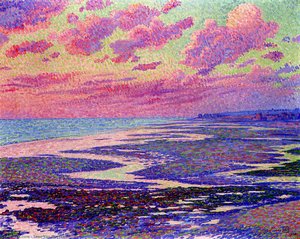
Seascape


Experience Theo van Rysselberghe's 'Seascape,' a captivating Neo-Impressionist oil painting of a serene coastal scene. Admire the vibrant colors, dreamy atmosphere, and masterful brushwork in this iconic masterpiece.
 Lue lisää
Théo van Rysselberghe (1862-1926) oli belgialainen taidemaalari, tunnettu Neo-impressionistisista teoksistaan ja valon leikittelyn mestarillisesta käsittelystä. Tutustu hänen maalauksiinsa!
Giclée- ja taideprintit
Museolaatuisia giclée- tai kankaitaulun tulosteita nopealla tuotannolla ja joustavilla viimeistelyvaihtoehdoilla. ( Osta käsinmaalattu taideteos Siirry digitaaliseen kuvaan)




P118B €10

P118H €10

P118W €10

P438Z €10

P508JH €12

P508YH €12

P805H €10

P805Z €10

P919BZ €10

P919G €10

P919XJ €10

P959ZH €10

P968JZ €12

W106C €8

W218G €10

W218JH €8

W218Y €10

W307PJ €10

W316G €10

W316PJ €8

W316Y €10

W398PJ €8

W4111J €10

W500HY €15

W500JH €15

W692G €12

W849H €8

W940BG €15

W953PJ €8




Vakiokoko
räätälöity
CM
INCH
Valitse valmiista mitoistamme sellaiset, jotka vastaavat teoksen alkuperäisiä mittasuhteita.
Loading sizes...

leveys
korkeus
Syötä tarvitsemasi leveys ja korkeus, jotta tuloste sopii kehyksiisi tai seinällesi. Tulostetta voidaan vain leikata, sitä ei voida koskaan suurentaa alkuperäistä kuvaa suuremmaksi, joten eri muotoinen koko aiheuttaa osan kuvasta katoamisen. Lähetämme sinulle digitaalisen mallikuvan hyväksyttäväksi ennen kuin aloitamme tulostuksen. Tällä sivulla näkyvä kuva ei näytä lopullista rajausta — vain mallikuva näyttää sen.
Maailmanlaajuinen toimitus () 2 viikossa tavallisen 4–5 viikon sijaan. (1 marraskuu)

Ilmainen pikatoimitus ympäri maailman

Korkealaatuinen pellavakangas

Kattava kuljetusvakuutus

Tulliveron palautustakuu

Takuu täydellisestä värien vastaavuudesta

100 päivän palautusoikeus (vain valmistusvirheet)

100% rahat takaisin -takuu

Määräalennus tarjolla
 Lasivaihtoehto on saatavilla vain alle 110 cm kokoisille teoksille

Seascape
Giclée- ja taideprintit
Replikaatin koko
-


Kokonaishinta
€ 61
A Symphony of Light and Sea: Theo van Rysselberghe’s “Seascape”
Theo van Rysselberghe's "Seascape," painted in 1893, isn’t merely a depiction of the ocean; it’s an immersion into a world where light dances upon water and tranquility reigns supreme. This oil on canvas, currently residing within the Indianapolis Museum of Art, embodies the heart of Post-Impressionism – a movement characterized by its vibrant color palettes, subjective perspectives, and a deliberate departure from strict realism. Van Rysselberghe, a pivotal figure bridging Impressionism and Neo-Impressionism, masterfully captures not just the visual elements of the seascape but also an elusive sense of mood and atmosphere, inviting the viewer into a contemplative space.
The painting immediately draws the eye to its luminous sky – a wash of yellows and blues that suggest both dawn and dusk. These aren’t the sharp, defined colors of traditional landscape art; instead, they bleed into one another with remarkable fluidity, creating an ethereal quality. Below this celestial expanse unfolds a deep azure ocean, punctuated by the gentle whitecaps of waves. The artist's brushstrokes are loose and expressive, avoiding meticulous detail in favor of conveying the *feeling* of movement and light. Two small boats navigate these waters, their forms subtly rendered against the vastness of the sea, hinting at human presence without dominating the scene.
Neo-Impressionism’s Dance with Light
Van Rysselberghe's approach aligns perfectly with the tenets of Neo-Impressionism. This movement, emerging in the late 19th century, built upon Impressionism but sought to introduce a more scientific and deliberate method to color theory. Artists like Van Rysselberghe employed “pointillism” – applying tiny dots of pure color to create an optical mixture when viewed from a distance. While not as rigorously executed as in works by Seurat or Signac, the influence is evident in the layering of colors and the overall effect of shimmering light. The painting’s vibrancy isn't achieved through blending on the palette but through the careful juxtaposition of individual hues.
The inclusion of a solitary figure near the left center adds an intriguing layer to the composition. This individual, seemingly lost in contemplation against the backdrop of the expansive sea, serves as a focal point for the viewer’s gaze. It's not a portrait in the traditional sense; rather, it represents humanity’s smallness and vulnerability when confronted with the immensity of nature. The figure’s presence subtly elevates the painting beyond a simple seascape, transforming it into a meditation on scale, perspective, and the human condition.
A Moroccan Echo & Belgian Roots
Van Rysselberghe's artistic journey was profoundly shaped by his extensive travels, particularly his sojourns in Morocco between 1882 and 1883. These experiences ignited a passion for capturing the intense light and vibrant colors of the North African landscape. The influence of these travels is palpable in “Seascape,” evident in the warm tones and the evocative depiction of the sea’s surface. His time in Morocco also fostered an appreciation for the interplay between color, shadow, and atmosphere – elements that he skillfully integrates into this painting.
Born in Ghent, Belgium, Van Rysselberghe's early training instilled a grounding in traditional realism. However, his travels and engagement with contemporary artistic movements propelled him toward a more expressive and subjective style. “Seascape” represents a harmonious synthesis of these influences – a testament to the artist’s ability to blend technical skill with emotional depth.
Capturing Tranquility: A Reproduction for Your Space
Reproductions of "Seascape" offer a remarkable opportunity to bring this evocative artwork into your home or office. The meticulous detail and vibrant colors are faithfully recreated, allowing you to experience the painting’s serene atmosphere firsthand. Whether displayed in a coastal room, a study, or a gallery wall, this reproduction serves as a constant reminder of the beauty and tranquility found within nature – a timeless piece that speaks to the soul.
Consider commissioning a hand-painted replica from TopImpressionists.com for an authentic experience, capturing the nuances of Van Rysselberghe’s technique and ensuring a treasured addition to your collection. The painting's legacy continues through these reproductions, allowing its beauty to be shared with a wider audience.
Kysymykset ja vastaukset
Mitä tunnetta Théo van Rysselberghe:n "Seascape" välittää?
Teoksessa "Seascape" Calm-tunnelma kohtaa Tranquil-tunteen.
Onko Théo van Rysselberghe:n "Seascape" maalaus, piirros vai grafiikan lehti?
Luettelossa teos Théo van Rysselberghe:n "Seascape" on luokiteltu tyypiksi WallArt. Kategoria auttaa löytämään samankaltaisia teoksia.
Kuinka harmonisia ovat teoksen Théo van Rysselberghe:n "Seascape" värit?
Théo van Rysselberghe:n "Seascape" esittää Strong Color Unity väriharmoniaa.
Samankaltaisia teoksia





Taiteilijan elämäkerta
Théo van Rysselberghe: Valon ja Värien Ura
Théophile “Théo” van Rysselberghe, syntynyt Gentissä vuonna 1862, nousi merkittäväksi hahmoon, joka yhdisti impressionismin ja neo-impressionisminan. Hänen taiteellinen polkunsa ei ollut välitön tyylillinen vakaumus, vaan jatkuva tutkimus valon vangitsemisen mahdollisuuksista, inspiroituneena matkoista, akateemisesta vuorovaikutuksesta ja intohimosta luoda visuaalisia ihmeitä. Perheeseen, joka oli varakas ranskankielinen perinne, van Rysselberghe sai aluksi taiteellisen koulutuksensa Gentin Akatemiasta Theo Canneelin johdolla, jatkaen opintojaan sitten arvostetussa Brysselin Kuninkaallisessa Taideakatemiassa. Nämä varhaiset vuodet antoivat hänelle vahvan perustan perinteiselle realismille, joka näkyi esimerkiksi *Itsöretseptin kanssa* (1880) -työssä, jossa oli synkkiä sävyjä ja huolellista yksityiskohtaa – heijastaen Belgian vallitsevaa taiteellista ilmapiiriä. Vaikka jo varhaisissa teoksissaan alkoi kuitenkin paljastua heräävää herkkyyttä valolle ja väreille, mikä enteili hänen tulevaisuuden suuntautumista. Merkittävä työnäyte tästä oli *Metsän avoimessa kohdassa oleva lapsi* (1880), joka vihjaili kirkkaammasta värimaailmasta ja löysästä siveltimen käytöstä – askeleita, jotka määrittelisivät hänen myöhempää tyyliään.Marokkolaiset Impressiot ja Les XX:n Synty
Merkittävä käännekohta avautui van Rysselberghen Marokon matkoilla vuosina 1882–1888. Nämä pitkät lomat uppoivat hänet maailmaan, jossa oli eloisia värejä, voimakasta valoa ja eksoottisia maisemia – täysin ristiriidassa hänen aikaisempien teosten hillityn sävyjen kanssa. Maalauksia kuten *Arabialainen koppakuori* (1882), *Arabialainen poika* (1882) ja *Lepoa vartija* (1883) osoittavat kasvavaa intohimoa valon vangitsemiseen muotoihin, siirtyen siten tiukasta realismista kohti impressionistisempaa otetta. Marokon kokemus ei ollut pelkästään visuaalinen havainto; se oli kulttuurillinen uppoutuminen, joka laajensi hänen taiteellisia horisonttejaan ja jätti elinikäisen rakkauden matkailuun. Palattuaan Brysseliin van Rysselberghe tuli aktiiviseksi voimaksi Belgian taideskenessä, perustamalla vaikutusvaltaisen ryhmän *Les XX* (The Twenty) vuonna 1883 Octave Maus’n ja Émile Verhaerenin kanssa. Tämä ryhmä tarjosi alustan avantgarditaiteelle, esitellen uusia suuntauksia kuten impressionismia ja symbolismia Belgian yleisölle, joka oli tottuneet tällaisiin innovaatioihin. *Arabialainen fantasia* (1884) oli tämän kauden tunnetuin teos, osoittaen hänen mestariteostensa valon ja kompositioiden hallintaa.Neo-Impressionismin Omaksuminen: Tieteellinen Lähestymistapa Väreihin
Van Rysselberghen taiteellisen kehityksen todellinen käännekohta tapahtui hänen kohtaamisensa Georges Seuraun *La Grande Jatten* (1884–86) kanssa Impressionistien näyttelyssä Pariisissa vuonna 1886. Aluksi epäillen Seuraun systemaattista tekniikkaa – pienien, puhtain värein maalattujen pisteiden järjestelmällistä käyttöä – van Rysselberghe alkoi vähitellen arvostaa sen tieteellistä pohjaa ja kykyä luoda valolle lumoavia vaikutuksia. Hän alkoi kokeilla divisionismia, neo-impressionistista menetelmää, jossa värit erotetaan niiden perusosiksi ja annetaan katsojan silmän yhdistää ne optisesti. Tämä ei ollut pelkästään tekninen muutos; se edusti fundamentaalista muutosta hänen maalauksensa lähestymistavassa – siirtymistä analyyttisempaan ja objektiiviseen esitykseen valosta ja väreistä. Hän solmi tiiviitä ystävyyssuhteita muiden neo-impressionistien, kuten Paul Signacin kanssa, matkien hänen kanssaan Ranskan Rivieraa ja vaihtoehtoja tekniikoista ja teorioista. Van Rysselberghe erottui liikkeessä sen ansiosta, että hän sovelsi pointillismia ei vain maisemiin vaan myös muotokuvien maalaamiseen – luoden huomiota herättäviä ja psykologisesti syvällisiä kuvauksia perheenjäsenistä ja läheisten ystävien ryhmästä – *Charles Maus’n perhe puutarhassa* (1890) on tästä hyvä esimerkki.Pointillismista Poikkeava: Perinnön Jättö
Vaikka hän oli syvästi omistautunut neo-impressionisminille merkittävän ajanjakson ajan, van Rysselberghe siirtyi myöhemmin sen tiukkojen rajoitusten ulkopuolelle 1890-luvulla. Hän etsi vapautta siveltimen käytöstään ja kompositioitaan. Hän jatkoi tuotantonsa lisäämistä eri mediaformaateissa, kuten huonekalujen suunnittelussa, julisteissa ja koristeellisessa taiteessa. Hänen vaikutuksensa ulottui kuitenkin Belgian rajojen ulkopuolelle, vaikuttamalla taiteilijoihin, kuten Piet Mondriaaniin ja Jan Tooropoon, jotka inspiroituivat hänen innovatiivisesta värien ja valon käytöstään. Van Rysselberghen perintö ei ole pelkästään kauniita maalauksiaan vaan myös hänen roolinsa taiteellisen muutoksen edistäjänä – modernismin puolestapuhuja, joka toi uusia ideoita ja tekniikoita Belgian taideskenelle. Hänen teoksensa säilytetään nykyään merkittävissä museoatelioissa ympäri maailmaa, kuten Louvren museossa Pariisissa ja Ghentin taidemuseossa, varmistaen että hänen panoksensa taiteen historiaan juhlitaan edelleen ja arvostetaan sukupolvien keskuudessa. *Hänen omistautumisensa valon, värin ja muodon tutkimiselle vakiinnutti hänen paikkansa todelliseksi modernin maalaustaidon pioneeri.*
Théo van Rysselberghe
1862 - 1926 , Belgia
Pähkinänkuoressa
- Artistic Movement Or Style: Neo-Impressionismi
- Artists Or Movements Influenced By This Artist:
- Les XX
- Piet Mondrian
- Artists Who Influenced This Artist:
- Jean-François Portaels
- Georges Seurat
- Date Of Birth: 23. marraskuuta 1862
- Date Of Death: 13. joulukuuta 1926
- Full Name: Théophile van Rysselberghe
- Nationality: Belgialainen
- Notable Artworks:
- Arabian Phantasia
- Sevillan Nainen
- Place Of Birth: Gent, Belgia
Aiheeseen liittyvät artikkelit

The Soul of Impressionism: Why Oil on Canvas Captures Eternal Light and Timeless Emotion
Discover the enchanting alchemy of Impressionism. Explore how the mastery of oil on canvas, through glazing and impasto, captures eternal light and emotion. Perfect for lovers of Monet and Van Gogh seeking the profound depth of hand-painted fine art.
Tutustu teoksiin, jotka on järjestetty aiheiden, tyylien ja ominaisuuksien mukaan.

