

Shown: · With its frame:
 Esikatselu
 Jaa teos
 Jaa
Jaa
 Tiedot
 Opas
Opas

 Lataa kuva
 Samanlaisia kohteita
 Röntgenkuvaus
 Diaesitys
 Q&A
Q&A Tilastot

€ 239
Käsinmaalattu öljyvärinen jäljennös
Käsinmaalattu öljyväri kankaalle haluamassasi koossa ja kehyksissä, taiteilijoidemme valmistamana tilauksesta. ( Vaihda tulosteeseen Siirry digitaaliseen kuvaan)
Size
·Vakiokoko
räätälöity
CM
INCH
Valitse valmiista mitoistamme sellaiset, jotka vastaavat teoksen alkuperäisiä mittasuhteita.
Loading sizes...

leveys
korkeus
Kirjoita tarvitsemasi leveys ja korkeus, jotta teos sopii kehyksiisi tai seinällesi. Koska kyseessä on käsinmaalattu teos, taiteilija voi maalata hieman enemmän kuvan ympärille tai rajata sitä hieman, jos haluat eri muotoisen koon — valinta on sinun. Lähetämme sinulle digitaalisen mallikuvan hyväksyttäväksi ennen kuin maalaus alkaa. Tällä sivulla näkyvä kuva ei vastaa lopullista tulosta — vain mallikuva näyttää sen.
 Lue lisää
Finish
·
White €1

Blurside €1

Extended €1

P118B €10

P118H €10

P118W €10

P438Z €10

P508JH €12

P508YH €12

P805H €10

P805Z €10

P919BZ €10

P919G €10

P919XJ €10

P959ZH €10

P968JZ €12

W106C €8

W218G €10

W218JH €8

W218Y €10

W307PJ €10

W316G €10

W316PJ €8

W316Y €10

W398PJ €8

W4111J €10

W500HY €15

W500JH €15

W692G €12

W849H €8

W940BG €15

W953PJ €8

H24-GOLD €30

H24-SILVER €30

H36-GOLD €45

H36-SILVER €45
Shipped in a protective tube, ready for your own framer.
Above 105 cm the frame is shipped as a kit for a professional framer — read the details.
Extras
optionalWhat do the extras include?
Examples of what can be changed: Replace face with customer photo; Add pet (e.g., replace cat with dog); Include hidden message in background; Change background landscape or elements.
After order, TopImpressionists.com team will email client for instructions and provide a mockup preview
After order, TopImpressionists.com team will email client for instructions and provide a mockup preview
Maailmanlaajuinen toimitus () 3–4 viikossa tavallisen 5 viikon sijaan. (30 lokakuu). Laadusta ei tingitä.
Suojalakkaus
Nimilaatta
Kaiverretun pronssilaatan tiedot
This elegant plaque features the artist's name and the title of the artwork, finely engraved for a timeless presentation.
It is made from bronze with a refined, elegant finish. The text is precisely laser-engraved for a sharp and permanent result. Measuring 9x2 cm, the plaque is compact yet easy to read. It's built to be durable and scratch-resistant, offering a professional, museum-quality look. Mounting is simple thanks to the included adhesive backing.
Läpinäkyvän akryylilaatan tiedot
The plaque includes essential engraved details such as the artist's name, the title of the artwork, the date it was created, the type of media used-like oil on canvas or watercolor-a brief description of the piece, and a QR code that links to the complete artwork information.
It is crafted from clear acrylic, offering a sleek, modern appearance. The text is UV-engraved in black to ensure strong visual contrast. With a size of 10x15 cm, it ensures optimal readability. It comes equipped with two metal hooks for secure wall mounting. The plaque is designed to be weather-resistant, making it suitable for various environments, and it includes interactive features that work seamlessly with smartphone scanning.
Mustan akryylilaatan tiedot
This elegant plaque includes engraved information such as the artist's name, the title of the artwork, the date it was created, the type of media used (like oil on canvas or watercolor), a short description of the artwork, and a QR code for quick access to more information.
The plaque itself is made from refined black acrylic with a premium finish. The text is laser-engraved in white for high contrast and readability. Its size is 10x15 cm, designed to be easy to read. It comes with two metal hooks for professional mounting. The design is sleek and fits any interior style. It is also weather-resistant and durable, with built-in digital integration for mobile compatibility.
Lasivaihtoehto on saatavilla vain alle 110 cm kokoisille teoksille
 Lasivaihtoehto on saatavilla vain alle 110 cm kokoisille teoksille
- Ilmainen pikatoimitus ympäri maailman
- Korkealaatuinen pellavakangas
- Kattava kuljetusvakuutus
- Tulliveron palautustakuu
- Takuu täydellisestä värien vastaavuudesta
- 100 päivän palautusoikeus (vain valmistusvirheet)
- 100% rahat takaisin -takuu
- Määräalennus tarjolla


Keräilykohteen kuvaus
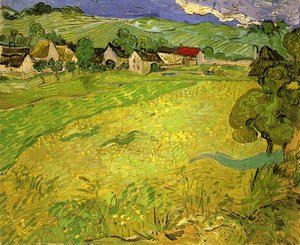
Experience Vincent van Gogh's 'Cottages,' a serene depiction of rural life brimming with vibrant colors and Post-Impressionist charm. A hand-painted reproduction captures the beauty of Dutch countryside.
Taiteilijan elämäkerta
Vincent van Gogh (1853-1890): Tutustu hollantilaisen postimpressionismin mestarin, 'Taivas yöllä' ja 'Auringonkukkien' luojan, elämään ja taiteeseen. Löydä hänen rohkea tyylinsä ja pysyvä vaikutuksensa nykytaiteeseen.
About the painting
Cottages: A Window into Post-Impressionist Tranquility
Vincent van Gogh’s “Cottages,” painted in 1883, isn't merely a depiction of a rural village; it’s an immersive experience—a carefully constructed tableau designed to evoke a profound sense of peace and nostalgia. This oil on canvas, residing within the broader series exploring peasant life, offers a glimpse into Van Gogh’s evolving artistic vision during a pivotal period in his career. The scene unfolds with a quiet dignity: humble cottages, their thatched roofs blending seamlessly with the surrounding greenery, nestled beneath a serene sky. It's a landscape imbued with a palpable sense of warmth and community, yet simultaneously tinged with a subtle melancholy—a characteristic hallmark of Van Gogh’s mature style.
The painting’s genesis lies within the burgeoning Post-Impressionist movement, an era defined by artists seeking to move beyond the fleeting impressions of light and color favored by their predecessors. Post-Impressionism wasn't a rigid school but rather a diverse collection of artists—including Van Gogh himself, Paul Cézanne, Paul Gauguin, and Georges Seurat—who experimented with subjective expression, symbolic content, and emotional depth. Van Gogh’s “Cottages” exemplifies this shift; he abandons the purely observational approach of earlier Impressionists, instead layering his own feelings and interpretations onto the scene. The vibrant yellows dominating the cottages aren't simply a representation of color but rather convey warmth, light, and perhaps even a hint of optimism—a deliberate choice to imbue the humble dwellings with an aura of comfort and security.
The Language of Color and Texture
Van Gogh’s distinctive technique is immediately apparent. He employs thick, impasto brushstrokes – literally building up layers of paint directly onto the canvas – creating a tactile surface that invites close inspection. The individual strokes are visible, contributing to the painting's dynamism and energy. Notice how he uses short, broken lines to depict the thatched roofs, suggesting their texture and movement in the breeze. The greens and blues of the landscape aren’t blended smoothly; instead, they’re applied with a sense of urgency, conveying a feeling of vitality and growth. This deliberate manipulation of color and texture is central to Van Gogh's expressive style—a means of communicating not just what he *saw*, but how he *felt* about what he saw.
The composition itself is carefully considered. The cottages are arranged in a loose, asymmetrical grouping, creating a sense of visual interest and preventing the scene from feeling static. A few figures—likely peasants engaged in daily tasks—are scattered throughout the landscape, adding to the painting’s narrative quality. These figures aren't idealized or romanticized; they appear as ordinary people going about their lives, contributing to the overall sense of authenticity and realism.
Symbolism and Emotional Resonance
Beyond its visual appeal, “Cottages” is rich in symbolism. The humble cottages represent a connection to rural life, a theme that was increasingly important to Van Gogh during this period. He saw in these simple dwellings a sense of stability and community—a stark contrast to the alienation and uncertainty he often experienced in urban environments. The sky, painted in shades of blue and grey, suggests both tranquility and melancholy – reflecting the artist’s own complex emotional state. The presence of animals, likely dogs, adds another layer of meaning, symbolizing loyalty, companionship, and a connection to nature.
Van Gogh's fascination with rural life stemmed from his desire to understand the lives of ordinary people—particularly the working class. He believed that art should serve as a means of social commentary, offering insights into the experiences of those often overlooked by society. “Cottages” is therefore not just a pretty picture; it’s a poignant meditation on themes of poverty, community, and the beauty of the natural world.
Bringing "Cottages" Home: A Hand-Painted Reproduction
At TopImpressionists.com, we are proud to offer meticulously hand-painted oil reproductions of Van Gogh's “Cottages,” capturing the essence of this iconic artwork with unparalleled detail and authenticity. Our skilled artists utilize only the finest materials—traditional oil paints on archival canvas—to faithfully recreate every brushstroke, color nuance, and textural element of the original. Each reproduction is a testament to our commitment to preserving Van Gogh’s legacy and making his art accessible to collectors and admirers worldwide.
Whether you're an avid art collector, an interior designer seeking to add a touch of Post-Impressionist charm to your home, or simply someone who appreciates the beauty of Van Gogh’s work, our hand-painted reproduction of “Cottages” offers a unique opportunity to own a piece of art history. Explore our collection and discover how you can bring this timeless masterpiece into your life today. Special offer on oil paintings.
Kysymykset ja vastaukset
Onko teoksen Vincent Van Gogh:n "Cottages" kuva vapaasti käytettävissä?
Tekijänoikeustiedot teokselle Vincent Van Gogh:n "Cottages": teos on vapaasti käytettävissä – tekijänoikeussuoja on päättynyt. Tämä määrittää, voidaanko kuvasta tehdä vapaasti jäljennöksiä.
Mikä sijoittelu sopii teoksen Vincent Van Gogh:n "Cottages" formaattiin?
Vincent Van Gogh:n "Cottages"-teoksen Landscape-muoto on suositeltava Living Room-tilaan. Muoto ja tila ohjaavat yhdessä reproduktion sijoittelua.
Kuinka paljon valoa "Cottages" värit näyttävät heijastavan?
Teoksen Vincent Van Gogh:n "Cottages" luminanssi on Soft Shadow.
Quick facts and art quiz
About Vincent Van Gogh

Vincent Van Gogh
1853 - 1890, Alankomaat
Taiteilijan elämäkerta
Intimolla maalatun elämä: Vincent van Gogh
Vincent Willem van Gogh, nimi joka on synonyymi eloisille väreille ja raa'alle tunteelle, pysyy yhtenä taidehistorian tunnistettavimmista ja rakastetuimmista hahmoista. Hän syntyi 30. maaliskuuta 1853 Zundertissa, Alankomaissa, ja hänen matkansa tarkoitusta etsivästä levottomasta nuoresta miehestä taiteelliseksi visionääriksi on koskettava kertomus omistautumisesta, kamppailusta ja lopulta kestävästä perinnöstä. Vaikka hän saavutti elinaikaan hyvin vähän kaupallista menestystä – myydessään vain yhden maalauksen, Punainen viinitupa, ennen kuolemaansa – Van Goghin vaikutus moderniin taiteeseen on mittaamaton, raivaten tietä ekspressionismille ja vaikuttaen lukemattomiin häntä seuranneisiin taiteilijoihin. Hänen tarinansa ei ole vain siveltimenvedosta ja kankaista; se on todistus inhimillisen ilmaisun voimasta vastoinkäymisten edessä.
Nuoruusvuodet ja taiteellinen herääminen
Van Goghin varhaisvuosia leimasivat toteutumattomat pyrkimykset. Hän kokeili useita eri ammatteja – taidekauppiaana, opettajana ja jopa lähetyssaarnaajana – ennen kuin lopulta omistautui maalaamiselle suhteellisen myöhään, 27 vuoden iässä. Nämä aikaisemmat kokemukset muovasivat syvästi hänen maailmankuvaansa ja löysivät tiensä hänen taiteeseensa. Hänen ensimmäiset teoksensa, jotka kuvasivat maaseudun elämää Belgian maaseudulla, heijastivat syvää empatiaa työväenluokkaa kohtaan ja käyttivät tummaa palettia kuvaamaan heidän vaikeuksiaan. Jean-François Milletin kaltaisten taiteilijoiden vaikutuksesta Van Gogh pyrki vangitsemaan näiden ihmisten arvokkuuden ja kestävyyden karun realismin kautta. Kuitenkin hänen muuttoonsa Pariisiin vuonna 1886 oli se, mikä osoittautui mullistavaksi. Siellä hän kohtasi impressionismin ja postimpressionismin, omaksuen mestareiden, kuten Monet, Renoir ja Pissarro, tekniikat. Tämä altistuminen laajensi hänen taiteellisia horisonttejaan, johtaen hänet kokeilemaan kirkkaampia värejä ja rennompia siveltimenvetoja, säilyttäen kuitenkin erottuvan emotionaalisen intensiteetin, jota monilta hänen aikalaistensa teoksista puuttui. Hänen veljensä Theo, taidekauppias, pelasi ratkaisevaa roolia tänä aikana tarjoten taloudellista tukea ja toimi elintärkeänä linkkinä pariisilaisen taidemaailman ja Vincentin välillä. Heidän laaja kirjeenvaihtonsa tarjoaa korvaamatonta tietoa Van Goghin taiteellisesta kehityksestä ja henkilökohtaisista kamppailuista.
Etelän valo ja räjähdysmäinen luovuus
Etsiessään eloisampaa maisemaa ja uudistumisen tunnetta, Van Gogh muutti Arlesiin Etelä-Ranskaan vuonna 1888. Tämä muutto merkitsi intensiivisen luovan tuotannon aikaa, jota leimasivat värien räjähdysmäinen käyttö ja omintakeinen impasto-tekniikka – maalin levittäminen paksusti kankaalle, mikä loi tekstuuria ja pintaa, joka tuntuu sykkivän energiaa. Juuri täällä hän loi joitakin ikonisimpia teoksitaan: Auringonkukat, Yökerho ja Täysisku. Provençen voimakas auringonvalo tuntui sytyttävän hänen mielikuvituksensa, johtaen hänet kuvaamaan maisemia ja asetelmia ennennäkemättömällä eloisuudella. Hänen halunsa taiteelliseen yhteistyöhön sai hänet kutsumaan Paul Gauguinin Arlesiin, toivoen perustavansa utopian taiteilijakolon. Heidän suhteensa osoittautui kuitenkin myrskyisäksi ja huipentui dramaattiseen yhteenottoon, joka johti Van Goghin omaan korvan leikkaamiseen. Tämä tapahtuma korosti hänen mielentilansa haurautta ja merkitsi alkua ajalle, jolloin hän joutui hoitoon ja kärsi kasvavasta psyykkisestä tuska.
Myöhemmät vuodet ja kestävä perintö
Murtumisen jälkeen Van Gogh hakeutui vapaaehtoisesti Saint-Rémyyn mielisairaalaan, jossa hän jatkoi runsasta maalaamista vangiten ympäröivät maisemat sekä kauneudella että levottomuudella. Teokset, kuten Täysisku, jotka maalattiin tänä aikana, ovat täynnä kosmista ihmetystä ja syvää emotionaalista ulottuvuutta. Hän muutti myöhemmin Auvers-sur-Oiseen tohtori Paul Gachetın hoidettavaksi, mutta hänen kamppailunsa jatkuivat. 29. heinäkuuta 1890, 37 vuoden iässä, Van Gogh kuoli traagisesti itse aiheutettuun ampumahaavaan. Vaikka hän saavutti elinaikaan vähän tunnustusta, hänen työnsä alkoi saada jälkikäteen suurta arvostusta pitkälti hänen anoppinsa, Johanna van Gogh-Bongerin, uupumattomien ponnistelujen ansiosta, joka peri hänen omaisuutensa ja omistautui hänen taiteensa edistämiselle. Nykyään Van Goghin maalauksia juhlitaan ympäri maailmaa niiden emotionaalisen voiman, innovatiivisten tekniikoiden ja kestävän kauneuden vuoksi. Hänen perintönsä ulottuu paljon kauemmas kuin kankaan reunat; hänestä on tullut taiteellisen intohimon, vastoinkäymisten sietämisen ja taiteen kyvyn ilmaista syvimpiä inhimillisiä tunteita symboli.
Keskeiset vaikutteet ja taiteellinen kehitys
- Varhainen realismi: Jean-François Milletin esitykset talonpoikaiselämästä vaikuttivat Van Goghin varhaisiin teoksiin.
- Impressionismi ja postimpressionismi: Pariisin kohtaaminen Monet, Renoir, Pissarro ja muiden kanssa laajensi hänen väripalettiaan ja tekniikkaansa.
- Japanilaiset puupiirrokset: Van Gogh oli syvästi vaikutunut japanilaisista puupiirroksista, joita hän keräsi intohimoisesti. Niiden rohkeat sommittelut ja tasaiset väripinnat vaikuttivat hänen omaan tyyliinsä.
- Emotionaalinen ilmaisu: Ennen kaikkea Van Gogh pyrki välittämään tunteita taiteensa kautta, asettaen subjektiivisen kokemuksen objektiivisen esityksen edelle. Tämä keskittyminen emotionaaliseen intensiteettiinista tuli hänen työnsä määritteleväksi piirteeksi ja raivasi tietä ekspressionismille.
Quick facts about Vincent Van Gogh
- Artistic Movement Or Style: Postimpressionismi
- Artists Or Movements Influenced By This Artist:
- Expressionismi
- Fauvismi
- Artists Who Influenced This Artist:
- Rembrandt van Rijn
- Jean-François Millet
- Date Of Birth: 30. maaliskuuta 1853
- Date Of Death: 29. heinäkuuta 1890
- Full Name: Vincent Willem van Gogh
- Nationality: Alankomainen
- Notable Artworks:
- Pottutöitä
- Auringonkeltuaisia
- Yötaivas
- Yöllinen kahvila
- Place Of Birth: Zundert, Alankomaat
Samankaltaisia teoksia



Tutustu teoksiin, jotka on järjestetty aiheiden, tyylien ja ominaisuuksien mukaan.


Vincent Van Gogh
Cottages
() ·
With its frame: · Hand-painted in oil on linen
Total