Famous Late Medieval Artists: A Catalogue of 99 Masters
Among the Late Medieval artists, Simone Martini (1284–1344) holds the first place, celebrated for Ilmestys ja kaksi pyhimystä ja Annunciation with St. Margaret and St. Ansanus. Andrei Rubljov, Ambrogio Lorenzetti, Pietro Lorenzetti ja Hubert Van Eyck follow. The catalogue spans 99 masters, from Yuan Dynasty (born 1271) to Hubert Van Eyck (born 1366), across 21 countries.
TFrom the TopImpressionists.com catalogue
About this catalogue. This catalogue gathers the artists whose works our collection records as Late Medieval, ordered by our fame ranking. Artists born after 1955 with no Wikidata record await verification. Beside each name, the number of our 32 languages in which Wikipedia devotes an article to the artist.
ItalialainenBorn in SienaKansainvälinen gotiikkaWikipedia, 28 of 32 languages
Saint Louis of Toulouse Crowning His Brother Robert of Anjou, 1317. Saint Louis of Toulouse Crowning His Brother Robert of Anjou, 1317. Vuonna 1342 hän viimeisteli Christ Discovered in the Temple -maalauksen, jonka löytää Liverpoolin Walker Art Gallery -museosta.
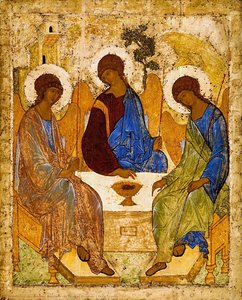
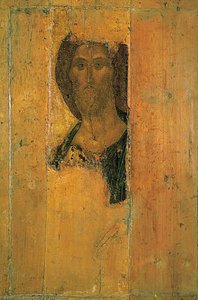
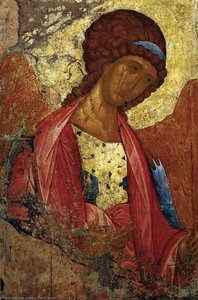
VenäläinenBorn in Moskovan ruhtinaskuntaVenäläinen ikonimaalausWikipedia, 31 of 32 languages
Andrei Rublev (n. 1360 – n. 1430) säilyy yhtenä venäläisen taidehistorian arvoituksellisimmista ja syvimmistä vaikutusvaltaisista hahmoista. Hänen uskotaan syntyneen Moskovaan, vaikka jotkut kertomukset viittaavat mahdolliseen alkuperään lähellä kaupunkia sijaitsevassa Kolminaisuuden Pyhän Sergiuksen Lavra -luostarissa – paikassa, joka olisi voinut syvästi vaikuttaa hänen taiteelliseen kehitykseensä. Vuonna 1405 hän yhdisti voimansa Teofaniksen ja Gorodetsin Prokhorin kanssa koristellakseen Ilmoituksen katedraalia, mikä oli käännekohta venäläisessä ikonimaalauksessa.
ItalialainenBorn in SienaSienalaisen koulukunnanWikipedia, 29 of 32 languages
Ambrogio Lorenzetti, jonka syntymäaika sijoittuu noin vuoteen 1290 Sienan sydämessä Italiassa, kohosi keskeiseksi hahmoksi siirtyessä keskiaikaisista taiteellisista perinteistä nousevaan renessanssiin. Vaikka hänen aikalaistensa, kuten Duccion ja Simon Martinin, varjoissa hän oli ajoittain unohduksessa, ja häntä käsiteltiin usein veljensä Pietro Lorenzettin rinnalla, Ambrogio löysi oman ainutlaatuisen polkunsa – polun, jota leimasi innovatiivinen henki ja syvällinen sitoutuminen ympäröivään maailmaan.
italialainenBorn in SienaVarhaisrenessanssiWikipedia, 27 of 32 languages
Pietro Lorenzetti (n. 1280–1348) nousee esiin sienalaisen taiteen keskeisenä hahmona, joka merkitsi syvää siirtymää goottilaisesta muodollisuudesta varhaisrenessanssin kukoistaviin humanistisiin ihanteisiin. Jälkimmäisen hienostunut tyyli muovasi merkittävästi Lorenzettin taiteellista herkkyyttä, ja todisteet viittaavat siihen, että hän hioi taitojaan nimenomaan Martinin rinnalla omaksien huolellisen yksityiskohtien tarkastelun ja ilmeikkään värinkäytön, josta tulisi hänen kypsän tuotantonsa tavaramerkki.
AlankomaalainenBorn in MaaseikVarhaisnetteläinenWikipedia, 20 of 32 languages
Tämän muutoksen ytimessä seisoi Hubert van Eyck, hahmo, jonka nimi on ikuistettu pohjoisen renessanssin taiteen peruskiviin. Maasikissa noin vuonna 1385 tai 1390 syntynyt hän kuului mahtavaan taiteelliseen dynastiaan; hänen perhesiteensä, mukaan lukien kuuluisa veli Jan sekä sisarukset Lambert ja Margaret, loivat luovuuden sulatteen, joka muutti pysyvästi eurooppalaisen maalaustaiteen suunnan.
italialainenBorn in FirenzeVarhaisrenessanssiWikipedia, 23 of 32 languages
Gaddin taiteelliset perusteet olivat syvällä Gioton työpajassa, jossa hän oppi chiaroscuro -tekniikan merkityksen ja kyvyn kuvata hahmoja fyysisen läsnäolon tuntua luoden. Vaikka Giotto keskittyi ihmisyyden raakaan, veistokselliseen olemukseen, Gaddi toi mukanaan hienostunutta eleganssia ja valon kehittyneempää käyttöä, joka kykeni muuttamaan tasaisen pinnan jumalallisen säteilyn ikkunaksi.
ItalianBorn in FirenzeGothic, Early RenaissanceWikipedia, 20 of 32 languages
The indelible imprint of Giotto is palpable throughout Gaddi’s formative works. The monumental figures, the emotionally resonant expressions, and the narrative clarity characteristic of Giotto’s frescoes permeated Gaddi’s initial paintings—a testament to his unwavering dedication to mastering Giotto's groundbreaking style. Agnolo Gaddi, born around 1350 in Florence, stands as a cornerstone of Italian painting’s transition from the Gothic to the Early Renaissance—a figure whose artistic lineage traced directly back to Giotto di Bondone solidified his place within Florentine art history.
KreikkalainenBorn in KonstantinopoliBysanttilainen ikonografiaWikipedia, 22 of 32 languages
Noin vuonna 1340 Konstantinopolissa syntynyt, vaikka hänet yhdistetäänkin usein Kreikkaan myöhempien toimintojensa vuoksi, Teofanes oli keskeinen hahmo, joka loi sillan bysanttilaisen taiteen viimeisen kukoistuksen ja Venäjän nousevien perinteiden välille. Hän ei ollut pelkkä maalaaja; hän oli hengellinen arkkitehti, joka loi kuvia, joiden tarkoitus ei ollut olla vain kauniita esineitä, vaan portteja jumalalliseen. 1300-luvun lopun poliittinen levottomuus johti todennäköisesti Teofanesin muuttoon Konstantinopolista.
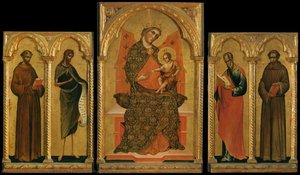
italialainenBorn in Venetsiabysanttilainen vaikutus & goottilainen taideWikipedia, 15 of 32 languages
Paolo Veneziano (n. 1333–1358) seisoo monumentaalisena hahmona venetsialaisen taiteen historiassa, ja hänet tunnetaan maailmanlaajuisesti 14. vuosisadan tärkeimpänä venetsialaisena maalarina. Syntynyt taiteelliseen sukuun itse Venetsian sydämessä – hänen isänsä oli kuuluisa taiteilija – Venezianon lyhyt mutta loistava ura osui eurooppalaisen maalaustaiteen murrosvaiheeseen.
ItalialainenBorn in SienaKansainvälinen goottilaisuusWikipedia, 17 of 32 languages
Lippo Memmi, syntynyt noin vuonna 1291 Sienassa Italiassa, on keskeinen hahmo keskiaikaisen maalaustaiteen bysanttilaisista juurista nousevan kansainvälisen goottilaisen tyylin kehityksessä. Vaikka hänestä puhutaan usein hänen kuuluisan lankonsa ja mentorinsa Simone Martinin yhteydessä, viimeaikainen tutkimus tunnustaa yhä enemmän Memmin omaleimaisen taiteellisen äänen ja merkittävän panoksen 1300-luvun sienalaiseen taiteeseen. Ehkä tunnetuin niistä on Ilmoitus Pyhän Margaretin ja Pyhän Ansanuksen kanssa (1333), joka luotiin yhteistyössä Simone Martinin kanssa Uffizin gallerialle.
italialainenBorn in ZevioGotiikkaWikipedia, 20 of 32 languages
Noin vuonna 1330 syntynyt Altichiero Da Zevio, joka kotoisin läheisestä Zevion kaupungista Veronasta, ei ollut pelkkä pyhien tapahtumien kronikoija, vaan venetsialaisen goottilaisen tyylin edelläkävijä. Tämä yhteys, joka todennäköisesti syntyi Giotton oppilaiden, kuten Taddeo Gaddin, intiimin tutkimuksen kautta, antoi Altichierolle mahdollisuuden täyttää työnsä syvällä tilan, painon ja narratiivisen selkeyden tunteella, joka oli vallankumouksellista hänen aikanaan. Hänen nousunsa merkittävyyteen oli leimattu arvokas tilaus Sala del Podestà -salin koristeluun della Scala -palatsissa.
ItaliaBorn in ArezzoYhteys Giotton ja Sienan koulakunnan välilläWikipedia, 16 of 32 languages
Born into a family of Florentine goldsmiths, his true name was Spinello Di Luca Spinelli, but he became known to history by the moniker "Aretino," signifying his connection to Arezzo.
italialainenBorn in FirenzeVarhaisrenessanssiWikipedia, 17 of 32 languages
Bernardo Daddi, joka syntyi Firenzeに noin vuonna 1290 ja kuoli vuonna 1348, seisoo keskeisenä hahmona myöhäisgotiikan ja kukoistavan italialaisen renessanssin murrosvaiheessa. Hänen alkutuotantonsa osoittaa selvän yhteyden Gioton seuraajiin – mestareihin kuten "Santa Cecilian mestari" ja muihin 1300-luvun ensimmäisen neljänneksen florentilaisiin maalareihin – heijastaen suoraa taiteellista vaikutusketjua. Samoin huomionarvoista on Vatikaanin Pinacoteca-museossa säilytettävä "Pyhän Estevan marttyyrikuolema" – predella, joka koostuu kahdeksasta paneelista ja joka on maalattu noin vuonna 1345.
Pisano syntyi Pontecorvoon, Lazioon, ja hänen varhaisvuotensa säilyvät osittain mysteerin peitossa; hän kuitenkin hioi taitojaan alun perin kultasepän työssä ennen kuin omistautui kokonaan kuvanveistolle noin vuonna 1300 Mino di Giovannin oppisuogan alaisena. Eteläovi, jonka työ alkoi vuonna 1330 ja valmistui vuonna 1336, on kenties hänen mestariteoksensa; se sisältää hienovaraisesti yksityiskohtaisia nelilehtisiä paneeleita, jotka kuvaavat kohtauksia Johannes Kastajan elämästä.
Niccolò di Tommaso's art is characterized by a compelling synthesis of influences. The Madonna del Parto within the church of San Lorenzo, Florence, further exemplifies his sensitivity to maternal tenderness and spiritual devotion.
KiinalainenBorn in WuxiYuan-dynastian neljä mestariaWikipedia, 15 of 32 languages
Ni Zan, yksi kiinalaisen maalaustaiteen arvostetuimmista nimistä, syntyi vuonna 1301 varakkaaseen perheeseen Wuxissa. Vaikka hän syntyi jo Kublai Khanin kuoleman jälkeen, Ni Zanin perheellä oli varaa tarjota hänelle vaativa konfutselainen koulutus, mikä loi pohjan hänen syvälle sivistyneelle taiteelleen. Ni Zanin omaleimainen tyyli, joka kehittyi vuoden 1345 jälkeen, oli tietoinen ja voimakas tapa ilmaista omaa sisäistä maailmaa.
This ambitious project represents arguably the pinnacle of Late Gothic art in Italy, showcasing Orcagna’s mastery of sculptural technique alongside his exceptional painting prowess.
ItalianBorn in FlorenceGothic-Late GothicWikipedia, 20 of 32 languages
However, Orcagna’s artistic trajectory quickly diverged from his master's, developing a distinctly Florentine style characterized by dramatic figures, vibrant colors, and an innovative approach to composition. He was formally admitted into the painter’s guild in 1343-44 and later joined the stonemasons’ guild in 1352, demonstrating his versatility and ambition across multiple artistic disciplines. His work served as an inspiration to many of Florence’s leading painters, including Jacopo di Cione, his brother, who continued Orcagna's artistic legacy after his death in 1368.
Giovanni di Jacopo di Guido da Caversaccio, syntynyt Lombardiassa noin 1346, näki taiteellisen matkansa pääosin Firenzen vilkkaassa kulttuurimaisemassa muutoksen ja innovaation aikana. Ensimmäinen dokumentoitu merkintä hänen läsnäolostaan näkyy Firenzen arkistoissa 17. lokakuuta 1346, jossa hänet lueteltiin Johannes Jacobi de Commo ulkomaalaajien joukossa, jotka asuivat Toscanassa – todiste siitä vetovoimasta, jota Firenze kohdisti taiteilijoihin, jotka etsivät uusia mahdollisuuksia ja kukoistavaa taideympäristöä.
ChineseBorn in HuzhouYuan Dynasty Landscape PaintingWikipedia, 14 of 32 languages
Unlike the more restrained approaches of his contemporaries, Wang Meng’s paintings are characterized by an extraordinary density and dynamism. His brushstrokes—often described as “ropy” or “layered”—were meticulously applied in thick, overlapping patterns, creating a palpable sense of texture and movement. Wang Meng’s style was profoundly influenced by the landscape painters who preceded him – Wang Wei, Dong Yuan, and Juran – but he developed his own distinctive voice through his innovative use of brushwork and composition.
SpanishBorn in Palma de MallorcaNautical cartography
Arabic Influence: The cartographic traditions of the Islamic world likely influenced Cresques' work, particularly in terms of astronomical knowledge and map projections.
He was born around 1330 in Paris, likely as the son of an architect, a profession that may have instilled within him an appreciation for structure and design. The recurring motif of dragons – often interpreted as representing Satan or evil forces – dominates several tapestries, symbolizing the struggle between good and evil.
ItalianBorn in VenetsiaBysanttilainen taideWikipedia, 11 of 32 languages
Vuosi 1336 resonoi Italian taidehistoriallisessa maisemassa, kytkeytyen erottamattomasti mystiseen hahmoon – vuoden 1336 mestariin. Tarkemmin tunnettu nimellä Giovanni Lipini, tämän taiteilijan nimi on peräisin Pistoian Santa Maria delle Grazien ihmeellisestä freskosta, joka esittää Neitsyt Marian. Noin vuonna 1301 syntyneen ja traagisesti vuonna 1379 kuolleen mestarin lyhyt mutta vaikuttava ura jätti jälkeensä tunteikkaiden kertomusten ja huomionarvoisen yksityiskohtaisten hahmojen perinnön – teoksia, jotka jatkavat taidehistorioitsijoiden lumoamista vielä tänäkin päivänä.
Segna's artistic journey is believed to have begun under the tutelage of his uncle, Duccio di Buoninsegna, a towering figure in Sienese painting. It’s believed that Segna spent time in Florence during this period, absorbing influences from the burgeoning Florentine school, which was beginning to experiment with linear perspective and naturalistic representation.
ItalianBorn in Colle di Val d'ElsaLate GothicWikipedia, 18 of 32 languages
While many painters of his era are remembered only by the fragments of their altarpieces, Cennino Cennini achieved immortality through the written word.
italialainenBorn in SienaSienalainen maalaustaideWikipedia, 13 of 32 languages
Ugolino di Nerio, nimi joka on suurelta osin jäänyt valtavirran taidehistoriallisten kertomusten varjoihin, seisoo keskeisenä hahmona Sienan ja Firenzen kukoistavassa taiteellisessa maisemassa 1320-luvulla. Noin vuonna 1280 maalausperheeseen syntyneenä – isänsä Guidon sekä sisarustensa Muccion ja Ugolinon seuraajana – hän nousi itsenäiseksi mestariksi jättäen jälkeensä puhuttelevia teoksia, jotka rakensivat sillan italo-bysanttilaisen perinteen jäykän muodollisuuden ja sienalaisen maalaustaiteen nousevan naturalismin välille.
ItalianBorn in SienaEarly RenaissanceWikipedia, 13 of 32 languages
His mastery of the fresco technique allowed him to command vast architectural spaces, most notably in his breathtaking works within the Cappella Nuova in San Francesco di Assisi. His compositions often feature: Luminous Pigments: A palette rich in ultramarine, vermilion, and gold leaf that reflects the divine splendor of his subjects. As the Renaissance began to shift its center of gravity toward Florence, Taddeo ensured that Siena maintained its distinct, sophisticated voice—one characterized by grace, decorative splendor, and a deep, spiritual lyricism.
Despite the paucity of surviving paintings attributed to Lippo di Benivieni, his influence is palpable in several significant frescoes adorning churches throughout Siena and San Gimignano. Santa Maria di Campagna Frescoes: These frescoes showcase Lippo's dedication to capturing religious narratives with profound emotional depth and visual splendor. Furthermore, his work serves as an exemplar of early Quattrocento painting—a transitional phase between Gothic formalism and Renaissance naturalism —demonstrating Lippo’s willingness to embrace new stylistic approaches while retaining core aesthetic principles.
However, while Wang Meng often imbued his landscapes with a sense of dramatic power and spiritual intensity, Zhao Yuan’s work tends towards a more refined elegance and lyrical quality. His most significant debt is undoubtedly to Wang Meng (1308-1383), one of the last great masters of the Yuan dynasty.
ItalianBorn in SienaSienese SchoolWikipedia, 12 of 32 languages
Working alongside luminaries such as Luca di Tommè, he contributed to significant communal works, including an altarpiece for the shoemaker's guild in the cathedral of Siena, marking his first documented presence in the annals of art history.
This preference for light is not merely aesthetic; it reflects a deeper philosophical shift – a move towards celebrating the beauty and dignity of human life. He skillfully employed perspective, though not with the mathematically precise rigor of later Renaissance artists, creating a sense of depth and spatial awareness through subtle variations in scale and detail. He is considered a crucial link between the late Gothic style of his predecessors and the groundbreaking innovations of artists like Masaccio and Botticelli.
BelgianBorn in YpresEarly Netherlandish PaintingWikipedia, 15 of 32 languages
By integrating the sculptural solidity learned from masters like Claus Sluter with the fluid grace of the International Gothic style, Broederlam helped forge a new visual vocabulary. The court at Dijon was a crucible of talent, attracting the finest goldsmiths, sculptors, and painters of Europe, and within this vibrant atmosphere, Broederlam refined a style that was both regal and deeply spiritual.
ItalianBorn in FirenzeFlorentilainen kouluWikipedia, 8 of 32 languages
Lorenzo di Bicci, syntynyt noin vuonna 1373 Florensissa, seisoo keskeisellä paikalla kukoistavassa florenttalaisessa maalaustekniikassa neljäntoista vuosisadan jälkipuoliskolla ja viidestoista vuosisadan alussa. Vaikka elämäkertatietoja on vähän – hänen isänsä identiteetti on peitetty epätietoisuuteen – akateeminen konsensus vahvistaa Lorenzo'n oppimisen Jacopo di Cione'lta ja Andrea di Cione'lta, taiteilijoilta joiden tyylilliset innovaatiot muovasivat syvästi hänen taiteellista polkuaan.
Jean Pucelle remains one of the most captivating enigmas in the annals of medieval art, a figure whose name is whispered with reverence by those who study the delicate transition from the rigid structures of the Middle Ages to the burgeoning humanism of the Renaissance.
ItalianBorn in FirenzeToskalainen maalausWikipedia, 12 of 32 languages
Kolmenkymmenen neljänneksi vuosisata Firenzessä oli taiteellisen lahjakkuuden kukoistusaika, ja sen merkittävimmistä hahmoista yksi oli Andrea Orcagna – maalaus, veistos, arkkitehti ja hallintohenkilö, jonka monipuolinen ura jätti pyyhkimättävän jäljen kaupungin visuaaliseen maisemaan. Syntynyt noin vuonna 1308 Firenzessä ja kuollut noin vuonna 1368, Orcagna ei ollut pelkkä käsityöläinen; hän oli keskeinen hahmo, joka yhdisti tyylilliset siirtymät Giotton naturalismista bysanttilaisen taiteen muodollisempiin perinteisiin, muokaten Firenzen maalausta tulevien vuosikymmenien ajaksi.
ItalianBorn in Piove di SaccoEarly Renaissance; Venetian painting; Gothic artWikipedia, 12 of 32 languages
Guariento di Arpo (c. 1310–1370) stands as a monumental figure of the Trecento, acting as the essential bridge between the grounded, volumetric realism of Florence and the ethereal, ornamental splendor of the Venetian Gothic tradition.
Claus Sluter (n. 1350–1406) seisoo yhtenä aikakautensa vaikutusvaltaisimmista kuvanveistäjistä, merkiten ratkaisevaa käännekohtaa pohjoiseurooppalaisessa goottilaisen ja renessanssin taideperinteiden välillä. Hänen nimensä merkintä Brysselin kivenhakkaajien rekisterissä noin vuosina 1379/1380 vahvistaa hänen ammatillisen toimintansa ja korostaa käsityötaidon merkitystä keskiaikaisessa taidekulttuurissa. Palvelus Burgundin herttua Filip Rohkealle: Sluterin muovaavat vuodet huipentuivat ratkaisevaan oppipoikakauteen Jean de Marvillen alaisuudessa, joka toimi Burgundin herttuan, Filip Rohkean, hovikuvanveistäjänä.
Kokan Shiren (虎関師錬; 9 May 1278 – 11 August 1347), a pivotal figure in 14th-century Japan, stands as a unique confluence of artistic expression, philosophical depth, and historical scholarship.
ItalianBorn in FlorenceGothicWikipedia, 7 of 32 languages
Jacopo's dedication extended beyond commissions; he actively participated in shaping Florence’s cultural landscape through his involvement with the cathedral workshop and his role as consul of the Arte dei Medici e Speziali (1384, 1387, 1392). His commitment to procuring marble for the cathedral underscored his understanding of artistic grandeur and civic responsibility. The dispersed predella depicting scenes from Saint Peter’s life – a collaborative effort with Niccolò di Pietro Gerini – remains a poignant reminder of Jacopo's artistic legacy and the enduring power of Florentine Gothic art.
ItalianBorn in SienaSienese SchoolWikipedia, 13 of 32 languages
Neljäsvuosisadan Toscanan sydämessä, aikakaudella, jota määritteli siirtymä goottilaisen ajan eteerisestä sulavuudesta renessanssin kukoistavaan humanismiin, Bartolo di Fredi nousi valon ja kerronnan mestariksi. Vuoteen 1355 mennessä hän oli virallisesti liittynyt Arte dei Maestri di Tavola e Dipinto -kiltaan, mikä oli virstanpylväs, joka avasi hänelle tien Italian merkittävimpiin suojelusverkostoihin. Tämä ammatillinen vakaus mahdollisti yhteistyön aikakauden muiden suurten nimien, kuten Andrea Vargan, kanssa monumentaalisissa projekteissa, kuten Sienan katedraalin koristelussa.
GermanBorn in DortmundInternational Gothic soft styleWikipedia, 13 of 32 languages
In the twilight of the fourteenth century, a transformative artistic energy began to pulse through the prosperous Hanseatic city of Dortmund, finding its most profound expression in the hands of Conrad von Soest. Completed around 1420, this monumental triptych stands as a pinnacle of the International Gothic style.
He primarily worked with fine-grained limestone, a material readily available in the quarries surrounding Amarna. The use of sgraffito, a technique involving scratching designs into the surface of the stone with pointed tools, allowed for intricate detailing and patterns – a hallmark of Amarna art. The Amarna period, largely due to the work of artists like Tuthmosis, marked a significant departure from traditional artistic conventions, paving the way for subsequent developments in sculpture and portraiture.
ItalianBorn in ValmoreaItalian GothicWikipedia, 13 of 32 languages
In the bustling streets of Florence, where the air was thick with the scent of fresh pigment and the echoes of a changing era, a painter named Giovanni di Jacopo di Guido da Caversaccio began to make his mark. Hailing from Lombardy, he arrived in Tuscany as a man seeking his fortune, appearing in the city's records as Johannes Jacobi de Commo.
GermanBorn in MindenInternational GothicWikipedia, 13 of 32 languages
While sharing similarities with other artists of the period, such as Master Francke (another prominent Hamburg painter), Bertram's work possesses a distinct character—a subtle restraint in emotional expression compared to Francke’s more overtly dramatic approach. It is believed that Bertram was influenced by both French and Netherlandish artistic trends prevalent during his time.
Agostino di Siena, born around 1285 in the heart of Tuscany, emerged as a pivotal figure in the transition from late Gothic to early Renaissance sculpture. Giorgio Vasari, the celebrated Renaissance art historian, initially placed Agostino within the orbit of Giovanni Pisano’s workshop, suggesting a formative apprenticeship under this master sculptor. His exact date of death remains unknown, though records indicate he was no longer living as of June 27, 1347—a period marked by the devastating impact of the Black Death.
He employed elaborate rituals, symbolic imagery, and monumental architecture – like Kitayama-dono – to portray himself as a universal monarch or dharma king, mirroring rulers in Southeast Asia. His posthumous name was Rokuon'in (鹿苑院), further cementing his place in Japanese history.
NetherlandishBorn in ValenciennesPucellian revival
His technical achievements are best observed in the following areas: Illuminated Manuscripts: In works such as the Psalter of Jean de Berry and his depictions of figures like King David, Beauneveu demonstrated an extraordinary ability to use light and shadow to create a sense of three-dimensional volume on parchment. While contemporary chroniclers like Jean Froissart hinted at potential travels to England—suggesting a possible collaboration with artists like Jean de Liege—Beauneveu's primary impact remained rooted in the French and Low Countries territories.
To study the works of Jacopo del Casentino is to witness the evolution of the human spirit through paint. Technical Innovation: Early mastery of light, shadow, and the illusion of volume. Often known to history through the mistaken identity of Jacopo Landino —a nomenclature born from the historical errors of Giorgio Vasari—this Florentine master navigated the delicate transition between the late Gothic tradition and the burgeoning sensibilities of the early Renaissance.
JapanilainenBorn in Isen provinssiZen-buddhalaisuusWikipedia, 12 of 32 languages
Musō Soseki, japanilaisen taiteen ja henkisyyden merkittävä hahmo, syntyi vuonna 1275 ja kuoli 20. lokakuuta 1351. Vaikka Musō Sosekin tarkkoja maalaustöitä ei ole laajasti dokumentoitu, hänen vaikutuksensa seuraaviin taiteilijasukupolviin on kiistaton. Saadaksesi vilauksen tyylistä, jota hän inspiroi, voit tutkia teoksia kuten Li Yanshanin "maisema Zhan Jingfengin tyyliin", joka, vaikka ei suoraan kuulu Musō Sosekin nimiin, heijastaa hänen taiteellisen lähestymistapansa kestävää vaikutusta.
ItalianBorn in PisaGothic ArtWikipedia, 11 of 32 languages
This meticulous attention to detail aligns closely with Orcagna’s sculptural approach, emphasizing naturalism as a vehicle for conveying spiritual truth. The Dance of Death Motif: The Triumph of Death fresco, arguably Traini's magnum opus, embodies the pervasive preoccupation with mortality during the Black Death era. Orcagna's Legacy: Andrea Orcagna’s influence is undeniable in Traini’s compositional strategies and expressive dynamism.
ItalianBorn in BolognaInternational GothicWikipedia, 12 of 32 languages
The historical importance of Vitale da Bologna lies in his role as a pivotal figure in the evolution of the Bolognese school. His legacy is found in: The Synthesis of Styles: The seamless integration of Riminese color palettes with Giottesque structural depth. His St George’s Battle with the Dragon stands as a breathtaking example of Gothic dynamism, where the struggle between faith and evil is rendered through striking geometric forms and a sense of kinetic energy.
This era saw the emergence of what is now known as the “Company style” of painting—a hybrid aesthetic favored by British officials and collectors who sought realistic depictions of Indian life, flora, and fauna. His most significant association was with Mary Impey, wife of Sir Elijah Impey, Chief Justice of Calcutta Supreme Court. The Ashmolean Museum in Oxford holds several examples of his work, including exquisite depictions of mountain-rats, hanging bats, parrots, and storks—each painting a miniature world unto itself.
Pere Serra, also known as Jaume Serra, stands as a compelling figure in the transition from the International Gothic style to the burgeoning Renaissance aesthetic within Catalonia. Born around 1357 and passing away in 1406, his life coincided with a period of significant artistic and cultural change across Europe, yet he maintained a distinctly Catalan sensibility throughout his career. The city was a vibrant hub for trade and artistic exchange, exposed to influences from Italy, France, and Flanders.
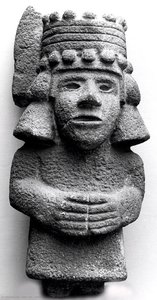
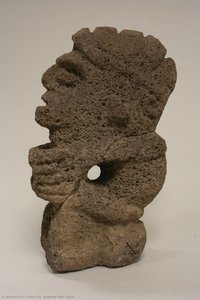
MeksikolainenBorn in TenochtitlanMesoamerikkalainen taide
Nimi ”azteekki” – joka juontaa juurensa nahuatlin kielen sanasta ātl-ce-tlācati–tlān, tarkoittaen ”monimuotoista kansaa” – herättää mielikuvia valtavasta ja monimutkaisesta valtakunnasta, joka hallitsi Mesoamerikkaa vuosisatojen ajan. Azteekkien taideperinteet syntyivät 1300-luvun alussa Tenochtitlanissa, Azteekkimperiumin sydämessä, ja ne olivat syvällä juurtuneet aiempia mesoamerikkalaisia sivilisaatioita edeltävien kulttuurien perintöön.
Some of his most notable achievements include: Teaching on Enlightenment: A masterpiece written in running script that is currently held within the prestigious collection of the Tokyo National Museum in Japan, recognized as a National Treasure.
In the shimmering, maritime heart of the fourteenth century, a transformative era was unfolding within the lagoons of Venice, and at its center stood Paolo Veneziano. His formative years were steeped in the luminous, spiritual grandeur of Byzantine art, a tradition brought to the Venetian lagoons through trade and deep ecclesiastical ties to Constantinople. Mark’s Basilica, where he decorated the sanctuary with breathtaking compositions depicting Saint Mark Evangelist and the Virgin Mary.
Serving as a supervising architect and decorator, Matteo played an instrumental role in shaping this monumental edifice, which stands as a testament to Florentine civic pride and the intellectual aspirations of the merchant class.
Through his relocation of the capital, his naval voyages, and his massive infrastructure projects like the reconstruction of the Grand Canal, Zhu Di ensured that the House of Zhu would be etched into the very foundation of Chinese history.
CatalanBorn in Avinyonet del PenedèsGothic painting
Bassa’s initial steps as an artist were taken within the religious sphere, working on chapels in Sitges during the early years of the 14th century – commissions that likely served to hone his skills and establish a local reputation. His ability to synthesize diverse stylistic elements—French elegance, Sienese refinement, and Giottesque drama—resulted in a visual language that was both innovative and deeply rooted in its cultural context.
ItalianBorn in ModenaLate GothicWikipedia, 15 of 32 languages
Tommaso Barisini, commonly known as Tommaso da Modena and sometimes referred to as Tomaso Baffini (c. 1325 – 1379), stands as one of the most prominent figures in Northern Italian painting during the mid-14th century—a period marked by burgeoning artistic innovation and profound spiritual reflection. His unwavering commitment to naturalistic representation—coupled with his masterful command of perspective—established a precedent for Renaissance artists seeking to emulate the grandeur and clarity of classical art forms.
ItalianBorn in BolognaRenaissance, Proto-Renaissance
D'Avanzi’s style occupies a fascinating position within the transition from Gothic art to the early Renaissance. While retaining elements of traditional Byzantine iconography – particularly in the use of gold leaf and hierarchical scaling – his work demonstrates an increasing interest in naturalism and emotional expression.
italialainenBorn in San Quirico d'OrciaNaturalismi, protorenessanssiWikipedia, 10 of 32 languages
Pietro Lorenzetti, joka syntyi noin vuonna 1280 ja kuoli traagisesti vuonna 1348 tuhoisan ruttoepidemiian aikana, säilyy yhtenä italialaisen maalaustaiteen kehityksen keskeisimmistä hahmoista. Vaikka hänen elämänsä oli traagisen lyhyt, se todisti taiteellisen herkkyyden dramaattisen muutoksen Sienassa, jota vauhdittivat erityisesti yhteistyö nuoremman veljensä Ambrogio Lorenzettin kanssa sekä vuorovaikutus Giotton ja Giovanni Pisanon innovatiivisten tekniikoiden kanssa. Ratkaisevaksi osoittautui hänen aikansa Firenzessä 1320- ja 1330-luvuilla, mikä muutti hänen taiteensa suunnan pysyvästi.
ItalianBorn in FlorenceEarly Italian painterWikipedia, 14 of 32 languages
His output includes a variety of formats, from devotional panels to architectural elements: Frescoes: The narrative cycles in the San Silvestro chapel, Santa Croce, Florence. Sculpture and Architecture: A marble statue located on the Florentine campanile and various works attributed to his hand in the Florentine school.
Yuan dynastyBorn in Jiashan CountyWikipedia, 12 of 32 languages
The brush of Wu Zhen moved with a particular intent, seeking to capture the essence of the natural world through landscape paintings and the delicate forms of bamboo. He did not merely observe the mountains or the flora; he sought to inhabit them. His work Qing Jiang Chun Xiao remains a definitive example of how he achieved the integration of the Three Perfections, weaving together the intellectual weight of poetry and the fluid grace of calligraphy with the visual depth of his painting.
FlorentineBorn in FlorenceLater GothicWikipedia, 10 of 32 languages
As his career progresses, the influence of the Lorenzetti brothers, Pietro and Ambrogio, becomes visible. The tension between these traditions defines his artistic output: The foundational weight of Giotto’s legacy.
ItalianBorn in FlorenceEarly RenaissanceWikipedia, 12 of 32 languages
Menabuoi’s distinctive style transcends simple categorization, reflecting a complex interplay between Byzantine iconography and Florentine Proto-Renaissance aesthetics. Unlike many of his contemporaries who embraced the burgeoning realism championed by artists like Altichiero and Jacopo d'Avanzi, Menabuoi prioritized conveying spiritual emotion over meticulous anatomical accuracy—a hallmark of Giotto’s artistic vision.
FrenchBorn in HesdinInternational GothicWikipedia, 13 of 32 languages
Très Belles Heures du Duc de Berry (Brussels Hours): Considered his most significant work, showcasing elaborate scenes and detailed miniatures. Grandes Heures: Another important illuminated manuscript commissioned by the Duke of Berry. He synthesized these influences into a unique International Gothic style that was highly sought after by European nobility.
In the heart of fourteenth-century Italy, amidst the spiritual awakening of the early Renaissance, the name Matteo Giovanetti emerged as a beacon of devotional mastery. His life’s work serves as a vital bridge between the rigid, symbolic traditions of the Gothic period and the burgeoning naturalism that would soon define the Italian Renaissance.
Gukyoku’s artistic signature lies in his masterful execution of calligraphy, specifically hanging scrolls (rokuban). He favored ink wash techniques (sumi-e), utilizing varying shades of black to create textured surfaces that mirrored the natural world—particularly landscapes reminiscent of Mount Yoshino, a sacred site venerated by Zen monks. Although he remains largely unrecognized by mainstream art historians, Reisai Gukyoku’s work stands as a poignant reminder of the transformative potential of artistic practice when guided by spiritual aspiration.
He possessed a rare, intuitive grasp of how to marry the ancient, ethereal majesty of Byzantine iconography with the burgeoning humanism and spatial curiosity emerging from Florence. This stylistic evolution is perhaps most evident in his ability to balance: The Byzantine influence, which provided the sacred, unmoving grandeur of the divine. Whether through the intimate grace of his Madonna and Child compositions or the solemnity of his depictions of saints, Bulgarini’s work captures the spiritual heartbeat of an era.
Tettō skillfully employed sumi ink – the traditional Japanese black pigment – but he wasn’t constrained by its limitations. His compositions frequently featured sweeping vistas and dynamic brushstrokes, reflecting both the natural world and the internal landscapes of Zen meditation. Gikō Tettō’s influence on Japanese art extends far beyond his own lifetime.
ItalianBorn in ModenaByzantine-influenced Lombard PaintingWikipedia, 12 of 32 languages
Born around 1328 in Modena (Emilia), he emerged from obscurity to become arguably the first Lombard painter of considerable renown, leaving behind an impressive oeuvre that testifies to his unwavering devotion to this venerable artistic heritage.
German-BohemianBorn in Schwaebisch GuemundLate Gothic
In the heart of the Late Middle Ages, a period defined by soaring spires and profound devotion, Peter Parler emerged as one of the most influential architects and sculptors of his era. Known variously as Peter von Gemünd or Petr Parléř, his identity was inextricably linked to the Parler family, a lineage of craftsmen whose influence stretched across much of Central Europe.
Bonanat Descoll I De Santcliment oli merkittävä katalonialainen amiraali Aragonian kruunulle 1300-luvulla. Hän syntyi Barcelonassa, Espanjassa vuonna 1310 ja kuoli vuonna 1390. Bonanat Descoll I De Santcliment ei ollut ainoastaan taitava sotilasjohtaja, vaan myös erittäin lahjakas taiteilija.
The Yuan Dynasty (1271–1368), established by Kublai Khan, represents a singular moment in Chinese history – the first time a foreign power successfully ruled over all of China. He actively supported artists like Wang Meng and Zhao Yuan, commissioning monumental landscapes and intricate calligraphy scrolls that celebrated imperial grandeur and Confucian ideals. The Four Masters: The Yuan Dynasty is particularly renowned for its “Four Masters” – Huang Xuan, Zhao Menggui, Wang Meng, and Ni Zan —who redefined the conventions of landscape painting and established a new aesthetic centered on simplicity, spontaneity, and profound contemplation.
His most recognizable works center on themes of the Annunciation, the Madonna and Child, and scenes from the life of Christ. The composition typically depicts the Angel Gabriel kneeling before Mary, delivering the news of Christ’s birth. Yet, unlike Simone’s increasingly internationalized aesthetic, Domenico remained firmly rooted in the Sienese tradition.
The city boasted a vibrant sculptural tradition, influenced by both French Gothic precedents and the burgeoning Italian style. Siena’s artistic climate was characterized by a distinctive emphasis on grace, refined detail, and narrative clarity – qualities that would become hallmarks of Agnolo’s own work. Agnolo’s style reflects a synthesis of various influences, blending French Gothic elegance with the growing Italian emphasis on naturalism and emotional expression.
However, he also absorbed influences from Northern European sculpture traditions, particularly those emanating from France and Germany, demonstrating a cosmopolitan outlook that characterized the artistic landscape of his era.
Petracco’s work reflects a unique blend of contemporary realism, influenced by the late Gothic tradition, alongside an emerging interest in perspective and atmospheric effects – hallmarks of the evolving Renaissance aesthetic. His father, Ser Parenzo, held positions of considerable authority, including serving as Chancellor of the Commission for Reforms, demonstrating a family legacy rooted in public service and intellectual pursuits. He was deeply influenced by the rediscovery of classical texts – particularly those of Cicero – which fueled the humanist movement’s emphasis on human potential, reason, and civic virtue.
A significant partnership was formed with Agnolo di Ventura, culminating in their joint execution of the cenotaph of Guido Tarlati in the Cathedral of Arezzo (signed and dated 1330). Documentation confirms D'Agostino’s involvement in the construction of the Torre del Mangia in 1339.
Yūbai’s disciples, including Akamatsu Norimura and Akamatsu Norisuke, diligently upheld his legacy—propagating Zen philosophy and artistic traditions throughout Japan.
Born in Cairo in 1339, his ascent to power marked not merely a change in leadership but a transition into the Burji period—a new era defined by Circassian dominance within the Mamluk Sultanate.
Born amidst the rolling landscapes of Certaldo in 1313, Giovanni Boccaccio emerged as a vital force in the cultural landscape of the fourteenth century. As one of the legendary "Three Crowns" of Italian literature—standing alongside the giants Dante Alighieri and Petrarch—his life served as a bridge between the medieval world and the dawning light of the Renaissance.
While the Nanboku-chō period was defined by conflict between rival courts, Kōgon’s focus on Buddhist art provided a sense of cultural continuity and spiritual stability. His patronage laid the groundwork for future developments in Japanese Buddhist iconography, influencing the stylistic trajectory of much of the art produced in the centuries that followed. Emperor Kōgon (1313–1364) was not merely a sovereign navigating a period of profound instability; he was a visionary patron whose devotion to Buddhist iconography helped reshape the aesthetic soul of Northern Japan.
Early Life & Artistic Formation: Little biographical detail survives concerning Genkō’s formative years; he emerged from obscurity as a student of Zen at Nara Temple, establishing a foundation for his lifelong devotion to the Dharma.
Through these spiritual windows, she glimpsed a God characterized not by distant judgment, but by an overwhelming, compassionate intimacy. She famously portrayed the divine as a nurturing force, a Father whose love sustains all of creation.
ItalianBorn in FlorenceRenaissance PaintingWikipedia, 10 of 32 languages
The significance of Nardo di Cione lies in his ability to bridge the gap between the rigid traditions of the medieval period and the burgeoning humanism of the Renaissance. Chromatic Mastery: The use of vibrant, symbolic colors to navigate complex theological narratives. Born around 1320, he was part of a formidable artistic dynasty, working alongside his brothers, the renowned Orcagna (Andrea di Cione) and Jacopo di Cione.
Each artifact—from the delicate ebony rods inscribed with sacred hieroglyphs to the iconic, shimmering golden mask —embodies an idealized vision of royal divinity.
One of his most celebrated achievements, the Coronation of the Virgin, bears a proud inscription dating the work to March 1385, serving as a permanent testament to his hand. Beyond the cathedral walls, Serafini’s influence extended into other significant religious sites, such as the Church of San Francesco in Mantua. In the twilight of the fourteenth century, amidst the architectural grandeur of Northern Italy, the name Serafino Serafini emerged as a vital, if enigmatic, force in the evolution of late medieval painting.
Beyond the physical permanence of his marble reliefs, Antonio Baboccio da Piperno’s true significance lies in the lineage of talent he helped cultivate. He was a progenitor of style, fostering a school of artists that included luminaries such as Agnello del Fiore and Guglielmo Monaco. Antonio Baboccio da Piperno, born around 1351 in the quiet landscape of Pietrantonella, was far more than a mere craftsman; he was an abbot, a painter, a sculptor, and a goldsmith—a true polymath of the visual arts.
The Master’s origins are shrouded in some mystery, yet a clear lineage can be traced through the artistic networks of Pistoia. Equally significant was the work of Maso di Banco, a prominent Sienese painter known for his dramatic compositions and expressive figures. The figure known as the Master of 1336 remains one of the most intriguing enigmas in Italian art history.
His work stands as a testament to several enduring themes: The Integration of Art and Spirit: He remains a primary example of how the Zen concept of "silent mind" can be translated into visual form.
The earliest-born artist in this list is Yuan Dynasty (#79), born in 1271.
Which country produced the most Late Medieval artists?
Italy: 37 of the 99 artists in this list were born there, then Italia (18) ja Japan (8).
How did Late Medieval artists paint?
“Vaikka temperamaalauksen aikakausi oli vielä siirtymässä monipuolisempiin tekniikoihin, Hubertin varhainen ura – jota leimasivat Tongerenissa tehdyt uskonnolliset paneelityöt – paljasti nousevan mestaruuden valon ja tekstuurin hallinnassa.” — biografiastamme: Hubert Van Eyck (#5).
Who are the most famous living Late Medieval artists?