Atelier — Livraison offerte dans le monde entier — Livraison sous 2 à 6 semaines
Transformer une photo en peinture Ma liste de souhaits Panier
Aperçu en situationAperçu en situation Visualiser en RAVisualiser en RA Acheter la peinture faite à la main Acheter la peinture faite à la mainAcheter l'image Acheter l'image EnvoyerEnvoyer
Détails de l'œuvreDétails de l'œuvre Ajouter aux favoris Ajouter aux favoris TéléchargerTélécharger Articles similairesArticles similaires RadiographieRadiographie DiaporamaDiaporama

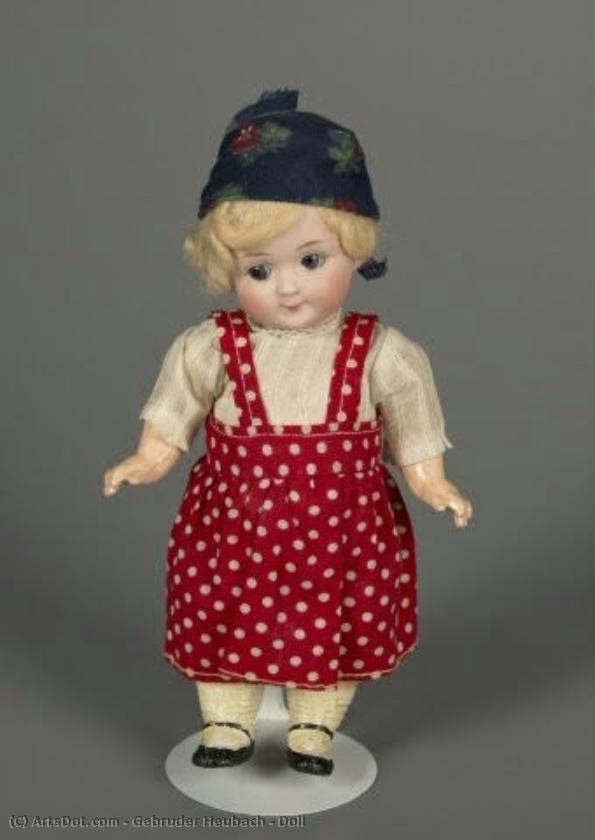
Doll

Découvrez Gebruder Heubach (Ernst Heubach), fabricant allemand renommé de poupées en porcelaine bisque aux détails exceptionnels et à leur symbole : une marque en forme de fer à cheval. Créations prisées par les collectionneurs antiques !

Giclées et impressions d'art

Impressions giclées ou sur toile de qualité musée, avec une production rapide et des finitions au choix. (Acheter la peinture faite à la main Acheter la peinture faite à la mainAcheter l'image Acheter l'image)

Standard
custom
CM
INCH

Choisissez parmi nos formats prédéfinis qui respectent les proportions originales de l’œuvre.

largeur
hauteur

Vous pouvez saisir vos propres dimensions pour vous adapter à un cadre ou à un espace spécifique. Si la taille sélectionnée ne correspond pas aux proportions de l'image originale, nous recadrerons l'œuvre ou étendrons l'image avec une bordure en miroir ou une couleur unie. Une maquette numérique vous sera envoyée pour approbation avant le début de la production.
Veuillez noter que l'aperçu à l'écran ne reflète pas le recadrage ou l'extension réelle. Seule la maquette montrera avec précision la composition finale.
Bien que des tailles personnalisées soient disponibles, nous vous recommandons de choisir une dimension dans la liste prédéfinie afin de préserver les proportions originales.

Livraison dans le monde entier () en 2 semaines au lieu des 4/5 semaines habituelles. (13 août)

why_choose_icon
Livraison express gratuite dans le monde entier

why_choose_icon
Toile de lin de qualité supérieure
why_choose_icon
Assurance transport complète
why_choose_icon
Garantie de remboursement des droits de douane
why_choose_icon
Garantie de fidélité des couleurs
why_choose_icon
Politique de retour de 60 jours (uniquement en cas de défaut)
why_choose_icon
Garantie de remboursement à 100%
why_choose_icon
Offre de tarifs dégressifs

Prix total

$ 69

reproduction

Doll

Giclées et impressions d'art

Format de la reproduction

-

Prix total

$ 69

Description de la pièce

At the beginning of the 20th century, some dolls

Biographie de l'artiste

Gebruder Heubach: Masters of Bisque Porcelain Dolls

Ernst Heubach (1858-1932) stands as a pivotal figure in the history of German toy manufacturing, specifically renowned for his contribution to the exquisite art of bisque porcelain dolls. Based in Köppelsdorf, Thuringia—a region steeped in tradition and nestled near Sonneberg’s famed Toy Museum—the Heubach brothers established their workshop in 1858, initially focusing on crafting delicate porcelain figurines alongside tableware items. However, it was the production of bisque dolls from 1885 onwards that cemented their legacy as innovators and artisans of unparalleled quality.

Early Years & Founding

Georg Christoph Heubach and Philipp Jakob Heubach inherited a modest porcelain factory from Wilhelm Liebmann in Lichte, Thuringia. Recognizing the potential for artistic expression beyond utilitarian ceramics, they embarked on a journey to elevate porcelain artistry, establishing Ernst Heubach Porzellanfabrik in 1876. This visionary decision marked the genesis of a remarkable enterprise—one destined to become synonymous with German doll craftsmanship. Initially trading as *Ernst Heubach, Köppelsdorf*, the workshop quickly gained prominence for its meticulous attention to detail and unwavering dedication to artistic excellence.

Innovation & Expansion

Driven by entrepreneurial spirit and fueled by collaborations with skilled sculptors from Sonneberg’s Art School, the brothers swiftly broadened their horizons. They embraced new technologies—particularly the introduction of bisque firing—allowing for unprecedented realism in doll faces. This pioneering approach attracted partnerships with prominent doll makers like Cuno & Otto Dressel and Adolf Wislizenus. The meticulous process of bisque firing—combining porcelain clay at high temperatures—transformed simple earthenware into dolls possessing astonishing lifelike features, capturing subtle expressions and textures with remarkable accuracy. These collaborations fostered stylistic innovation and ensured that their dolls reflected the aesthetic sensibilities of their time.

The Doll Mark: A Symbol of Excellence

A distinctive horseshoe mark, symbolizing prosperity and craftsmanship, became synonymous with Heubach dolls. This emblem—often found stamped on the porcelain heads—served as a testament to their meticulous production standards and unwavering commitment to artistic excellence. The mark’s presence instantly identifies these dolls as creations of exceptional quality—a visual declaration of heritage and dedication to perfection. It represents more than just branding; it embodies the values of precision, artistry, and tradition that underpinned the Heubach brothers' entire operation.

Notable Collaborations & Doll Ranges

Gebrüder Heubach didn’t operate in isolation; they actively engaged with fellow artisans, fostering a vibrant ecosystem of doll production. Their dolls graced the workshops of Cuno & Otto Dressel, Johannes Gottilf Dietich, Seyfarth & Reinhardt and Adolf Wislizenus, resulting in diverse collections reflecting stylistic influences from across Europe. These partnerships weren’t merely transactional; they represented mutual respect for artistic vision and a shared desire to produce dolls that captivated audiences with their beauty and artistry. Collaborations extended beyond mere production—they nurtured an environment of artistic exchange.

Legacy & Decline

Despite facing challenges during World War I and subsequent political upheaval—including nationalization by East Germany—Gebrüder Heubach persevered. The firm’s final incarnation, Vereinigte Köppelsdorf Porzellanfabrik vorm. Armand Marseille und Ernst Heubach, continued to produce dolls until 1932. Though the workshop ceased operations during the Nazi era, its enduring influence on German toy history remains undeniable. Their unwavering dedication to perfecting bisque firing—a technique that involved fusing porcelain clay at high temperatures—yielded dolls with remarkably lifelike facial features and hair textures. These dolls weren’t merely toys; they were miniature artworks imbued with artistic vision and technical mastery. Today, Gebruder Heubach dolls are treasured possessions among antique doll enthusiasts—a testament to the brothers’ unwavering commitment to artistic excellence and their pioneering role in shaping the history of German toy manufacturing.
Ernst Heubach

Ernst Heubach

1858 - 1932 , Allemagne

L'essentiel de l'artiste

  • Artistic Movement Or Style: Fabrication de porcelaines
  • Artists Or Movements Influenced By This Artist: ['Armand Marseille']
  • Artists Who Influenced This Artist: ['Wilhelm Liebmann']
  • Date Of Birth: 1858
  • Full Name: Georg Christoph Heubach & Philipp Jakob Heubach
  • Nationality: Allemand
  • Notable Artworks:
    • Jutta
    • Igodi
    • Revalo
  • Place Of Death: Köppelstedt
© TopImpressionists.com — Tous droits réservés  ·  100% Peint à la main · Satisfaction garantie · Livraison gratuite dans le monde entier
VISA MASTERCARD