

 Aperçu en situation
 Envoyer
 Partager
 Détails de l'œuvre
 Guide
Guide

 Télécharger l'image
 Articles similaires
 Radiographie
 Diaporama
 Q&A
Q&A Statistiques
Minuet


Experience the elegance of Rococo art! Giovanni Domenico Tiepolo's 'Minuet,' painted in 1756, captures a lively Venetian ballroom scene with vibrant colors and masterful composition.
 Lire la suite
Découvrez Giovanni Domenico Tiepolo, maître du Rococo ! Admirez ses fresques vénitiennes & peintures mythologiques alliant élégance et raffinement. Un héritage artistique inoubliable.
Giclées et impressions d'art
Impressions giclées ou sur toile de qualité musée, avec une production rapide et des finitions au choix. ( Commander la reproduction peinte à la main Passer au format numérique)




P118B €10

P118H €10

P118W €10

P438Z €10

P508JH €12

P508YH €12

P805H €10

P805Z €10

P919BZ €10

P919G €10

P919XJ €10

P959ZH €10

P968JZ €12

W106C €8

W218G €10

W218JH €8

W218Y €10

W307PJ €10

W316G €10

W316PJ €8

W316Y €10

W398PJ €8

W4111J €10

W500HY €15

W500JH €15

W692G €12

W849H €8

W940BG €15

W953PJ €8




Format standard
sur mesure
CM
INCH
Choisissez parmi nos formats prédéfinis qui respectent les proportions originales de l’œuvre.
Loading sizes...

largeur
hauteur
Saisissez la largeur et la hauteur souhaitées pour qu'elles s'adaptent à votre cadre ou à votre mur. Une impression peut être recadrée, mais jamais agrandie au-delà de l'image originale ; ainsi, un format de forme différente entraînera la perte d'une partie de l'image. Nous vous envoyons une maquette numérique pour approbation avant toute impression. L'image présentée sur cette page ne montre pas le recadrage réel — seule la maquette le permet.
Livraison dans le monde entier () en 2 semaines au lieu des 4/5 semaines habituelles. (1 novembre)

Livraison express gratuite dans le monde entier

Toile de lin de qualité supérieure

Assurance transport complète

Garantie de remboursement des droits de douane

Garantie de fidélité des couleurs

Politique de retour de 100 jours (uniquement en cas de défaut)

Garantie de remboursement à 100%

Offre de tarifs dégressifs
 L'option verre n'est disponible que pour les dimensions inférieures à 110 cm.

Minuet
Giclées et impressions d'art
Format de la reproduction
-


Prix total
€ 61
A Symphony of Grace: The Rococo Splendor of Tiepolo’s Minuet
In the delicate dance of light and shadow, Giovanni Domenico Tiepolo’s 1756 masterpiece, "Minuet," invites the viewer into a world where the boundaries between the earthly and the divine dissolve. As a quintessential emblem of the Rococo movement, this work captures the very essence of eighteenth-century aristocratic elegance—a period defined by a thirst for frivolity, idealized beauty, and theatrical grandeur. To gaze upon this canvas is to step into the opulent social spheres of the Habsburg court, where every gesture is choreographed with refinement and every hue whispers of luxury. The painting does not merely depict a dance; it orchestrates an immersive experience, pulling the observer into a rhythmic celebration of life itself.
The composition is a masterclass in the Rococo aesthetic, characterized by its rejection of Baroque solemnity in favor of playful asymmetry and a luminous, pastel-driven palette. Tiepolo employs a breathtaking array of delicate creams, blush pinks, and shimmering golds that seem to glow from within, mirroring the sumptuous silks and intricate ornamentation found in the grandest European interiors. Through the expert use of trompe l'oeil techniques, the artist subtly blurs the lines between the painted surface and architectural reality, creating an illusionistic depth that makes the grand classical structures feel as though they are expanding into the viewer's own space. The light does not simply illuminate the figures; it dances across them, lending a palpable sense of atmosphere and movement to the entire scene.
Mythological Echoes and Symbolic Grandeur
Beyond its surface-level charm, "Minuet" is deeply interwoven with the mythological narratives that provided the intellectual backbone of the era. At the heart of this graceful ballet stands a statue of Diana, the goddess of hunting and chastity. This inclusion serves as a profound symbol of virtue and nobility, acting as a silent, watchful guardian over the festivities. The dancers and musicians, arranged in a rhythmic semi-circle, are positioned within an architectural setting reminiscent of ancient Roman temples, a deliberate choice by Tiepolo to ground the ephemeral joy of the dance in the eternal ideals of classical harmony and proportion. This juxtaposition suggests that even the most fleeting moments of human pleasure can be imbued with divine significance.
For the discerning collector or interior designer, "Minuet" offers more than just visual beauty; it provides a profound emotional resonance. The painting captures a sense of exuberant optimism and the effortless poise of a bygone era. Whether placed in a sun-drenched gallery or as a focal point in a sophisticated living space, a high-quality reproduction of this work brings with it an air of historical prestige and timeless sophistication. It is a piece that invites conversation, evoking the spirit of an age where art was a celebration of light, movement, and the enduring pursuit of grace.
Questions et réponses
Quelle est l'atmosphère générale de «Minuet» de Giovanni Domenico Tiepolo ?
«Minuet» de Giovanni Domenico Tiepolo est décrit comme dégageant une atmosphère Elegant. Cette classification peut aider à harmoniser l'œuvre avec un décor.
À quelle étape de la carrière de Giovanni Domenico Tiepolo s'inscrit « Minuet », compte tenu de sa date ?
«Minuet», créé en 1756, appartient à la période Mature Period de la carrière de Giovanni Domenico Tiepolo.
Quel artiste et quel style se cachent derrière « Minuet » ?
« Minuet » a été créé par Giovanni Domenico Tiepolo dans le style Rococo Style. L'artiste et le mouvement définissent la tradition de l'œuvre.
Biographie de l'artiste
Giovanni Domenico Tiepolo : Un Maître des Fresques Rococo
Giovanni Domenico Tiepolo (30 août 1727 – 3 mars 1804) fut un peintre et graveur italien de renom, originaire de la République de Venise. Il est reconnu comme une figure majeure du style rococo, héritant et développant l'héritage de son père célèbre, Giovanni Battista Tiepolo. Sa carrière s’est étendue sur plusieurs décennies, laissant derrière lui une œuvre riche caractérisée par des couleurs vibrantes, des compositions dynamiques et des représentations élégantes de scènes mythologiques, de portraits et de paysages.
Jeunesse et Formation
Né au sein d'une famille d'artistes, la vie précoce de Giovanni Domenico était profondément imbriquée dans le monde de l’art. Son père, Giovanni Battista Tiepolo, un peintre célébré pour ses fresques monumentales, fut son principal mentor. Giovanni Domenico a reçu une formation rigoureuse sous la direction de son père, apprenant les techniques et les nuances stylistiques qui allaient façonner son propre développement artistique. Il a également bénéficié d'une exposition à d’autres artistes notables de l'époque, notamment Sebastiano Ricci et Federico Bencovich, élargissant ainsi ses horizons artistiques. En tant que jeune homme, il assistait fréquemment son père sur des projets à grande échelle, acquérant une expérience pratique inestimable dans la peinture de fresques.
Carrière Artistique et Style
La carrière de Giovanni Domenico a prospéré au XVIIIe siècle. Il s'est établi comme un artiste compétent capable de produire aussi bien des œuvres indépendantes que de contribuer à des projets collaboratifs. Bien qu’il ait initialement travaillé en étroite collaboration avec son père, il a progressivement développé son propre style distinct, tout en conservant les éléments de l'esthétique rococo prévalant dans l'art vénitien à cette époque. Sa production artistique comprenait des fresques, des peintures sur toile et des gravures.
- Fresques : Tiepolo était particulièrement renommé pour ses fresques, décorant de nombreux lieux en Italie avec des scènes élaborées. Des exemples notables incluent les fresques du Ca' Dolfin sur le Grand Canal à Venise et la voûte de l’église Gesuati (Santa Maria del Rosario), également à Venise.
- Peintures : Au-delà des fresques, il a créé un nombre important de peintures sur toile, représentant souvent des sujets mythologiques ou des portraits. Des exemples incluent "Persée et Andromède" (voir ici), “L’Enlèvement d'Europe” (voir ici) et "Chasseur avec un Cerf" (voir ici).
- Gravures : Tiepolo a également démontré sa compétence en gravure, créant des estampes détaillées et expressives telles que "Die heiligen Augustinus, Ludwig von Frankreich, Johannes Evangelist und Magnus" (voir ici) et “Apothéose d’Hercule” (voir ici).
Signification Historique
Giovanni Domenico Tiepolo a joué un rôle crucial dans la continuation et l'évolution de l'art rococo vénitien. Bien qu’il ait été éclipsé par la renommée de son père pendant sa vie, il est désormais reconnu comme un artiste important à part entière. Ses fresques et ses peintures offrent des aperçus précieux des goûts artistiques et des valeurs culturelles du XVIIIe siècle à Venise et en Italie. Sa capacité à mélanger les thèmes classiques avec les sensibilités contemporaines a consolidé sa place au sein du mouvement rococo, laissant derrière lui un héritage d'art vibrant qui continue de captiver le public aujourd’hui.
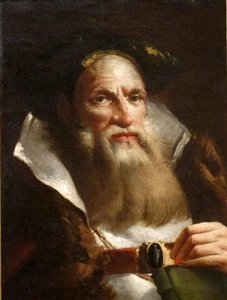
Giovanni Domenico Tiepolo
2007 - 1770 , Italie
L'essentiel de l'artiste
- Artistes Influents: ['Giovanni Battista Tiepolo']
- Date De Décès: 3 mars 1804
- Date De Naissance: 30 août 1727
- Lieu De Naissance: Venise, Italie
- Mouvement Artistique: Rococo
- Nationalité: Italienne
- Nom Complet: Giovanni Domenico Tiepolo
- Oeuvres Notables:
- Persée et Andromède
- Le rapt d'Europe
- Chasseur au cerf
- Die heiligen Augustinus
- Apothéose d'Héraclès
Articles connexes

The Elegance of Rococo: A Journey Through Pastel Dreams and Ornate Splendor
Embark on an elegant journey through the Rococo era. Discover the delicate beauty of pastel masterpieces, the intricate artistry of 18th-century French masters, and how this era of ornate splendor continues to inspire timeless luxury in fine art collecting.

Golden Light & Rich Color: The Timeless Magic of Venetian Renaissance Art
Explore the luminous beauty of Venetian Renaissance art. Discover how masters like Titian used colorito and golden light to redefine painting through texture, emotion, and atmospheric brilliance in a masterclass of historical artistry.
Explorez des œuvres d'art classées par thèmes, styles et caractéristiques.


