


 Aperçu en situation
 Envoyer
 Partager
 Détails de l'œuvre
 Guide
Guide

 Télécharger l'image
 Articles similaires
 Radiographie
 Diaporama
 Statistiques
Mrs Mounter
 Oil On Canvas
- WallArt
- Impressionist Realism
 1916
1916- Modern
 117.0 x 87.0 cm
 National Museums Liverpool
Harold John Wilde Gilman's 'Mrs Mounter at the Breakfast Table', painted in 1916-17, captures intimate domestic life with striking color palettes and expressive brushwork—a cornerstone of Camden Town Group realism.
 Lire la suite
Découvrez Harold John Wilde Gilman (1876-1919), un peintre britannique et fondateur du groupe Camden Town. Explorez des intérieurs intimes, des portraits, des paysages et son influence sur l'art du début du 20e siècle.
Reproduction à l'huile faite à la main
Huile sur toile peinte à la main, avec cadre et dimensions personnalisés, réalisée sur commande par nos artistes. ( Passer au format impression Passer au format numérique)




P118B €10

P118H €10

P118W €10

P438Z €10

P508JH €12

P508YH €12

P805H €10

P805Z €10

P919BZ €10

P919G €10

P919XJ €10

P959ZH €10

P968JZ €12

W106C €8

W218G €10

W218JH €8

W218Y €10

W307PJ €10

W316G €10

W316PJ €8

W316Y €10

W398PJ €8

W4111J €10

W500HY €15

W500JH €15

W692G €12

W849H €8

W940BG €15

W953PJ €8




Format standard
sur mesure
CM
INCH
Choisissez parmi nos formats prédéfinis qui respectent les proportions originales de l’œuvre.
Loading sizes...

largeur
hauteur
Saisissez la largeur et la hauteur souhaitées, pour s'adapter à votre cadre ou à votre mur. Cette œuvre est peinte à la main ; ainsi, pour un format de forme différente, l'artiste peut peindre un peu plus autour du tableau ou réduire légèrement les bords — c'est vous qui choisissez. Nous vous envoyons une maquette numérique pour approbation avant que la peinture ne commence. L'image présentée sur cette page ne reflète pas le résultat réel — seule la maquette le fait.
Exemples de personnalisation possibles : remplacer un visage par la photo du client ; ajouter un animal de compagnie (par exemple, remplacer un chat par un chien) ; inclure un message caché en arrière-plan ; modifier le paysage ou les éléments de l'arrière-plan.
Après la commande, l’équipe TopImpressionists.com contactera le client par e-mail pour recueillir ses instructions et lui fournira une maquette d’aperçu
Après la commande, l’équipe TopImpressionists.com contactera le client par e-mail pour recueillir ses instructions et lui fournira une maquette d’aperçu
Livraison dans le monde entier () en 3 à 4 semaines au lieu des 5 semaines habituelles. (27 octobre). Aucun compromis sur la qualité.

Livraison express gratuite dans le monde entier

Toile de lin de qualité supérieure

Assurance transport complète

Garantie de remboursement des droits de douane

Garantie de fidélité des couleurs

Politique de retour de 100 jours (uniquement en cas de défaut)

Garantie de remboursement à 100%

Offre de tarifs dégressifs
 L'option verre n'est disponible que pour les dimensions inférieures à 110 cm.

Mrs Mounter
Technique de reproduction
Format de la reproduction
-


Prix total
€ 236
A Moment of Quietude: The Intimate World of Harold Gilman
In the bustling, transformative landscape of early twentieth-century London, few artists captured the profound beauty of the mundane as poignantly as Harold John Wilde Gilman. His masterpiece, Mrs Mounter, serves as a breathtaking window into a private moment, inviting the viewer to step away from the chaos of modernity and into a space of serene domesticity. Painted between 1916 and 1917, this work is far more than a mere portrait; it is an evocative study of light, warmth, and the quiet dignity found within the everyday. As a pivotal figure of the Camden Town Group, Gilman moved away from the fleeting impressions of his predecessors to embrace a style that felt deeply rooted in the tangible, emotional reality of British life.
The composition centers on a woman seated at a dining table, her presence commanding yet gentle. Clad with a striking red scarf that draws the eye immediately, she sits amidst a domestic tableau featuring two cups and a vibrant vase. The artist’s mastery is most evident in his use of color; he employs a bold, warm palette dominated by rich oranges and deep reds that bathe the scene in an amber glow. This deliberate use of hue does not merely decorate the canvas but creates a palpable atmosphere of contemplation and understated elegance. Through his expressive brushwork, Gilman imbues the inanimate objects—the porcelain, the cloth, the ceramic vase—with a sense of life and weight, reminiscent of the structural integrity found in the works of Cézanne.
Symbolism and the Soul of the Edwardian Era
Beyond its technical brilliance, Mrs Mounter resonates with a deep symbolic significance that speaks to the social values of its time. The subject’s gaze is particularly arresting; she looks directly toward the viewer, establishing an intimate, almost confrontative connection that transcends the boundaries of the frame. This directness suggests a level of self-assurance and composure reflective of the Edwardian spirit—a period characterized by a certain steadfastness even as the world stood on the precipice of monumental change. The domestic setting, while seemingly simple, acts as a sanctuary of stability.
The interplay of light and shadow within the room further enhances the painting's emotional depth. Gilman utilizes light not just to define form, but to evoke mood. The way the light catches the edge of the table and illuminates the subject’s face creates a sense of "luminous legacy," turning a routine afternoon tea into a sacred ritual of stillness. For the collector or the interior designer, this piece offers a unique psychological dimension; it provides a focal point that is both intellectually stimulating and emotionally grounding, making it an ideal centerpiece for spaces designed for reflection and comfort.
A Timeless Addition to the Modern Interior
For those seeking to curate a collection of high-quality reproductions, Mrs Mounter represents an exquisite marriage of historical importance and aesthetic versatility. The painting’s ability to harmonize bold, Post-Impressionistic colors with a soft, intimate subject matter allows it to integrate seamlessly into a variety of sophisticated decor styles—from the classic elegance of a traditional study to the curated minimalism of a contemporary loft. It is a work that does not merely hang on a wall; it breathes life into a room.
Owning a reproduction of this caliber means preserving a fragment of British Modernism. Gilman’s ability to find the extraordinary within the ordinary continues to inspire, offering a sense of warmth and connection that remains as relevant today as it was in 1916. Whether viewed as an exploration of color theory or a tribute to the quiet strength of the human spirit, this painting remains a profound testament to the enduring power of intimate portraiture.
Questions et réponses
Quelle ambiance "Mrs Mounter" apporterait-elle à une pièce ?
Avec son atmosphère Serene, « Mrs Mounter » est idéal pour une Living Room.
Quelle est la luminosité globale de « Mrs Mounter » ?
La luminosité perçue de «Mrs Mounter» de Harold John Wilde Gilman est balanced. Elle peut être harmonisée avec la lumière de l'espace prévu.
Quelle est la place historique de « Mrs Mounter » ?
«Mrs Mounter» de Harold John Wilde Gilman appartient au mouvement Impressionist Realism, durant la période Modern. Ensemble, ils confèrent à l'œuvre sa place dans l'histoire de l'art.
Œuvres similaires


Biographie de l'artiste
Harold John Wilde Gilman : Une Vie en Peinture
Harold John Wilde Gilman (1876-1919) était un peintre britannique célébré pour ses intérieurs évocateurs, ses portraits sensibles et ses paysages atmosphériques. En tant que figure clé au sein du Camden Town Group, il a joué un rôle essentiel dans la formation de l'art britannique du début du XXe siècle.
Jeunesse et Formation
Né à Cheltenham, au Royaume-Uni, en 1876, Gilman a reçu sa formation artistique initiale à l’école de Tonbridge. Cette période a nourri son intérêt initial pour la peinture et a jeté les bases de sa carrière future. Bien que les détails de sa formation formelle précoce soient limités, il est clair que Tonbridge a fourni un point de départ crucial pour son développement artistique.
Développement Artistique & Influences
Le style de Gilman s'est développé grâce à l'exposition à diverses influences. Initialement attiré par l'impressionnisme et le post-impressionnisme, il a progressivement développé une approche distinctive caractérisée par des palettes de couleurs audacieuses, un travail de pinceau expressif et un souci de capturer la résonance émotionnelle des scènes du quotidien. Il a été particulièrement influencé par des artistes tels que Walter Sickert et Vincent van Gogh.
Œuvres Clés & Style Artistique
L'œuvre de Gilman englobe une diversité de sujets, mais il est peut-être le mieux connu pour ses représentations intimes de la vie domestique. Certaines de ses œuvres les plus célèbres comprennent :
- Mrs. Mounter : Une représentation poignante d’une femme dans son environnement domestique, mettant en valeur la maîtrise de Gilman de la lumière et de l'atmosphère.
- Willows by a River : Démontre sa capacité à capturer la beauté et la tranquillité du monde naturel avec des nuances subtiles.
- The Model (également connue sous le nom de Reclining Nude) : Une exploration sensible de la forme humaine, révélant l'habileté de Gilman à rendre les tons de peau et à capturer la profondeur psychologique.
Son style artistique est marqué par un mélange de réalisme et d’expression émotionnelle. Il a souvent utilisé une palette de couleurs légèrement atténuées pour créer une sensation d'intimité et d'introspection.
Le Camden Town Group & Importance Historique
Gilman était membre fondateur du Camden Town Group, une association d'artistes qui cherchait à s’affranchir des conventions artistiques traditionnelles et à embrasser les sujets modernes. Le groupe, plus tard connu sous le nom de London Group, a joué un rôle essentiel dans l’introduction des idées post-impressionnistes en Grande-Bretagne.
La contribution de Gilman réside dans sa capacité à capturer l'esprit de son temps – une période de changements sociaux et culturels rapides. Ses peintures offrent un aperçu de la vie des gens ordinaires et reflètent les angoisses et les aspirations de la société du début du XXe siècle.
Vie Tardive & Héritage
Malheureusement, la vie de Gilman a été interrompue par une maladie en 1919. Malgré sa carrière relativement brève, il a laissé derrière lui un corpus important d'œuvres qui inspirent encore les artistes et les amateurs d'art aujourd'hui. Ses peintures sont conservées dans de nombreuses collections publiques et privées, assurant ainsi son héritage en tant que figure importante du modernisme britannique.
Réalisations Majeures
- Membre fondateur du Camden Town Group
- Développement d’un style artistique distinctif combinant réalisme et expression émotionnelle
- Création d'images emblématiques représentant la vie domestique et les paysages
- Contribution à l’introduction des idées post-impressionnistes en Grande-Bretagne

Harold John Wilde Gilman
1876 - 1919 , Royaume-Uni
L'essentiel de l'artiste
- Artistic Movement Or Style: Camden Town Group
- Artists Or Movements Influenced By This Artist: ['Impressionnistes']
- Artists Who Influenced This Artist:
- Walter Sickert
- Vincent van Gogh
- Date Of Birth: 1876
- Date Of Death: 1919
- Full Name: Harold John Wilde Gilman
- Nationality: Britannique
- Notable Artworks:
- Mrs. Mounter
- Willows by a River
- The Model
- Place Of Birth: Cheltenham, Royaume-Uni
Articles connexes

Les 25 Chefs-d'œuvre du British Museum : Art, Histoire & Décor d'Exception
Plongez au cœur du British Museum avec nos 25 œuvres incontournables. Découvrez l'histoire fascinante des plus grands artistes, de l'art égyptien aux chefs-d'œuvre classiques. Trouvez l'inspiration déco et sublimez votre intérieur avec TopImpressionists.com ! Explorez la collection.
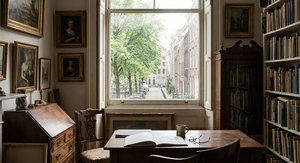
The Interior Gaze: Exploring Representations of Domestic Space in Art History
Explore the fascinating history of domestic interiors in art! From Dutch Masters to Impressionism, discover how artists captured home life & social meaning. Expert analysis and insights at TopImpressionists.

Walter Sickert: A Shadowy Realism & the Modern British Canvas
Explore the life & work of Walter Sickert, a pivotal British painter bridging Impressionism to Modernism. Discover his evocative scenes of London life, controversial legacy, and lasting influence on 20th-century art.

Robert Bevan: Pioneering British Post-Impressionism & the Camden Town Group's Intimate Vision
Explore the life & work of Robert Bevan, a pioneer of British Post-Impressionism and founding member of the Camden Town Group. Discover his vibrant landscapes and lasting impact on early 20th-century art.

L'Équilibre Audacieux : Intégrer l'Art Contemporain dans les Intérieurs Classiques pour une Modernité Éternelle
Intégrez l'art contemporain dans votre intérieur classique avec succès ! Conseils d'experts, inspiration et reproductions de qualité musée par TopImpressionists. Trouvez l'équilibre parfait.