


 Aperçu en situation
 Partager
 Partager
 Détails
 Guide imprimable

 Télécharger
 Articles similaires
 Radiographie
 Voir le diaporama
 Statistiques
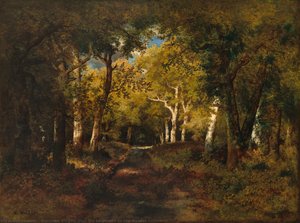
Landscape
Découvrez Léon Germain Pelouse (1838-1891), peintre français renommé pour ses paysages bretons et ses vues vallonnées. Admiré par les critiques pour son style Barbizon innovant et sa maîtrise de la lumière, ses œuvres sont exposées au musée d'Orsay.
 Afficher la suite
Reproduction à l'huile faite à la main
Huile sur toile peinte à la main, avec cadre et dimensions personnalisés, réalisée sur commande par nos artistes. ( Passer au format impression Passer au format image numérique)




































Format standard
personnalisé
CM
INCH
Choisissez parmi nos formats prédéfinis qui respectent les proportions originales de l’œuvre.
Loading sizes...

largeur
hauteur
Vous pouvez saisir vos propres dimensions pour l'adapter à un cadre ou à un espace spécifique. Si la taille sélectionnée ne correspond pas aux proportions de l'image d'origine, nous recadrerons l'œuvre ou prolongerons la peinture avec des éléments peints à la main supplémentaires. Une maquette numérique vous sera envoyée pour approbation avant le début de la production.
Veuillez noter que l'aperçu à l'écran ne reflète pas le recadrage ou l'extension réels. Seule la maquette montrera fidèlement la composition finale.
Bien que des tailles personnalisées soient disponibles, nous vous recommandons de sélectionner une dimension dans la liste prédéfinie afin de préserver les proportions d'origine.
Exemples de personnalisation possibles : remplacer un visage par la photo du client ; ajouter un animal de compagnie (par exemple, remplacer un chat par un chien) ; inclure un message caché en arrière-plan ; modifier le paysage ou les éléments de l'arrière-plan.
Après la commande, l’équipe TopImpressionists.com contactera le client par e-mail pour recueillir ses instructions et lui fournira une maquette d’aperçu
Après la commande, l’équipe TopImpressionists.com contactera le client par e-mail pour recueillir ses instructions et lui fournira une maquette d’aperçu
Livraison dans le monde entier () en 3 à 4 semaines au lieu des 5 semaines habituelles. (25 septembre). Aucun compromis sur la qualité.

Livraison express gratuite dans le monde entier

Toile de lin de haute qualité

Assurance transport complète

Garantie de remboursement des droits de douane

Garantie de fidélité des couleurs

Garantie de retour de 100 jours (uniquement en cas de défaut)

Garantie de remboursement à 100%

Tarifs dégressifs sur quantité
 L'option verre n'est disponible que pour les dimensions inférieures à 110 cm.

Landscape
Technique de reproduction
Format de la reproduction
-


Prix total final
$ 269



Biographie de l'artiste
Leon Germain Pelouse : Un Visionnaire Breton
Leon Germain Pelouse (1838 – 1891) a émergé de la paisible campagne française, plus précisément de Pierrefort, dans le Val-d'Oise, en tant qu'artiste autodidacte qui défia les conventions et captiva le public par ses représentations évocatrices des paysages bretons. Contrairement à de nombreux artistes de son époque poursuivant de grands récits ou des sujets historiques, Pelouse se consacra à capturer la beauté subtile de la région bretonne — la Seine sinueuse à Poses, les villages tranquilles au bord de l'eau baignés par le crépuscule — les transformant en toiles débordantes de profondeur atmosphérique et de richesse texturale.- Jeunesse et débuts artistiques : Né en 1838, le voyage artistique de Pelouse commença de manière inattendue. Initialement employé comme colporteur, il affina ses capacités d'observation avant de découvrir la peinture à l'âge de seize ans. Son service militaire durant la guerre franco-prussienne lui apporta des expériences formatrices qui façonnèrent sans aucun doute sa vision du monde et nourrirent sa passion pour la représentation du monde naturel.
- Début au Salon et réception critique : Les ambitions artistiques de Pelouse se consolidèrent lorsqu'il commença la peinture professionnelle à vingt-sept ans, marquant ses débuts au Salon de Paris en 1865. Malgré des critiques considérables concernant son style — caractérisé par une touche libre et une palette de couleurs feutrées — il persévéra, porté par une foi inébranlable en sa vision.
- Inspiration bretonne et peinture de paysage : S'installant en Bretagne vers 1870, Pelouse trouva un terrain fertile pour l'expression artistique. Le littoral spectaculaire de la région, ses collines vallonnées et ses vallées brumeuses servirent de source constante d'inspiration, aboutissant à une production prolifique de paysages qui gagnèrent rapidement en reconnaissance. Son attention méticuleuse aux détails — particulièrement le jeu d'ombre et de lumière — l'établit comme une figure de proue du mouvement de l'École de Barbizon.
- Reconnaissance et mécénat : Le dévouement de Pelouse fut récompensé par les éloges de ses pairs et des critiques, culminant avec une prestigieuse médaille décernée pour « Vallée de Cernay » en 1873. Notamment, le gouvernement français reconnut son talent en faisant l'acquisition de nombreuses toiles — aujourd'hui conservées dans des institutions telles que l'Orsay, le Musée Malraux et le Musée des Beaux-Arts de Nantes — consolidant ainsi son héritage comme l'un des peintres les plus célébrés de Bretagne.
- Héritage et influence : L'œuvre de Pelouse incarne une connexion profonde avec la nature et reflète l'influence impressionniste sur l'art français. Ses paysages continuent d'inspirer l'admiration par leur beauté sereine et leur technique magistrale, démontrant le pouvoir durable de l'observation et de la sensibilité artistique. Il demeure un artiste majeur dans l'histoire de l'art breton.
Œuvres notables et style artistique
L'œuvre de Pelouse comprend des chefs-d'œuvre tels que « La Seine à Poses », « Village au bord de l'eau au crépuscule » et « Paysage avec nuages d'orage ». Son style distinctif privilégiait la capture des moments éphémères de lumière et d'atmosphère, utilisant des coups de pinceau lâches et des harmonies colorées subtiles pour transmettre l'essence de ses sujets. Il employait avec habileté des surfaces texturées — souvent obtenues par l'empâtement — pour imprégner ses toiles d'une physicalité palpable et d'une résonance émotionnelle. Le rendu méticuleux des éléments naturels par l'artiste — particulièrement les nuages et le feuillage — démontre une compréhension profonde des principes artistiques ancrés dans l'observation et la sensibilité.Connexions et influences
Les sensibilités artistiques de Pelouse furent sans aucun doute façonnées par l'École de Barbizon, qui prônait la peinture en plein air et mettait l'accent sur le réalisme comme moyen de transmettre la grandeur de la campagne française. De plus, il bénéficia de collaborations avec des confrères tels qu'Albert Gabriel Rigolot, qui fut son mentor et favorisa son développement artistique. Son travail reflète un intérêt pour les thèmes orientalistes — notamment des paysages inspirés par le Maroc — témoignant des courants artistiques plus larges qui circulaient en Europe à la fin du XIXe siècle.Collections muséales
Les peintures de Pelouse sont fièrement exposées dans plusieurs musées français de premier plan, notamment le Musée d'Orsay et le Musée Malraux, illustrant sa contribution au patrimoine artistique national. Ces institutions offrent aux visiteurs la chance de découvrir directement la beauté et la profondeur émotionnelle des paysages de Pelouse — un témoignage de son influence durable sur l'art breton et la peinture impressionniste.
Léon Germain Pelouse
1838 - 1891 , France
En bref
- Artistic Movement Or Style: Landscape Painting
- Artists Who Influenced This Artist: ['Barbizon School']
- Date Of Birth: 1838
- Date Of Death: 1891
- Full Name: Leon Germain Pelouse
- Nationality: French
- Notable Artworks:
- Les environs de précy
- Vallée de cernay
- Place Of Birth: Pierrefort, France