

 Aperçu en situation
 Envoyer
 Partager
 Détails de l'œuvre
 Guide
Guide

 Télécharger l'image
 Articles similaires
 Radiographie
 Diaporama
 Questions et réponses
 Statistiques
Flor-Concha

Immerse yourself in Max Ernst's surreal 'Flor-Concha,' a captivating 1927 oil on canvas where an imaginative flower-shell blends Dadaist aesthetics with meticulous detail. This iconic piece from the artist’s early period invites you to explore the depths of the unconscious and own a unique fragment of art history.
 Lire la suite
Explorez le monde surréaliste de Max Ernst (1891-1976), pionnier du Dadaïsme et du Surréalisme ! Découvrez ses techniques innovantes de frottage, ses collages et ses peintures oniriques mettant en scène des oiseaux, des paysages et des thèmes psychologiques. #MaxErnst #Surréalisme #Dada
L’œuvre d'art présentée sur cette page est protégée par le droit d'auteur, ce qui signifie que nous ne pouvons légalement créer ou vendre de reproduction identique. Cette protection est appliquée en vertu d'accords internationaux tels que la Convention de Berne et par les lois nationales, notamment celles énoncées par le Loi américaine sur le droit d'auteur - Titre 17.
Cette méthode est pleinement conforme aux réglementations sur le droit d'auteur car elle ne repose pas sur la copie ou la duplication de l'œuvre protégée. Il s'agit plutôt d'une réinterprétation créative — une nouvelle peinture qui s'inspire de l'original sans pour autant lui être identique.
Giclées et impressions d'art
Impressions giclées ou sur toile de qualité musée, avec une production rapide et des finitions au choix. ( Commander la reproduction peinte à la main Passer au format numérique)




P118B €10

P118H €10

P118W €10

P438Z €10

P508JH €12

P508YH €12

P805H €10

P805Z €10

P919BZ €10

P919G €10

P919XJ €10

P959ZH €10

P968JZ €12

W106C €8

W218G €10

W218JH €8

W218Y €10

W307PJ €10

W316G €10

W316PJ €8

W316Y €10

W398PJ €8

W4111J €10

W500HY €15

W500JH €15

W692G €12

W849H €8

W940BG €15

W953PJ €8




Format standard
sur mesure
CM
INCH
Choisissez parmi nos formats prédéfinis qui respectent les proportions originales de l’œuvre.
Loading sizes...

largeur
hauteur
Saisissez la largeur et la hauteur souhaitées pour qu'elles s'adaptent à votre cadre ou à votre mur. Une impression peut être recadrée, mais jamais agrandie au-delà de l'image originale ; ainsi, un format de forme différente entraînera la perte d'une partie de l'image. Nous vous envoyons une maquette numérique pour approbation avant toute impression. L'image présentée sur cette page ne montre pas le recadrage réel — seule la maquette le permet.
Livraison dans le monde entier () en 2 semaines au lieu des 4/5 semaines habituelles. (8 novembre)

Livraison express gratuite dans le monde entier

Toile de lin de qualité supérieure

Assurance transport complète

Garantie de remboursement des droits de douane

Garantie de fidélité des couleurs

Politique de retour de 100 jours (uniquement en cas de défaut)

Garantie de remboursement à 100%

Offre de tarifs dégressifs
 L'option verre n'est disponible que pour les dimensions inférieures à 110 cm.

Flor-Concha
Giclées et impressions d'art
Format de la reproduction
-


Prix total
€ 62
A Dream Woven in Color: Introducing Flor-Concha
Max Ernst’s “Flor-Concha” is not merely a painting; it's an invitation into the subconscious, a vibrant collision of natural forms and surrealist imagination. This striking work, rendered with meticulous oil on canvas, immediately captivates with its improbable beauty – a flower sculpted to resemble a seashell, bathed in a palette of intense oranges, deep blues, and earthy browns. It’s a piece that whispers of forgotten landscapes, dreamlike encounters, and the artist's profound fascination with the hidden depths of human perception. The title itself, “Flor-Concha,” – Spanish for ‘flower-shell’ – hints at the core paradox at play: a fusion of organic and marine elements, suggesting a world unbound by conventional rules.
The Dadaist Vision: Ernst's Rejection of Reality
Created during the height of Max Ernst’s engagement with Dadaism in the 1920s, “Flor-Concha” embodies the movement’s core tenets – a deliberate rejection of bourgeois values and established artistic norms. Dadaism sought to dismantle traditional notions of beauty and representation, embracing chance, absurdity, and psychological exploration. Ernst, deeply influenced by Freud's theories on the unconscious, utilized techniques like *frottage* and *grattage* to unlock these hidden realms within his work. As evidenced in the Museo Nacional Thyssen-Bornemisza’s description, Ernst employed “grattage,” scraping away layers of oil paint to reveal textures and forms that emerged spontaneously from the process – a deliberate act of relinquishing control to the unconscious.
Technique & Materiality: A Dance of Texture
The painting's remarkable detail is achieved through Ernst’s masterful manipulation of oil paints. The vibrant orange of the flower isn’t simply applied; it’s built up in layers, creating a tactile richness that invites close inspection. Notice the subtle variations in tone and texture – the rough, almost granular surface of the shell-like petals contrasts sharply with the smoother areas around them. This technique, combined with Ernst's use of *grattage*, creates a dynamic interplay between order and chaos, control and chance. The layering also suggests multiple perspectives, mirroring the fragmented nature of dreams and memories.
Symbolism & Interpretation: A World Within
“Flor-Concha” is rich in symbolic potential. The flower, a universal emblem of beauty, fertility, and life, is here transformed into something alien and otherworldly – a shell, traditionally associated with the sea, protection, and hidden treasures. This juxtaposition suggests a yearning for escape, a desire to explore uncharted territories within both the external world and the inner landscape of the mind. Ernst’s exploration of nature, combined with his interest in psychology, invites viewers to contemplate themes of transformation, illusion, and the relationship between reality and perception. The painting's creation coincided with Ernst's explorations into surrealist theories, including his ideas about liberating human imagination.
Bringing “Flor-Concha” Home: A Hand-Painted Reproduction
TopImpressionists offers a stunning hand-painted reproduction of Max Ernst’s “Flor-Concha,” capturing the essence and emotional power of this iconic work. Each reproduction is meticulously crafted by skilled artists, ensuring an unparalleled level of detail and authenticity. Whether you're an art collector seeking to expand your collection or an interior designer looking for a statement piece that sparks conversation, a hand-painted “Flor-Concha” will undoubtedly become a treasured addition to your space – a constant reminder of the beauty and mystery found within the realm of surrealism.
Questions et réponses
Comment le médium et le mouvement se conjuguent-ils dans « Flor-Concha » ?
Dans « Flor-Concha », la technique du Huile sur toile rencontre le mouvement Surrealism.
L'œuvre «Flor-Concha» de Max Ernst est-elle plutôt claire ou sombre ?
La luminosité perçue de «Flor-Concha» de Max Ernst est ombreux. Elle peut être harmonisée avec la lumière de l'espace prévu.
Les couleurs de "Flor-Concha" sont-elles vives ou plutôt atténuées ?
Les couleurs de «Flor-Concha» de Max Ernst présentent une saturation Couleurs vives et nettes et une intensité Équilibré.
Biographie de l'artiste
Max Ernst : Une Vie au Sein du Surréalisme
Jeunesse et Éducation
- Né le: 1er avril 1891 à Brühl, en Allemagne.
- Le père d'Ernst, Philipp Ernst, était enseignant des sourds et peintre amateur, encourageant ainsi l'intérêt précoce de Max pour l'art.
- Il a étudié la philosophie, l'histoire de l'art, la littérature, la psychologie et la psychiatrie à l'Université de Bonn de 1909.
- Ce parcours académique diversifié a profondément influencé ses explorations artistiques ultérieures.
Développement Artistique & Influences
- Un moment décisif fut l'exposition Sonderbund à Cologne (1912), où il a découvert des œuvres de Pablo Picasso, Vincent van Gogh, et Paul Gauguin.
- En 1914, il a rencontré Hans Arp, débutant une amitié qui a durablement façonné son parcours artistique.
- La Première Guerre mondiale a profondément marqué Ernst ; ses expériences de soldat ont conduit à la déception et à une vision critique de la société.
- Il s'est inspiré des écrits de Sigmund Freud, explorant les thèmes de l'inconscient dans son art.
Dadisme & Surréalisme
- Ernst est devenu une figure clé du groupe Dadiste de Cologne après la Première Guerre mondiale, rejetant les conventions artistiques traditionnelles.
- Il a pionné des techniques innovantes telles que frottage (frotter un crayon sur des surfaces texturées) et grattage (gratter la peinture pour révéler les couches sous-jacentes).
- Dans les années 1920, il a rejoint le mouvement surréaliste à Paris, collaborant avec des artistes tels que Paul Éluard.
- Son œuvre de cette période explorait des images oniriques et des thèmes psychologiques.
Œuvres Majeures & Techniques
- Frottage : Une technique utilisée pour créer des textures et des images inattendues, exemplifiée dans de nombreuses œuvres.
- Collage : Ernst a fréquemment utilisé le collage, combinant des éléments disparates pour créer des compositions surréalistes.
- Œuvres Notables :
- La Ville Entière
- Euclides
- De Ceci, Personne Ne Devrait Savoir
- Forêt et Colombe
- Ses peintures présentent souvent des images symboliques, notamment les oiseaux (en particulier son alter ego Loplop), les paysages et des juxtapositions troublantes.
Vie Tardive & Héritage
- Ernst s'est installé aux États-Unis pendant la Seconde Guerre mondiale, continuant à peindre et à expérimenter de nouvelles techniques.
- Il est revenu en France après la guerre et est resté actif jusqu'à sa mort le 1er avril 1976 à Paris.
- Signification Historique : Les contributions d'Ernst au Dadisme et au Surréalisme ont été révolutionnaires. Il a défié les normes artistiques, exploré l’esprit inconscient et inventé des techniques innovantes qui continuent d’inspirer les artistes aujourd’hui.
- Il reste l'un des figures les plus importantes et influentes de l'art du 20e siècle.

Max Ernst
1891 - 1976 , Allemagne
L'essentiel de l'artiste
- Artistes Influents:
- Pablo Picasso
- Vincent van Gogh
- Paul Gauguin
- Date De Décès: 1er avril 1976
- Date De Naissance: 1er avril 1891
- Lieu De Naissance: Brühl, Allemagne
- Mouvement Artistique: Dadaïsme et Surréalisme
- Nationalité: Allemand/Américain/Français
- Nom Complet: Max Ernst
- Œuvres Notables:
- La Ville Entière
- Euclides
- Forêt et Colombe
Articles connexes

Maîtriser l'Abstraction : Les 25 Œuvres Incontournables de Paul Klee
Explorez les 25 chefs-d'œuvre de Paul Klee, entre abstraction et lyrisme. Trouvez votre reproduction d'art sur TopImpressionists.com.

De l'Esquisse Initiale à l'Héritage Durable : Exploration Approfondie du Processus de Reproduction Peinture à l'Huile
Découvrez l'art de la reproduction peinture à l'huile avec TopImpressionists. Reproductions fidèles par des artistes experts, portraits personnalisés & conservation d'œuvres. Qualité garantie et héritage durable.
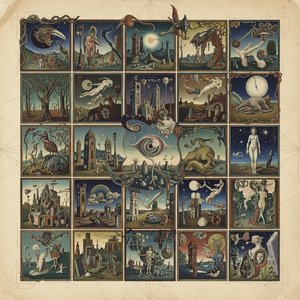
Exploration du subconscient : Les 25 chefs-d'œuvre de Max Ernst
Plongez dans l'univers surréaliste de Max Ernst et ses 25 chefs-d'œuvre. Explorez la collection complète sur TopImpressionists.com.

Reproductions d'Art : Exploration des Médiums Disponibles – Peinture à l'Huile, Impression sur Toile de Coton et Impressions Encadrées
: Reproductions d'art de qualité muséale (peinture à l'huile, impressions sur toile). Personnalisation & livraison mondiale. Idéal pour décorateurs et amateurs d'art exigeants.

L'Héritage Durable de la Peinture à l'Huile Réalisée à la Main : Valeur Esthétique, Longévité et Résonance Émotionnelle
Découvrez l'héritage durable de la peinture à l'huile réalisée à la main. Expertise en conservation, restauration et achat d'œuvres uniques. Investissez dans un art authentique et intemporel.
Explorez des œuvres d'art classées par thèmes, styles et caractéristiques.


