


 Aperçu en situation
 Envoyer
 Partager
 Détails de l'œuvre
 Guide
Guide

 Télécharger l'image
 Articles similaires
 Radiographie
 Diaporama
 Statistiques
Antibes


Pierre-Auguste Renoir célèbre son impressionnisme avec « Antibes », une peinture captivante de la ville française et de ses paysages lumineux. Découvrez l'œuvre maîtresse !
 Lire la suite
Explorez le monde vibrant de Pierre-Auguste Renoir (1841-1919), un peintre impressionniste majeur, célébré pour ses portraits lumineux, scènes de vie parisienne et la beauté féminine. Découvrez son héritage et les contributions artistiques de sa famille.
Giclées et impressions d'art
Impressions giclées ou sur toile de qualité musée, avec une production rapide et des finitions au choix. ( Commander la reproduction peinte à la main Passer au format numérique)




P118B €10

P118H €10

P118W €10

P438Z €10

P508JH €12

P508YH €12

P805H €10

P805Z €10

P919BZ €10

P919G €10

P919XJ €10

P959ZH €10

P968JZ €12

W106C €8

W218G €10

W218JH €8

W218Y €10

W307PJ €10

W316G €10

W316PJ €8

W316Y €10

W398PJ €8

W4111J €10

W500HY €15

W500JH €15

W692G €12

W849H €8

W940BG €15

W953PJ €8




Format standard
sur mesure
CM
INCH
Choisissez parmi nos formats prédéfinis qui respectent les proportions originales de l’œuvre.
Loading sizes...

largeur
hauteur
Saisissez la largeur et la hauteur souhaitées pour qu'elles s'adaptent à votre cadre ou à votre mur. Une impression peut être recadrée, mais jamais agrandie au-delà de l'image originale ; ainsi, un format de forme différente entraînera la perte d'une partie de l'image. Nous vous envoyons une maquette numérique pour approbation avant toute impression. L'image présentée sur cette page ne montre pas le recadrage réel — seule la maquette le permet.
Livraison dans le monde entier () en 2 semaines au lieu des 4/5 semaines habituelles. (25 octobre)

Livraison express gratuite dans le monde entier

Toile de lin de qualité supérieure

Assurance transport complète

Garantie de remboursement des droits de douane

Garantie de fidélité des couleurs

Politique de retour de 100 jours (uniquement en cas de défaut)

Garantie de remboursement à 100%

Offre de tarifs dégressifs
 L'option verre n'est disponible que pour les dimensions inférieures à 110 cm.

Antibes
Giclées et impressions d'art
Format de la reproduction
-


Prix total
€ 61
Une Symphonie de Lumière et de Sérénité Méditerranéenne
À l'âge d'or de la Belle Époque, peu d'artistes possédaient la capacité de traduire la danse éphémère de la lumière solaire en pigments permanents avec autant de maestria que Pierre-Auguste Renoir. Son chef-d'œuvre de 1893, Antibes, s'offre comme une fenêtre à couper le souffle sur l'âme de la Riviera française, capturant bien plus qu'une simple situation géographique. Cette œuvre est une incarnation exquise de l'Impressionnisme, un mouvement que Renoir a aidé à définir en privilégiant l'expérience sensorielle d'un instant plutôt que les contraintes rigides du réalisme photographique. En contemplant cette toile, on ne regarde pas simplement un paysage ; on est invité à ressentir la chaleur du soleil provençal et à entendre le bruissement discret des oliviers oscillant sous une douce brise côtière.
Le tableau présente une composition luxuriante et étagée qui guide le spectateur à travers un paysage onirique et tranquille de la Méditerranée. Au premier plan, un affleurement rocheux escarpé et un mur de pierre patiné par le temps apportent une présence tactile et ancrée, leurs surfaces étant texturées par les coups de pinceau fragmentés caractéristiques de Renoir. Ces touches ne sont pas de simples marques de peinture, mais des couches délibérées de vert, de jaune et d'ocre conçues pour simuler la façon dont la lumière filtre à travers un feuillage dense. Cette technique crée un effet miroitant, où la lumière tamisée semble se déplacer sur les pierres moussues et les feuilles verdoyantes, imprégnant le paysage inanimé d'une vie vibrante et respirante.
L'Art de la Technique Impressionniste et de l'Atmosphère
La prouesse technique de Renoir est plus évidente encore dans sa maîtrise de la lumière et de l'atmosphère. Plutôt que d'utiliser des contours tranchants, il emploie des bords adoucis et une palette lumineuse pour fusionner les éléments de la nature en une expérience émotionnelle cohérente. Les montagnes lointaines et la surface scintillante de l'eau — peut-être un lac serein ou une petite crique marine — sont rendues avec une qualité brumeuse et éthérée qui suggère la profondeur et une distance infinie. Cette perspective atmosphérique crée un sentiment de paix profonde, attirant le regard vers l'horizon où le ciel rencontre la terre dans une étreinte douce et baignée de soleil.
Au-delà du paysage lui-même, l'inclusion de silhouettes éparpillées ajoute une couche narrative poignante à l'œuvre. Ces personnages délicatement représentés, semblant capturés dans un moment de loisir ou lors d'un pique-nique paisible, infusent la scène d'un sentiment de connexion humaine et de la joie de la vie quotidienne. Renoir capture les textures de leurs vêtements et l'éclat doux de la peau avec une tendresse qui reflète son affection profonde pour la beauté de la forme humaine et les plaisirs simples de l'existence. Cette présence humaine subtile empêche le paysage de paraître désolé, en faisant plutôt un sanctuaire invitant à la contemplation et au repos.
Un Ajout Intemporel à un Intérieur Sophistiqué
Pour le collectionneur d'art averti ou le décorateur d'intérieur, une reproduction de haute qualité d'Antibes offre bien plus qu'un simple attrait esthétique ; elle constitue une ancre émotionnelle pour une pièce. L'équilibre harmonieux du tableau entre les tons terreux chauds et les bleus méditerranéens frais en fait un élément central polyvalent, capable de sublimer divers styles de décoration, de l'élégance classique française au chic côtier moderne. Il possède cette rare capacité de transformer un espace, de l'imprégner d'un sentiment de grandeur historique et d'une énergie tranquille et lumineuse.
Posséder une œuvre qui évoque l'esprit de Renoir est un investissement dans l'atmosphère même d'un lieu. Qu'elle soit placée dans un salon baigné de soleil ou dans un bureau calme, cette œuvre d'art sert de rappel constant de la beauté trouvée dans les instants fugaces. C'est une célébration de la lumière, un hommage au paysage français et une invitation intemporelle à s'attarder dans la chaleur d'un éternel après-midi doré.
Questions et réponses
Comment les couleurs de «Antibes» de Pierre-Auguste Renoir traduisent-elles l'émotion qui s'en dégage ?
«Antibes» de Pierre-Auguste Renoir allie une palette Tons neutres à un ton Serein.
Où peut-on acheter des reproductions peintes à la main de «Antibes» de Pierre-Auguste Renoir ?
Vous pouvez commander une reproduction peinte à la main de «Antibes» de Pierre-Auguste Renoir directement sur sa page Reproduction peinte à la main : une reproduction à l'huile peinte à la main sur toile de lin, réalisée sur commande.
Les couleurs de « Antibes » paraissent-elles vives ou douces ?
«Antibes» de Pierre-Auguste Renoir présente une intensité de couleur Équilibré.
Œuvres similaires


Biographie de l'artiste
jeunesse et carrière
pierre-auguste renoir, un artiste français essentiel, est né le 25 février 1841 à Limoges, en France. Il a joué un rôle crucial dans la formation du mouvement impressionniste, réputé pour sa lumière vibrante et ses couleurs saturées. L'œuvre de Renoir célébrait la beauté, en particulier la sensualité féminine, le plaçant dans une lignée d'artistes allant de Rubens à Watteau.héritage artistique
L'héritage de Renoir s'est étendu au-delà de ses toiles, en tant que patriarche d'une famille où l'art prospérait sous diverses formes. Ses enfants, pierre renoir (1885–1952), le cinéaste jean renoir (1894–1979) et l'artiste céramiste claude renoir (1901–1969), ont chacun apporté des contributions significatives dans leurs domaines respectifs. Son petit-fils, le cinéaste claude renoir (1913–1993), a davantage fait progresser l'héritage artistique de la famille.œuvres notables et musées
* la danse à Bougival, une peinture notable de Renoir, illustre sa maîtrise de la capture de l'essence de l'art impressionniste. * Le musée des collettes, situé à Cagnes-sur-Mer, en France, est une destination incontournable pour les amateurs d'art. Ce musée, autrefois la maison de pierre-auguste renoir, témoigne de sa vie et de son œuvre, abritant quinze de ses peintures. * Le musée maurice denis, une autre perle cachée en France, présente une impressionnante collection de peintures post-impressionnistes françaises du XIXe et début du XXe siècle.explorez l'art de Renoir avec TopImpressionists
- découvrez le charme du musée des collettes (France) et de son art impressionniste sur TopImpressionists : [https://TopImpressionists.com/@@/a@d3aupf](https://TopImpressionists.com/@@/a@d3aupf)
- explorez les merveilles du musée maurice denis (France) avec TopImpressionists : /fr/art/show/art-d3aue3-fr/
- visualisez les peintures de Renoir, y compris la danse à Bougival, sur TopImpressionists : [https://TopImpressionists.com/@/pierre-auguste renoir](https://TopImpressionists.com/@/pierre-auguste%20renoir)

Pierre-Auguste Renoir
1841 - 1919 , France
L'essentiel de l'artiste
- Artistes Influents:
- Rubens
- Watteau
- Camille Pissarro
- Édouard Manet
- Date De Décès: 3 décembre 1919
- Date De Naissance: 25 février 1841
- Influences Artistiques:
- Impressionnisme
- Post-impressionnisme
- Lieu De Naissance: Limoges, France
- Mouvement Artistique: Impressionnisme
- Nationalité: Française
- Nom Complet: Pierre-Auguste Renoir
- Oeuvres Notables:
- La Danse à Bougival
- Le Déjeuner des canotiers
- Bal au moulin de la Galette
- Après le bain
Articles connexes

The Beauty of Impermanence: Capturing Decay through Impressionist Eyes
Explore the profound beauty of impermanence through Impressionist and Post-Impressionist eyes. Discover how masters like Monet and Van Gogh captured fleeting light and the poetic essence of nature's transitions in our deep dive into art history and emotional landscapes.

Beyond the Light: Capturing Raw Emotion and Subjective Vision in Post-Impressionist Landscapes
Explore the profound emotional depth of Post-Impressionist landscapes. Discover how masters like Van Gogh moved beyond light to capture raw human feeling through vibrant color and expressive texture in this expert art history retrospective.
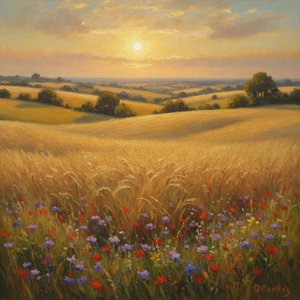
Golden Fields & Sun-Drenched Meadows: Capturing the Soul of Impressionist Landscapes
Immerse yourself in the luminous world of Impressionist landscapes. Discover how masters like Monet and Gauguin captured ephemeral light through plein air painting, and learn to bring the soul of sun-drenched meadows into your home with exquisite, hand-painted oil reproductions.

10 chefs-d'œuvre impressionnistes qui ont révolutionné l'art
Plongez dans la lumière de l'impressionnisme. De Monet à Renoir, explorez 10 chefs-d'œuvre iconiques et trouvez l'inspiration pour votre décor avec nos reproductions d'art de qualité musée. Explorez la collection complète sur TopImpressionists.com.

Capturing the Soul: The Most Emotionally Moving Impressionist and Post-Impressionist Masterpieces
Discover the profound emotional depth of Impressionist and Post-Impressionist masterpieces. Explore how legends like Monet, Van Gogh, and Gauguin captured light and soul through evocative landscapes and vibrant brushwork for a timeless connection to art history.
Explorez des œuvres d'art classées par thèmes, styles et caractéristiques.


