

प्रदर्शित: · फ्रेम सहित:
 साझा करें
 साझा करें
 विस्तृत विवरण
 मार्गदर्शिका

 डाउनलोड करें
 समान वस्तुएं
 स्लाइड शो देखें
 प्रश्न और उत्तर
 आंकड़े


₹ 26047
हस्तनिर्मित ऑयल रिप्रोडक्शन
आपके आकार और फ्रेम के अनुसार कैनवास पर हाथ से बनी ऑयल पेंटिंग, हमारे कलाकारों द्वारा विशेष रूप से ऑर्डर पर तैयार। ( प्रिंट विकल्प पर स्विच करें डिजिटल इमेज पर स्विच करें)
आकार
·मानक
कस्टम
CM
INCH
कलाकृति के मूल अनुपात से मेल खाने वाले हमारे पूर्व निर्धारित आकारों में से चुनें।
आकार लोड हो रहे हैं...

चौड़ाई
ऊँचाई
अपने फ्रेम या अपनी दीवार के अनुसार आवश्यक चौड़ाई और ऊंचाई दर्ज करें। यह हाथ से पेंट किया गया है, इसलिए अलग आकार के लिए कलाकार चित्र के चारों ओर थोड़ा अधिक पेंट कर सकता है, या थोड़ा काट सकता है — चुनाव आपका है। पेंटिंग शुरू होने से पहले हम आपकी स्वीकृति के लिए एक डिजिटल मॉकअप भेजते हैं। इस पृष्ठ पर दिखाई गई तस्वीर वास्तविक परिणाम नहीं दिखाती है — केवल मॉकअप ही वास्तविक रूप दिखाता है।
 अधिक जानकारी पढ़ें
समाप्त करें
·
सफेद किनारे ₹1

धुंधला किनारा ₹1

विस्तारित ₹1

P118B ₹10

P118H ₹10

P118W ₹10

P438Z ₹10

P508JH ₹12

P508YH ₹12

P805H ₹10

P805Z ₹10

P919BZ ₹10

P919G ₹10

P919XJ ₹10

P959ZH ₹10

P968JZ ₹12

W106C ₹8

W218G ₹10

W218JH ₹8

W218Y ₹10

W307PJ ₹10

W316G ₹10

W316PJ ₹8

W316Y ₹10

W398PJ ₹8

W4111J ₹10

W500HY ₹15

W500JH ₹15

W692G ₹12

W849H ₹8

W940BG ₹15

W953PJ ₹8

H24-GOLD ₹30

H24-SILVER ₹30

H36-GOLD ₹45

H36-SILVER ₹45
एक सुरक्षात्मक ट्यूब में भेजा जाता है, जिसे आप अपने पसंद के फ्रेम में लगवा सकते हैं।
अतिरिक्त सेवाएँ
वैकल्पिकएक्स्ट्रा में क्या शामिल है?
क्या बदला जा सकता है उसके उदाहरण: चेहरे को ग्राहक की फोटो से बदलें; पालतू जानवर जोड़ें (जैसे, बिल्ली की जगह कुत्ता); बैकग्राउंड में छिपा हुआ संदेश शामिल करें; बैकग्राउंड का परिदृश्य या तत्व बदलें।
ऑर्डर के बाद, TopImpressionists.com टीम निर्देशों के लिए क्लाइंट को ईमेल करेगी और एक मॉकअप प्रीव्यू प्रदान करेगी
ऑर्डर के बाद, TopImpressionists.com टीम निर्देशों के लिए क्लाइंट को ईमेल करेगी और एक मॉकअप प्रीव्यू प्रदान करेगी
विश्वव्यापी वितरण () मानक 5 सप्ताह के बजाय मात्र 3/4 सप्ताह में। (8 नवमबर)। गुणवत्ता से कोई समझौता नहीं।
सुरक्षात्मक वार्निश
नामपट्टिका
उत्कीर्ण कांस्य पट्टिका का विवरण
This elegant plaque features the artist's name and the title of the artwork, finely engraved for a timeless presentation.
It is made from bronze with a refined, elegant finish. The text is precisely laser-engraved for a sharp and permanent result. Measuring 9x2 cm, the plaque is compact yet easy to read. It's built to be durable and scratch-resistant, offering a professional, museum-quality look. Mounting is simple thanks to the included adhesive backing.
पारदर्शी ऐक्रेलिक पट्टिका का विवरण
The plaque includes essential engraved details such as the artist's name, the title of the artwork, the date it was created, the type of media used-like oil on canvas or watercolor-a brief description of the piece, and a QR code that links to the complete artwork information.
It is crafted from clear acrylic, offering a sleek, modern appearance. The text is UV-engraved in black to ensure strong visual contrast. With a size of 10x15 cm, it ensures optimal readability. It comes equipped with two metal hooks for secure wall mounting. The plaque is designed to be weather-resistant, making it suitable for various environments, and it includes interactive features that work seamlessly with smartphone scanning.
काले ऐक्रेलिक पट्टिका का विवरण
This elegant plaque includes engraved information such as the artist's name, the title of the artwork, the date it was created, the type of media used (like oil on canvas or watercolor), a short description of the artwork, and a QR code for quick access to more information.
The plaque itself is made from refined black acrylic with a premium finish. The text is laser-engraved in white for high contrast and readability. Its size is 10x15 cm, designed to be easy to read. It comes with two metal hooks for professional mounting. The design is sleek and fits any interior style. It is also weather-resistant and durable, with built-in digital integration for mobile compatibility.
ग्लास का विकल्प केवल 110 सेमी से कम आकार में ही उपलब्ध है।
 ग्लास का विकल्प केवल 110 सेमी से कम आकार में ही उपलब्ध है।
- दुनिया भर में मुफ़्त एक्सप्रेस शिपिंग
- उच्च गुणवत्ता वाला लिनेन कैनवास
- पूर्ण शिपिंग बीमा
- सीमा शुल्क और आयात कर वापसी की गारंटी
- सटीक रंग मिलान की गारंटी
- 100 दिनों की वापसी नीति (केवल दोष होने पर)
- 100% पैसे वापसी की गारंटी
- थोक छूट का अवसर


संग्रहणीय वस्तु का विवरण
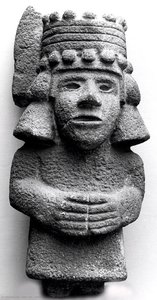
This detailed analysis delves into the artistic elements of ‘Figure,’ an Aztec sculpture carved from basalt. Examining composition, color palette, line & shape usage, texture, lighting, perspective, and subject matter reveals profound insights into Aztec culture and religious beliefs.
कलाकार की जीवनी
एज़्टेक साम्राज्य की अद्भुत कला का अन्वेषण करें! उनकी समृद्ध संस्कृति और धार्मिक विश्वासों को दर्शाती जटिल मूर्तियां, जीवंत संहिताएं और प्रतीकात्मक मोज़ाइक खोजें। #AztecArt #Mexico
पेंटिंग के बारे में
The Silent Majesty of Aztec Form
Before you stands an echo from a civilization whose very name whispers tales of empire and profound spiritual depth: the magnificent "Figure" sculpture. Carved from enduring stone, this piece is not merely an object of antiquity; it is a frozen moment of sacred contemplation. The overall impression is one of solemn power, a tangible connection to the sophisticated worldview of the Aztec people who flourished in the heart of Mesoamerica. Observe how the artist has captured a posture that speaks volumes—the figure stands upright, arms crossed in a gesture that suggests both readiness and profound inner peace. The entire composition draws the eye into the intricate details of the headdress and the stylized contours of the body, inviting the viewer to contemplate the weight of history held within its cool, granular surface.
Craftsmanship in Stone: Technique and Texture
The mastery evident in this work is breathtaking. The technique employed is one of subtractive carving, a process demanding immense skill where material is meticulously removed until only the intended form remains. The stone itself—likely basalt or a similar dense volcanic rock—lends the piece an inherent gravitas. Notice the interplay between the strong vertical lines defining the elongated silhouette and the sharp, angular geometry dominating the elaborate headdress. These geometric elements are not arbitrary; they speak to a highly ordered cosmology. Despite the apparent roughness of the stone's texture, which speaks to its age, the execution reveals a sophisticated understanding of form and negative space. The diffused lighting captured in the photograph accentuates this textural richness, allowing us to appreciate every subtle variation in the stone’s grain.
Symbolism Woven into Form
To view this sculpture is to engage with a complex symbolic language. The subject matter points toward a deity or an individual of immense cultural importance within the Aztec pantheon. Every stylized feature, from the ornamentation crowning the head to the dignified set of the shoulders, carries potential meaning related to cosmology, ritual life, and the relationship between humanity and the divine. The solemnity emanating from the piece suggests themes of cyclical time, sacrifice, and enduring belief systems. It is a powerful meditation on order versus chaos, rendered in unyielding stone.
Bringing Ancient Power Home
For the collector or designer seeking an artifact that transcends mere decoration, this reproduction offers unparalleled depth. Imagine this silent majesty gracing your space; it does more than fill a niche—it anchors a room with historical resonance and spiritual weight. While its origins date back to the tumultuous era around 1521, owning a high-quality rendition allows you to curate an atmosphere steeped in exotic grandeur and profound cultural narrative. It serves as a constant, quiet reminder of human ingenuity and the enduring power of belief.
प्रश्न और उत्तर
क्या मैं "Figure" को फुल-स्क्रीन स्लाइडशो के रूप में देख सकता हूँ?
"Figure" का स्लाइडशो कलाकृति के स्लाइडशो पेज पर देखा जा सकता है।
इस तिथि को देखते हुए, "Figure" एज़्टेक साम्राज्य के करियर के किस चरण में आता है?
"Figure", जिसका निर्माण 1521 में किया गया था, एज़्टेक साम्राज्य के करियर के Classic Style काल का हिस्सा है।
एज़्टेक साम्राज्य द्वारा "Figure" की विशेषता बताने वाली तकनीक और शैली क्या है?
एज़्टेक साम्राज्य द्वारा "Figure", Stone तकनीक और Aztec Art शैली का एक अनूठा संगम है। तकनीक और आंदोलन कलाकृति के निर्माण और उसकी शैली को परिभाषित करते हैं।
त्वरित तथ्य और कला प्रश्नोत्तरी
एज़्टेक साम्राज्य के बारे में

एज़्टेक साम्राज्य
1300 - 1521, मेक्सिको
कलाकार की जीवनी
पत्थर की गूँज: एज़्टेक साम्राज्य की कला और विरासत का अन्वेषण
“एज़्टेक” नाम – जो नहुआत्ल शब्द *ātl-ce-tlācati–tlān* से लिया गया है, जिसका अर्थ है "कई रूपों के लोग" – एक विशाल, जटिल साम्राज्य की छवियों को मन में लाता है जिसने सदियों तक मेसोअमेरिका पर शासन किया। केवल योद्धा और विजेता नहीं थे, एज़्टेक गहन रूप से कलात्मक व्यक्ति थे, जिन्होंने अपने जीवन के हर पहलू में जटिल सुंदरता बुनी—विशाल वास्तुकला से लेकर नाजुक पंख के काम तक, पवित्र अनुष्ठानों से लेकर दैनिक वस्तुओं तक। उनकी कला महज़ सजावटी नहीं थी; यह एक जीवंत भाषा थी, जो धार्मिक विश्वासों, राजनीतिक शक्ति, ऐतिहासिक आख्यानों और सामाजिक पदानुक्रम को एक ऐसे समाज के भीतर संप्रेषित करती थी जो कठोर रूप से संरचित होने के साथ-साथ उल्लेखनीय रूप से नवीन भी था।
एज़्टेक साम्राज्य के हृदय, टेनोचटिट्लान में 14वीं शताब्दी की शुरुआत में जन्मे एज़्टेक की कलात्मक परंपराएं पूर्व मेसोअमेरिकन सभ्यताओं की विरासत में गहराई से निहित थीं। ओल्मेक, अपने विशाल सिरों और परिष्कृत कैलेंडर प्रणालियों के साथ; तियोतिहुआकान, जो अपने विशाल पिरामिडों और शहरी नियोजन के लिए प्रसिद्ध थे; और टोलटेक, धातु कार्य और मूर्तिकला के उस्ताद, सभी ने उस समृद्ध कलात्मक ताने-बाने में योगदान दिया जो एज़्टेक ने विरासत में पाया। हालांकि, एज़्टेक केवल नकलची नहीं थे; उन्होंने इन प्रभावों को अपनी अनूठी सौंदर्य संवेदनाओं के साथ संश्लेषित किया, जिससे एक विशिष्ट शैली विकसित हुई जिसकी विशेषता बोल्ड रंग, जटिल ज्यामितीय पैटर्न और प्रतीकात्मक प्रतिनिधित्व थे।
शक्ति की रंगत: सामग्री और तकनीक
एज़्टेक कला उल्लेखनीय रूप से विविध थी, जिसमें सामग्रियों और तकनीकों की आश्चर्यजनक श्रृंखला का उपयोग किया गया था। पत्थर की नक्काशी ने एक प्रमुख स्थान रखा, जिसका उदाहरण देवताओं, शासकों और पौराणिक प्राणियों को दर्शाती विशाल मूर्तियां हैं। 1946 में खोजा गया विशाल सूर्य पत्थर (कैलेंडर स्टोन), इस माध्यम पर उनकी महारत का प्रमाण है—एक जटिल, स्तरित पत्थर का राहत जो कैलेंडर संबंधी जानकारी को ब्रह्मांडीय प्रतीकवाद के साथ जोड़ता था। कुशल कारीगरों ने लकड़ी, मिट्टी, पंखों – विशेष रूप से चमकीले क्वेटज़ल पंखों – जेड, फ़िरोज़ा, ऑब्सीडियन और सोने के साथ भी काम किया, जो धन और स्थिति दोनों को दर्शाता है।
पंख का काम शायद एज़्टेक कला का सबसे दृष्टिगत रूप से आकर्षक पहलू था। जटिल रूप से तैयार किए गए मुकुट, लबादे, ढाल और अन्य सजावटी वस्तुओं को हजारों सावधानीपूर्वक व्यवस्थित पंखों का उपयोग करके बनाया जाता था—एक प्रक्रिया जिसके लिए अपार कौशल और धैर्य की आवश्यकता होती थी। ये वस्तुएं केवल सुंदर नहीं थीं; वे अधिकार, धार्मिक भक्ति और सामाजिक रैंक के शक्तिशाली प्रतीक के रूप में कार्य करती थीं। रंगों का अपने आप में विशिष्ट अर्थ होता था: नीला आकाश का प्रतिनिधित्व करता था, हरा उर्वरता का प्रतीक था, लाल युद्ध का संकेत देता था, और पीला सूर्य का प्रतिनिधित्व करता था।
इसके अलावा, एज़्टेक कलाकार मोज़ाइक कार्य के उस्ताद थे, जो छोटे, सटीक रूप से कटे पत्थर के टाइलों का उपयोग करके आश्चर्यजनक सजावटी पैनल बनाते थे। इन मोज़ाइकों ने मंदिरों, महलों और निजी आवासों को सजाया, जिससे निर्मित वातावरण में दृश्य समृद्धि की एक परत जुड़ गई। उनकी मिट्टी के बर्तन भी उतने ही प्रभावशाली थे, जिनमें जटिल ज्यामितीय डिजाइन और जानवरों तथा देवताओं के चित्रण थे।
प्रतीकों की भाषा: विषय और रूपांकन
एज़्टेक कला प्रतीकवाद से भरी हुई है, प्रत्येक छवि अर्थ की परतों को वहन करती है जिसके लिए पुजारियों, लेखकों और शासकों द्वारा सावधानीपूर्वक व्याख्या की आवश्यकता होती थी। केंद्रीय देवता, युद्ध और सूर्य के देवता हुइट्ज़िलोपोचटली, को अक्सर पंखों और कीमती पत्थरों से सजे अलंकृत मुकुटों में दर्शाया जाता था। क्वेटज़लकोट्ल, ज्ञान, बुद्धि और सृष्टि से जुड़ा पंख वाला सर्प देवता, उनके पन्थ में एक प्रमुख स्थान रखता था और कई कलात्मक प्रस्तुतियों में दिखाई देता था।
कैलेंडर प्रणाली—सौर और अनुष्ठानिक चक्रों का एक उल्लेखनीय परिष्कृत संयोजन—एक और आवर्ती रूपांकन थी। कैलेंडर, वर्णमाला (glyphs), और खगोलीय प्रतीकों की छवियां मूर्तियों, मोज़ाइक और कोडीसेस (चित्रित पुस्तकें) में शामिल की जाती थीं, जो समय और ब्रह्मांड विज्ञान की एज़्टेक की गहरी समझ को दर्शाती थीं। मक्का के चित्रण, उनके आहार की मुख्य फसल, ने पोषण और उर्वरता का प्रतीकवाद किया। पशु आकृतियाँ—विशेष रूप से जगुआर, चील, साँप और हमिंगबर्ड—शक्ति, साहस और दिव्यता से संबंधित प्रतीकात्मक महत्व रखती थीं।
टुकड़ों में एक विरासत: कला और ऐतिहासिक महत्व
1521 में स्पेनिश विजेताओं के हाथों एज़्टेक साम्राज्य का अचानक पतन मेसोअमेरिकन संस्कृति के लिए विनाशकारी नुकसान था। दुख की बात है कि उनके कलात्मक विरासत का बहुत कुछ विजय के दौरान नष्ट हो गया—मंदिरों को ध्वस्त कर दिया गया, मूर्तियों को तोड़ दिया गया, और कोडीसेस जला दिए गए। हालांकि, इन नुकसानों के बावजूद, एज़्टेक कला के टुकड़े आज भी जीवित हैं, जो इस उल्लेखनीय सभ्यता में अमूल्य अंतर्दृष्टि प्रदान करते हैं।
प्रमुख उदाहरणों में सूर्य पत्थर शामिल है, एक विशाल मूर्ति जो खगोल विज्ञान और गणित का एज़्टेक के उन्नत ज्ञान को प्रदर्शित करती है; दुनिया भर के संग्रहालयों में संरक्षित जटिल पंख के काम वाले मुकुट और लबादे; और जीवित कोडीसेस—ऐतिहासिक खातों, धार्मिक विश्वासों और कैलेंडर संबंधी जानकारी वाली हस्तलिखित किताबें। मेक्सिको में *कोलेक्शियोन एंड्रेस ब्लाइस्टन* में लैटिन अमेरिकी कला का एक महत्वपूर्ण संग्रह है, जिसमें एज़्टेक कलात्मक परंपराओं को रोशन करने वाले उदाहरण शामिल हैं।
एज़्टेक साम्राज्य की कलात्मक विरासत का प्रभाव आज भी देखा जा सकता है, जो समकालीन कलाकारों और डिजाइनरों दोनों को प्रेरित करता है। उनकी नवीन तकनीकें, प्रतीकात्मक चित्रकला, और प्रकृति के साथ गहरा जुड़ाव दुनिया भर के दर्शकों के साथ गूंजता रहता है। एज़्टेक की कला का पता लगाना केवल ऐतिहासिक प्रशंसा का अभ्यास नहीं है; यह एक जटिल और मनमोहक सभ्यता के हृदय में एक यात्रा है—मानव रचनात्मकता, सरलता और आध्यात्मिक गहराई का प्रमाण।
एज़्टेक साम्राज्य और अन्य उल्लेखनीय कलाकारों से अधिक कलाकृतियों का पता लगाने के लिए, TopImpressionists.com पर जाएँ।
एज़्टेक साम्राज्य के बारे में कुछ खास बातें
- Artistic Movement Or Style: मेसोअमेरिकन कला
- Artists Or Movements Influenced By This Artist: ['आधुनिक कला']
- Artists Who Influenced This Artist:
- ओल्मेक
- तेओतिहुआकान
- टोलटेक
- Date Of Birth: 1300 (टेनोच्टिट्लान)
- Date Of Death: 1521
- Full Name: एज़्टेक साम्राज्य
- Nationality: मैक्सिकन
- Notable Artworks:
- एज़्टेक कैलेंडर
- सूर्य का पिरामिड
- मेक्सिका पंख का काम
- Place Of Birth: टेनोच्टिट्लान, मेक्सिको
एज़्टेक साम्राज्य
Figure
() ·
फ्रेम सहित: · लिनन पर तेल के रंगों से हाथ से पेंट किया गया
कुल योग