एटेलियर — दुनिया भर में निःशुल्क शिपिंग — डिलीवरी का समय: 2–6 सप्ताह
      पूर्वावलोकन देखें AR में प्रीव्यू देखें प्रिंट विकल्प पर जाएँ डिजिटल इमेज पर जाएँ भेजें
      विवरण देखें मार्गदर्शिका पसंदीदा में जोड़ें डाउनलोड करें समान वस्तुएं एक्स-रे स्लाइड शो देखें आंकड़े

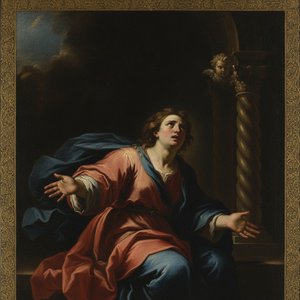
      the fortune teller

      Michelangelo Merisi's 'The Fortune Teller' (1599) captivates with Caravaggio’s dramatic chiaroscuro, depicting a Romani woman predicting the young man's fate – a masterpiece of illusion and deception.

      कारावागियो (1571-1610): बारोक कला के यथार्थवादी स्वामी! नाटकीय धार्मिक दृश्य, तीव्र कायरोस्कुरो और एक क्रांतिकारी शैली जिसने रुबेंस और रेम्ब्रांट को प्रभावित किया। छाया और प्रकाश का अद्भुत संगम!

      हस्तनिर्मित ऑयल रिप्रोडक्शन

      आपके आकार और फ्रेम के अनुसार कैनवास पर हाथ से बनी ऑयल पेंटिंग, हमारे कलाकारों द्वारा विशेष रूप से ऑर्डर पर तैयार। ( प्रिंट विकल्प पर जाएँ डिजिटल इमेज पर जाएँ)

      Corner sample of the P118B picture frame: moulded polystyrene, 5 cm wide and 3 cm thick
      P118B 10
      Corner sample of the P118H picture frame: moulded polystyrene, 5 cm wide and 3 cm thick
      P118H 10
      Corner sample of the P118W picture frame: moulded polystyrene, 5 cm wide and 3 cm thick
      P118W 10
      Corner sample of the P438Z picture frame: moulded polystyrene, 5.5 cm wide and 3.5 cm thick
      P438Z 10
      Corner sample of the P508JH picture frame: moulded polystyrene, 7 cm wide and 3.5 cm thick
      P508JH 12
      Corner sample of the P508YH picture frame: moulded polystyrene, 7 cm wide and 3.5 cm thick
      P508YH 12
      Corner sample of the P805H picture frame: moulded polystyrene, 5 cm wide and 3.5 cm thick
      P805H 10
      Corner sample of the P805Z picture frame: moulded polystyrene, 5 cm wide and 3.5 cm thick
      P805Z 10
      Corner sample of the P919BZ picture frame: moulded polystyrene, 7 cm wide and 3.5 cm thick
      P919BZ 10
      Corner sample of the P919G picture frame: moulded polystyrene, 7 cm wide and 3.5 cm thick
      P919G 10
      Corner sample of the P919XJ picture frame: moulded polystyrene, 7 cm wide and 3.5 cm thick
      P919XJ 10
      Corner sample of the P959ZH picture frame: moulded polystyrene, 5 cm wide and 3 cm thick
      P959ZH 10
      Corner sample of the P968JZ picture frame: moulded polystyrene, 6 cm wide and 4 cm thick
      P968JZ 12
      Corner sample of the W106C picture frame: solid wood, 5 cm wide and 3 cm thick
      W106C 8
      Corner sample of the W218G picture frame: solid wood, 5 cm wide and 3 cm thick
      W218G 10
      Corner sample of the W218JH picture frame: solid wood, 5 cm wide and 3 cm thick
      W218JH 8
      Corner sample of the W218Y picture frame: solid wood, 5 cm wide and 3 cm thick
      W218Y 10
      Corner sample of the W307PJ picture frame: solid wood, 6 cm wide and 3 cm thick
      W307PJ 10
      Corner sample of the W316G picture frame: solid wood, 6 cm wide and 3 cm thick
      W316G 10
      Corner sample of the W316PJ picture frame: solid wood, 6 cm wide and 3 cm thick
      W316PJ 8
      Corner sample of the W316Y picture frame: solid wood, 6 cm wide and 3 cm thick
      W316Y 10
      Corner sample of the W398PJ picture frame: solid wood, 5 cm wide and 3 cm thick
      W398PJ 8
      Corner sample of the W4111J picture frame: solid wood, 6.5 cm wide and 3.5 cm thick
      W4111J 10
      Corner sample of the W500HY picture frame: solid wood, 7 cm wide and 5 cm thick
      W500HY 15
      Corner sample of the W500JH picture frame: solid wood, 7 cm wide and 5 cm thick
      W500JH 15
      Corner sample of the W692G picture frame: solid wood, 8 cm wide and 4 cm thick
      W692G 12
      Corner sample of the W849H picture frame: solid wood, 5 cm wide and 3 cm thick
      W849H 8
      Corner sample of the W940BG picture frame: solid wood, 7.5 cm wide and 4.5 cm thick
      W940BG 15
      Corner sample of the W953PJ picture frame: solid wood, 6 cm wide and 3.5 cm thick
      W953PJ 8

      मानक आकार
      अनुकूलित
      CM
      INCH

      कलाकृति के मूल अनुपात से मेल खाने वाले हमारे पूर्व निर्धारित आकारों में से चुनें।

      चौड़ाई
      ऊँचाई

      आप किसी विशिष्ट फ्रेम या स्थान के अनुसार अपने स्वयं के आयाम (dimensions) दर्ज कर सकते हैं। यदि आपके द्वारा चुना गया आकार मूल छवि के अनुपात से मेल नहीं खाता है, तो हम कलाकृति को क्रॉप करेंगे या पेंटिंग में अतिरिक्त हाथ से चित्रित तत्व जोड़कर उसका विस्तार करेंगे। उत्पादन शुरू होने से पहले आपकी स्वीकृति के लिए एक डिजिटल मॉकअप भेजा जाएगा।
      कृपया ध्यान दें कि स्क्रीन पर दिखने वाला पूर्वावलोकन वास्तविक क्रॉपिंग या विस्तार को नहीं दर्शाता है। केवल मॉकअप ही अंतिम रचना को सटीक रूप से दिखाएगा।
      यद्यपि कस्टम आकार उपलब्ध हैं, फिर भी हम मूल अनुपात बनाए रखने के लिए पूर्व-निर्धारित सूची से आयाम चुनने की सलाह देते हैं।

      बदलाव के कुछ उदाहरण: चेहरे को ग्राहक की फोटो से बदलें; पालतू जानवर जोड़ें (जैसे बिल्ली की जगह कुत्ता); बैकग्राउंड में कोई छिपा हुआ संदेश शामिल करें; बैकग्राउंड का परिदृश्य या तत्व बदलें।
      ऑर्डर देने के बाद, TopImpressionists.com टीम निर्देशों के लिए क्लाइंट को ईमेल करेगी और एक मॉकअप प्रीव्यू प्रदान करेगी

      विश्वव्यापी वितरण () मानक 5 सप्ताह के बजाय मात्र 3/4 सप्ताह में। (10 अक्टूबर)। गुणवत्ता से कोई समझौता नहीं।

      दुनिया भर में मुफ़्त एक्सप्रेस शिपिंग
      प्रीमियम ग्रेड लिनेन कैनवास
      पूर्ण शिपिंग बीमा
      सीमा शुल्क और आयात कर वापसी की गारंटी
      सटीक रंग मिलान की गारंटी
      100 दिनों की वापसी नीति (केवल निर्माण दोष होने पर)
      100% पैसे वापसी की गारंटी
      थोक छूट का अवसर

      कुल कीमत

      ₹ 25698

      the fortune teller

      प्रतिकृति की सामग्री

      प्रतिकृति का आकार

      -

      कुल मूल्य

      ₹ 25698

      मुख्य विवरण

      • Artistic style: Realism, Dramatic
      • Title: The Fortune Teller
      • Location: Louvre, Paris
      • Influences: Caravaggio
      • Medium: Oil on canvas
      • Subject or theme: Fortune-telling, Deceit
      • Artist: Caravaggio

      कला प्रश्नोत्तरी

      प्रत्येक प्रश्न का केवल एक ही सही उत्तर है।

      प्रश्न 1:
      What is the primary subject depicted in Caravaggio’s ‘The Fortune Teller’?
      प्रश्न 2:
      Caravaggio is renowned for his use of which artistic technique?
      प्रश्न 3:
      The image description mentions the fortune teller’s clothing. What does this suggest about her social status?
      प्रश्न 4:
      Based on the image description, what is the young man’s reaction to the fortune teller?
      प्रश्न 5:
      Caravaggio’s ‘The Fortune Teller’ exemplifies which artistic movement?

      A Glimpse into the Soul: Caravaggio’s ‘The Fortune Teller’

      Michelangelo Merisi da Caravaggio, a name synonymous with dramatic intensity and revolutionary technique, gifted us with a series of paintings that continue to captivate centuries later. Among his most enigmatic and compelling works is “The Fortune Teller,” painted around 1599 – a piece that transcends mere portraiture, delving into themes of deception, desire, and the precarious nature of human perception. This isn’t simply a depiction of a Romani woman reading palms; it's a carefully constructed tableau brimming with psychological depth and masterful manipulation of light and shadow, hallmarks of Caravaggio’s distinctive style.

      The Fortune Teller by Caravaggio

      The Scene Unfolds: Narrative and Composition

      The painting immediately draws the viewer into a dimly lit, intimate space. A young man, dressed in opulent attire – a testament to his status – sits attentively before a Romani woman. Her face is partially obscured by shadow, yet her gaze is direct and alluring. The composition is remarkably balanced, with the figures occupying nearly equal visual weight. Crucially, Caravaggio doesn’t offer a straightforward narrative; instead, he presents a moment suspended in time, ripe with unspoken tension. The young man's expression suggests both fascination and perhaps a hint of apprehension. He’s clearly captivated by her presence, while the Romani woman maintains an air of studied nonchalance – a subtle suggestion that she is not merely dispensing prophecies but engaging in a carefully orchestrated game.

      A key element often overlooked is the detail within the scene: the young man's hand, partially visible, reveals a ring being deftly removed by the fortune teller. This seemingly minor gesture carries immense symbolic weight – representing a loss of material wealth and perhaps even innocence. It’s a visual metaphor for deception and the vulnerability inherent in succumbing to allure.

      Caravaggio’s Revolutionary Technique: Chiaroscuro and Drama

      What truly elevates “The Fortune Teller” is Caravaggio's unparalleled mastery of *chiaroscuro*, the dramatic contrast between light and dark. He employs a technique known as *tenebrism*, where deep shadows dominate the scene, intensifying the highlights and creating an almost theatrical effect. This isn’t merely about illumination; it’s about sculpting form and conveying emotion. The strong directional light focuses attention on the figures, isolating them from the background and amplifying their psychological drama. The use of a single, unseen light source – likely a window to the left – casts dramatic shafts that pierce through the darkness, highlighting faces and gestures with an almost divine intensity.

      Furthermore, Caravaggio’s approach to realism was groundbreaking for his time. He eschewed idealized representations in favor of portraying figures as they truly appeared—with imperfections, wrinkles, and a palpable sense of humanity. This commitment to naturalism is evident in the details of the Romani woman's clothing, her weathered face, and the young man’s youthful features.

      Historical Context and Symbolism

      “The Fortune Teller” emerged during a period of significant social and artistic change in Rome. Caravaggio was operating within the context of the Counter-Reformation, a time when the Catholic Church sought to reaffirm its authority through art that emphasized religious themes and moral instruction. However, Caravaggio’s work transcends simple didacticism; it explores complex human emotions and psychological states with remarkable subtlety. The Romani people, often viewed with suspicion and prejudice during this era, were frequently associated with fortune-telling and superstition. Caravaggio's depiction challenges these stereotypes, presenting them as enigmatic figures shrouded in mystery.

      The painting’s enduring appeal lies not only in its technical brilliance but also in its ability to provoke contemplation about the nature of truth, deception, and the seductive power of appearances. It remains a potent reminder of Caravaggio's genius – a master of light, shadow, and the human heart.

      प्रश्न और उत्तर

      "the fortune teller" का निर्माण किसने किया?

      "the fortune teller" का श्रेय कारावागियो को दिया जाता है।

      मैं कारावागियो द्वारा "the fortune teller" का प्रिंट कैसे प्राप्त कर सकता हूँ?

      "the fortune teller" कॉटन कैनवास या आर्काइवल कैनवास पेपर पर एक फाइन आर्ट प्रिंट के रूप में उपलब्ध है। ऑर्डर अपनी पसंद के आकार में यह पृष्ठ पर दिए जा सकते हैं।

      मैं कारावागियो द्वारा "the fortune teller" की डिजिटल इमेज कहाँ से खरीद सकता हूँ?

      कारावागियो द्वारा "the fortune teller" की डिजिटल छवि को यह पृष्ठ पर खरीदा जा सकता है: एक उच्च-रिज़ॉल्यूशन वाली डिजिटल इमेज डाउनलोड।

      होम डेकोर में कारावागियो द्वारा "the fortune teller" का उपयोग कैसे किया जा सकता है?

      कारावागियो द्वारा "the fortune teller" के लिए (Statement) का उपयोग और (Living Room) की जगह, ये दो सुझाव दिए गए हैं।

      कारावागियो द्वारा "the fortune teller" में कौन से रंग प्रमुख हैं?

      कारावागियो द्वारा "the fortune teller" की रंग पहचान: एक Earthy पैलेट, जिसमें Clay (#a06647) का प्रभुत्व है।

      मैं कारावागियो द्वारा "the fortune teller" की हाथ से बनी प्रतिकृति (hand-painted reproduction) कहाँ से खरीद सकता हूँ?

      "the fortune teller" लिनन कैनवास पर हाथ से पेंट किया गया एक ऑयल रिप्रोडक्शन के रूप में उपलब्ध है। विभिन्न आकारों के विकल्प के साथ ऑर्डर यह पृष्ठ पर दिया जा सकता है।

      क्या कारावागियो द्वारा "the fortune teller" के लिए कोई स्लाइडशो उपलब्ध है?

      एक स्लाइडशो उपलब्ध है: कारावागियो द्वारा "the fortune teller" का स्लाइडशो पेज।


      कलाकार का परिचय

      Michelangelo Merisi da Caravaggio: छाया और प्रकाश का एक जीवन

      कारवागियो, जिनका असली नाम मिचेलांजेलो मेरिसी दा कारवागियो था, 1571 में मिलान में जन्मे, पश्चिमी कला के इतिहास में एक अद्वितीय स्थान रखते हैं। उनका जीवन संघर्षों से भरा रहा, लेकिन उनकी कला ने Baroque शैली को हमेशा के लिए बदल दिया। प्रारंभिक जीवन में ही उन्हें कई कठिनाइयों का सामना करना पड़ा; जब वह केवल छह वर्ष के थे, तो प्लेग ने उनके पिता और दादाजी की जान ले ली थी। गरीबी में पले-बढ़े कारवागियो ने मानव पीड़ा और लचीलापन को करीब से देखा, जो बाद में उनकी कला में गहराई से प्रतिबिंबित हुआ। उन्होंने मिलान में सिमोन पीटरजानो के अधीन प्रशिक्षण प्राप्त किया, जिन्होंने टिटियन के शिष्य थे। इस शिक्षा ने उन्हें पुनर्जागरण तकनीकों की बुनियादी समझ प्रदान की, लेकिन जल्द ही उन्होंने पारंपरिक मानदंडों को चुनौती देने का साहस दिखाया। 1592 के आसपास रोम पहुंचने पर, कारवागियो ने अपनी कलात्मक पहचान स्थापित करने के लिए संघर्ष किया, लेकिन शहर की जीवंत कलात्मक और धार्मिक ऊर्जा ने उन्हें प्रेरित किया।

      कलात्मक क्रांति: तकनीक और शैली

      कारवागियो का रोम आगमन कला जगत में एक भूचाल जैसा साबित हुआ। उन्होंने प्रचलित Mannerist शैली को अस्वीकार कर दिया, जो कृत्रिम सुंदरता और लम्बे रूपों से चिह्नित थी, और इसके बजाय एक बेजोड़ यथार्थवाद अपनाया जिसने दर्शकों को चौंका दिया और मोहित कर लिया। उनकी सबसे महत्वपूर्ण नवाचारों में से एक chiaroscuro का उनका कुशल उपयोग था - प्रकाश और अंधेरे के बीच नाटकीय कंट्रास्ट, जिसे उन्होंने एक नई ऊंचाई पर पहुंचाया। इस तकनीक, जिसे अक्सर tenebrism कहा जाता है, केवल एक सौंदर्य संबंधी पसंद नहीं थी; यह भावनात्मक प्रभाव को तीव्र करने, दर्शकों को दृश्य के केंद्र में खींचने और उनके चित्रों में पात्रों को एक ठोस उपस्थिति प्रदान करने का एक साधन था। उन्होंने आदर्शित चित्रणों से परहेज किया, बल्कि रोम की सड़कों से खींचे गए साधारण लोगों को धार्मिक आंकड़ों के मॉडल के रूप में इस्तेमाल किया। इस क्रांतिकारी दृष्टिकोण ने सौंदर्य और पवित्रता की पारंपरिक धारणाओं को चुनौती दी, जिससे पवित्रता मानवीय और प्रासंगिक हो गई। उनके रचनाएँ अक्सर कठोर और सीधी होती थीं, जो तीव्र नाटक के महत्वपूर्ण क्षणों पर ध्यान केंद्रित करती थीं, चाहे वह "क्राइस्ट का अपहरण" की क्रूर यथार्थवाद हो या "सेंट फ्रांसिस ऑफ असिसी में एक्सेटेसी" में शांत चिंतन।

      प्रमुख कार्य और स्थायी प्रभाव

      अपने अपेक्षाकृत कम करियर में, कारवागियो ने कला के कार्यों का एक संग्रह बनाया जो आज भी दर्शकों को प्रेरित करता है। “द फॉर्च्यून टेलर” (1594) जैसे शुरुआती कार्यों से उनकी वास्तविक विवरणों और मनोवैज्ञानिक बारीकियों को पकड़ने की क्षमता का पता चलता है। "सुपर एट एमाउस" (1601-1602), लंदन के नेशनल गैलरी में स्थित, chiaroscuro के उनके महारत और एक बाइबिल कथा के भीतर गहन भावनात्मक गहराई व्यक्त करने की क्षमता का उदाहरण है। “डेविड विद द हेड ऑफ गोलियथ” (c. 1610) विशेष रूप से भयावह है, जिसे अक्सर कारवागियो की अपनी अशांत मानसिक स्थिति को दर्शाने वाला आत्म-चित्रण माना जाता है। उनका प्रभाव इटली से परे फैल गया, जिससे कलाकारों की एक पीढ़ी प्रेरित हुई जिन्हें Caravaggisti या "शैडोइस्ट" के रूप में जाना जाता है, जिन्होंने पूरे यूरोप में उनकी शैली को अपनाया। उल्लेखनीय अनुयायियों में पीटर पॉल रूबेन्स, ज्यूसेपे डी रिबेरा और गेरिट वैन होनथोर्स्ट शामिल थे, जिनमें से प्रत्येक ने कारवागियो की तकनीकों को अपनी अनूठी कलात्मक दृष्टि के अनुरूप बनाया।

      एक अशांत अस्तित्व और चिरस्थायी विरासत

      कारवागियो का जीवन उनकी कला जितना ही नाटकीय और अशांत था। एक अस्थिर स्वभाव और झगड़ों की प्रवृत्ति के कारण उन्हें अक्सर कानून के साथ परेशानी हुई, जो 1606 में हत्या के आरोप में परिणत हुई, जिसके कारण उन्हें रोम से भागना पड़ा। अगले चार वर्षों तक उन्होंने नेपल्स, माल्टा और सिसिली में घूमते हुए पेंटिंग जारी रखी, जबकि पोप से माफी पाने की सख्त कोशिश कर रहे थे। अपनी कोशिशों के बावजूद, वह एक भगोड़े बने रहे, अपने अतीत से परेशान और व्यक्तिगत संघर्षों से जूझते रहे। 1610 में पोर्टो एर्कोले, इटली में उनकी मृत्यु रहस्यमय परिस्थितियों में हुई - उनकी मृत्यु का कारण बहस का विषय बना हुआ है, जिसमें बुखार से लेकर जहर तक की अटकलें लगाई गई हैं। हालांकि उनका जीवन छोटा रहा, कारवागियो की कलात्मक विरासत उनकी क्रांतिकारी दृष्टि और यथार्थवाद के प्रति अटूट प्रतिबद्धता का प्रमाण बनी हुई है। उन्होंने अपने समय के मानदंडों को चुनौती दी, एक अधिक आधुनिक पेंटिंग दृष्टिकोण का मार्ग प्रशस्त किया और पश्चिमी कला के इतिहास पर एक अमिट छाप छोड़ी। उनके कार्य आज भी विस्मयकारी हैं और चिंतन को प्रेरित करते हैं, जो हमें मानव अनुभव के सबसे अंधेरे कोनों को रोशन करने की कला की शक्ति की याद दिलाते हैं।
      कारावागियो

      कारावागियो

      1571 - 1610 , स्पेन

      संक्षिप्त जानकारी

      • Artistic Movement Or Style: बरोक्, तेनेब्रिज़्म
      • Artists Or Movements Influenced By This Artist:
        • रूबेंस
        • रिबेरा
        • कारावागिस्टी
      • Artists Who Influenced This Artist:
        • टिटियन
        • लियोनार्डो दा विंची
        • मिकेल एंजेलो
      • Date Of Birth: 29 सितंबर, 1571
      • Date Of Death: 18 जुलाई, 1610
      • Full Name: माइकल एंजेलो मेरिसी दा कारावागियो
      • Nationality: इतालवी
      • Notable Artworks:
        • द फॉर्च्यून टेलर
        • सुपर एट एमाउस
        • डेविड विथ गोलियथ
        • सेंट फ्रांसिस इन एक्सटसी
      • Place Of Birth: मिलान, स्पेन
      विषयों, शैलियों और विशेषताओं के आधार पर व्यवस्थित कलाकृतियों का अन्वेषण करें।
      © TopImpressionists.com — सर्वाधिकार सुरक्षित  ·  100% हाथ से पेंट किया हुआ · संतुष्टि की गारंटी · दुनिया भर में मुफ्त शिपिंग
      VISA MASTERCARD