

प्रदर्शित: · फ्रेम सहित:
 पूर्वावलोकन देखें
 साझा करें
 साझा करें
 विस्तृत विवरण
 मार्गदर्शिका

 डाउनलोड करें
 समान वस्तुएं
 एक्स-रे
 स्लाइड शो देखें
 प्रश्न और उत्तर
 आंकड़े

₹ 25950
हस्तनिर्मित ऑयल रिप्रोडक्शन
आपके आकार और फ्रेम के अनुसार कैनवास पर हाथ से बनी ऑयल पेंटिंग, हमारे कलाकारों द्वारा विशेष रूप से ऑर्डर पर तैयार। ( प्रिंट विकल्प पर स्विच करें डिजिटल इमेज पर स्विच करें)
आकार
·मानक
कस्टम
CM
INCH
कलाकृति के मूल अनुपात से मेल खाने वाले हमारे पूर्व निर्धारित आकारों में से चुनें।
आकार लोड हो रहे हैं...

चौड़ाई
ऊँचाई
अपने फ्रेम या अपनी दीवार के अनुसार आवश्यक चौड़ाई और ऊंचाई दर्ज करें। यह हाथ से पेंट किया गया है, इसलिए अलग आकार के लिए कलाकार चित्र के चारों ओर थोड़ा अधिक पेंट कर सकता है, या थोड़ा काट सकता है — चुनाव आपका है। पेंटिंग शुरू होने से पहले हम आपकी स्वीकृति के लिए एक डिजिटल मॉकअप भेजते हैं। इस पृष्ठ पर दिखाई गई तस्वीर वास्तविक परिणाम नहीं दिखाती है — केवल मॉकअप ही वास्तविक रूप दिखाता है।
 अधिक जानकारी पढ़ें
समाप्त करें
·
सफेद किनारे ₹1

धुंधला किनारा ₹1

विस्तारित ₹1

P118B ₹10

P118H ₹10

P118W ₹10

P438Z ₹10

P508JH ₹12

P508YH ₹12

P805H ₹10

P805Z ₹10

P919BZ ₹10

P919G ₹10

P919XJ ₹10

P959ZH ₹10

P968JZ ₹12

W106C ₹8

W218G ₹10

W218JH ₹8

W218Y ₹10

W307PJ ₹10

W316G ₹10

W316PJ ₹8

W316Y ₹10

W398PJ ₹8

W4111J ₹10

W500HY ₹15

W500JH ₹15

W692G ₹12

W849H ₹8

W940BG ₹15

W953PJ ₹8

H24-GOLD ₹30

H24-SILVER ₹30

H36-GOLD ₹45

H36-SILVER ₹45
एक सुरक्षात्मक ट्यूब में भेजा जाता है, जिसे आप अपने पसंद के फ्रेम में लगवा सकते हैं।
अतिरिक्त सेवाएँ
वैकल्पिकएक्स्ट्रा में क्या शामिल है?
क्या बदला जा सकता है उसके उदाहरण: चेहरे को ग्राहक की फोटो से बदलें; पालतू जानवर जोड़ें (जैसे, बिल्ली की जगह कुत्ता); बैकग्राउंड में छिपा हुआ संदेश शामिल करें; बैकग्राउंड का परिदृश्य या तत्व बदलें।
ऑर्डर के बाद, TopImpressionists.com टीम निर्देशों के लिए क्लाइंट को ईमेल करेगी और एक मॉकअप प्रीव्यू प्रदान करेगी
ऑर्डर के बाद, TopImpressionists.com टीम निर्देशों के लिए क्लाइंट को ईमेल करेगी और एक मॉकअप प्रीव्यू प्रदान करेगी
विश्वव्यापी वितरण () मानक 5 सप्ताह के बजाय मात्र 3/4 सप्ताह में। (4 नवमबर)। गुणवत्ता से कोई समझौता नहीं।
सुरक्षात्मक वार्निश
नामपट्टिका
उत्कीर्ण कांस्य पट्टिका का विवरण
This elegant plaque features the artist's name and the title of the artwork, finely engraved for a timeless presentation.
It is made from bronze with a refined, elegant finish. The text is precisely laser-engraved for a sharp and permanent result. Measuring 9x2 cm, the plaque is compact yet easy to read. It's built to be durable and scratch-resistant, offering a professional, museum-quality look. Mounting is simple thanks to the included adhesive backing.
पारदर्शी ऐक्रेलिक पट्टिका का विवरण
The plaque includes essential engraved details such as the artist's name, the title of the artwork, the date it was created, the type of media used-like oil on canvas or watercolor-a brief description of the piece, and a QR code that links to the complete artwork information.
It is crafted from clear acrylic, offering a sleek, modern appearance. The text is UV-engraved in black to ensure strong visual contrast. With a size of 10x15 cm, it ensures optimal readability. It comes equipped with two metal hooks for secure wall mounting. The plaque is designed to be weather-resistant, making it suitable for various environments, and it includes interactive features that work seamlessly with smartphone scanning.
काले ऐक्रेलिक पट्टिका का विवरण
This elegant plaque includes engraved information such as the artist's name, the title of the artwork, the date it was created, the type of media used (like oil on canvas or watercolor), a short description of the artwork, and a QR code for quick access to more information.
The plaque itself is made from refined black acrylic with a premium finish. The text is laser-engraved in white for high contrast and readability. Its size is 10x15 cm, designed to be easy to read. It comes with two metal hooks for professional mounting. The design is sleek and fits any interior style. It is also weather-resistant and durable, with built-in digital integration for mobile compatibility.
ग्लास का विकल्प केवल 110 सेमी से कम आकार में ही उपलब्ध है।
 ग्लास का विकल्प केवल 110 सेमी से कम आकार में ही उपलब्ध है।
- दुनिया भर में मुफ़्त एक्सप्रेस शिपिंग
- उच्च गुणवत्ता वाला लिनेन कैनवास
- पूर्ण शिपिंग बीमा
- सीमा शुल्क और आयात कर वापसी की गारंटी
- सटीक रंग मिलान की गारंटी
- 100 दिनों की वापसी नीति (केवल दोष होने पर)
- 100% पैसे वापसी की गारंटी
- थोक छूट का अवसर


संग्रहणीय वस्तु का विवरण
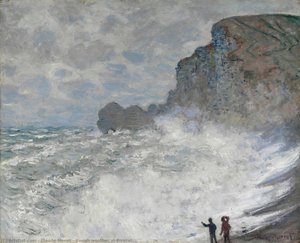
Claude Monet’s ‘La Plage D_Etretat’ captures the idyllic leisure of a beach scene in 1883 with Impressionistic brushstrokes and boats. Experience this iconic work by the master of light and color – perfect for art lovers to discover or own.
कलाकार की जीवनी
क्लाउड मोनेट की दुनिया का अन्वेषण करें, जो 'वॉटर लिली' और 'हेस्टैक्स' जैसे प्रतिष्ठित परिदृश्यों के माध्यम से क्षणभंगुर प्रकाश और रंग को कैद करने के लिए प्रसिद्ध प्रभाववादी मास्टर थे।
पेंटिंग के बारे में
A Moment of Coastal Bliss: Claude Monet's *La Plage D’Etretat*
Claude Monet’s La Plage D’Etretat, painted in 1883, is more than just a depiction of a beach scene; it’s an exquisite distillation of Impressionist philosophy – a fleeting capture of light, atmosphere, and the very essence of leisure. This captivating work transports us to the shores of Étretat, a dramatic coastal town in Normandy, France, renowned for its towering cliffs and sculpted by centuries of relentless sea action. The painting immediately draws the eye to the meticulously arranged boats scattered across the water, each reflecting the shifting hues of the sky and the shimmering surface of the English Channel. These aren't static objects; they are animated by Monet’s masterful brushstrokes, conveying a sense of movement and dynamism that is central to his artistic vision.
Impressionism: A Revolution in Seeing
Painted during a pivotal moment in art history, La Plage D’Etretat embodies the core tenets of Impressionism. Monet, along with fellow artists like Renoir and Pissarro, rejected the academic traditions of meticulous detail and historical subject matter that dominated the Salon system. Instead, they sought to capture the *impression* of a scene – the immediate visual sensation – prioritizing color and light over precise representation. This is evident in Monet’s broken brushstrokes, applied with rapid, confident gestures, creating a vibrant tapestry of color rather than a photographic likeness. The painting's palette—a symphony of blues, greens, greys, and ochres—is characteristic of Monet’s exploration of how light interacts with the landscape, particularly during his time at Etretat where he was deeply influenced by the area’s unique geological formations and dramatic lighting conditions.
Technique and Composition
Monet's technique in La Plage D’Etretat is a testament to his dedication to *en plein air* painting – working directly from nature. He employed a layering method, applying thin glazes of paint over an initial underpainting, allowing the colors to blend optically and creating a luminous effect. The composition itself is carefully constructed, guiding the viewer's eye across the scene. The foreground figures, rendered with looser brushwork, create a sense of depth and scale, while the boats in the middle ground provide a focal point. The distant cliffs are subtly suggested, contributing to the overall atmospheric perspective. The inclusion of a surfboard adds an unexpected element of modernity, hinting at the evolving relationship between humanity and nature.
Symbolism and Emotional Impact
Beyond its technical brilliance, La Plage D’Etretat resonates with a profound sense of tranquility and escape. It evokes the feeling of a perfect summer day – the warmth of the sun, the gentle lapping of waves, and the carefree enjoyment of leisure time. The scene is imbued with a quiet optimism, reflecting Monet's own desire to capture the beauty of the natural world and share it with others. The painting’s enduring appeal lies in its ability to transport us to this idyllic coastal setting, inviting contemplation and offering a moment of respite from the demands of modern life. It remains a powerful example of Monet’s genius and his lasting contribution to the development of modern art.
प्रश्न और उत्तर
क्या "La Plage D_Etretat" कुल मिलाकर अधिक उज्ज्वल है या गहरा?
"La Plage D_Etretat" की समग्र चमक brilliant है, और इसकी ल्यूमिनेंस (luminance) Bright Balance है।
"La Plage D_Etretat" में माध्यम और गति का संयोजन किस प्रकार हुआ है?
क्लाउड मोनेट द्वारा "La Plage D_Etretat", Acrylic On Canvas तकनीक और Impressionism शैली का एक अनूठा संगम है। तकनीक और आंदोलन कलाकृति के निर्माण और उसकी शैली को परिभाषित करते हैं।
क्लाउड मोनेट द्वारा "La Plage D_Etretat" की कॉपीराइट स्थिति का क्या कारण है?
"La Plage D_Etretat" की कॉपीराइट स्थिति - सार्वजनिक डोमेन में - इसका कॉपीराइट समाप्त हो चुका है - कलाकार की 1926 में मृत्यु के आधार पर निर्धारित होती है।
त्वरित तथ्य और कला प्रश्नोत्तरी
क्लाउड मोनेट के बारे में

क्लाउड मोनेट
1840 - 1926, फ्रांस
कलाकार की जीवनी
प्रकाश में डूबा एक जीवन: क्लाउड मोनेट की दुनिया
ऑस्कर-क्लाउड मोनेट, एक ऐसा नाम जो प्रभाववाद (Impressionism) का पर्याय है, केवल परिदृश्य चित्रकार नहीं थे; वे क्षणिक पलों के क्रोनिकलर थे, प्रकाश और रंग के कवि थे। 14 नवंबर, 1840 को पेरिस में जन्मे, उनके शुरुआती जीवन में एक अप्रत्याशित मोड़ तब आया जब पाँच वर्ष की आयु में उनका परिवार नॉरमंडी के ले Havre में बस गया। हालाँकि उनके पिता उन्हें एक वाणिज्यिक करियर के लिए तैयार कर रहे थे, लेकिन युवा क्लाउड की सहज कलात्मक प्रतिभा जल्द ही उभर कर सामने आई, जो पहले स्थानीय स्तर पर बेचे जाने वाले चारकोल कैरिकेचर के रूप में दिखाई दी – जो उनकी कुशलता और उद्यमशीलता दोनों का प्रमाण था। हालाँकि, यूजीन बौडीन के साथ उनका मिलन निर्णायक साबित हुआ। बौडीन ने मोनेट को केवल यह नहीं सिखाया कि *कैसे* पेंट करना है; उन्होंने उनके भीतर एन प्लेन एयर—सीधे प्रकृति से—पेंट करने का क्रांतिकारी विचार स्थापित किया – एक ऐसी प्रथा जो उनकी पूरी कलात्मक यात्रा को परिभाषित करने वाली थी।
मोनेट का औपचारिक प्रशिक्षण पेरिस में शुरू हुआ, पहले अकादेमी सुइस (Académie Suisse) में और बाद में चार्ल्स ग्लीरे के मार्गदर्शन में। यहीं उन्होंने ऑगस्ट रेनोआ जैसे साथी कलाकारों के साथ स्थायी मित्रता की नींव रखी, एक ऐसा बंधन जो साझा कलात्मक संघर्षों और पारंपरिक अकादमिक पेंटिंग की सीमाओं से मुक्त होने की इच्छा पर आधारित था। उनके शुरुआती कार्यों में तकनीकी दक्षता तो थी, लेकिन उनमें उस विशिष्ट स्वर का अभाव था जो जल्द ही उनकी शैली की पहचान बनने वाला था। इसके बाद उथल-पुथल का एक दौर आया – फ्रेंको-प्रुशियन युद्ध के कारण मोनेट को लंदन में शरण लेनी पड़ी, जहाँ उन्होंने जे.एम.डब्ल्यू. टर्नर जैसे अंग्रेजी परिदृश्य दिग्गजों के कार्यों में खुद को डुबो दिया और उनके वायुमंडलीय प्रभावों एवं रंगों के अभिनव उपयोग को आत्मसात किया।
एक सौंदर्यवादी क्रांति का जन्म
फ्रांस लौटने पर, मोनेट एक उभरते हुए कलात्मक विद्रोह के केंद्र बिंदु बन गए। सैलून (Salon) के रूढ़िवादी मानकों से असंतुष्ट होकर, उन्होंने स्वतंत्र प्रदर्शनियाँ आयोजित करने के लिए अन्य समान विचारधारा वाले कलाकारों के साथ हाथ मिलाया। 1874 की प्रदर्शनी न केवल मोनेट के लिए बल्कि पूरी कला जगत के लिए एक ऐतिहासिक मोड़ साबित हुई। यहीं उनकी पेंटिंग “इंप्रशन, सोले लेवेंट” (Impression, Sunrise) प्रदर्शित की गई थी – जो भोर के समय ले Havre के बंदरगाह का एक धुंधला चित्रण था – और इसी से उपहासपूर्ण शब्द "प्रभाववाद" (Impressionism) की उत्पत्ति हुई। हालाँकि, यह नाम उनके साथ जुड़ गया और एक ऐसे आंदोलन के सम्मान के प्रतीक के रूप में विकसित हुआ जिसने किसी दृश्य के सटीक चित्रण के बजाय उसके व्यक्तिपरक *प्रभाव* को कैद करने का प्रयास किया।
इस अवधि के दौरान मोनेट की विशिष्ट शैली पूरी तरह से निखर कर आई: ढीले, स्पष्ट ब्रशस्ट्रोक, जीवंत और अक्सर बिना मिले हुए रंग जिन्हें अगल-बगल लगाया जाता था (एक तकनीक जिसे “ब्रोकन कलर” कहा जाता है), और प्रकाश के क्षणभंगुर गुणों को पकड़ने पर अटूट ध्यान। उन्होंने अपनी एन प्लेन एयर पद्धति का अथक अभ्यास किया, बदलते परिवेश द्वारा दृश्य को बदलने से पहले अपनी तात्कालिक धारणाओं को दर्ज करने के लिए तेजी से काम किया। यह समर्पण केवल वह चित्रित करने के बारे में नहीं था जो उन्होंने *देखा*, बल्कि इसके प्रति उनकी *अनुभूति* के बारे में था – जो कलात्मक परंपराओं से एक क्रांतिकारी विचलन था।
गिवर्नी: प्रकाश और प्रतिबिंब का स्वर्ग
1883 में, मोनेट पेरिस के उत्तर-पश्चिम में गिवर्नी में बस गए, जहाँ उन्होंने एक ऐसा घर और बगीचा बनाया जो उनका आश्रय स्थल और प्रेरणा का सबसे बड़ा स्रोत बन गया। उन्होंने इस संपत्ति को बड़ी बारीकी से एक विस्तृत स्वर्ग में बदल दिया, जिसमें विदेशी फूल, विलो के पेड़ और सबसे प्रसिद्ध रूप से, एक जापानी पुल से सटा हुआ जल लिली का तालाब शामिल था। यह केवल एक सजावटी बगीचा नहीं था; यह एक जीवित प्रयोगशाला थी जहाँ मोनेट नियंत्रित परिस्थितियों में पानी, पत्तियों और प्रतिबिंबों पर प्रकाश के प्रभावों का अध्ययन कर सकते थे।
उनके जीवन के अंतिम दशक लगभग पूरी तरह से गिवर्नी के जल लिली तालाब को चित्रित करने के प्रति समर्पित थे। उन्होंने विशाल 'वॉटर लिलीज' (Nymphéas) श्रृंखला की शुरुआत की, जिसमें ऐसे बड़े कैनवस बनाए जिन्होंने तालाब की सतह को रंग और प्रकाश के निरंतर बदलते हुए टेपेस्ट्री के रूप में दिखाया। ये केवल फूलों के चित्र नहीं थे; ये एक ऐसा गहन अनुभव थे, जिसे दर्शक को शांत सुंदरता और चिंतनशील स्थिरता की दुनिया में सराबोर करने के लिए बनाया गया था। इन कार्यों का पैमाना विस्मयकारी है, जो पारंपरिक पेंटिंग की सीमाओं को आगे बढ़ाता है और अमूर्त अभिव्यक्तिवाद (Abstract Expressionism) का पूर्वाभास देता है।
विरासत: कला इतिहास पर एक स्थायी प्रभाव
कला इतिहास पर क्लाउड मोनेट का प्रभाव अतुलनीय है। वे केवल प्रभाववाद के संस्थापक नहीं थे; उन्होंने मौलिक रूप से उस तरीके को बदल दिया जिससे कलाकार अपने आसपास की दुनिया को देखते और प्रस्तुत करते हैं। व्यक्तिपरक अनुभव पर उनके जोर, एन प्लेन एयर पेंटिंग के उनके प्रेम, और उनकी नवीन तकनीकों ने आधुनिक कला के अमूर्तता और गैर-प्रतिनिधित्ववादी रूपों की खोज का मार्ग प्रशस्त किया।
मोनेट ने अपने जीवनकाल में काफी व्यावसायिक सफलता प्राप्त की – जो उनके युग के अग्रगामी कलाकारों के लिए दुर्लभ था। उनका कार्य आज भी दुनिया भर के दर्शकों को विस्मय से भर देता है, जिससे पश्चिमी कला में एक अत्यंत महत्वपूर्ण व्यक्तित्व के रूप में उनका स्थान सुदृढ़ होता है। 5 दिसंबर, 1926 को उनका निधन हो गया, लेकिन वे अपने पीछे एक ऐसी विरासत छोड़ गए जो कलाकारों और कला प्रेमियों की पीढ़ियों में गूंजती रहती है। उनकी उत्कृष्ट कृतियों का महत्वपूर्ण संग्रह पेरिस के प्रतिष्ठित संस्थानों जैसे म्यूज़ियम डी'ओर्से और म्यूज़ियम मार्मोटन मोनेट में सुरक्षित है, जो यह सुनिश्चित करता है कि उनका दृष्टिकोण दुनिया को आलोकित करना जारी रखे।
प्रमुख कलात्मक तकनीकें
- एन प्लेन एयर पेंटिंग: उनके विकास का केंद्र, जिसने प्रकाश और वातावरण के प्रत्यक्ष अवलोकन की अनुमति दी।
- ब्रोकन कलर (Broken Color): ऑप्टिकल सम्मिश्रण के लिए शुद्ध रंगों के छोटे स्ट्रोक को अगल-बगल लगाना।
- सीरीज पेंटिंग: अलग-अलग प्रकाश और मौसम की स्थितियों के तहत एक ही विषय का चित्रण करना – जो समय और प्रकाश की परिवर्तनकारी शक्ति को प्रदर्शित करता है।
क्लाउड मोनेट के बारे में कुछ खास बातें
- Artistic Movement Or Style: प्रभाववाद (इंप्रेशनिज्म)
- Artists Or Movements Influenced By This Artist: ['आधुनिक कला']
- Artists Who Influenced This Artist:
- यूजीन बौडीन
- जे.एम.डब्ल्यू. टर्नर
- Date Of Birth: 14 नवंबर 1840
- Date Of Death: 5 दिसंबर 1926
- Full Name: ऑस्कर-क्लाउड मोनेट
- Nationality: फ्रांसीसी
- Notable Artworks:
- इम्प्रेशन, सूर्योदय
- जल लिली श्रृंखला
- गहू के ढेर
- रूएन कैथेड्रल
- Place Of Birth: पेरिस, फ्रांस
समान कलाकृतियाँ




विषयों, शैलियों और विशेषताओं के आधार पर व्यवस्थित कलाकृतियों का अन्वेषण करें।


क्लाउड मोनेट
La Plage D_Etretat
() ·
फ्रेम सहित: · लिनन पर तेल के रंगों से हाथ से पेंट किया गया
कुल योग