


 पूर्वावलोकन देखें
 भेजें
भेजें साझा करें
 विवरण देखें
 मार्गदर्शिका

 डाउनलोड करें
 समान वस्तुएं
 एक्स-रे
 स्लाइड शो देखें
 आंकड़े
Peaches


Edouard Manet's 'Peaches' is a stunning Impressionist still life capturing everyday beauty with loose brushstrokes and a vibrant blue sky backdrop. Explore its influence & Manet’s legacy!
 और पढ़ें
पेरिस
फ्रांस
एडुआर्ड माने
एडौआर्ड माने
एडुआर्ड माने (1832-1883) एक फ्रांसीसी कलाकार थे जिन्होंने यथार्थवाद और प्रभाववाद के बीच एक महत्वपूर्ण कड़ी बनाई। 'ले डेजने सुर ल'हर्ब' और 'ओलंपिया' जैसे प्रतिष्ठित कार्यों के लिए जाने जाते हैं, उन्होंने आधुनिक जीवन को चित्रित करने में क्रांति ला दी और कला पर गहरा प्रभाव डाला।
क्लाउड मोनेट
यथार्थवाद, प्रभाववाद
कारावागियो
23 जनवरी, 1832
एडुआर्ड माने
ल
हस्तनिर्मित ऑयल रिप्रोडक्शन
आपके आकार और फ्रेम के अनुसार कैनवास पर हाथ से बनी ऑयल पेंटिंग, हमारे कलाकारों द्वारा विशेष रूप से ऑर्डर पर तैयार। ( प्रिंट विकल्प पर जाएँ डिजिटल इमेज पर जाएँ)




P118B ₹10

P118H ₹10

P118W ₹10

P438Z ₹10

P508JH ₹12

P508YH ₹12

P805H ₹10

P805Z ₹10

P919BZ ₹10

P919G ₹10

P919XJ ₹10

P959ZH ₹10

P968JZ ₹12

W106C ₹8

W218G ₹10

W218JH ₹8

W218Y ₹10

W307PJ ₹10

W316G ₹10

W316PJ ₹8

W316Y ₹10

W398PJ ₹8

W4111J ₹10

W500HY ₹15

W500JH ₹15

W692G ₹12

W849H ₹8

W940BG ₹15

W953PJ ₹8




मानक आकार
अनुकूलित
CM
INCH
कलाकृति के मूल अनुपात से मेल खाने वाले हमारे पूर्व निर्धारित आकारों में से चुनें।
Loading sizes...

चौड़ाई
ऊँचाई
अपने फ्रेम या अपनी दीवार के अनुसार आवश्यक चौड़ाई और ऊंचाई दर्ज करें। यह हाथ से पेंट किया गया है, इसलिए अलग आकार के लिए कलाकार चित्र के चारों ओर थोड़ा अधिक पेंट कर सकता है, या थोड़ा काट सकता है — चुनाव आपका है। पेंटिंग शुरू होने से पहले हम आपकी स्वीकृति के लिए एक डिजिटल मॉकअप भेजते हैं। इस पृष्ठ पर दिखाई गई तस्वीर वास्तविक परिणाम नहीं दिखाती है — केवल मॉकअप ही वास्तविक रूप दिखाता है।
बदलाव के कुछ उदाहरण: चेहरे को ग्राहक की फोटो से बदलें; पालतू जानवर जोड़ें (जैसे बिल्ली की जगह कुत्ता); बैकग्राउंड में कोई छिपा हुआ संदेश शामिल करें; बैकग्राउंड का परिदृश्य या तत्व बदलें।
ऑर्डर देने के बाद, TopImpressionists.com टीम निर्देशों के लिए क्लाइंट को ईमेल करेगी और एक मॉकअप प्रीव्यू प्रदान करेगी
ऑर्डर देने के बाद, TopImpressionists.com टीम निर्देशों के लिए क्लाइंट को ईमेल करेगी और एक मॉकअप प्रीव्यू प्रदान करेगी
विश्वव्यापी वितरण () मानक 5 सप्ताह के बजाय मात्र 3/4 सप्ताह में। (22 अक्टूबर)। गुणवत्ता से कोई समझौता नहीं।

दुनिया भर में मुफ़्त एक्सप्रेस शिपिंग

प्रीमियम ग्रेड लिनेन कैनवास

पूर्ण शिपिंग बीमा

सीमा शुल्क और आयात कर वापसी की गारंटी

सटीक रंग मिलान की गारंटी

100 दिनों की वापसी नीति (केवल निर्माण दोष होने पर)

100% पैसे वापसी की गारंटी

थोक छूट का अवसर
 ग्लास का विकल्प केवल 110 सेमी से कम आकार में ही उपलब्ध है।

Peaches
प्रतिकृति की सामग्री
प्रतिकृति का आकार
-


कुल मूल्य
₹ 25773
Peaches by Édouard Manet: A Study in Light, Simplicity, and Modern Life
Édouard Manet’s “Peaches,” painted in 1882, is more than just a still life; it's a carefully constructed meditation on light, color, and the burgeoning modern world. This deceptively simple work, housed within the National Gallery of Art in Washington D.C., reveals the artist’s innovative approach to painting – one that deliberately moved away from the rigid conventions of academic art and toward a more direct, observational style. The scene is remarkably straightforward: three ripe peaches rest on a dark wooden table, bathed in the soft glow of an unseen light source, against a backdrop of a serene blue sky. Yet, within this apparent simplicity lies a wealth of artistic intention and a subtle commentary on beauty, perception, and the fleeting nature of existence. Manet’s style at this period is characterized by a deliberate rejection of traditional techniques. He eschewed the meticulous blending of tones favored by his predecessors, opting instead for loose, visible brushstrokes that capture the essence of light and color rather than attempting to perfectly replicate reality. Notice how he doesn't attempt to render the peaches with photographic precision; instead, he uses short, broken strokes to suggest their form and texture, creating a sense of vibrancy and immediacy. The background sky is similarly treated – not as a detailed representation but as an atmospheric element that subtly enhances the overall composition. This approach aligns perfectly with the core tenets of Impressionism, a movement Manet significantly influenced, alongside artists like Claude Monet and Frédéric Bazille. His work was deeply rooted in the influence of Old Masters, particularly Diego Velázquez, whose mastery of light and shadow, and ability to capture the essence of his subjects, served as a crucial inspiration for Manet’s own artistic development. The painting's composition is remarkably balanced, drawing the eye directly to the peaches themselves. The arrangement – one peach slightly to the left, another in the center, and the final one to the right – creates a sense of visual rhythm and harmony. The dark table provides a strong contrast to the bright colors of the fruit, further emphasizing their luminosity. Manet’s use of color is particularly noteworthy. He employs a palette of warm yellows, oranges, and reds to depict the peaches, capturing their lusciousness and ripeness with remarkable accuracy. The blue sky serves as a cool counterpoint, adding depth and dimension to the scene. It's important to note that Manet was experimenting with new ways of representing color, moving away from the traditional use of mixed pigments and toward a technique known as “optical mixing,” where colors are perceived by the eye rather than physically blended on the canvas. Manet’s still life paintings were often imbued with deeper meanings, frequently exploring themes of mortality and the passage of time. The peaches themselves can be interpreted as symbols of beauty, abundance, and ultimately, decay. Their vibrant color and luscious form represent a fleeting moment of perfection, destined to fade and wither. This awareness of transience is a recurring motif in Manet’s work, reflecting his own contemplation on the ephemeral nature of life. Furthermore, the painting's placement within the broader context of Manet’s artistic career reveals its significance as a pivotal step toward modern art. His bold experimentation with form, color, and subject matter paved the way for future generations of artists to challenge traditional conventions and explore new ways of representing the world around them.Key Characteristics & Influences
- Impressionist Style: Manet’s technique embodies the core principles of Impressionism – a focus on capturing fleeting moments, emphasizing light and color, and using visible brushstrokes to create an impressionistic effect.
- Velázquez's Legacy: Like Velázquez, Manet was deeply influenced by the Spanish master’s ability to capture the essence of his subjects through careful observation and masterful use of light.
- Modern Subject Matter: Unlike many artists of his time who focused on historical or mythological scenes, Manet chose to depict everyday objects – in this case, simple fruit – elevating them to the level of fine art.
Further Exploration & Related Works
Manet’s “Peaches” is part of a larger body of still life paintings that he created during this period, alongside works such as "Still Life with Melon and Peaches" (National Gallery of Art) and "Almonds, currants and peaches." These paintings demonstrate Manet's consistent interest in exploring the beauty of ordinary objects and his innovative approach to capturing their essence on canvas. For a deeper understanding of Manet’s life and work, we recommend visiting TopImpressionists.com for detailed information and reproductions, as well as Wikipedia for biographical details and critical analyses. You can also explore Paul Cézanne's still lifes featuring fruit, such as "Peaches, Pears and Grapes," available on TopImpressionists.com, to gain further insight into the evolution of this genre.Bringing Manet’s “Peaches” Home
TopImpressionists offers meticulously crafted, hand-painted reproductions of Édouard Manet's "Peaches," allowing you to experience the beauty and artistry of this iconic painting in your own home. Our skilled artists faithfully recreate Manet’s unique style and technique, ensuring that your reproduction captures the essence of the original while retaining a sense of contemporary appeal. Choose from a range of sizes and framing options to perfectly complement your décor. Explore our collection today and bring a touch of Impressionist brilliance into your space.प्रश्न और उत्तर
"Peaches" के प्रिंट का अनुशंसित उपयोग क्या है?
एडुआर्ड माने द्वारा "Peaches" के लिए सुझाया गया उपयोग Statement है। इसका अन्य उद्देश्यों के लिए भी उपयोग किया जा सकता है।
"Peaches" एडुआर्ड माने के विषयों और शैली में किस प्रकार फिट बैठता है?
"Peaches" एडुआर्ड माने के Impressionism काल की कृति है, जिनके प्रमुख विषयों में velázquez influence, old masters study, realist impact, impressionist style, still life experimentation, transition to modern art, breaking academic norms, key impressionist work शामिल हैं।
क्या एडुआर्ड माने द्वारा "Peaches" एक उज्ज्वल कलाकृति है या गहरे रंगों वाली?
दृश्यमान चमक के संदर्भ में, एडुआर्ड माने द्वारा "Peaches" balanced है।
समान कलाकृतियाँ


कलाकार का परिचय
एडुआर्ड माने: आधुनिक कला के एक पथप्रदर्शक
एडुआर्ड माने, जिनका जन्म 1832 में पेरिस में हुआ था, एक ऐसे परिवार से थे जो समाज में सम्मानित था। उनके पिता एक न्यायाधीश थे और उन्होंने बेटे को कानून या नौसेना में करियर बनाने की उम्मीद की थी। लेकिन एडुआर्ड का दिल कला में रमा हुआ था। बचपन से ही चित्रकला के प्रति उनका रुझान था, और ग्यारह साल की उम्र से ही उन्होंने औपचारिक रूप से ड्राइंग सीखना शुरू कर दिया। थॉमस कूटूर के अधीन कुछ समय तक प्रशिक्षण लिया, लेकिन जल्द ही उन्हें पता चल गया कि उनकी रचनात्मकता उन कठोर तरीकों से बाधित हो रही है। यह प्रारंभिक प्रतिरोध उनके जीवन भर कलात्मक परंपराओं को चुनौती देने का संकेत था। माने ऐतिहासिक या पौराणिक विषयों में बंधे रहने के बजाय आधुनिक पेरिस की जीवंतता और कभी-कभी उसकी परेशान करने वाली वास्तविकताओं को कैद करना चाहते थे। उन्होंने लूव्र का दौरा किया, न केवल पुराने मास्टर्स की नकल करने के लिए, बल्कि उनकी तकनीकों को समझने के लिए भी, यह जानने के लिए कि कैसे कारावागियो और वेलाज़quez जैसे कलाकारों ने प्रकाश और छाया का उपयोग करके रूप को तराशा और भावनाओं को जगाया। गुस्ताव कोर्टबेट द्वारा championed यथार्थवाद के उदय ने माने के रचनात्मक मार्ग को प्रज्वलित किया। कोर्टबेट की रोजमर्रा की जिंदगी को आदर्श बनाने के बिना चित्रित करने की आग्रह से माने मुक्त हुए, जिससे उन्हें ऐतिहासिक या पौराणिक विषयों की सीमाओं से मुक्ति मिली।विद्रोह और नवाचार: परंपरा का टूटना
1860 के दशक पेरिस में तीव्र कलात्मक उथल-पुथल का दौर था, और माने खुद इसके केंद्र में थे। जापान से आए *उकियो-ए* प्रिंट ने उनके सौंदर्यशास्त्र को गहराई से प्रभावित किया। वे उनकी सपाट परिप्रेक्ष्य, बोल्ड रचनाओं और हड़ताली रंग के उपयोग से मोहित हो गए, जो जल्द ही उनकी अपनी शैली की पहचान बन गए। यह प्रभाव, अकादमिक परिशुद्धता के प्रति बढ़ती अस्वीकृति के साथ मिलकर, ऐसी कृतियों को जन्म दिया जिसने पेरिस की कला जगत को चौंका दिया और आक्रोशित कर दिया। ले डेजने सुर ल’हर्ब (घास पर दोपहर का भोजन), 1863 में सैलून दे रिफ्यूज में प्रदर्शित किया गया – आधिकारिक सैलून द्वारा अस्वीकृत कार्यों के लिए एक प्रदर्शनी – विवाद का केंद्र बन गया। इस चित्र में नग्न महिला को दो पूरी तरह से कपड़े पहने पुरुषों के साथ पिकनिक मनाते हुए दिखाया गया था, जो केवल नग्नता के बारे में ही नहीं था; यह उस तरीके के बारे में था जिससे नग्नता प्रस्तुत की गई थी। माने के आंकड़ों में पारंपरिक नग्न चित्रों के आदर्शित रूप और पौराणिक संदर्भ का अभाव था। वे निस्संदेह आधुनिक थे, दर्शकों को एक परेशान करने वाली प्रत्यक्षता से सामना करा रहे थे। ले डेजने के आसपास का विवाद उनकी 1865 की उत्कृष्ट कृति, ओलंपिया के साथ और बढ़ गया। इस चित्र में टिटियन के *वेनस ऑफ अर्बिनो* का एक जानबूझकर पुनर्निर्माण किया गया था, जिसमें एक समकालीन वेश्या दर्शक को सीधे देखती हुई दिखाई गई थी। अचल यथार्थवाद और उत्तेजक विषय वस्तु व्यापक निंदा का सामना कर रही थी। आलोचकों ने माने पर अश्लीलता और कलात्मक अक्षमता का आरोप लगाया, लेकिन आक्रोश के नीचे यह पहचान थी कि वह चित्रकला की भाषा को मौलिक रूप से बदल रहे थे।प्रभावशाली रंग और आधुनिक जीवन: प्रभाववाद की ओर एक पुल
हालांकि माने ने कभी खुद को पूरी तरह से "प्रभाववादी" कहने से इनकार कर दिया, उनका प्रभाव आंदोलन पर निर्विवाद था। उन्होंने अकादमिक परंपराओं के प्रति अस्वीकृति और प्रकाश और वायुमंडल के क्षणिक प्रभावों को कैद करने की प्रतिबद्धता को साझा किया। उन्होंने मोनेट, रेनॉयर, डेगास और अन्य के साथ स्वतंत्र प्रदर्शनियों में प्रदर्शित होकर अग्रभाग में अपनी स्थिति को मजबूत किया। माने की तकनीक एक ढीले ब्रशस्ट्रोक की ओर विकसित हुई, सटीक विवरणों पर सटीक रूप से ध्यान केंद्रित करने के बजाय रूप का प्रभाव प्राथमिकता दिया गया। उन्होंने रंग के साथ प्रयोग किया, अक्सर नाटकीय प्रभाव पैदा करने के लिए कठोर विरोधाभासों का उपयोग किया। उत्तेजक नग्न चित्रों के अलावा, माने ने विषयों की एक विस्तृत श्रृंखला का पता लगाया: पोर्ट्रेट - अपनी पत्नी सुज़ैन और साथी कलाकार एमिल ज़ोला के शानदार चित्रण सहित; पेरिस की नाइटलाइफ़ के दृश्य, जैसे ए बार एट द फोलीस-बर्गरे, जो आधुनिक शहरी जीवन की अलगाव और तमाशे को कुशलता से कैद करता है; और अंतरंग घरेलू दृश्य। वे इन विषयों का मात्र दस्तावेजीकरण नहीं कर रहे थे; वे उनसे सवाल पूछ रहे थे, सामाजिक मानदंडों को चुनौती दे रहे थे और सौंदर्य के पारंपरिक विचारों पर सवाल उठा रहे थे।विरासत और स्थायी प्रभाव
एडुआर्ड माने की समय से पहले मृत्यु, 1883 में सिफलिस से, एक ऐसे करियर को छोटा कर दिया जिसने पहले ही कला के इतिहास के पाठ्यक्रम को अपरिवर्तनीय रूप से बदल दिया था। उनकी प्रतिष्ठा उनकी मृत्यु के बाद काफी बढ़ी, लेकिन उनका प्रभाव युवा कलाकारों द्वारा तुरंत महसूस किया गया जिन्होंने उन्हें एक मुक्तिदाता के रूप में पहचाना। उन्होंने पारंपरिक विषय वस्तु, तकनीक और कलात्मक उद्देश्य की धारणाओं को तोड़कर बाधाओं को तोड़ दिया।- प्रभाववाद और उत्तर-प्रभाववाद के लिए आधुनिक जीवन को कैद करने पर उनका जोर मार्ग प्रशस्त करता है।
- उनके अभिनव ब्रशवर्क और रंग ने पीढ़ियों के चित्रकारों को प्रभावित किया।
- समाज की असहज सच्चाइयों का सामना करने की उनकी इच्छा ने दर्शकों को अपनी मान्यताओं पर सवाल उठाने के लिए मजबूर कर दिया।

एडुआर्ड माने
1832 - 1883 , फ्रांस
संक्षिप्त जानकारी
- Artistic Movement Or Style: यथार्थवाद, प्रभाववाद
- Artists Or Movements Influenced By This Artist:
- क्लाउड मोनेट
- पियरे-अगस्टे रेनॉयर
- एडगर देगास
- प्रभाववाद
- Artists Who Influenced This Artist:
- कारावागियो
- डिएगो वेलाज़क्वेज़
- गुस्ताव कोर्टबेट
- Date Of Birth: 23 जनवरी 1832
- Date Of Death: 1883
- Full Name: एडुआर्ड माने
- Nationality: फ्रांसीसी
- Notable Artworks:
- déjeuner sur l'herbe
- ओलंपिया
- A Bar at the Folies-Bergère
- Place Of Birth: पेरिस, फ्रांस
संबंधित लेखों की सूची

Slate Blue Masterpieces: 10 Iconic Paintings & Timeless Home Decor Ideas
Immerse yourself in the captivating world of slate blue! Explore 10 iconic paintings by Monet, Van Gogh & Renoir. Discover their stories, techniques & find museum-quality art reproductions for your home at .

एदोआर्ड माने: शीर्ष 25 कलाकृतियाँ - आधुनिक कला और गृह सजावट के लिए प्रेरणा
एदोआर्ड माने की शीर्ष 25 कलाकृतियों का अन्वेषण करें! आधुनिक कला, प्रभाववाद और फ्रेंच चित्रकला के प्रेरणादायक संसार में खो जाएं। उच्च गुणवत्ता वाले कला प्रिंट और गृह सजावट के लिए TopImpressionists.com पर संग्रह देखें।
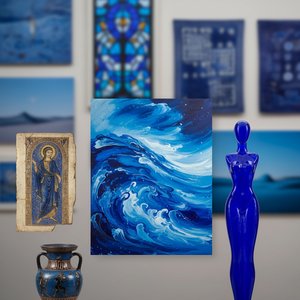
The Allure of Azure: Exploring the Symbolic & Aesthetic Depths of Blue in Art History
Explore the rich history of blue in art! Discover its symbolism, from ancient pigments to modern masterpieces by Kandinsky & Seurat. Uncover the psychological impact and cultural meanings behind this captivating hue.

Impressionism's Masterpieces: 10 Paintings That Defined a Movement | TopImpressionists
Journey through Impressionism's heart with 10 iconic paintings by Monet, Renoir & Degas. Explore light, color & the stories behind these masterpieces. Find museum-quality art reproductions and elevate your home decor on TopImpressionists.com.

पॉल सेज़ान की शीर्ष 25 उत्कृष्ट कृतियाँ: कला और सजावट का अद्भुत संग्रह | TopImpressionists
पॉल सेज़ान की शीर्ष 25 उत्कृष्ट कृतियों का अन्वेषण करें! प्रभाववाद और आधुनिक कला के जनक सेज़ान के जीवन, शैली और प्रसिद्ध चित्रों को जानें। TopImpressionists पर उच्च गुणवत्ता वाले कैनवास प्रिंट और दीवार सजावट खरीदें।
विषयों, शैलियों और विशेषताओं के आधार पर व्यवस्थित कलाकृतियों का अन्वेषण करें।


