
प्रदर्शित: · फ्रेम सहित:
 पूर्वावलोकन देखें
 साझा करें
 साझा करें
 विस्तृत विवरण
 मार्गदर्शिका

 डाउनलोड करें
 समान वस्तुएं
 एक्स-रे
 स्लाइड शो देखें
 प्रश्न और उत्तर
 आंकड़े
- 187.0 x 107.0 cm


₹ 25799
हस्तनिर्मित ऑयल रिप्रोडक्शन
आपके आकार और फ्रेम के अनुसार कैनवास पर हाथ से बनी ऑयल पेंटिंग, हमारे कलाकारों द्वारा विशेष रूप से ऑर्डर पर तैयार। ( प्रिंट विकल्प पर स्विच करें डिजिटल इमेज पर स्विच करें)
आकार
·मानक
कस्टम
CM
INCH
कलाकृति के मूल अनुपात से मेल खाने वाले हमारे पूर्व निर्धारित आकारों में से चुनें।
आकार लोड हो रहे हैं...

चौड़ाई
ऊँचाई
अपने फ्रेम या अपनी दीवार के अनुसार आवश्यक चौड़ाई और ऊंचाई दर्ज करें। यह हाथ से पेंट किया गया है, इसलिए अलग आकार के लिए कलाकार चित्र के चारों ओर थोड़ा अधिक पेंट कर सकता है, या थोड़ा काट सकता है — चुनाव आपका है। पेंटिंग शुरू होने से पहले हम आपकी स्वीकृति के लिए एक डिजिटल मॉकअप भेजते हैं। इस पृष्ठ पर दिखाई गई तस्वीर वास्तविक परिणाम नहीं दिखाती है — केवल मॉकअप ही वास्तविक रूप दिखाता है।
 अधिक जानकारी पढ़ें
समाप्त करें
·
सफेद किनारे ₹1

धुंधला किनारा ₹1

विस्तारित ₹1

P118B ₹10

P118H ₹10

P118W ₹10

P438Z ₹10

P508JH ₹12

P508YH ₹12

P805H ₹10

P805Z ₹10

P919BZ ₹10

P919G ₹10

P919XJ ₹10

P959ZH ₹10

P968JZ ₹12

W106C ₹8

W218G ₹10

W218JH ₹8

W218Y ₹10

W307PJ ₹10

W316G ₹10

W316PJ ₹8

W316Y ₹10

W398PJ ₹8

W4111J ₹10

W500HY ₹15

W500JH ₹15

W692G ₹12

W849H ₹8

W940BG ₹15

W953PJ ₹8

H24-GOLD ₹30

H24-SILVER ₹30

H36-GOLD ₹45

H36-SILVER ₹45
एक सुरक्षात्मक ट्यूब में भेजा जाता है, जिसे आप अपने पसंद के फ्रेम में लगवा सकते हैं।
अतिरिक्त सेवाएँ
वैकल्पिकएक्स्ट्रा में क्या शामिल है?
क्या बदला जा सकता है उसके उदाहरण: चेहरे को ग्राहक की फोटो से बदलें; पालतू जानवर जोड़ें (जैसे, बिल्ली की जगह कुत्ता); बैकग्राउंड में छिपा हुआ संदेश शामिल करें; बैकग्राउंड का परिदृश्य या तत्व बदलें।
ऑर्डर के बाद, TopImpressionists.com टीम निर्देशों के लिए क्लाइंट को ईमेल करेगी और एक मॉकअप प्रीव्यू प्रदान करेगी
ऑर्डर के बाद, TopImpressionists.com टीम निर्देशों के लिए क्लाइंट को ईमेल करेगी और एक मॉकअप प्रीव्यू प्रदान करेगी
विश्वव्यापी वितरण () मानक 5 सप्ताह के बजाय मात्र 3/4 सप्ताह में। (10 नवमबर)। गुणवत्ता से कोई समझौता नहीं।
सुरक्षात्मक वार्निश
नामपट्टिका
उत्कीर्ण कांस्य पट्टिका का विवरण
This elegant plaque features the artist's name and the title of the artwork, finely engraved for a timeless presentation.
It is made from bronze with a refined, elegant finish. The text is precisely laser-engraved for a sharp and permanent result. Measuring 9x2 cm, the plaque is compact yet easy to read. It's built to be durable and scratch-resistant, offering a professional, museum-quality look. Mounting is simple thanks to the included adhesive backing.
पारदर्शी ऐक्रेलिक पट्टिका का विवरण
The plaque includes essential engraved details such as the artist's name, the title of the artwork, the date it was created, the type of media used-like oil on canvas or watercolor-a brief description of the piece, and a QR code that links to the complete artwork information.
It is crafted from clear acrylic, offering a sleek, modern appearance. The text is UV-engraved in black to ensure strong visual contrast. With a size of 10x15 cm, it ensures optimal readability. It comes equipped with two metal hooks for secure wall mounting. The plaque is designed to be weather-resistant, making it suitable for various environments, and it includes interactive features that work seamlessly with smartphone scanning.
काले ऐक्रेलिक पट्टिका का विवरण
This elegant plaque includes engraved information such as the artist's name, the title of the artwork, the date it was created, the type of media used (like oil on canvas or watercolor), a short description of the artwork, and a QR code for quick access to more information.
The plaque itself is made from refined black acrylic with a premium finish. The text is laser-engraved in white for high contrast and readability. Its size is 10x15 cm, designed to be easy to read. It comes with two metal hooks for professional mounting. The design is sleek and fits any interior style. It is also weather-resistant and durable, with built-in digital integration for mobile compatibility.
ग्लास का विकल्प केवल 110 सेमी से कम आकार में ही उपलब्ध है।
 ग्लास का विकल्प केवल 110 सेमी से कम आकार में ही उपलब्ध है।
- दुनिया भर में मुफ़्त एक्सप्रेस शिपिंग
- उच्च गुणवत्ता वाला लिनेन कैनवास
- पूर्ण शिपिंग बीमा
- सीमा शुल्क और आयात कर वापसी की गारंटी
- सटीक रंग मिलान की गारंटी
- 100 दिनों की वापसी नीति (केवल दोष होने पर)
- 100% पैसे वापसी की गारंटी
- थोक छूट का अवसर


संग्रहणीय वस्तु का विवरण
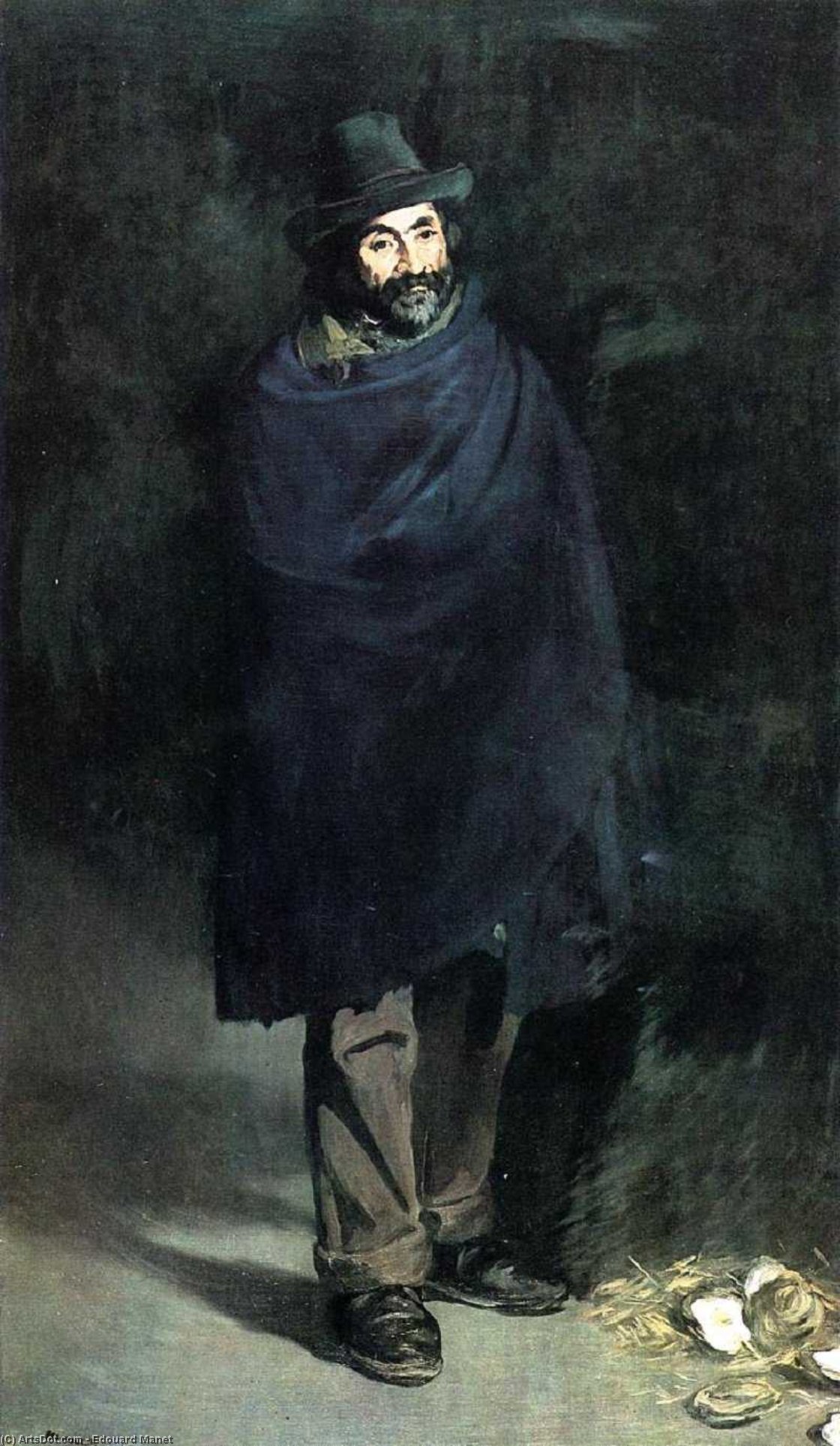
Édouard Manet's 'The Philosopher' (1867) captures a contemplative figure amidst nature, blending Realism and Impressionism. Explore the painting’s symbolism, artistic context, and legacy at The Art Institute of Chicago.
कलाकार की जीवनी
माने ने ओलंपिया के साथ यथार्थवाद और प्रभाववाद के बीच की दूरी मिटा दी। इस पेरिस के दिग्गज की क्रांतिकारी कृतियों को जानें।
पेंटिंग के बारे में
The Philosopher: A Window into Manet’s Modern Soul
Édouard Manet's *The Philosopher*, painted in 1867, isn’t merely a portrait; it’s a carefully constructed tableau that encapsulates the burgeoning spirit of modern art. This oil-on-canvas work, measuring a substantial 187 x 107 cm, invites us into a quiet contemplation, a moment suspended between observation and thought. The subject, a man draped in a long coat and hat – a figure instantly recognizable as embodying intellectualism – stands on a Parisian street, his hands tucked casually into his pockets, radiating an aura of profound introspection. Yet, it’s not the individual that commands our attention entirely, but rather the subtle orchestration of elements surrounding him: the birds perched above, the clock subtly hinting at time's passage, and the carefully chosen background details. These aren’t merely decorative flourishes; they contribute to a layered narrative, inviting us to consider the nature of existence itself. The painting emerged from a pivotal moment in art history – a period of intense transition between Realism and Impressionism. Manet, already known for his provocative works like *Le Déjeuner sur l'herbe* and *Olympia*, was pushing boundaries with each new creation. He deliberately challenged academic conventions by depicting everyday life, often featuring ordinary people in unidealized ways. *The Philosopher* exemplifies this approach, eschewing the polished surfaces and heroic narratives favored by earlier generations of artists. Instead, Manet presents a scene stripped bare of sentimentality, focusing on the raw reality of urban existence. The muted palette – dominated by browns, grays, and ochres – reinforces this sense of understated observation. Notice how he employs loose brushstrokes, characteristic of his style, creating an almost hazy effect that softens the edges and contributes to the painting’s contemplative mood. Manet's stylistic choices are deeply rooted in both Realism and Impressionism. He retains a degree of realism in his depiction of the subject and setting, meticulously rendering the details of the man’s clothing and the streetscape. However, he also embraces the Impressionist emphasis on capturing fleeting moments of light and color. The dappled sunlight filtering through the background suggests movement and atmosphere, while the subtle shifts in tone create a sense of depth and spatial ambiguity. This blending of styles – realism tempered by impressionistic sensitivity – is what makes Manet such a revolutionary figure. He wasn’t simply painting what he saw; he was actively shaping how we perceive the world around us. The inclusion of birds, for instance, adds a layer of symbolic richness. Birds are often associated with freedom and intellect, further reinforcing the subject's philosophical nature. The historical context surrounding *The Philosopher* is crucial to understanding its significance. Manet’s work coincided with a period of rapid social and economic change in Paris – the rise of industrialization, urbanization, and a growing sense of alienation. His paintings reflected this turbulent atmosphere, capturing the anxieties and uncertainties of modern life. The painting's placement within the broader context of Manet's career reveals his deliberate attempt to challenge established artistic norms and pave the way for future generations of artists. *The Philosopher* stands as a testament to Manet’s innovative spirit and his profound impact on the development of modern art, ultimately finding its home in the prestigious Art Institute of Chicago, where it continues to captivate viewers with its quiet intensity and enduring relevance.Artistic Details & Symbolism
Let's delve deeper into the specific details that contribute to *The Philosopher’s* evocative power. The man himself is presented in a state of profound contemplation, his gaze directed towards an unseen horizon. His beard and mustache lend him an air of intellectual authority, solidifying his role as a philosopher. Note the careful rendering of his clothing – the long coat, the hat, the simple pocket watch – each element contributing to a sense of timelessness and dignity. The background is equally significant. The two birds perched above suggest a connection to nature, while the clock subtly reminds us of the relentless passage of time. These seemingly minor details are carefully orchestrated to create a harmonious whole, inviting viewers to engage in their own interpretations.Manet’s Legacy & Influence
Édouard Manet's influence on subsequent generations of artists is undeniable. His willingness to challenge conventions and depict modern life with unflinching honesty paved the way for Impressionism and beyond. Artists like Claude Monet, Pierre-Auguste Renoir, and Edgar Degas were deeply influenced by Manet’s techniques and his approach to subject matter. *The Philosopher*, in particular, demonstrates Manet's ability to capture a fleeting moment of human experience with remarkable sensitivity and insight. His work continues to inspire artists today, reminding us of the power of art to challenge our perceptions and expand our understanding of the world.Reproductions & Viewing Experience
TopImpressionists offers meticulously crafted hand-painted reproductions of *The Philosopher*, capturing the essence of Manet’s original masterpiece with unparalleled fidelity. Our skilled artisans employ traditional oil painting techniques, carefully recreating every brushstroke and nuance of color. These reproductions are not merely copies; they are works of art in their own right, imbued with the same spirit and emotion as the original. Whether you choose a large-scale statement piece for your home or a smaller, more intimate reproduction to adorn your office, our hand-painted versions will bring this iconic artwork into your space, allowing you to appreciate its beauty and complexity for years to come. Explore our collection today and experience *The Philosopher* in a whole new light.प्रश्न और उत्तर
"The philosopher" के पीछे के कलाकार कौन हैं?
"The philosopher" के पीछे के कलाकार एडुआर्ड माने हैं। यह कृति एडुआर्ड माने के नाम के अंतर्गत सूचीबद्ध है।
एडुआर्ड माने द्वारा "The philosopher" किस प्रकार की कलाकृति है?
एडुआर्ड माने द्वारा "The philosopher" को वॉल आर्ट के रूप में वर्गीकृत किया गया है। यह श्रेणी मूल कलाकृति के प्रकार का वर्णन करती है।
क्या एडुआर्ड माने द्वारा निर्मित "The philosopher" सार्वजनिक डोमेन (public domain) में है, और क्यों?
"The philosopher" की कॉपीराइट स्थिति - सार्वजनिक डोमेन में - इसका कॉपीराइट समाप्त हो चुका है - कलाकार की 1883 में मृत्यु के आधार पर निर्धारित होती है।
त्वरित तथ्य और कला प्रश्नोत्तरी
एडुआर्ड माने के बारे में

एडुआर्ड माने
1832 - 1883, फ्रांस
कलाकार की जीवनी
प्रारंभिक जीवन, परिवार और प्रशिक्षण
एडुआर्ड माने का जन्म 23 जनवरी, 1832 को पेरिस में हुआ था। उनका पालन-पोषण एक समृद्ध परिवार में हुआ, जहाँ उनके पिता फ्रांसीसी न्याय मंत्रालय में एक प्रतिष्ठित पद पर आसीन थे। उनके पिता ने उनके लिए एक अलग भविष्य की कल्पना की थी, जिसमें नौसेना या कानून का क्षेत्र शामिल था। उस बालक ने इस दिशा में कदम बढ़ाने का प्रयास भी किया, लेकिन वह दो बार नौसेना अकादमी की प्रवेश परीक्षा में असफल रहा। इसी असफलता ने उनके जीवन की दिशा को कला के स्टूडियो की ओर मोड़ दिया। अंततः, कला के प्रति अपनी अटूट प्रतिबद्धता साबित करने के लिए उन्होंने अपने पिता के सामने चित्रों का एक पोर्टफोलियो प्रस्तुत किया, जिसके बाद उन्हें औपचारिक रूप से अध्ययन करने की अनुमति मिल गई।
वर्ष 1850 से 1856 तक, उन्होंने थॉमस कूटूर के स्टूडियो में प्रशिक्षण प्राप्त किया। हालाँकि वहाँ उन्होंने अकादमिक चित्रकला की तकनीकी नींव सीखी, लेकिन उनकी दृष्टि अक्सर लूव्र की ओर भटक जाती थी। उन्होंने अपना अधिकांश समय उन दीर्घाओं में बिताया, जहाँ वे पुराने उस्तादों (ओल्ड मास्टर्स) के कैनवस के सामने खड़े होकर उनकी तकनीकों की नकल करते थे। उन्होंने इस बात का गहन अध्ययन किया कि वे कलाकार प्रकाश और रूप को कैसे संभालते थे, और इस प्रकार अतीत के पाठों को आत्मसात करते हुए वे अपना स्वयं का मार्ग खोजने की तैयारी कर रहे थे। अध्ययन के इस गहन दौर ने उन्हें वह तकनीकी आधार प्रदान किया, जिसने भविष्य में परंपराओं से उनके क्रांतिकारी अलगाव को मजबूती दी।
तकनीक और कलात्मक शैली
कैनवास की सतह सैलून द्वारा अपेक्षित उस चिकनी और अदृश्य फिनिश से एक जानबूझकर किया गया विचलन प्रकट करती है। ब्रश के निशानों को मिटाने के बजाय, यहाँ रंगों का एक दृश्यमान और ऊर्जावान अनुप्रयोग दिखाई देता है जिसे 'फैक्चर' (facture) के रूप में जाना जाता है। यह दृष्टिकोण स्वयं पेंट की भौतिक वास्तविकता को प्राथमिकता देता है। अल्ला प्राइमा या 'वेट-ऑन-वेट' तकनीक का उपयोग करके, रंगों को तब लगाया जाता है जब वे ताज़ा होते हैं, जिससे एक ऐसी तात्कालिक गुणवत्ता पकड़ी जाती है जो पारंपरिक अकादमिक तरीकों के धीमे, परतों वाले निर्माण से बचती है। यह विधि प्रकाश और वातावरण को दर्ज करने के तरीके में एक प्रकार की सहजता और स्वाभाविकता प्रदान करती है।
आकृतियों के निर्माण के तरीके में एक स्पष्ट सपाटपन महसूस होता है। ब्रश का ढीला और मुक्त संचालन उस भारी मॉडलिंग से बचता है जिसका उपयोग गहरे, त्रि-आयामी भ्रम पैदा करने के लिए किया जाता है। इसके बजाय, चित्रात्मक स्थान अक्सर संकुचित महसूस होता है। यह प्रभाव मजबूत और विरोधाभासी रंगों के उपयोग से और भी गहरा हो जाता है। आकार को परिभाषित करने के लिए क्रमिक रंग पैलेट पर निर्भर रहने के बजाय, यह कार्य अक्सर शहर के खंडित और आधुनिक प्रकाश को दर्शाने के लिए मान (value) में तीव्र बदलावों का उपयोग करता है। गणितीय परिप्रेक्ष्य और निर्बाध मिश्रण का यह त्याग तात्कालिकता का एक ऐसा अहसास पैदा करता है, मानो छवि सीधे आंखों के सामने ही निर्मित हो रही हो।
आधुनिक विषयों का विवाद
1860 के दशक के मध्य ने सार्वजनिक दृष्टि के साथ संघर्षों की एक श्रृंखला पेश की। 1863 में, 'सैलून दे रिफ्यूज' ने उन कार्यों के लिए एक मंच प्रदान किया जिन्हें आधिकारिक जूरी ने खारिज कर दिया था। इनमें ले डेजने सुर ल’हर्ब भी शामिल था, एक ऐसी पेंटिंग जिसने तुरंत हलचल मचा दी। इसने नग्नता को प्रस्तुत करने के लिए सामान्य पौराणिक या बाइबिल संबंधी बहानों का सहारा नहीं लिया; इसके बजाय, इसने एक नग्न महिला को दो पूरी तरह से कपड़े पहने पुरुषों के साथ पिकनिक के माहौल में रख दिया। ऐतिहासिक या दैवीय संदर्भ प्रदान करने से इनकार करने के इस कदम ने दर्शक को समकालीन जीवन की कच्ची और वास्तविक उपस्थिति के अलावा कुछ नहीं दिया।
तनाव 1865 में ओलंपिया की प्रदर्शनी के साथ और बढ़ गया। इस कृति को सैलून का सबसे चौंकाने वाला हिस्सा माना गया था। इसने टिटियन की वेनस ऑफ अर्बिनो की रचना को लिया और उसके पीछे छिपे मिथक की सुरक्षात्मक परत को हटा दिया, और एक देवी के स्थान पर एक समकालीन वेश्या को रख दिया। वह न तो नज़रें चुराती थी और न ही प्रशंसा भरी दृष्टि का निमंत्रण देती थी; वह इतनी सीधी और स्पष्टता से वापस देखती थी कि कई लोगों को यह काफी विचलित करने वाला लगा। आलोचकों ने अपना गुस्सा इस आदर्शवाद की कमी और विषय वस्तु की स्पष्टता पर केंद्रित किया।
विषयों के चयन के अलावा, जिस तरह से रंगों का प्रयोग किया गया था, उसने भी कड़ी आलोचना बटोरी। कई पर्यवेक्षकों ने दिखाई देने वाले, ऊर्जावान ब्रशवर्क और एक पॉलिशदार, निर्बाध फिनिश की कमी पर हमला किया। उन्होंने इसमें परिप्रेक्ष्य की त्रुटियों और शिष्टाचार के पारंपरिक नियमों का पालन करने में विफलता देखी। जिसे कुछ लोगों ने अक्षमता कहा, उसे दूसरों ने कैनवास पर किसी सपने की खिड़की दिखाने के बजाय, पेंट की वास्तविकता दिखाने के एक जानबूझकर किए गए चुनाव के रूप में पहचाना।
प्रमुख कृतियाँ और महत्वपूर्ण पेंटिंग
वर्ष 1861 में, उन्होंने द स्पैनिश सिंगर जैसी कृति का सृजन किया, जिसने सैलून में उन्हें एक सम्मानजनक उल्लेख दिलाया। इस चित्र में एक मॉडल को अंडालूसी वेशभूषा में दिखाया गया है, जो गिटार को इस तरह पकड़े हुए है जिससे संकेत मिलता है कि तार किसी बाएं हाथ के वादक द्वारा दबाए जा रहे हैं, जबकि वाद्ययंत्र वास्तव में दाएं हाथ के वादक के लिए तैयार किया गया है। यह छोटी सी, जानबूझकर की गई त्रुटि मॉडल के पैरों के पास रखे एक रूढ़िवादी स्पेनिश स्टिल लाइफ के साथ खूबसूरती से मेल खाती है।
एडुआर्ड माने के ब्रशवर्क ने अक्सर तात्कालिक और राजनीतिक विषयों को छुआ। 1867 में, उन्होंने द एक्जीक्यूशन ऑफ द एम्परर मैक्सिमिलियन ऑफ मेक्सिको को चित्रित किया। बाद में, जब 1870 के दशक के अंत में उनका स्वास्थ्य बिगड़ने लगा, तो उनका ध्यान छोटे और अधिक अंतरंग विषयों की ओर स्थानांतरित हो गया। 1882 तक, उन्होंने ए बार एट द फोलिस-बर्गिएरे को पूरा कर लिया था, एक ऐसी पेंटिंग जो मनोवैज्ञानिक अस्पष्टता के साथ एक आधुनिक कैफे के वातावरण को जीवंत करती है। अपने जीवन के अंतिम पड़ाव में, लगभग 1883 के आसपास, उन्होंने स्टिल लाइफ की ओर अपना ध्यान केंद्रित किया, जैसे कि टू रोज़ेस ऑन अ टेबलक्लोथ।
- द स्पैनिश सिंगर (1861)
- द एक्जीक्यूशन ऑफ द एम्परर मैक्सिमिलियन ऑफ मेक्सिको (1867)
- ए बार एट द फोलिस-बर्गिएरे (1882)
- टू रोज़ेस ऑन अ टेबलक्लोथ (लगभग 1883)
घेरा, प्रतिद्वंद्वी और प्रभाव
एडुआर्ड माने के ब्रश के हर स्ट्रोक में उन महान उस्तादों की छाप झलकती है जिनका उन्होंने लूव्र में गहन अध्ययन किया था। उन्होंने कला के क्षेत्र में अपना मार्ग प्रशस्त करने के लिए कारावागियो के नाटकीय प्रकाश और वेलाज़quez के तरल, गहरे रंगों की ओर देखा। गोया से उन्होंने एक ऐसी स्पष्टता और प्रत्यक्षता को अपनाया, जिसने अकादमिक कला की उस अत्यधिक परिष्कृत और चिकनी फिनिश की आवश्यकता को ही समाप्त कर दिया। ये उनके लिए केवल अध्ययन मात्र नहीं थे; बल्कि ये वे हथियार थे जिनका उपयोग उन्होंने सैलून की पारंपरिक अपेक्षाओं को ध्वस्त करने के लिए किया। वे रंगों के क्रमिक मिश्रण के बजाय एक एकल, सशक्त रंग की उपस्थिति को अधिक महत्व देते थे।
पेरिस के कैफे और बौद्धिक हलकों में, एडुआर्ड माने उन्हीं लोगों के बीच सक्रिय थे जो आने वाले युग को पुनर्परिभाषित करने वाले थे। उन्होंने क्लाउड मोनेट और एडगर डेगास जैसे कलाकारों के साथ विचार और स्थान साझा किए, जो स्वयं भी इस बात की सीमाओं को तोड़ रहे थे कि एक पेंटिंग क्या हो सकती है। उनका व्यक्तिगत जीवन भी 'अवांत-गार्द' (अग्रणी कला) आंदोलन से उतनी ही गहराई से जुड़ा था; उनकी भाभी प्रसिद्ध कलाकार बर्ट मोरिसोट थीं। हालाँकि वे अक्सर आधिकारिक संस्थानों की स्वीकृति की तलाश में रहते थे, लेकिन उनके वास्तविक साथी वे कलाकार थे जो स्थापित अकादमियों की छाया में रहकर नई क्रांति ला रहे थे।
उन्हें एक ऐसे लेखक के रूप में एक मुखर और प्रारंभिक रक्षक मिला, जिसने उनके विवादास्पद कैनवस में भविष्य की झलक देखी थी। इस समर्थक ने उनके कार्यों का एक शानदार विवरण प्रकाशित किया, जिससे बदलते कला जगत में उनके स्थान को स्थापित करने में मदद मिली। यहाँ तक कि जब जनता ने उनके आधुनिक विषयों के प्रति शत्रुतापूर्ण प्रतिक्रिया दी, तब भी इस समर्थन ने उन आलोचकों के विरुद्ध एक आवश्यक संतुलन प्रदान किया जो उनकी शैली को अधूरा या उनके विषयों को अनुचित मानते थे। एडुआर्ड माने हमेशा अकादमी की पुरानी दुनिया और सड़कों की नई, बेचैन ऊर्जा के बीच फंसे एक ऐसे व्यक्तित्व बने रहे, जिन्होंने कला की दिशा बदल दी।
एडुआर्ड माने के बारे में कुछ खास बातें
- Artistic Movement Or Style: यथार्थवाद, प्रभाववाद, अवंत-गार्द
- Artists Or Movements Influenced By This Artist:
- प्रभाववाद
- अवंत-गार्द
- क्लाउड मोनेट
- बर्थ मोरिज़ोट
- एडगर डेगास
- गौगुइन
- Artists Who Influenced This Artist:
- कारावागियो
- डिएगो वेलास्केज़
- फ्रांसिस्को गोया
- टिटियन
- राफेल
- फ्रांस हैल्स
- पीटर पॉल रूबेन्स
- Date Of Birth: 1832
- Date Of Death: 1883
- Full Name: एडुआर्ड माने
- Nationality: फ्रांसीसी
- Notable Artworks:
- ओलंपिया
- ले डेजने सुर ल'हर्ब
- ए बार एट द फोलिएस-बर्गेरे
- Place Of Birth: पेरिस, फ्रांस
समान कलाकृतियाँ


विषयों, शैलियों और विशेषताओं के आधार पर व्यवस्थित कलाकृतियों का अन्वेषण करें।


एडुआर्ड माने
The philosopher
() ·
फ्रेम सहित: · लिनन पर तेल के रंगों से हाथ से पेंट किया गया
कुल योग