


 पूर्वावलोकन देखें
 भेजें
भेजें साझा करें
 विवरण देखें
 मार्गदर्शिका

 डाउनलोड करें
 समान वस्तुएं
 एक्स-रे
 स्लाइड शो देखें
 आंकड़े
The Sick Child


Explore Edvard Munch’s ‘The Sick Child.’ A haunting Expressionist masterpiece depicting loss & grief. Vibrant colors & distorted forms evoke raw emotion. Own a unique art reproduction.
 और पढ़ें
एडवर्ड मुंच (1863-1944), अभिव्यक्तिवाद के अग्रणी! 'द Scream' और चिंता, मृत्यु, प्रेम एवं मनोवैज्ञानिक विषयों को दर्शाने वाली कला का अन्वेषण करें। आधुनिक कला में एक महत्वपूर्ण नाम।
हस्तनिर्मित ऑयल रिप्रोडक्शन
आपके आकार और फ्रेम के अनुसार कैनवास पर हाथ से बनी ऑयल पेंटिंग, हमारे कलाकारों द्वारा विशेष रूप से ऑर्डर पर तैयार। ( प्रिंट विकल्प पर जाएँ डिजिटल इमेज पर जाएँ)




P118B ₹10

P118H ₹10

P118W ₹10

P438Z ₹10

P508JH ₹12

P508YH ₹12

P805H ₹10

P805Z ₹10

P919BZ ₹10

P919G ₹10

P919XJ ₹10

P959ZH ₹10

P968JZ ₹12

W106C ₹8

W218G ₹10

W218JH ₹8

W218Y ₹10

W307PJ ₹10

W316G ₹10

W316PJ ₹8

W316Y ₹10

W398PJ ₹8

W4111J ₹10

W500HY ₹15

W500JH ₹15

W692G ₹12

W849H ₹8

W940BG ₹15

W953PJ ₹8




मानक आकार
अनुकूलित
CM
INCH
कलाकृति के मूल अनुपात से मेल खाने वाले हमारे पूर्व निर्धारित आकारों में से चुनें।
Loading sizes...

चौड़ाई
ऊँचाई
अपने फ्रेम या अपनी दीवार के अनुसार आवश्यक चौड़ाई और ऊंचाई दर्ज करें। यह हाथ से पेंट किया गया है, इसलिए अलग आकार के लिए कलाकार चित्र के चारों ओर थोड़ा अधिक पेंट कर सकता है, या थोड़ा काट सकता है — चुनाव आपका है। पेंटिंग शुरू होने से पहले हम आपकी स्वीकृति के लिए एक डिजिटल मॉकअप भेजते हैं। इस पृष्ठ पर दिखाई गई तस्वीर वास्तविक परिणाम नहीं दिखाती है — केवल मॉकअप ही वास्तविक रूप दिखाता है।
बदलाव के कुछ उदाहरण: चेहरे को ग्राहक की फोटो से बदलें; पालतू जानवर जोड़ें (जैसे बिल्ली की जगह कुत्ता); बैकग्राउंड में कोई छिपा हुआ संदेश शामिल करें; बैकग्राउंड का परिदृश्य या तत्व बदलें।
ऑर्डर देने के बाद, TopImpressionists.com टीम निर्देशों के लिए क्लाइंट को ईमेल करेगी और एक मॉकअप प्रीव्यू प्रदान करेगी
ऑर्डर देने के बाद, TopImpressionists.com टीम निर्देशों के लिए क्लाइंट को ईमेल करेगी और एक मॉकअप प्रीव्यू प्रदान करेगी
विश्वव्यापी वितरण () मानक 5 सप्ताह के बजाय मात्र 3/4 सप्ताह में। (24 अक्टूबर)। गुणवत्ता से कोई समझौता नहीं।

दुनिया भर में मुफ़्त एक्सप्रेस शिपिंग

प्रीमियम ग्रेड लिनेन कैनवास

पूर्ण शिपिंग बीमा

सीमा शुल्क और आयात कर वापसी की गारंटी

सटीक रंग मिलान की गारंटी

100 दिनों की वापसी नीति (केवल निर्माण दोष होने पर)

100% पैसे वापसी की गारंटी

थोक छूट का अवसर
 ग्लास का विकल्प केवल 110 सेमी से कम आकार में ही उपलब्ध है।

The Sick Child
प्रतिकृति की सामग्री
प्रतिकृति का आकार
-


कुल मूल्य
₹ 28200
A Window into Grief: Exploring Edvard Munch’s *The Sick Child*
Edvard Munch's *The Sick Child* is far more than a depiction of illness; it’s a profoundly moving exploration of grief, loss, and the haunting specter of mortality. Created between 1885 and 1926 in multiple versions, this series of paintings and prints represents one of the most intensely personal and pivotal works in Munch's oeuvre, stemming directly from the tragic death of his sister Johanne Sophie from tuberculosis at just fifteen years old. The artwork serves as a raw and unflinching meditation on a trauma that indelibly shaped the artist’s life and artistic vision.Historical Context & Artistic Origins
Born in 1863, Munch experienced significant loss early in life – his mother died when he was five, followed by Sophie's death nine years later. These events, coupled with a family history of mental illness, instilled within him a deep-seated anxiety and preoccupation with themes of sickness and death. *The Sick Child* emerged from this intensely personal landscape, initially as a study in 1885-86, and was revisited repeatedly throughout his career. It marks a crucial turning point for Munch, signaling his departure from traditional academic styles toward the emotionally charged expressiveness that would define his legacy and contribute to the birth of Expressionism.Style & Technique: The Language of Emotion
*The Sick Child* is a quintessential example of Expressionism. Munch eschews realistic representation in favor of conveying inner emotional states. His technique is characterized by loose, visible brushstrokes, creating a sense of agitation and unrest. The color palette, while often muted with somber greens and browns, is punctuated by striking accents – notably the vibrant red hair of the ailing girl, drawing immediate attention to her vulnerability. Munch’s use of high-contrast lighting casts dramatic shadows, intensifying the emotional weight of the scene. He employs a flattened perspective, further enhancing the feeling of claustrophobia and psychological intensity. The impasto technique—thickly applied paint—adds texture and physicality, mirroring the rawness of grief itself.Decoding the Symbolism
The composition is deceptively simple yet laden with symbolism. Sophie lies propped up in bed, her pallid face and vacant stare conveying the ravages of illness. The dark-haired woman beside her, believed to be their aunt Karen, embodies a grief so profound she can barely meet Sophie’s gaze – a poignant depiction of helplessness and shared sorrow. The ominous curtain looming in the background is often interpreted as a symbol of approaching death, while the white pillow supporting Sophie may represent a fragile hope or perhaps oblivion. The overall atmosphere evokes a sense of isolation and impending doom.Emotional Impact & Lasting Legacy
*The Sick Child* isn’t merely an observation of suffering; it *is* suffering made visible. It taps into universal feelings of loss, fear, and the fragility of life. The painting's power lies in its ability to evoke empathy and resonate with viewers on a deeply personal level. Munch doesn’t offer solace or resolution; instead, he presents an honest and unflinching portrayal of grief in all its complexity. This honesty is what makes *The Sick Child* such a powerful and enduring work of art. It continues to inspire artists today and serves as a potent reminder of the human condition.Related Works & Further Exploration
- Explore Munch’s other iconic works, such as The Scream (1893) and Madonna (1894-1895), which share similar themes of anxiety, isolation, and emotional turmoil.
- Delve deeper into the artist’s life and work at the Munch Museum in Oslo, Norway.
- Consider how *The Sick Child* influenced subsequent generations of Expressionist artists who sought to convey subjective experience through bold colors and distorted forms.
प्रश्न और उत्तर
"The Sick Child" को प्रिंट करने के लिए क्या सुझाव दिया जाता है - कौन सा आकार और कौन सा ओरिएंटेशन (orientation) सबसे अच्छा रहेगा?
"The Sick Child" के लिए, अनुशंसित प्रिंट सेटअप मध्यम आकार आकार और वर्गाकार ओरिएंटेशन है।
क्या एडवर्ड मुंच द्वारा "The Sick Child" एक हल्का या गहरा कलाकृति है?
एडवर्ड मुंच द्वारा "The Sick Child" की चमक गहरी छाया दर्ज की गई है, जिसमें गहरा का ल्यूमिनेंस (luminance) है।
क्या "The Sick Child" एक प्रसिद्ध Expressionism कलाकृति है?
एडवर्ड मुंच द्वारा "The Sick Child" को प्रतिष्ठित के रूप में वर्गीकृत किया गया है और यह Expressionism आंदोलन से संबंधित है।
समान कलाकृतियाँ


कलाकार का परिचय
एडवर्ड मुंच: आधुनिक कला के एक tormented आत्मा
एडवर्ड मुंच, 1863 में नॉर्वे के अडेलसब्रुक में जन्मे, एक ऐसे कलाकार थे जिनकी रचनाएँ आधुनिक युग की चिंता और भावनात्मक उथल-पुथल का पर्याय बन गईं। उनका जीवन हानि और उदासी से चिह्नित था, जो उनकी कला के लिए प्रेरणा का स्रोत बना। बचपन में ही माँ और बहन दोनों को तपेदिक ने ले लिया, जिससे मुंच के मन में मृत्यु, बीमारी और मानव अस्तित्व की भंगुरता के प्रति एक गहरा जुनून पैदा हो गया। उनके पिता के सख्त धार्मिक विश्वासों और अपने मानसिक स्वास्थ्य के साथ संघर्ष ने भी उनके जीवन में भय की भावना पैदा की, जो उनकी कला में स्पष्ट रूप से दिखाई देती है। मुंच सिर्फ दृश्यों को चित्रित नहीं कर रहे थे; वे अपनी आंतरिक स्थिति को बाहरीकृत कर रहे थे, मनोवैज्ञानिक पीड़ा को दृश्य रूप में अनुवाद कर रहे थे। उन्होंने आत्मा की पेंटिंग करने का प्रयास किया - अपने भीतर के गहरे भावनात्मक अनुभवों को व्यक्त करना, न कि केवल बाहरी दुनिया का प्रतिनिधित्व करना।
कलात्मक विकास और प्रभाव
मुंच ने रॉयल स्कूल ऑफ आर्ट एंड डिजाइन में औपचारिक प्रशिक्षण प्राप्त किया, लेकिन हंस जगर के साथ उनकी मुलाकात ने वास्तव में उनकी रचनात्मकता को प्रज्वलित किया। जगर ने उन्हें पारंपरिक शैक्षणिक शैलियों को त्यागने और अपने स्वयं के व्यक्तिपरक अनुभव में गहराई से उतरने के लिए प्रोत्साहित किया। इस महत्वपूर्ण बदलाव ने मुंच की विशिष्ट शैली - कच्ची भावनाओं, विकृत रूपों और प्राकृतिक प्रतिनिधित्व के अस्वीकरण द्वारा चिह्नित - की शुरुआत की। 1890 के दशक में पेरिस की यात्राओं ने उन्हें पोस्ट-इंप्रेशनिस्ट आंदोलन के संपर्क में लाया, जहाँ उन्होंने पॉल गौगिन, विन्सेंट वैन गॉग और हेनरी डी टूलूज़-लॉट्रेक जैसे कलाकारों से प्रभावित थे। इन कलाकारों के रंग का बोल्ड उपयोग, अभिव्यंजक ब्रशस्ट्रोक और मनोवैज्ञानिक तीव्रता मुंच की कलात्मक प्रवृत्तियों के साथ गहराई से प्रतिध्वनित हुई। उन्होंने केवल उनकी तकनीकों की नकल नहीं की; उन्होंने उन्हें कुछ अनूठा - एक दृश्य भाषा में संश्लेषित किया जो सबसे गहन मानवीय भावनाओं को व्यक्त करने में सक्षम थी। बर्लिन में उनका समय भी महत्वपूर्ण साबित हुआ, जहाँ वे नाटककार अगस्ट स्ट्रिंडबर्ग के संपर्क में आए, जिनके मनोवैज्ञानिक विषयों की खोज ने मुंच की कलात्मक जांच को और बढ़ावा दिया। उन्होंने नॉर्वे के बोहेमियन जीवन से प्रेरणा ली, जो पारंपरिक मानदंडों को चुनौती देने और व्यक्तिगत अभिव्यक्ति को प्रोत्साहित करने पर केंद्रित था।
प्रमुख रचनाएँ: प्रतीकवाद और मानवीय पीड़ा
मुंच की रचनाओं में द Scream (1893) सबसे प्रतिष्ठित है, जो आधुनिक आध्यात्मिक संकट का एक सार्वभौमिक प्रतीक बन गया है। घूमता हुआ, आग जैसा परिदृश्य और आकृति का विकृत चेहरा ब्रह्मांड की उदासीनता के खिलाफ एक आदिम चीख को मूर्त रूप देता है। Madonna, एक विवादास्पद और व्यक्तिगत रचना, कामुकता, मातृत्व और मृत्यु जैसे विषयों का पता लगाती है। The Sick Child - उनकी बहन सोफी के नुकसान से प्रेरित - मुंच के बचपन के आघात और मृत्यु के निरंतर भूतकाल की मार्मिक याद दिलाते हैं। Melancholy I & II, गहन उदासी और अलगाव के शक्तिशाली चित्रण, एक भेद्यता को प्रकट करते हैं जो गहरी व्यक्तिगत होने के साथ-साथ सार्वभौमिक रूप से संबंधित भी है। ये रचनाएँ बाहरी वास्तविकता का प्रतिनिधित्व मात्र नहीं हैं; वे कलाकार की आत्मा में खिड़कियाँ हैं, जो दर्शकों को मानव मन की सबसे अंधेरी कोनों की झलक पेश करती हैं। मुंच ने सुंदर छवियां बनाने का प्रयास नहीं किया; उन्होंने सत्य व्यक्त करने की मांग की - भले ही वह सत्य दर्दनाक और परेशान करने वाला हो। उनकी कला अक्सर प्रतीकात्मक थी, जिसमें रंग और रूप भावनाओं और आंतरिक अनुभवों को व्यक्त करने के लिए उपयोग किए जाते थे, न कि केवल दृश्य वास्तविकता को चित्रित करने के लिए।
विरासत: आधुनिक कला पर प्रभाव
एडवर्ड मुंच का आधुनिक कला में योगदान अमूल्य है। वह अभिव्यक्तिवाद के विकास में एक महत्वपूर्ण व्यक्ति हैं, जो उन कलाकारों के मार्ग प्रशस्त करते हैं जिन्होंने वस्तुनिष्ठ प्रतिनिधित्व की तुलना में व्यक्तिपरक भावनाओं को प्राथमिकता दी। प्रेम, हानि, चिंता और मृत्यु जैसे सार्वभौमिक मानवीय अनुभवों की उनकी निर्भीकता आज भी दर्शकों से प्रतिध्वनित होती रहती है, जिससे वह कला इतिहास के सबसे प्रभावशाली और स्थायी शख्सियतों में से एक बन गए हैं। उनका काम जर्मन अभिव्यक्तिवाद सहित बाद की पीढ़ियों के कलाकारों को गहराई से प्रभावित करता रहा है। उन्होंने सौंदर्य की पारंपरिक धारणाओं को चुनौती देते हुए, मानव स्थिति के अंधेरे पहलुओं का सामना करने की हिम्मत की। अपनी प्रसिद्धि और मान्यता प्राप्त करने के बाद भी - ओस्लो में मुंच संग्रहालय की स्थापना के साथ - उनका व्यक्तिगत जीवन अशांत बना रहा, जो मानसिक अस्थिरता और अलगाव की अवधि से चिह्नित था। फिर भी, उन्होंने लगातार रचना करना जारी रखा, एक ऐसी कृति छोड़ दी जो दर्शकों को उत्तेजित, चुनौती देती है और प्रेरित करती रहती है। मुंच की विरासत केवल चित्रों के बारे में ही नहीं है; यह मानव अस्तित्व की जटिलताओं का सामना करने और उस अनुभव को कला में अनुवाद करने की हिम्मत के बारे में है जो हमारी आत्मा के सबसे गहरे हिस्सों से बात करता है।

एडवर्ड मुंच
1863 - 1944 , स्वीडन
संक्षिप्त जानकारी
- कलात्मक शैली: अभिव्यक्तिवाद
- जन्म तिथि: 12 दिसंबर 1863
- जन्म स्थान: एडेल्सब्रुक, स्वीडन
- पूर्ण नाम: एडवर्ड मुंच
- प्रभावित आंदोलन: ['जर्मन अभिव्यक्तिवाद']
- प्रभावित कलाकार:
- पॉल गौगिन
- विन्सेंट वैन गॉग
- प्रमुख कलाकृतियाँ:
- द Scream
- मैडोना
- द Sick Child
- मृत्यु तिथि: 23 जनवरी 1944
- राष्ट्रीयता: नॉर्वेजियन
संबंधित लेखों की सूची

एडवर्ड मुंच की शीर्ष 25 कलाकृतियाँ: कहानी, कलाकार और दृश्य महत्व | TopImpressionists
एडवर्ड मुंच की शीर्ष 25 कलाकृतियों का अन्वेषण करें! अभिव्यक्तिवाद, 'द स्क्रीम' और नॉर्वेजियन कला के भावनात्मक संसार में खो जाएं। उच्च गुणवत्ता वाले कला पुनरुत्पादन और घर की सजावट के लिए प्रेरणा खोजें। TopImpressionists.com पर संपूर्ण संग्रह देखें।

German Expressionism's 10 Defining Masterpieces | Art for Your Home
Explore 10 defining German Expressionism masterpieces – from Munch's 'The Scream' to Kandinsky’s abstracts. Discover the artists, stories & bold colors behind this powerful art movement. Find museum-quality reproductions at TopImpressionists.com.
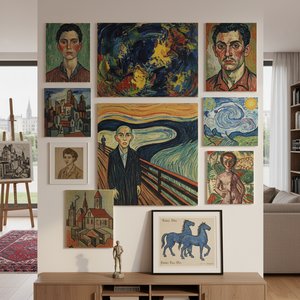
अभिव्यक्तिवाद की उत्कृष्ट कृतियाँ: शीर्ष 10 कलाकृतियाँ जो परिभाषित करती हैं | TopImpressionists
अभिव्यक्तिवाद की दुनिया में कदम रखें! वैन गॉग, मुंच और अन्य महान कलाकारों की 10 उत्कृष्ट कृतियों का अन्वेषण करें। कला इतिहास जानें, प्रेरणा पाएं और TopImpressionists.com पर संग्रहालय-गुणवत्ता वाले प्रिंट खोजें।

The Raw Emotion of Expressionism: A Deep Dive into its History, Characteristics & Enduring Influence
Explore the raw emotion of Expressionism with TopImpressionists. Discover its history, key artists like Kirchner & Munch, and lasting influence on modern art. Expert insights for collectors & enthusiasts.

Edvard Munch: Anxiety, Modernity & the Dawn of Expressionism
Explore the profound world of Edvard Munch, pioneer of Expressionism. Discover the origins of 'The Scream' & his haunting depictions of anxiety, mortality, and love. Expert analysis & high-quality reproductions at TopImpressionists.
विषयों, शैलियों और विशेषताओं के आधार पर व्यवस्थित कलाकृतियों का अन्वेषण करें।


![एडवर्ड मंच (MUUNK; नॉर्वेजियन: [ˈɛ̀dvɑɖ ˈmʊŋk]; 12 दिसंबर 1863 – 23 जनवरी 1944) एक नॉर्वेजियन चित्रकार थे। उनकी 1893 की कृति द Scream सभी पश्चिमी कला में सबसे प्रतिष्ठित और प्रशंसित छवियों में से एक बन गई है।
उनका बचपन बीमारी, शोक और परिवार में मानसिक स्थ](/media/artworks/images-thumb/46/ed/46ed5db58c87c78f9ae151041e029596.jpg)


