

 पूर्वावलोकन देखें
 भेजें
भेजें साझा करें
 विवरण देखें
 मार्गदर्शिका

 डाउनलोड करें
 समान वस्तुएं
 एक्स-रे
 स्लाइड शो देखें
 Q&A
Q&A आंकड़े
Positioning of Mobile Graphic Elements

- 200.0 x 194.0 cm


Explore Kupka's 'Positioning of Mobile Graphic Elements,' a pivotal Orphism masterpiece! Dynamic abstraction & vibrant colors capture movement and cosmic themes.
 और पढ़ें
फ्रान्तिšek कुपका: चेक कलाकार, अमूर्त कला के अग्रणी। ऑर्फिक क्यूबिज्म और रंग के अभिनव प्रयोगों के लिए जाने जाते हैं, जिन्होंने आधुनिक कला की नींव रखी। "द कलर्ड वन" जैसी कृतियों से प्रेरित।
इस पृष्ठ पर प्रदर्शित कलाकृति कॉपीराइट कानून द्वारा संरक्षित है, जिसका अर्थ है कि हम कानूनी रूप से इसकी हूबहू प्रतिलिपि बनाने या बेचने का अधिकार नहीं रखते हैं। यह संरक्षण अंतर्राष्ट्रीय समझौतों के तहत लागू किया जाता है, जैसे कि बर्न कन्वेंशन और राष्ट्रीय कानूनों द्वारा, जिनमें % द्वारा निर्धारित कानून भी शामिल हैं। अमेरिकी कॉपीराइट कानून - शीर्षक 17।
यह विधि कॉपीराइट नियमों का पूरी तरह से पालन करती है क्योंकि इसमें संरक्षित कलाकृति की नकल या प्रतिलिपि बनाना शामिल नहीं है। इसके बजाय, यह एक रचनात्मक पुनर्व्याख्या है - एक ऐसी नई पेंटिंग जो मूल कृति से प्रेरित तो है, लेकिन उसके समान नहीं है।
गिक्ली / आर्ट प्रिंट
तेज़ उत्पादन और विभिन्न फिनिश विकल्पों के साथ म्यूजियम-क्वालिटी गिकली (giclée) या कैनवस प्रिंट। ( हाथ से बनी पेंटिंग खरीदें डिजिटल इमेज पर जाएँ)




P118B ₹10

P118H ₹10

P118W ₹10

P438Z ₹10

P508JH ₹12

P508YH ₹12

P805H ₹10

P805Z ₹10

P919BZ ₹10

P919G ₹10

P919XJ ₹10

P959ZH ₹10

P968JZ ₹12

W106C ₹8

W218G ₹10

W218JH ₹8

W218Y ₹10

W307PJ ₹10

W316G ₹10

W316PJ ₹8

W316Y ₹10

W398PJ ₹8

W4111J ₹10

W500HY ₹15

W500JH ₹15

W692G ₹12

W849H ₹8

W940BG ₹15

W953PJ ₹8




मानक आकार
अनुकूलित
CM
INCH
कलाकृति के मूल अनुपात से मेल खाने वाले हमारे पूर्व निर्धारित आकारों में से चुनें।
Loading sizes...

चौड़ाई
ऊँचाई
अपने फ्रेम या अपनी दीवार के अनुसार आवश्यक चौड़ाई और ऊंचाई दर्ज करें। प्रिंट को केवल काटा जा सकता है, चित्र से बड़ा कभी नहीं बनाया जा सकता, इसलिए अलग आकार का साइज चित्र का एक हिस्सा खो देता है। किसी भी चीज़ को प्रिंट करने से पहले हम आपकी स्वीकृति के लिए आपको एक डिजिटल मॉकअप भेजते हैं। इस पृष्ठ पर दिखाया गया चित्र वास्तविक कटिंग नहीं दिखाता है — केवल मॉकअप ही इसे दर्शाता है।
विश्वव्यापी डिलीवरी (), मानक 4/5 सप्ताह के बजाय मात्र 2 सप्ताह में। (31 अक्टूबर)

दुनिया भर में मुफ़्त एक्सप्रेस शिपिंग

प्रीमियम ग्रेड लिनेन कैनवास

पूर्ण शिपिंग बीमा

सीमा शुल्क और आयात कर वापसी की गारंटी

सटीक रंग मिलान की गारंटी

100 दिनों की वापसी नीति (केवल निर्माण दोष होने पर)

100% पैसे वापसी की गारंटी

थोक छूट का अवसर
 ग्लास का विकल्प केवल 110 सेमी से कम आकार में ही उपलब्ध है।

Positioning of Mobile Graphic Elements
गिक्ली / आर्ट प्रिंट
प्रतिकृति का आकार
-


कुल मूल्य
₹ 6650
Positioning of Mobile Graphic Elements: A Dynamic Exploration of Abstraction
František Kupka's "Positioning of Mobile Graphic Elements," painted in 1913, stands as a pivotal work within the Orphism movement and a testament to Kupka’s pioneering role in abstract art. This large-scale oil on canvas (200 x 194 cm) transcends representational forms, immersing viewers in a vibrant interplay of geometric shapes and dynamic color relationships.
Orphism: The Pursuit of Pure Abstraction
Emerging as a response to Cubism's fragmented aesthetic, Orphism sought to evoke emotion through pure abstraction. Coined by Guillaume Apollinaire in 1912, the movement championed bright colors and geometric forms to create compositions that pulsate with energy and suggest movement. Kupka, alongside Robert Delaunay, was at the forefront of this artistic revolution, experimenting with curvilinear shapes and a focus on color harmony.
Key Elements and Artistic Technique
- Composition: The painting is dominated by a central spiral motif, radiating outwards into a complex arrangement of geometric forms – circles, triangles, rectangles – interwoven with flowing curves.
- Color Palette: A vibrant spectrum of colors—reds, blues, greens, yellows, and purples—are strategically employed to create depth and visual complexity. The interplay of these hues generates a sense of dynamism and optical vibration.
- Technique: Kupka utilized oil paints with a deliberate application, creating texture and layering effects that enhance the painting's three-dimensional quality. Angular lines intersect and overlap, contributing to the fractured yet harmonious composition.
Symbolism and Historical Context
Kupka’s artistic vision was deeply influenced by his interest in spiritualism and esoteric Buddhism. His abstract compositions often alluded to cosmic forces and the movement of celestial bodies. The vertical axis within the painting may reference earlier Naturalist works, demonstrating Kupka's evolving style. The work reflects a broader cultural shift towards abstraction in the early 20th century, driven by advancements in science, technology, and a desire to move beyond traditional artistic representation.
Emotional Impact and Legacy
"Positioning of Mobile Graphic Elements" evokes a sense of controlled chaos and vibrant energy. The dynamic arrangement of shapes and colors creates an immersive experience for the viewer, inviting contemplation on themes of movement, harmony, and the infinite. The painting has been exhibited in prestigious institutions like MoMA and remains a significant piece for anyone interested in the evolution of modern art, solidifying Kupka's legacy as a pioneer of abstract expression.
प्रश्न और उत्तर
"Positioning of Mobile Graphic Elements" के प्रिंट का अनुशंसित उपयोग क्या है?
फ्रांतिŠek कुपका द्वारा "Positioning of Mobile Graphic Elements" की यह प्रतिकृति Statement के लिए अनुशंसित है। यह सुझाव इस कृति के विषय, भाव और रंगों पर आधारित है।
क्या मैं "Positioning of Mobile Graphic Elements" को फुल-स्क्रीन स्लाइडशो के रूप में देख सकता हूँ?
एक स्लाइडशो उपलब्ध है: फ्रांतिŠek कुपका द्वारा "Positioning of Mobile Graphic Elements" का स्लाइडशो पेज।
फ्रांतिŠek कुपका द्वारा "Positioning of Mobile Graphic Elements" में प्रमुख रंग कौन सा है?
फ्रांतिŠek कुपका द्वारा "Positioning of Mobile Graphic Elements" का प्रमुख रंग Warm Sunset Tones है। यह रंग पैलेट का आधारभूत स्वर है।
कलाकार का परिचय
फ्रांत्सिšek कुपका: अमूर्त कला के अग्रदूत
फ्रांत्सिšek कुपका, जिनका जन्म 1871 में बोहेमिया के ओपोčno शहर में हुआ था, अमूर्त कला के उदय के साथ गूंजने वाला एक नाम है। यह परिदृश्य बाद में उनके रूपों और रंगों की खोज को सूक्ष्म रूप से प्रभावित करेगा। अकादमिक प्रशिक्षण से लेकर कट्टरपंथी अमूर्तता तक उनकी यात्रा एक तेज छलांग नहीं थी बल्कि एक क्रमिक विकास था, जो आध्यात्मिक धाराओं और दृश्य सत्य की अथक खोज से गहराई से प्रभावित था। कुपका का प्रारंभिक कार्य, जो प्राग और वियना के ललित कला अकादमी में उनके अध्ययन के दौरान ऐतिहासिक और देशभक्ति विषयों में डूबा हुआ था, तकनीकी कौशल प्रदर्शित करता था लेकिन जल्द ही परिभाषित होने वाली विशिष्ट आवाज का अभाव था। 1894 में पेरिस जाने से यह महत्वपूर्ण साबित हुआ, जिससे वह एक जीवंत कलात्मक माहौल में डूब गए जहां उन्होंने संक्षेप में एकेडेमी जूलियन में भाग लिया और बाद में इकोले डेस बीक्स-आर्ट्स में जीन-पियरे लॉरेंस के साथ अध्ययन किया। हालांकि, केवल औपचारिक प्रशिक्षण ही नहीं बल्कि सदी के अंत के पेरिस का बौद्धिक उथल-पुथल - प्रतीकावाद, नव-प्रभाववाद और फौविज्म की बढ़ती रुचि - जिसने वास्तव में उनके कलात्मक विकास को प्रज्वलित किया।शुद्ध अमूर्तता का मार्ग: प्रभाव और नवाचार
कुपका के कलात्मक प्रक्षेपवक्र को केवल सौंदर्य संबंधी विचारों से प्रेरित नहीं किया गया था; यह दार्शनिक और आध्यात्मिक पूछताछ से गहराई से आकार लिया गया था। थियोसोफी, एक रहस्यमय प्रणाली जो पूर्वी धर्मों और पश्चिमी गूढ़वाद को मिलाती है, विशेष रूप से प्रभावशाली साबित हुई। इस विश्वास प्रणाली ने सभी चीजों की अंतर्निहित एकता का अनुमान लगाया और दृश्य दुनिया के परे छिपी वास्तविकताओं को प्रकट करने की मांग की - एक अवधारणा जिसने कुपका की कलात्मक आकांक्षाओं के साथ गहराई से प्रतिध्वनित किया। उन्होंने मानना शुरू कर दिया कि कला मात्र प्रतिनिधित्व से आगे निकल सकती है और रंग, रूप और रेखा के हेरफेर के माध्यम से इन गहरी सत्यों तक पहुंच सकती है। इस दृढ़ विश्वास ने उन्हें पहचानने योग्य वस्तुओं को चित्रित करने से दूर ले जाया और दृश्य अनुभव की अधिक व्यक्तिपरक, आंतरिक खोज की ओर अग्रसर किया। उनके शुरुआती प्रयोगों में चित्रांकन और अमूर्तता की सीमाओं को धुंधला करना शामिल था, जैसा कि *जीवन की शुरुआत* जैसे कार्यों में देखा गया है, जहां प्रतीकात्मक इमेजरी उभरते अमूर्त तत्वों के साथ परस्पर जुड़ी हुई थी। उन्होंने इस खोज में अकेले नहीं थे; कुपका ने रंग और प्रकाश पर समकालीन वैज्ञानिक सिद्धांतों के साथ जुड़कर दर्शकों पर उनके मनोवैज्ञानिक प्रभावों को समझने की कोशिश की। आध्यात्मिक पूछताछ और वैज्ञानिक अवलोकन का यह विलय उनके दृष्टिकोण की एक विशिष्ट विशेषता बन गया। उन्होंने रंग को केवल वर्णनात्मक तत्व के रूप में देखना बंद कर दिया, बल्कि एक स्वतंत्र शक्ति के रूप में जो सीधे भावनाओं को जगाने और अर्थ व्यक्त करने में सक्षम थी।ऑर्फिक क्यूबिज्म और परे: एक अनूठी दृश्य भाषा
1910 की शुरुआत तक, कुपका ने एक ऐसे रास्ते पर निकल पड़े थे जिससे वह अमूर्त कला के अग्रदूतों में से एक बन गए थे। इस अवधि के उनके चित्रों, जैसे *अमोर्फा: दो रंगों में फ्यूग* (1912), सार्वजनिक रूप से प्रदर्शित पहले वास्तविक गैर-प्रतिनिधित्व वाले कार्यों में से थे, जो पारंपरिक कलात्मक प्रतिनिधित्व की धारणाओं को चुनौती देते थे। वह केवल रूप को अलग करने में रुचि नहीं रखते थे - जैसा कि कुछ क्यूबिस्ट कर रहे थे - बल्कि शुद्ध अमूर्तता पर आधारित एक नई दृश्य भाषा बनाने में रुचि रखते थे। इससे उनका ऑर्फिक क्यूबिज्म (जिसे ऑरफिज्म के नाम से भी जाना जाता है) के साथ जुड़ाव हुआ, जो रॉबर्ट डेलाउनेय द्वारा शुरू किया गया एक आंदोलन जिसने रंग और प्रकाश की गतिशील परस्पर क्रिया पर जोर दिया। हालांकि, कुपका का दृष्टिकोण डेलाउनेय से भिन्न था; जबकि दोनों ने अमूर्त रूपों का पता लगाया, कुपका ने अक्सर अंतर्निहित संरचना और लय को बनाए रखा, अपने चित्रों में संगीत रचनाओं को याद दिलाया - इसलिए "फ्यूग" और "डिस्क" जैसे शब्दों का बार-बार उपयोग। उनकी *न्यूटन की डिस्क* श्रृंखला इस खोज का उदाहरण है, जो गोलाकार रूपों को दर्शाती है जो ऊर्जा से कंपन करती हुई प्रतीत होती हैं और ब्रह्मांड के शासी बलों का सुझाव देती हैं। वह केवल सौंदर्यपूर्ण रूप से मनभावन व्यवस्थाएँ नहीं बना रहे थे; वह अंतर्निहित ब्रह्मांडीय सिद्धांतों को देखने की कोशिश कर रहे थे।विरासत और स्थायी प्रभाव
फ्रांत्सिšek कुपका के योगदान ने उनके व्यक्तिगत चित्रों से परे फैले। 1931 में एब्स्ट्रैक्शन-क्रिएशन के संस्थापक सदस्य के रूप में, एक अंतरराष्ट्रीय समूह जो अमूर्त कला को बढ़ावा देने के लिए समर्पित था, उन्होंने आधुनिकतावाद के पाठ्यक्रम को आकार देने में महत्वपूर्ण भूमिका निभाई। उनका काम अंतरराष्ट्रीय स्तर पर मान्यता प्राप्त था, जो न्यूयॉर्क के संग्रहालय ऑफ मॉडर्न आर्ट में 1936 में "क्यूबिज्म एंड एब्स्ट्रैक्ट आर्ट" जैसी ऐतिहासिक प्रदर्शनियों में प्रदर्शित किया गया था। केंडिंस्की या मोंड्रियन जैसे अधिक प्रमुख आंकड़ों द्वारा अक्सर छायांकित होने के बावजूद, कुपका की अग्रणी भावना और अनूठी दृश्य भाषा ने अमूर्त कला के इतिहास में उनके स्थान को सुरक्षित कर लिया है। उनकी विरासत आज भी कलाकारों को प्रेरित करती रहती है, हमें यह याद दिलाती है कि अमूर्तता केवल प्रतिनिधित्व को खत्म करने के बारे में नहीं है बल्कि अभिव्यक्ति की नई संभावनाओं को अनलॉक करने और वास्तविकता के छिपे आयामों को प्रकट करने के बारे में है। उन्होंने वह चित्रित नहीं किया जो उन्होंने देखा, बल्कि वह महसूस किया - और ऐसा करके, उन्होंने दृश्य अनुभव का एक ब्रह्मांड खोला। कला के मूलभूत तत्वों - रंग, रूप, रेखा - की खोज के प्रति उनका समर्पण प्रासंगिक बना हुआ है, यह दर्शाता है कि सच्ची नवीनता स्थापित मानदंडों पर सवाल उठाने और शुद्ध अमूर्तता की शक्ति को अपनाने में निहित है।कुपका के कार्य वाली संग्रहालय
- सोलोमन आर. गुगेनहाइम संग्रहालय (न्यूयॉर्क, संयुक्त राज्य अमेरिका)
- पेरिस का आधुनिक कला संग्रहालय (पेरिस, फ्रांस)
- गैलरी मानेस (प्राग, चेक गणराज्य)

फ्रांतिŠek कुपका
1871 - 1957 , चेक गणराज्य
संक्षिप्त जानकारी
- Artistic Movement Or Style: अमूर्त कला, ओर्फिक क्यूबिज्म
- Artists Or Movements Influenced By This Artist: ['ओर्फिज्म']
- Date Of Birth: 23 सितंबर 1871
- Date Of Death: 1957
- Full Name: फ्रांतिšek कुपका
- Nationality: चेक
- Notable Artworks (List Of Titles):
- द कलर्ड वन
- अराउंड ए पॉइंट
- Place Of Birth (City And Country): ओपावा, चेक गणराज्य
संबंधित लेखों की सूची

Mastering Abstraction: The 25 Most Iconic Works by Wassily Kandinsky
Explore 25 iconic Kandinsky masterpieces and the birth of abstraction. Discover the full collection online at TopImpressionists.com.

Beyond Form & Color: Geometric Abstraction's Enduring Legacy in Art History
Explore the captivating world of geometric abstraction! Discover its origins, key artists like Malevich & Mondrian, and why this movement remains highly valued by art collectors today. Expert insights at TopImpressionists.

ज्यामितीय अमूर्तता: शीर्ष 10 उत्कृष्ट कृतियाँ जो कला को नया आकार देती हैं | TopImpressionists.com
ज्यामितीय अमूर्तता की शीर्ष 10 उत्कृष्ट कृतियों का अन्वेषण करें! पिकासो, मोंड्रियन और अन्य कलाकारों के प्रेरणादायक कार्यों से कला इतिहास जानें। TopImpressionists.com पर उच्च गुणवत्ता वाली कला प्रिंट और कैनवास खरीदें।

Beyond Form & Color: Geometric Abstraction's Evolution in 20th/21st Century Art
Explore the evolution of geometric abstraction from Cubism to contemporary art. Discover key artists like Malevich & Mondrian, investment insights, and expert collecting advice at TopImpressionists.
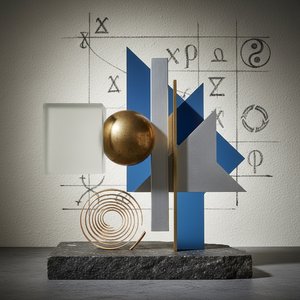
Beyond Form: Exploring the Philosophical Foundations of Geometric Abstraction
Explore the philosophical roots & artistic evolution of geometric abstraction with TopImpressionists. Discover Mondrian, Malevich, De Stijl & more. Expert insights for collectors and art enthusiasts.