एटेलियर — दुनिया भर में मुफ्त शिपिंग — डिलीवरी का समय: 2–6 सप्ताह
Sell Your Art विशलिस्ट कार्ट
PreviewPreview प्रिंट खरीदें प्रिंट खरीदेंछवि खरीदें छवि खरीदें साझा करेंसाझा करें
विस्तृत विवरणविस्तृत विवरण पसंदीदा में जोड़ें पसंदीदा में जोड़ें डाउनलोड करेंडाउनलोड करें समान कलाकृतियाँसमान कलाकृतियाँ एक्स-रेएक्स-रे स्लाइड शो देखेंस्लाइड शो देखें

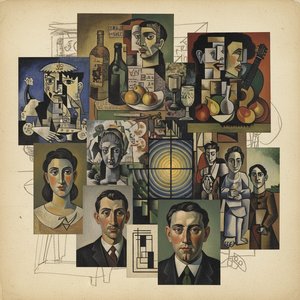
Vanitas

Georges Braque’s haunting ‘Vanitas,’ painted in 1939, confronts mortality through Cubist fragmentation and muted earthy tones—a masterful meditation on decay and remembrance within the heart of modernist art. Explore this iconic piece and bring timeless beauty into your home.

जॉर्ज ब्राक (1882-1963) एक फ्रांसीसी चित्रकार थे जिन्होंने पिकासो के साथ मिलकर क्यूबिज्म आंदोलन को जन्म दिया। 'हाउसेस एट ल'एस्ताक' जैसी उत्कृष्ट कृतियों के लिए जाने जाते हैं, उन्होंने कला में परिप्रेक्ष्य और प्रतिनिधित्व की पारंपरिक धारणाओं को चुनौती दी।

हाथ से बनी ऑयल रिप्रोडक्शन

आपके आकार और फ्रेम के अनुसार कैनवास पर हाथ से बनी ऑयल पेंटिंग, हमारे कलाकारों द्वारा विशेष रूप से ऑर्डर पर तैयार।

P118B $10
P118H $10
P118W $10
P438Z $10
P508JH $12
P508YH $12
P805H $10
P805Z $10
P919BZ $10
P919G $10
P919XJ $10
P959ZH $10
P968JZ $12
W106C $8
W218G $10
W218JH $8
W218Y $10
W307PJ $10
W316G $10
W316PJ $8
W316Y $10
W398PJ $8
W4111J $10
W500HY $15
W500JH $15
W692G $12
W849H $8
W940BG $15
W953PJ $8

Standard
custom
CM
INCH

कलाकृति के मूल अनुपात से मेल खाने वाले हमारे पूर्व निर्धारित आकारों में से चुनें।

चौड़ाई
ऊँचाई

आप किसी विशिष्ट फ्रेम या स्थान के अनुसार अपने स्वयं के आयाम (dimensions) दर्ज कर सकते हैं। यदि आपके द्वारा चुना गया आकार मूल छवि के अनुपात से मेल नहीं खाता है, तो हम कलाकृति को क्रॉप करेंगे या पेंटिंग में अतिरिक्त हाथ से चित्रित तत्व जोड़कर उसका विस्तार करेंगे। उत्पादन शुरू होने से पहले आपकी स्वीकृति के लिए एक डिजिटल मॉकअप भेजा जाएगा।
कृपया ध्यान दें कि स्क्रीन पर दिखने वाला पूर्वावलोकन वास्तविक क्रॉपिंग या विस्तार को नहीं दर्शाता है। केवल मॉकअप ही अंतिम रचना को सटीक रूप से दिखाएगा।
यद्यपि कस्टम आकार उपलब्ध हैं, फिर भी हम मूल अनुपात बनाए रखने के लिए पूर्व-निर्धारित सूची से आयाम चुनने की सलाह देते हैं।

बदलाव के कुछ उदाहरण: चेहरे को ग्राहक की फोटो से बदलें; पालतू जानवर जोड़ें (जैसे बिल्ली की जगह कुत्ता); बैकग्राउंड में कोई छिपा हुआ संदेश शामिल करें; बैकग्राउंड का परिदृश्य या तत्व बदलें।
ऑर्डर देने के बाद, TopImpressionists.com टीम निर्देशों के लिए क्लाइंट को ईमेल करेगी और एक मॉकअप प्रीव्यू प्रदान करेगी

विश्वव्यापी वितरण () मानक 5 सप्ताह के बजाय मात्र 3/4 सप्ताह में। (24 जुलाई)। गुणवत्ता से कोई समझौता नहीं।

why_choose_icon
दुनिया भर में मुफ़्त एक्सप्रेस शिपिंग
why_choose_icon
उच्च गुणवत्ता वाला लिनेन कैनवास
why_choose_icon
पूर्ण शिपिंग बीमा
why_choose_icon
सीमा शुल्क और आयात कर वापसी की गारंटी
why_choose_icon
सटीक रंग मिलान की गारंटी
why_choose_icon
60-दिन की वापसी नीति (केवल दोषों के लिए)
why_choose_icon
100% पैसे वापसी की गारंटी
why_choose_icon
थोक छूट का लाभ

कुल कीमत

-

reproduction

Vanitas

प्रतिकृति की विधि

प्रतिकृति का आकार

-

कुल देय राशि

-

प्रमुख विशेषताएँ

  • Movement: Cubism
  • Artist: Georges Braque
  • Artistic style: Still Life
  • Location: Private Collection
  • Medium: Oil on canvas
  • Year: 1939
  • Subject or theme: Memento Mori

कला प्रश्नोत्तरी

प्रत्येक प्रश्न का केवल एक ही सही उत्तर है।

प्रश्न 1:
What artistic movement is Georges Braque’s ‘Vanitas’ primarily associated with?
प्रश्न 2:
The skull in the painting symbolizes what concept commonly found in Vanitas paintings?
प्रश्न 3:
What is a key characteristic of Braque’s depiction of the furniture items (couch, chairs, bench)?
प्रश्न 4:
The inclusion of objects like vases, bottles, bowls, and books contributes to the overall theme of ‘Vanitas’. What does this thematic element represent?
प्रश्न 5:
Georges Braque’s ‘Vanitas’ was created in 1939. Considering the historical context, what significant event influenced artistic production during this period?

कलाकृति का विवरण

Georges Braque’s “Vanitas”: A Meditation on Mortality and Artistic Transformation

The painting "Vanitas," executed by Georges Braque in 1939, stands as a poignant emblem of the anxieties inherent within the burgeoning modernist movement. More than just a still life—a genre favored by Braque—it's an elaborate visual dialogue exploring themes of decay, remembrance, and the fleeting nature of earthly existence, encapsulated within a deceptively serene composition. This artwork isn’t merely aesthetically pleasing; it’s steeped in symbolism derived from centuries of artistic tradition, specifically referencing the medieval concept of Vanitas Dei – “the vanity of God,” representing the futility of worldly pursuits against the inevitable march toward death.
  • Subject Matter: Braque meticulously renders a skull resting upon a draped couch alongside a crucifix—a stark juxtaposition designed to confront viewers with the inescapable reality of mortality.
  • Style and Technique: Characteristic of Cubism, “Vanitas” employs fragmented perspectives and overlapping planes to dismantle traditional representation. The artist’s masterful use of muted earthy tones – browns, ochres, and creams – contributes to an atmosphere of solemn contemplation rather than dramatic grandeur. Braque skillfully blends oil paint with pastel chalk, creating a textured surface that enhances the visual impact.
The surrounding objects—a chair, a bench, three vases filled with withered flowers, a bottle, a bowl, and two books—further amplify the painting’s symbolic weight. Each item speaks to aspects of human experience: the chair represents comfort and repose, yet it is ultimately immobile; the vase symbolizes beauty and vitality, now consumed by time; the book embodies knowledge and wisdom, but its pages are blank, signifying lost opportunities. These carefully chosen elements underscore the overarching preoccupation with transience—the idea that all earthly achievements will eventually crumble into dust. Historical Context: Created during a period of profound intellectual upheaval following World War I, “Vanitas” reflects the disillusionment felt by many artists grappling with the horrors of conflict and questioning established moral certainties. Braque’s exploration of decay aligns perfectly with the broader artistic impulse to confront existential anxieties—a reaction against the optimism prevalent in earlier eras. Emotional Impact: “Vanitas” transcends mere visual observation; it compels contemplation on fundamental questions about life, death, and purpose. The painting's subdued palette and meticulous detail evoke a sense of melancholy and acceptance, prompting viewers to consider their own mortality and the importance of cherishing fleeting moments of beauty and connection. It serves as a powerful reminder that earthly pleasures are ultimately ephemeral.
  • Reproduction Recommendation: TopImpressionists offers exceptional hand-painted reproductions of “Vanitas,” meticulously crafted by skilled artisans to faithfully capture Braque’s artistic vision. Explore our collection and bring this evocative masterpiece into your home or studio—a timeless testament to the enduring power of art.

कलाकार का जीवन परिचय

जॉर्जेस ब्राक: आधुनिक कला के एक पथप्रदर्शक

जॉर्जेस ब्राक, जिनका जन्म 1882 में अर्जेंटीनाइल, फ्रांस में हुआ था, बीसवीं सदी के सबसे प्रभावशाली कलाकारों में से एक थे। उनकी यात्रा एक साधारण घर-चित्रकार के बेटे से शुरू हुई, लेकिन जल्द ही उन्होंने कला की दुनिया में अपनी पहचान बनाई। शुरुआती दिनों में, ब्राक ने इंप्रेशनिस्ट शैली का अनुसरण किया, लेकिन 1905 में फाविज़्म (Fauvism) के प्रभाव में आने के बाद उनका काम एक नया मोड़ ले गया। हेनरी मैटिस और आंद्रे डेरेन जैसे कलाकारों के साथ काम करते हुए, उन्होंने रंगों के प्रयोग से कला को नई ऊंचाइयों पर पहुंचाया। हालांकि, ब्राक की रचनात्मकता यहीं नहीं रुकी; उन्होंने पॉल सेज़ान के कार्यों का गहन अध्ययन किया, जिससे उन्हें ज्यामितीय रूपों और बहु-दृष्टिकोणों में रुचि पैदा हुई – यह एक ऐसा मोड़ था जिसने उन्हें पाब्लो पिकासो के साथ मिलकर क्यूबिज्म (Cubism) नामक एक क्रांतिकारी कला आंदोलन की शुरुआत करने के लिए प्रेरित किया।

क्यूबिज्म का जन्म: पिकासो के साथ साझेदारी

ब्राक और पिकासो की साझेदारी आधुनिक कला के इतिहास में एक महत्वपूर्ण अध्याय है। 1907 से लेकर प्रथम विश्व युद्ध तक, इन दोनों कलाकारों ने मिलकर काम किया और क्यूबिज्म को आकार दिया। उन्होंने वस्तुओं को खंडों में विभाजित करके उन्हें विभिन्न दृष्टिकोणों से चित्रित करना शुरू कर दिया, जिससे पारंपरिक परिप्रेक्ष्य का भ्रम टूट गया। उनके शुरुआती कार्यों में "हाउस एट ल'एस्ताक" (Houses at L'Estaque) जैसे चित्रों में भूरे और हरे रंग के सीमित उपयोग ने उनकी कला में एक विशेष आकर्षण जोड़ा। 1909 के आसपास, उन्होंने मिलकर काम करते हुए एक-दूसरे की शैलियों को इतना प्रभावित किया कि उनके कार्यों को अलग करना मुश्किल हो गया था। यह साझेदारी न केवल कलात्मक रूप से महत्वपूर्ण थी, बल्कि इसने क्यूबिज्म को एक नई दिशा दी और इसे दुनिया भर में फैलाया।

कोलाज का नवाचार: कला में वास्तविकता का समावेश

क्यूबिज्म के विकास में ब्राक का सबसे महत्वपूर्ण योगदान कोलाज (collage) का प्रयोग था। 1912 में, उन्होंने अखबार की क्लिपिंग और अन्य रोजमर्रा की वस्तुओं को अपने चित्रों में शामिल करना शुरू कर दिया। यह नवाचार कला और जीवन के बीच की रेखाओं को धुंधला करता है और पारंपरिक चित्रकला की सीमाओं को चुनौती देता है। *पापियर कॉले* (papier collé) नामक तकनीक का उपयोग करके, ब्राक ने अपनी रचनाओं में बनावट और गहराई जोड़ी, जिससे दर्शक वास्तविकता और प्रतिनिधित्व के बीच के संबंध पर विचार करने के लिए मजबूर हो गए। यह प्रयोग न केवल क्यूबिज्म को आगे बढ़ाया बल्कि पॉप आर्ट जैसे भविष्य के कला आंदोलनों के लिए भी मार्ग प्रशस्त किया।

युद्ध के बाद का विकास: शांत चिंतन और व्यक्तिगत अभिव्यक्ति

प्रथम विश्व युद्ध ने ब्राक की रचनात्मक यात्रा में एक महत्वपूर्ण विराम दिया। युद्ध में उनकी भागीदारी ने उन्हें गहरे रूप से प्रभावित किया, जिसके परिणामस्वरूप उनके बाद के कार्यों में अधिक व्यक्तिगत और चिंतनशील विषयों का उदय हुआ। युद्ध के बाद, उन्होंने शास्त्रीय रचनाओं और स्थिर जीवन (still life) में रुचि दिखाई। उनके परिदृश्य और आंतरिक दृश्य शांत वातावरण और रंगों के सूक्ष्म सामंजस्य द्वारा चिह्नित थे। ब्राक ने अपनी कला में ज्यामितीय प्रभावों को बनाए रखा, लेकिन उन्होंने अधिक भावनात्मक गहराई और व्यक्तिगत अभिव्यक्ति को जोड़ा। उनकी कला अब केवल एक बौद्धिक प्रयोग नहीं थी, बल्कि यह मानवीय अनुभव की गहरी समझ का प्रतिबिंब भी थी।

विरासत: आधुनिक कला पर प्रभाव

जॉर्जेस ब्राक की विरासत आधुनिक कला पर उनके गहरे प्रभाव में निहित है। उन्होंने न केवल क्यूबिज्म के विकास में महत्वपूर्ण भूमिका निभाई, बल्कि उन्होंने कलात्मक अभिव्यक्ति के नए तरीकों को भी खोजा। उनकी साझेदारी पाब्लो पिकासो के साथ और कोलाज का उनका नवाचार कला इतिहास में हमेशा याद किया जाएगा। ब्राक की कला ने अनगिनत कलाकारों को प्रेरित किया है और आधुनिक कला के पाठ्यक्रम को आकार दिया है। वे एक सच्चे पथप्रदर्शक थे जिन्होंने कला को नई ऊंचाइयों पर पहुंचाया और हमें दुनिया को देखने के नए तरीके सिखाए।

प्रमुख कृतियाँ

  • हाउस एट ल'एस्ताक (Houses at L'Estaque)
  • द पेशेंस (The Patience)
  • वायोलिन एंड पैलेट (Violin and Palette)
  • मंडोला (Mandola)

प्रभाव और प्रेरणाएँ

  • प्रभावित: हेनरी मैटिस, आंद्रे डेरेन
  • प्रेरणा: पॉल सेज़ान
  • कलात्मक आंदोलन: क्यूबिज्म, फाविज़्म
जॉर्ज ब्राक

जॉर्ज ब्राक

1882 - 1963 , फ्रांस

मुख्य तथ्य

  • कलात्मक शैली: घनवाद, प्रभाववाद
  • जन्म तिथि: 13 मई 1882
  • जन्म स्थान: आर्गेंत्यूइल, फ्रांस
  • पूरा नाम: जॉर्ज ब्राक
  • प्रभावित आंदोलन:
    • पाब्लो पिकासो
    • आधुनिक कला
  • प्रभावित कलाकार:
    • हेनरी मैटिस
    • आंद्रे डेरेन
    • पॉल सेज़ान
  • प्रमुख कलाकृतियाँ:
    • ल'एस्ताक के घर
    • धैर्य
    • वायलिन और पैलेट
  • मृत्यु तिथि: 31 अगस्त 1963
  • राष्ट्रीयता: फ्रांसीसी
विषयों, शैलियों और विशेषताओं के आधार पर व्यवस्थित कलाकृतियों का अन्वेषण करें।
© TopImpressionists.com — सर्वाधिकार सुरक्षित  ·  100% हाथ से पेंट किया हुआ · संतुष्टि की गारंटी · दुनिया भर में मुफ्त शिपिंग
VISA MASTERCARD