


 पूर्वावलोकन देखें
 भेजें
भेजें साझा करें
 विवरण देखें
 मार्गदर्शिका

 डाउनलोड करें
 समान वस्तुएं
 एक्स-रे
 स्लाइड शो देखें
 आंकड़े
Green Tree Form
 Oil On Canvas
- WallArt
- Surreal Expressionism
 1940
1940- Modern
 61.0 x 55.0 cm
 ब्रिटिश काउंसिल कलेक्शन
This artwork exemplifies Sutherland's signature style, merging English landscape painting traditions with European avant-garde influences like Surrealism. Notable exhibitions include Tate Britain and the National Gallery, showcasing his enduring contribution to British Modern art.
 और पढ़ें
ग्रेहम विवियन सदरलैंड (1903-1980) एक प्रमुख ब्रिटिश आधुनिक कलाकार थे, जो अपने अतियथार्थवादी परिदृश्यों और प्रतिष्ठित कोवेंट्री कैथेड्रल टेपेस्ट्री के लिए प्रसिद्ध हैं। उनके प्रिंट्स, पोर्ट्रेट्स और युद्ध कला का अन्वेषण करें।
इस पृष्ठ पर प्रदर्शित कलाकृति कॉपीराइट कानून द्वारा संरक्षित है, जिसका अर्थ है कि हम कानूनी रूप से इसकी हूबहू प्रतिलिपि बनाने या बेचने का अधिकार नहीं रखते हैं। यह संरक्षण अंतर्राष्ट्रीय समझौतों के तहत लागू किया जाता है, जैसे कि बर्न कन्वेंशन और राष्ट्रीय कानूनों द्वारा, जिनमें % द्वारा निर्धारित कानून भी शामिल हैं। अमेरिकी कॉपीराइट कानून - शीर्षक 17।
यह विधि कॉपीराइट नियमों का पूरी तरह से पालन करती है क्योंकि इसमें संरक्षित कलाकृति की नकल या प्रतिलिपि बनाना शामिल नहीं है। इसके बजाय, यह एक रचनात्मक पुनर्व्याख्या है - एक ऐसी नई पेंटिंग जो मूल कृति से प्रेरित तो है, लेकिन उसके समान नहीं है।
गिक्ली / आर्ट प्रिंट
तेज़ उत्पादन और विभिन्न फिनिश विकल्पों के साथ म्यूजियम-क्वालिटी गिकली (giclée) या कैनवस प्रिंट। ( हाथ से बनी पेंटिंग खरीदें डिजिटल इमेज पर जाएँ)




P118B ₹10

P118H ₹10

P118W ₹10

P438Z ₹10

P508JH ₹12

P508YH ₹12

P805H ₹10

P805Z ₹10

P919BZ ₹10

P919G ₹10

P919XJ ₹10

P959ZH ₹10

P968JZ ₹12

W106C ₹8

W218G ₹10

W218JH ₹8

W218Y ₹10

W307PJ ₹10

W316G ₹10

W316PJ ₹8

W316Y ₹10

W398PJ ₹8

W4111J ₹10

W500HY ₹15

W500JH ₹15

W692G ₹12

W849H ₹8

W940BG ₹15

W953PJ ₹8




मानक आकार
अनुकूलित
CM
INCH
कलाकृति के मूल अनुपात से मेल खाने वाले हमारे पूर्व निर्धारित आकारों में से चुनें।
Loading sizes...

चौड़ाई
ऊँचाई
अपने फ्रेम या अपनी दीवार के अनुसार आवश्यक चौड़ाई और ऊंचाई दर्ज करें। प्रिंट को केवल काटा जा सकता है, चित्र से बड़ा कभी नहीं बनाया जा सकता, इसलिए अलग आकार का साइज चित्र का एक हिस्सा खो देता है। किसी भी चीज़ को प्रिंट करने से पहले हम आपकी स्वीकृति के लिए आपको एक डिजिटल मॉकअप भेजते हैं। इस पृष्ठ पर दिखाया गया चित्र वास्तविक कटिंग नहीं दिखाता है — केवल मॉकअप ही इसे दर्शाता है।
विश्वव्यापी डिलीवरी (), मानक 4/5 सप्ताह के बजाय मात्र 2 सप्ताह में। (24 अक्टूबर)

दुनिया भर में मुफ़्त एक्सप्रेस शिपिंग

प्रीमियम ग्रेड लिनेन कैनवास

पूर्ण शिपिंग बीमा

सीमा शुल्क और आयात कर वापसी की गारंटी

सटीक रंग मिलान की गारंटी

100 दिनों की वापसी नीति (केवल निर्माण दोष होने पर)

100% पैसे वापसी की गारंटी

थोक छूट का अवसर
 ग्लास का विकल्प केवल 110 सेमी से कम आकार में ही उपलब्ध है।

Green Tree Form
गिक्ली / आर्ट प्रिंट
प्रतिकृति का आकार
-


कुल मूल्य
₹ 6618
A Visionary Encounter with Nature's Hidden Soul
In the quiet tension of 1940, amidst the gathering shadows of World War II, Graham Vivian Sutherland birthed a masterpiece that would redefine the boundaries of the British landscape. “Green Tree Form” is not merely a depiction of flora; it is a profound psychological encounter with the natural world. At first glance, the viewer is met with a vibrant, lush vitality—a large, commanding green tree with a striking yellow trunk that seems to bend under an unseen weight. Yet, as one lingers before the canvas, the initial impression of pastoral beauty gives way to something far more complex and enigmatic. The composition possesses a rhythmic, almost breathing quality, where the sinuous branches and dense foliage create a sense of movement that is both captivating and subtly unsettling.
Sutherland, a titan of British Modernism, possessed a singular ability to infuse the familiar contours of the earth with a sense of spiritual unease. In this work, he masterfully employs the principles of Surrealism and Expressionism to transcend literal representation. The way the trunk arches suggests a living, sentient entity, perhaps reacting to the very atmospheric anxieties of the era. This is not the tranquil landscape of the English tradition; it is a dreamscape where the organic forms are slightly distorted, inviting the observer to look beyond the surface and contemplate the deeper, often turbulent, emotional truths hidden within the woods.
The Alchemy of Texture and Light
Technically, “Green Tree Form” serves as a testament to Sutherland’s meticulous command over medium and texture. The painting is a study in the interplay between light and shadow, where the verdant greens are layered to create a sense of immense depth and density. The artist utilizes a palette that balances the brightness of the yellow trunk against more muted, earthy tones, ensuring that the central focal point commands the viewer's attention while allowing the surrounding elements—such as the two delicate birds positioned within the canopy—to provide moments of unexpected grace. These avian figures act as small anchors of life within the larger, more imposing structure of the tree, adding a layer of narrative intrigue and movement to the scene.
For the discerning collector or interior designer, this piece offers an unparalleled opportunity to introduce a sense of sophisticated drama into a space. The dynamic composition and the bold use of color make it a versatile centerpiece, capable of anchoring a room with its commanding presence. Whether placed in a contemporary gallery setting or a classic study, the painting’s ability to evoke both tranquility and mystery ensures it remains a conversation piece for generations. To possess a reproduction of this work is to bring a fragment of 20th-century modernism into one's home—a piece that does not merely decorate a wall but breathes life and intellectual depth into the very atmosphere of a room.
प्रश्न और उत्तर
क्या "Green Tree Form" में से एक ग्रेहम विवियन सदरलैंड की सबसे लोकप्रिय कृतियों में से एक है?
"Green Tree Form" को Recognized के रूप में वर्गीकृत किया गया है।
"Green Tree Form" किस भावना से जुड़ा है?
ग्रेहम विवियन सदरलैंड द्वारा "Green Tree Form" के लिए दर्ज किया गया भावनात्मक स्वर Mysterious है। यह उस भावना का सार प्रस्तुत करता है जो यह कृति व्यक्त करती है।
ग्रेहम विवियन सदरलैंड द्वारा "Green Tree Form" का प्रमुख रंग क्या है?
Phthalo Green (#1c161c), ग्रेहम विवियन सदरलैंड द्वारा "Green Tree Form" का प्रमुख रंग है।
कलाकार का परिचय
ग्रेहम विवियन सदरलैंड के दूरदर्शी परिदृश्य
ब्रिटिश आधुनिकतावाद के दिग्गज, ग्रेहम विवियन सदरलैंड के पास प्राकृतिक दुनिया की परिचित आकृतियों को कुछ अत्यंत विचलित करने वाले और गहरे आध्यात्मिक रूप में बदलने की दुर्लभ क्षमता थी। 1903 में लंदन के स्ट्रेथम में जन्मे, सदरलैंड की यात्रा निरंतर परिवर्तन की एक गाथा थी। हालाँकि उनके प्रारंभिक वर्ष एप्सम कॉलेज में शास्त्रीय शिक्षा से आकार ले चुके थे, लेकिन उनकी वास्तविक पुकार उनके परिवार के कानूनी हलकों से बहुत दूर प्रकट हुई। मिडलैंड रेलवे लोकोमोटिव वर्क्स में एक प्रशिक्षु के रूप में तकनीकी दुनिया में उनके शुरुआती प्रवेश ने उन्हें सटीकता की वह नींव प्रदान की, जो बाद में उनकी जटिल प्रिंटमेकिंग और बनावट वाली तेल चित्रों (oil paintings) में दिखाई देने लगी। जैसे ही उन्होंने गोल्डस्मिथ स्कूल ऑफ आर्ट में प्रवेश किया, सदरलैंड पारंपरिक चित्रण से दूर होने लगे और खुद को नक्काशी (engraving) और एचिंग (etching) की प्रभावशाली शक्ति की ओर आकर्षित पाया।
कलाकार का प्रारंभिक सौंदर्यशास्त्र सैमुअल पाल्मर के रूमानीवाद में गहराई से निहित था, फिर भी उन्होंने अतीत से बंधे रहने से इनकार कर दिया। इसके बजाय, सदरलैंड ने अंग्रेजी ग्रामीण परंपरा और यूरोपीय आधुनिकतावादी आंदोलनों की क्रांतिकारी ऊर्जा के बीच एक सेतु के रूप में कार्य किया। अतियथार्थवाद (Surrealism) के स्वप्निल तर्क और अभिव्यक्तिवाद (Expressionism) की कच्ची भावुकता को आत्मसात करके, उन्होंने एक ऐसी दृश्य भाषा विकसित की जो भौतिक परिदृश्य और मनोवैज्ञानिक स्थिति दोनों को पकड़ सकती थी। उनके शुरुआती प्रिंट्स, जो रहस्य और जैविक आकृतियों की भावना से युक्त थे, ने प्रकृति की "अजीबोगरीब" सुंदरता के प्रति जुनून से परिभाषित एक करियर की आधारशिला रखी—एक ऐसा विषय जो उनकी सबसे स्थायी विरासत बन गया।
प्रकृति की छाया और युद्ध के वर्ष
1940 का दशक सदरलैंड के विकास में एक महत्वपूर्ण युग था, क्योंकि उनका ध्यान प्रिंटमेकिंग के नाजुक माध्यम से हटकर तेल चित्रकला की सघन और जीवंत बनावट (impasto textures) की ओर स्थानांतरित हो गया। इसी अवधि के दौरान पेम्ब्रोकशायर के ऊबड़-खाबड़ और हवाओं से झुलसे परिदृश्य उनके मुख्य प्रेरणास्रोत बन गए। थॉर्न ट्री जैसे कार्यों में, कोई भी कलाकार वानस्पतिक वास्तविकता को अतियथार्थवादी विरूपण के साथ मिश्रित करने की उनकी महारत देख सकता है। उन्होंने केवल पेड़ों का चित्रण नहीं किया; उन्होंने जीवन के तनाव, संघर्ष और उसकी अस्थि-पंजर जैसी संरचना को चित्रित किया। इस काल ने उन्हें देखने के एक अधिक अमूर्त, फिर भी गहरे प्रतीकात्मक तरीके की ओर अग्रसर किया, जहाँ कांटे, जड़ें और मुड़ी हुई शाखाएं मानवीय भेद्यता और लचीलेपन के रूपक के रूप में कार्य करती थीं।
द्वितीय विश्व युद्ध ने उनके काम में एक अलग, अधिक गंभीर आयाम पेश किया। एक आधिकारिक युद्ध कलाकार के रूप में सेवा करते हुए, सदरलैंड ने अपनी दृष्टि ब्रिटिश होम फ्रंट के औद्योगिक और अक्सर डरावने दृश्यों की ओर मोड़ दी। इस युग के उनके चित्र, जैसे कि फ्लाईंग बॉम्ब डिपो द कैवर्न्स, वातावरण के निर्माण की उत्कृष्ट मिसाल हैं। भारी बनावट और ऐसे रंगों के माध्यम से जो क्षय और भय दोनों को जगाते हैं, उन्होंने युद्धकालीन आंतरिक दृश्यता की भयावह शून्यता को कैद किया। ये कार्य केवल दस्तावेजीकरण नहीं थे; वे चिंता और विनाश की मंडराती उपस्थिति से चिह्नित एक युग के मनोवैज्ञानिक चित्र थे, जो युद्धरत दुनिया की खंडित वास्तविकता को दर्शाते थे।
प्रतीकवाद और भव्यता की विरासत
युद्ध के बाद के वर्षों में, सदरलैंड का कार्य आध्यात्मिक और सार्वजनिक महत्व की नई ऊंचाइयों पर पहुँच गया। उन्होंने अपने जैविक रूपांकनों के साथ धार्मिक प्रतीकों को एकीकृत करना शुरू किया, जिससे पवित्र और प्राकृतिक का एक शक्तिशाली संश्लेषण निर्मित हुआ। यह उनके सबसे स्मारकीय उपलब्धियों में से एक के साथ चरमोत्कर्ष पर पहुँचा: नए कोवेंट्री कैथेड्रल के विशाल केंद्रीय टेपेस्ट्री का डिजाइन, जिसका शीर्षक था क्राइस्ट इन ग्लोरी इन द टेट्रामॉर्फ। यह कार्य, जिसने बड़े पैमाने पर रूप और रंग को नियंत्रित करने की उनकी क्षमता का उपयोग किया, युद्ध के बाद के ब्रिटेन के सांस्कृतिक पुनर्निर्माण में उनकी भूमिका के प्रमाण के रूप में खड़ा है।
अपने समृद्ध करियर के दौरान, सदरलैंड की बहुमुखी प्रतिभा ने उन्हें कई विधाओं में एक अमिट छाप छोड़ने की अनुमति दी:
- चित्रकला (Portraiture): सार्वजनिक हस्तियों की मनोवैज्ञानिक गहराई को पकड़ने की उनकी क्षमता, जैसे कि उनका गरिमामय और उदास समरसेट मॉघम।
- प्रिंटमेकिंग: एचिंग और नक्काशी की सटीकता के प्रति जीवन भर का समर्पण जिसने रेखा और संरचना के प्रति उनकी समझ को समृद्ध किया।
- सजावटी कला (Decorative Arts): टेपेस्ट्री डिजाइन और ग्लास आर्ट में उनका योगदान, जो आधुनिक अमूर्तता को कार्यात्मक सुंदरता के क्षेत्र में लेकर आया।
अंततः, ग्रेहम सदरलैंड 20वीं सदी की कला के एक आधार स्तंभ बने हुए हैं क्योंकि उन्होंने परिदृश्य की सतह के नीचे देखने का साहस किया। उन्होंने वास्तविकता के भीतर अतियथार्थवाद और जैविक संरचना के भीतर दिव्यता को खोजा। उनकी विरासत केवल संग्रहालयों में ही नहीं पाई जाती, बल्कि उस तरीके में भी पाई जाती है जिससे हम अपने आसपास की छिपी हुई, अक्सर नुकीली सुंदरता को देखते हैं—एक ऐसी दुनिया जहाँ हर कांटा एक कहानी समेटे हुए है और हर छाया में एक रहस्य छिपा है।

ग्रेहम विवियन सदरलैंड
1903 - 1980 , यूनाइटेड किंगडम
संक्षिप्त जानकारी
- Artistic Movement Or Style: अतियथार्थवाद (Surrealism)
- Artists Or Movements Influenced By This Artist: ['पॉल नैश']
- Artists Who Influenced This Artist:
- सैमुअल पामर
- एफ.एल. ग्रिग्स
- Date Of Birth: 24 अगस्त, 1903
- Date Of Death: 17 फरवरी, 1980
- Full Name: ग्राहम विवियन सदरलैंड
- Nationality: ब्रिटिश
- Notable Artworks:
- फ्लाइंग बम डिपो
- एंट्रेंस टू अ लेन
- Place Of Birth: लंदन, इंग्लैंड
संबंधित लेखों की सूची

Capturing the Soul of Nature: A Journey Through the Sublime Majesty of American Romanticism
Explore the breathtaking beauty of American Romanticism. Discover how Hudson River School masters captured the sublime spirit of the wilderness through luminous oil landscapes and emotional depth. A journey into the soul of nature for the true art enthusiast.
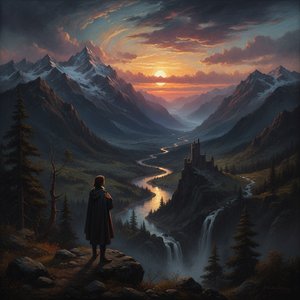
Capturing the Soul: The Emotional Majesty and Sublime Power of Romantic Landscape Painting
Explore the profound emotional depth of Romantic landscape painting. Discover how masters like Turner and Friedrich captured the sublime power of nature through intuition and imagination in this expert art history retrospective.

Capturing the Soul: The Emotional Magic and Sublime Grandeur of Romantic Landscape Painting
Explore the profound emotional depth of Romantic landscape painting. Discover how masters like Friedrich and Turner captured the sublime through light, shadow, and nature's power in this expert art history retrospective for discerning collectors.
विषयों, शैलियों और विशेषताओं के आधार पर व्यवस्थित कलाकृतियों का अन्वेषण करें।
