

Shown: · With its frame:
 पूर्वावलोकन देखें
 भेजें
भेजें साझा करें
 विवरण देखें
 मार्गदर्शिका

 डाउनलोड करें
 समान वस्तुएं
 एक्स-रे
 स्लाइड शो देखें
 Q&A
Q&A आंकड़े
Hope


₹ 25828
हस्तनिर्मित ऑयल रिप्रोडक्शन
आपके आकार और फ्रेम के अनुसार कैनवास पर हाथ से बनी ऑयल पेंटिंग, हमारे कलाकारों द्वारा विशेष रूप से ऑर्डर पर तैयार। ( प्रिंट विकल्प पर जाएँ डिजिटल इमेज पर जाएँ)
Size
·मानक आकार
अनुकूलित
CM
INCH
कलाकृति के मूल अनुपात से मेल खाने वाले हमारे पूर्व निर्धारित आकारों में से चुनें।
Loading sizes...

चौड़ाई
ऊँचाई
अपने फ्रेम या अपनी दीवार के अनुसार आवश्यक चौड़ाई और ऊंचाई दर्ज करें। यह हाथ से पेंट किया गया है, इसलिए अलग आकार के लिए कलाकार चित्र के चारों ओर थोड़ा अधिक पेंट कर सकता है, या थोड़ा काट सकता है — चुनाव आपका है। पेंटिंग शुरू होने से पहले हम आपकी स्वीकृति के लिए एक डिजिटल मॉकअप भेजते हैं। इस पृष्ठ पर दिखाई गई तस्वीर वास्तविक परिणाम नहीं दिखाती है — केवल मॉकअप ही वास्तविक रूप दिखाता है।
 और पढ़ें
Finish
·
White ₹1

Blurside ₹1

Extended ₹1

P118B ₹10

P118H ₹10

P118W ₹10

P438Z ₹10

P508JH ₹12

P508YH ₹12

P805H ₹10

P805Z ₹10

P919BZ ₹10

P919G ₹10

P919XJ ₹10

P959ZH ₹10

P968JZ ₹12

W106C ₹8

W218G ₹10

W218JH ₹8

W218Y ₹10

W307PJ ₹10

W316G ₹10

W316PJ ₹8

W316Y ₹10

W398PJ ₹8

W4111J ₹10

W500HY ₹15

W500JH ₹15

W692G ₹12

W849H ₹8

W940BG ₹15

W953PJ ₹8

H24-GOLD ₹30

H24-SILVER ₹30

H36-GOLD ₹45

H36-SILVER ₹45
Shipped in a protective tube, ready for your own framer.
Above 105 cm the frame is shipped as a kit for a professional framer — read the details.
Extras
optionalWhat do the extras include?
Examples of what can be changed: Replace face with customer photo; Add pet (e.g., replace cat with dog); Include hidden message in background; Change background landscape or elements.
After order, TopImpressionists.com team will email client for instructions and provide a mockup preview
After order, TopImpressionists.com team will email client for instructions and provide a mockup preview
विश्वव्यापी वितरण () मानक 5 सप्ताह के बजाय मात्र 3/4 सप्ताह में। (29 अक्टूबर)। गुणवत्ता से कोई समझौता नहीं।
सुरक्षात्मक वार्निश
नामपट्टिका
उत्कीर्ण कांस्य पट्टिका का विवरण
This elegant plaque features the artist's name and the title of the artwork, finely engraved for a timeless presentation.
It is made from bronze with a refined, elegant finish. The text is precisely laser-engraved for a sharp and permanent result. Measuring 9x2 cm, the plaque is compact yet easy to read. It's built to be durable and scratch-resistant, offering a professional, museum-quality look. Mounting is simple thanks to the included adhesive backing.
पारदर्शी ऐक्रेलिक पट्टिका का विवरण
The plaque includes essential engraved details such as the artist's name, the title of the artwork, the date it was created, the type of media used-like oil on canvas or watercolor-a brief description of the piece, and a QR code that links to the complete artwork information.
It is crafted from clear acrylic, offering a sleek, modern appearance. The text is UV-engraved in black to ensure strong visual contrast. With a size of 10x15 cm, it ensures optimal readability. It comes equipped with two metal hooks for secure wall mounting. The plaque is designed to be weather-resistant, making it suitable for various environments, and it includes interactive features that work seamlessly with smartphone scanning.
काले ऐक्रेलिक पट्टिका का विवरण
This elegant plaque includes engraved information such as the artist's name, the title of the artwork, the date it was created, the type of media used (like oil on canvas or watercolor), a short description of the artwork, and a QR code for quick access to more information.
The plaque itself is made from refined black acrylic with a premium finish. The text is laser-engraved in white for high contrast and readability. Its size is 10x15 cm, designed to be easy to read. It comes with two metal hooks for professional mounting. The design is sleek and fits any interior style. It is also weather-resistant and durable, with built-in digital integration for mobile compatibility.
ग्लास का विकल्प केवल 110 सेमी से कम आकार में ही उपलब्ध है।
 ग्लास का विकल्प केवल 110 सेमी से कम आकार में ही उपलब्ध है।
- दुनिया भर में मुफ़्त एक्सप्रेस शिपिंग
- प्रीमियम ग्रेड लिनेन कैनवास
- पूर्ण शिपिंग बीमा
- सीमा शुल्क और आयात कर वापसी की गारंटी
- सटीक रंग मिलान की गारंटी
- 100 दिनों की वापसी नीति (केवल निर्माण दोष होने पर)
- 100% पैसे वापसी की गारंटी
- थोक छूट का अवसर


संग्रहणीय वस्तु का विवरण
Jacopo della Quercia's 'Hope' sculpture embodies Renaissance artistry with its serene figure and classical influences. Explore the masterpiece’s history, artist details & related research.
कलाकार का परिचय
जकोपो डेला क्वेरचिया (1374-1438) एक महत्वपूर्ण इतालवी पुनर्जागरण मूर्तिकार थे जिन्होंने गोथिक और शास्त्रीय शैलियों को जोड़ा। 'टॉम्ब ऑफ इलारिया डेल कारेटो' जैसी भावपूर्ण कृतियों के लिए प्रसिद्ध, उन्होंने माइकलएंजेलो की कला का पूर्वाभास दिया।
About the painting
A Glimpse of Hope: Jacopo della Quercia’s “Hope” – A Renaissance Revelation
Jacopo della Quercia's "Hope," a sculpture recently rediscovered and meticulously reproduced, offers more than just a visual representation; it’s a poignant window into the burgeoning artistic spirit of 15th-century Italy. Born in Siena around 1374 and tragically passing in Bologna in 1438, della Quercia stands as a pivotal figure bridging the Gothic era's somber formality with the revolutionary optimism of the Renaissance. This particular piece, often referred to as “Hope” due to its evocative posture and serene expression, is not merely a depiction of a figure; it’s an embodiment of aspiration – a quiet declaration against the backdrop of a world grappling with uncertainty.
The sculpture itself is crafted from Carrara marble, chosen for its luminous quality and ability to capture subtle nuances of form. Della Quercia's mastery lies in his ability to imbue this cold, hard material with an astonishing sense of life. The figure is seated, one arm gracefully resting on their lap – a gesture suggesting both contemplation and readiness – while the other extends outward, as if offering or gesturing towards something beyond the frame. This outstretched hand isn’t aggressive; it's inviting, radiating a gentle warmth that immediately draws the viewer in. The face is remarkably serene, devoid of dramatic features yet brimming with an inner peace, hinting at resilience and unwavering belief.
A Synthesis of Styles: Gothic Roots and Renaissance Awakening
Della Quercia’s work represents a fascinating confluence of artistic influences. While firmly rooted in the traditions of the late Gothic period – evident in the figure's slightly elongated proportions and the drapery, which retains a certain flowing elegance – “Hope” also showcases clear signs of the Renaissance’s burgeoning interest in classical antiquity. The folds of the garment, for instance, are rendered with an unprecedented level of detail and realism, mirroring the meticulous study of human anatomy that characterized Renaissance artists like Donatello. The subtle musculature beneath the fabric speaks to a renewed appreciation for the beauty and complexity of the human form.
Crucially, “Hope” isn’t simply a stylistic blend; it's a transitional work – a bridge between two distinct artistic worlds. The sculpture demonstrates della Quercia’s willingness to experiment with new techniques and approaches, foreshadowing the innovations that would define the High Renaissance. The use of light and shadow is particularly noteworthy, creating a sense of depth and volume within the figure, while simultaneously emphasizing its inherent dignity.
Symbolism and Context: A Moment of Transition
Understanding “Hope” requires considering the historical context in which it was created. The early 15th century was a period of profound social and political upheaval in Italy – a time marked by warfare, plague, and shifting allegiances. Siena, where della Quercia spent much of his career, was particularly vulnerable to these turbulent forces. The sculpture’s theme of hope—a quiet strength amidst adversity—resonates powerfully within this context.
Furthermore, the figure's posture suggests a contemplative engagement with the future. The outstretched hand isn’t simply offering; it’s inviting participation – suggesting that hope is not merely a passive emotion but an active force, requiring belief and determination to manifest. The sculpture’s placement within a public building—likely a church or civic center—further reinforces this message, positioning “Hope” as a beacon of optimism for the community.
Replicas and Legacy: Bringing Della Quercia's Vision to Life
Today, meticulously crafted reproductions of “Hope” are available, offering art enthusiasts and interior designers alike the opportunity to experience the profound beauty and enduring message of this remarkable sculpture. The reproduction process utilizes the highest quality materials and techniques, faithfully capturing the nuances of della Quercia’s original work – from the subtle variations in marble texture to the delicate play of light and shadow.
“Hope” remains a testament to the power of art to transcend time and inspire generations. It is a reminder that even in the darkest of times, the human spirit can endure—and that within each of us lies the potential for optimism, resilience, and unwavering belief in a brighter future. A reproduction of this piece offers not just decoration but an invitation to contemplate these timeless themes.
प्रश्न और उत्तर
"Hope" के रचनाकार कौन हैं, और यह किस आंदोलन से संबंधित है?
जकोपो डेला क्वेरचिया ने Early Renaissance आंदोलन के अंतर्गत "Hope" की रचना की।
Early Renaissance के भीतर "Hope" कितनी लोकप्रिय है?
Early Renaissance आंदोलन के भीतर, "Hope" का लोकप्रियता स्तर Recognized है।
क्या "Hope" कुल मिलाकर अधिक उज्ज्वल है या अधिक गहरा?
जकोपो डेला क्वेरचिया द्वारा "Hope" के लिए दर्ज किए गए मान हैं: bright चमक, Gentle Luminance ल्यूमिनेंस।
Quick facts and art quiz
About जकोपो डेला क्वेरचिया

जकोपो डेला क्वेरचिया
1374 - 1438, इटली
कलाकार का परिचय
जकोपो डेला क्वेरचिया: गोथिक कला और पुनर्जागरण के दृष्टिकोण का संगम
15वीं शताब्दी के इटली में कलात्मक परिवर्तन का पर्याय माना जाने वाला नाम, जकोपो डेला क्वेरचिया, एक ऐसी महत्वपूर्ण हस्ती हैं जिन्होंने गोथिक युग की धुंधली परछाइयों और इतालवी पुनर्जागरण (Renaissance) की उभरती चमक के बीच एक सेतु का कार्य किया। लगभग 1374 में मोंटेरोनी दी लेचे में जन्मे और 1438 में बोलोग्ना में दुखद मृत्यु प्राप्त करने वाले जकोपो का जीवन विभिन्न कलात्मक कार्यों, प्रतिद्वंद्विता और शास्त्रीय पुरातनता एवं अपने समय की विकसित होती संवेदनाओं के साथ एक गहरा जुड़ाव था। वे केवल एक मूर्तिकार नहीं थे; वे शैली के वास्तुकार थे, परंपराओं के बीच एक अनुवादक थे, और अंततः उन क्रांतिकारी कलात्मक परिवर्तनों के अग्रदूत थे जिन्होंने पुनर्जागरण को परिभाषित किया।
उनके प्रारंभिक प्रशिक्षण को उनके पिता पिएरो डी'एंजेलो—जो एक कुशल लकड़ी नक्काशीदार और स्वर्णकार थे—के मार्गदर्शन में बड़ी बारीकी से निखारा गया था, जिसने उनकी बढ़ती प्रतिभा की नींव रखी। इस प्रारंभिक काल ने न केवल उनमें तकनीकी दक्षता पैदा की, बल्कि शिल्प कौशल और पारंपरिक तकनीकों की स्थायी शक्ति के प्रति सम्मान भी जगाया। हालाँकि, सबसे महत्वपूर्ण बात यह है कि युवा जकोपो की कलात्मक यात्रा सिएना कैथेड्रल के पल्पिट को सुशोभित करने वाली निकोला पिसानो और अर्नल्फो डी कैम्बियो की स्मारकीय कृतियों के संपर्क से गहराई से प्रभावित हुई। इन मुलाकातों ने कथात्मक मूर्तिकला, गतिशील संरचना और मानव रूप की अभिव्यंजक क्षमता के प्रति एक आकर्षण पैदा किया—ऐसे तत्व जो उनकी विशिष्ट शैली की पहचान बन गए।
प्रारंभिक वर्ष: लुक्का और नवाचार के बीज
जकोपो का करियर वास्तव में लुक्का में फला-फूला, जो कलात्मक प्रभावों के संगम पर स्थित एक रणनीतिक शहर था। 1386 में राजनीतिक अस्थिरता के कारण अपने पिता के साथ लुक्का में उनका स्थानांतरण महत्वपूर्ण कलात्मक विकास के लिए एक उत्प्रेरक साबित हुआ। यहीं उन्होंने एक अत्यंत आशाजनक मूर्तिकार के रूप में खुद को स्थापित करना शुरू किया, जिसमें 'मैन ऑफ सोरोज' जैसे मार्मिक कार्य और एक समाधि पर सेंट अनिएलो को दर्शाने वाली नक्काशी जैसी परियोजनाएं शामिल थीं। इन प्रारंभिक कार्यों ने पत्थर में भावनात्मक गहराई भरने की एक जन्मजात क्षमता का प्रदर्शन किया—एक ऐसी विशेषता जो उनके बाद के करियर में और भी अधिक स्पष्ट होती गई।
एक निर्णायक क्षण 1401 में आया जब जकोपो ने फ्लोरेंस के बैप्टिस्टरी के लिए कांस्य द्वार डिजाइन करने की प्रतिष्ठित प्रतियोगिता में भाग लिया, जिसे अंततः घिबेर्टी ने जीता था। हालाँकि उन्हें यह काम नहीं मिला, लेकिन इस अनुभव ने उन्हें फ्लोरेंटाइन कला के उच्चतम मानकों से परिचित कराया और उनकी महत्वाकांक्षा को नई ऊर्जा दी। उन डिजाइनों का वर्तमान स्थान आज भी एक रहस्य बना हुआ है, जो उनकी पहले से ही दिलचस्प कहानी में कौतूहल का एक तत्व जोड़ता है।
फेरारा और रोमन पुरातनता का प्रभाव
जकोपो की यात्रा 1403 में पूर्व की ओर फेरारा तक जारी रही, जहाँ उन्हें शहर के कैथेड्रल के लिए संगमरमर की 'वर्जिन एंड चाइल्ड' की मूर्ति बनाने का काम सौंपा गया था। इस कार्य ने अधिक यथार्थवाद और शास्त्रीय प्रभाव की ओर एक महत्वपूर्ण बदलाव को चिह्नित किया—जो प्राचीन रोम की कलात्मक विरासत के साथ उनके बढ़ते जुड़ाव का प्रतिबिंब था। इसी अवधि के दौरान उन्होंने सेंट मौरिस की एक छोटी मूर्ति भी बनाई, जो अब मुसेओ डेल डुओमो में रखी गई है, जो गोथिक संवेदनाओं को उभरते पुनर्जागरण आदर्शों के साथ सहजता से मिलाने की उनकी क्षमता को प्रदर्शित करती है।
फेरारा शहर ने उन्हें रोमन मूर्तियों और सार्कोफेगी (कब्र के बक्से) के एक असाधारण संग्रह तक पहुँच प्रदान की, जिससे शास्त्रीय पुरातनता की भव्यता, अनुपात और कथात्मक शक्ति के प्रति गहरा सम्मान पैदा हुआ। इन मुलाकातों ने उनकी कलात्मक दृष्टि को गहराई से आकार दिया, जिससे उन्हें अपने स्वयं के कार्यों में शास्त्रीय परिधान, शरीर रचना और संरचना के तत्वों को शामिल करने की प्रेरणा मिली—जिसने विरासत में मिले गोथिक शैली को सूक्ष्म लेकिन निर्णायक रूप से बदल दिया।
फॉन्टे गैया: नागरिक गौरव और कलात्मक नवाचार का एक उत्कृष्ट नमूना
शायद जकोपो डेला क्वेरचिया की सबसे स्थायी विरासत निस्संदेह 'फॉन्टे गैया' है, जो 1406 में लुक्का के शासक पाओलो गुइनिगी द्वारा बनवाया गया एक भव्य फव्वारा था। यह महत्वाकांक्षी परियोजना न केवल एक महत्वपूर्ण नागरिक निवेश का प्रतिनिधित्व करती थी, बल्कि एक साहसिक कलात्मक वक्तव्य भी थी—उस मूर्ति वाली वेनस की मूर्ति का जानबूझकर किया गया त्याग, जो पहले चौक को सुशोभित करती थी और जिसे प्लेग के प्रकोप के लिए दोषी माना जाता था। यह फव्वारा स्वयं इंजीनियरिंग और कला का एक चमत्कार है, जो चमकते सफेद संगमरमर से निर्मित है और कई मूर्तियों एवं जलधाराओं से सजा हुआ है, जो प्रकाश और जल का एक जीवंत दृश्य प्रस्तुत करता है।
फॉन्टे गैया विभिन्न प्रभावों—गोथिक भव्यता, शास्त्रीय अनुपात और पुनर्जागरण की उभरती भावना—को संश्लेषित करने की जकोपो की क्षमता के प्रमाण के रूप में खड़ा है। फव्वारे के आधार के दोनों ओर नग्न 'पुट्टी' (छोटे बच्चों की आकृतियाँ) का समावेश—जो पारंपरिक मूर्तिकला परंपराओं से एक साहसी विचलन था—स्पष्ट रूप से मानवतावादी संवेदना को बनाए रखते हुए शास्त्रीय आदर्शों को अपनाने का संकेत देता था। हालाँकि, यह परियोजना एक लंबा चलने वाला कार्य था, जो एक दशक से अधिक समय तक चला और एक साथ कई कार्यों के प्रबंधन में निहित चुनौतियों को दर्शाता है।
बाद के कार्य और परिवर्तन की विरासत
अपने करियर के शेष भाग के दौरान, जकोपो डेला क्वेरचिया ने विभिन्न परियोजनाओं पर काम करना जारी रखा, जिसमें लुक्का के सैन फ्रेडियानो में ट्रेंटा चैपल और लोरेंजो ट्रेंटा एवं उनकी पत्नी के लिए समाधि स्लैब शामिल थे। सिएना के बैप्टिस्टरी के लिए कांस्य पैनलों वाले एक षट्कोणीय बेसिन के डिजाइन में अपने प्रतिद्वंद्वी घिबेर्टी के साथ उनकी भागीदारी का परिणाम केवल एक नक्काशी—"द एननसिएशन टू जकारियास"—के पूरा होने के रूप में निकला, क्योंकि वे अन्य परियोजनाओं में भी व्यस्त थे। यह घटना कांस्य के साथ काम करने के उनके सतर्क दृष्टिकोण और संगमरमर जैसे अधिक प्रबंधनीय माध्यम के प्रति उनकी प्राथमिकता को उजागर करती है।
जकोपो डेला क्वेरचिया का जीवन 1438 में दुखद रूप से समाप्त हो गया, लेकिन उनकी कलात्मक विरासत गोथिक और पुनर्जागरण दुनिया के बीच एक सेतु के रूप में जीवित है। वे केवल एक कुशल शिल्पकार नहीं थे; वे एक नवप्रवर्तक, एक दूरदर्शी और इतालवी कला की दिशा को आकार देने वाले एक प्रमुख व्यक्तित्व थे। उनके कार्य ने माइकलएंजेलो द्वारा समर्थित क्रांतिकारी विकासों का पूर्वाभास दिया, जिससे प्रारंभिक पुनर्जागरण के सबसे महत्वपूर्ण मूर्तिकारों में से एक के रूप में उनका स्थान सुदृढ़ हुआ।
संक्षिप्त जानकारी
- Artistic Movement Or Style: प्रारंभिक पुनर्जागरण (Early Renaissance)
- Artists Or Movements Influenced By This Artist:
- माइकल एंजेलो
- डोनाटेलो
- Artists Who Influenced This Artist:
- निकोला पिसानो
- अर्नोल्फो डी कैम्बियो
- Date Of Birth: लगभग 1374
- Date Of Death: 1438
- Full Name: जकोपो डेला क्वेरचिया
- Nationality: इतालवी
- Notable Artworks:
- इलेरिया डेल कारेटो का मकबरा
- फ़ोंटे गैया (सिएना)
- मंदिर में जकरिया
- Place Of Birth: सिएना, इटली
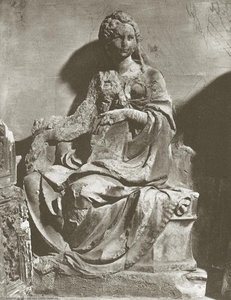
Hope
·