

प्रदर्शित: · फ्रेम सहित:
 पूर्वावलोकन देखें
 साझा करें
 साझा करें
 विस्तृत विवरण
 मार्गदर्शिका

 डाउनलोड करें
 समान वस्तुएं
 एक्स-रे
 स्लाइड शो देखें
 प्रश्न और उत्तर
 आंकड़े
₹ 26058
हस्तनिर्मित ऑयल रिप्रोडक्शन
आपके आकार और फ्रेम के अनुसार कैनवास पर हाथ से बनी ऑयल पेंटिंग, हमारे कलाकारों द्वारा विशेष रूप से ऑर्डर पर तैयार। ( प्रिंट विकल्प पर स्विच करें डिजिटल इमेज पर स्विच करें)
आकार
·मानक
कस्टम
CM
INCH
कलाकृति के मूल अनुपात से मेल खाने वाले हमारे पूर्व निर्धारित आकारों में से चुनें।
आकार लोड हो रहे हैं...

चौड़ाई
ऊँचाई
अपने फ्रेम या अपनी दीवार के अनुसार आवश्यक चौड़ाई और ऊंचाई दर्ज करें। यह हाथ से पेंट किया गया है, इसलिए अलग आकार के लिए कलाकार चित्र के चारों ओर थोड़ा अधिक पेंट कर सकता है, या थोड़ा काट सकता है — चुनाव आपका है। पेंटिंग शुरू होने से पहले हम आपकी स्वीकृति के लिए एक डिजिटल मॉकअप भेजते हैं। इस पृष्ठ पर दिखाई गई तस्वीर वास्तविक परिणाम नहीं दिखाती है — केवल मॉकअप ही वास्तविक रूप दिखाता है।
 अधिक जानकारी पढ़ें
समाप्त करें
·
सफेद किनारे ₹1

धुंधला किनारा ₹1

विस्तारित ₹1

P118B ₹10

P118H ₹10

P118W ₹10

P438Z ₹10

P508JH ₹12

P508YH ₹12

P805H ₹10

P805Z ₹10

P919BZ ₹10

P919G ₹10

P919XJ ₹10

P959ZH ₹10

P968JZ ₹12

W106C ₹8

W218G ₹10

W218JH ₹8

W218Y ₹10

W307PJ ₹10

W316G ₹10

W316PJ ₹8

W316Y ₹10

W398PJ ₹8

W4111J ₹10

W500HY ₹15

W500JH ₹15

W692G ₹12

W849H ₹8

W940BG ₹15

W953PJ ₹8

H24-GOLD ₹30

H24-SILVER ₹30

H36-GOLD ₹45

H36-SILVER ₹45
एक सुरक्षात्मक ट्यूब में भेजा जाता है, जिसे आप अपने पसंद के फ्रेम में लगवा सकते हैं।
अतिरिक्त सेवाएँ
वैकल्पिकएक्स्ट्रा में क्या शामिल है?
क्या बदला जा सकता है उसके उदाहरण: चेहरे को ग्राहक की फोटो से बदलें; पालतू जानवर जोड़ें (जैसे, बिल्ली की जगह कुत्ता); बैकग्राउंड में छिपा हुआ संदेश शामिल करें; बैकग्राउंड का परिदृश्य या तत्व बदलें।
ऑर्डर के बाद, TopImpressionists.com टीम निर्देशों के लिए क्लाइंट को ईमेल करेगी और एक मॉकअप प्रीव्यू प्रदान करेगी
ऑर्डर के बाद, TopImpressionists.com टीम निर्देशों के लिए क्लाइंट को ईमेल करेगी और एक मॉकअप प्रीव्यू प्रदान करेगी
विश्वव्यापी वितरण () मानक 5 सप्ताह के बजाय मात्र 3/4 सप्ताह में। (8 नवमबर)। गुणवत्ता से कोई समझौता नहीं।
सुरक्षात्मक वार्निश
नामपट्टिका
उत्कीर्ण कांस्य पट्टिका का विवरण
This elegant plaque features the artist's name and the title of the artwork, finely engraved for a timeless presentation.
It is made from bronze with a refined, elegant finish. The text is precisely laser-engraved for a sharp and permanent result. Measuring 9x2 cm, the plaque is compact yet easy to read. It's built to be durable and scratch-resistant, offering a professional, museum-quality look. Mounting is simple thanks to the included adhesive backing.
पारदर्शी ऐक्रेलिक पट्टिका का विवरण
The plaque includes essential engraved details such as the artist's name, the title of the artwork, the date it was created, the type of media used-like oil on canvas or watercolor-a brief description of the piece, and a QR code that links to the complete artwork information.
It is crafted from clear acrylic, offering a sleek, modern appearance. The text is UV-engraved in black to ensure strong visual contrast. With a size of 10x15 cm, it ensures optimal readability. It comes equipped with two metal hooks for secure wall mounting. The plaque is designed to be weather-resistant, making it suitable for various environments, and it includes interactive features that work seamlessly with smartphone scanning.
काले ऐक्रेलिक पट्टिका का विवरण
This elegant plaque includes engraved information such as the artist's name, the title of the artwork, the date it was created, the type of media used (like oil on canvas or watercolor), a short description of the artwork, and a QR code for quick access to more information.
The plaque itself is made from refined black acrylic with a premium finish. The text is laser-engraved in white for high contrast and readability. Its size is 10x15 cm, designed to be easy to read. It comes with two metal hooks for professional mounting. The design is sleek and fits any interior style. It is also weather-resistant and durable, with built-in digital integration for mobile compatibility.
ग्लास का विकल्प केवल 110 सेमी से कम आकार में ही उपलब्ध है।
 ग्लास का विकल्प केवल 110 सेमी से कम आकार में ही उपलब्ध है।
- दुनिया भर में मुफ़्त एक्सप्रेस शिपिंग
- उच्च गुणवत्ता वाला लिनेन कैनवास
- पूर्ण शिपिंग बीमा
- सीमा शुल्क और आयात कर वापसी की गारंटी
- सटीक रंग मिलान की गारंटी
- 100 दिनों की वापसी नीति (केवल दोष होने पर)
- 100% पैसे वापसी की गारंटी
- थोक छूट का अवसर


संग्रहणीय वस्तु का विवरण
This painting showcases Ensor's ability to convey movement and energy through his compositions. It’s a prime example of Expressionism, utilizing distorted forms and exaggerated features to express intense emotions.
कलाकार की जीवनी
जमैस एनसर एक बेल्जियन चित्रकार थे जिन्होंने अभिव्यक्तिवाद और अतियथार्थवाद के आंदोलन को स्थापित किया। उनके परेशान करने वाले चित्रों में मास्क, कार्निवल और कंकाल शामिल हैं। वे अपने माता-पिता की दुकान में बेल्जियम के कार्निवल संस्कृति के प्रभाव से प्रेरित थे।
पेंटिंग के बारे में
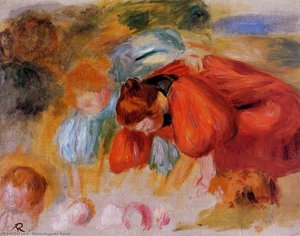
A World Distorted – James Ensor’s *Les Ballerines*
James Ensor's *Les Ballerines*, painted in the late 19th century, isn’t merely a depiction of dancers; it’s an immersion into a fever dream, a carefully constructed tableau of unsettling energy and psychological depth. This work, a cornerstone of Expressionism, pulsates with a raw emotionality rarely found in academic art of its time. Ensor, born in Ostend, Belgium – a city steeped in maritime history and cultural exchange between England and France – was profoundly shaped by his upbringing amidst the vibrant chaos of a seaside resort town. His parents’ souvenir shop, overflowing with exotic masks, shells, and curiosities, provided an unparalleled visual feast, fueling a lifelong fascination with disguise, performance, and the hidden anxieties beneath the surface of everyday life. *Les Ballerines* is a direct manifestation of this preoccupation, a deliberate fracturing of reality to expose the unsettling truths it conceals.
The Dance of Distortion: Style and Technique
Ensor’s approach to composition is deliberately disorienting. The scene unfolds with a frenetic energy, populated by figures caught in various states of movement – dancers frozen mid-step, horses straining at their harnesses, and women observing the spectacle from different vantage points. Bold brushstrokes dominate the canvas, creating a sense of immediacy and urgency. Colors are applied with an almost violent intensity; reds, yellows, and greens clash and vibrate, contributing to the painting’s overall feeling of unease. Notice how Ensor employs a flattened perspective, pushing figures forward and blurring spatial relationships – a technique that further intensifies the sense of claustrophobia and disorientation. The use of impasto, applying paint thickly to the surface, adds texture and physicality, as if the scene itself is struggling to contain its own turbulent energy. It’s a masterful demonstration of how color, brushwork, and composition can be used to evoke powerful emotional responses.
Symbolism Within the Spectacle
*Les Ballerines* is rich in symbolic layers, inviting multiple interpretations. The dancers themselves represent not just performers but also figures trapped within societal expectations – their movements constrained by the demands of the stage and the watchful eyes of the audience. The horses, often associated with power and movement, here seem restless and agitated, mirroring the underlying tension of the scene. The presence of a chair, positioned as a point of relative stability amidst the chaos, suggests a fleeting moment of respite or perhaps an acknowledgement of the fragility of order. Even the setting – a dimly lit interior – contributes to the painting’s atmosphere of mystery and foreboding. The inclusion of masks, so central to Ensor's artistic vocabulary, hints at the idea that appearances are deceptive and that individuals often conceal their true selves behind carefully constructed facades.
A Bridge Between Eras: Expressionism and Beyond
*Les Ballerines* stands as a pivotal work in the development of Expressionism, anticipating the movements of artists like Edvard Munch and Wassily Kandinsky. Ensor’s deliberate distortion of form and his focus on conveying intense emotions – fear, anxiety, and alienation – paved the way for later avant-garde styles. His exploration of psychological themes and his willingness to challenge conventional artistic norms were revolutionary for his time. The painting's influence can be seen in the works of Surrealists like Salvador Dalí and even in the vibrant color palettes of Fauvist painters. Studying *Les Ballerines* offers a valuable window into the origins of these influential movements, demonstrating how Ensor’s unique vision laid the groundwork for future generations of artists to explore the darker corners of the human psyche.
Bringing *Les Ballerines* Home: A Reproduction for Your Space
TopImpressionists.com offers meticulously crafted hand-painted reproductions of James Ensor's *Les Ballerines*, allowing you to experience the power and intensity of this iconic artwork in your own home or office. Our skilled artisans replicate Ensor’s distinctive style with exceptional accuracy, capturing the painting’s dynamic composition, vibrant colors, and unsettling atmosphere. Whether you are an art enthusiast, a collector seeking a unique addition to your collection, or simply someone drawn to the beauty of Expressionist art, our reproductions provide a stunning and authentic representation of this remarkable masterpiece. Explore the full range of sizes and canvas options available on TopImpressionists.com – and bring the captivating world of *Les Ballerines* into your space.
प्रश्न और उत्तर
"Les Ballerines" के प्रिंट का उपयोग किन कार्यों के लिए किया जा सकता है?
जेम्स एन्सर द्वारा "Les Ballerines" की यह प्रतिकृति Statement के लिए अनुशंसित है। यह सुझाव इस कृति के विषय, भाव और रंगों पर आधारित है।
इसके रंगों को देखते हुए, जेम्स एन्सर द्वारा "Les Ballerines" के लिए किस कमरे की सलाह दी जाती है?
अपने Dark पैलेट के साथ, जेम्स एन्सर द्वारा "Les Ballerines" को Living Room के लिए अनुशंसित किया जाता है। इसके रंगों का चुनाव ही इस सुझाव का एक मुख्य कारण है।
"Les Ballerines" किस कला शैली से संबंधित है?
जेम्स एन्सर द्वारा "Les Ballerines" Expressionist Style आंदोलन से संबंधित है। यह आंदोलन इस कृति के शैलीगत संदर्भ को स्पष्ट करता है।
त्वरित तथ्य और कला प्रश्नोत्तरी
जेम्स एन्सर के बारे में

जेम्स एन्सर
1860 - 1949, बेल्जियम
कलाकार की जीवनी
James Ensor: A Visionary of Disquiet
James Sidney Edouard, Baron Ensor (Ostend, 13 April 1860 – November 19, 1949) был бельгийским художником и гравёром, оказавшим значительное влияние на экспрессионизм и сюрреализм. Он был членом художественной группы Les XX.
Early Influences and Artistic Training
James Ensor’s father, James Frederic Ensor, родился в Брюсселе у английских родителей и был образованным человеком, изучавшим инженерию в Англии и Германии. Его мать, Мария Катерина Хаэгеман, была бельгийкой. Сам Энсор не проявлял интереса к академическому изучению и оставил школу в возрасте пятнадцати лет, чтобы начать своё художественное обучение с двух местных художников. Он посещал Академию Королевскую Бельгии в Брюсселе вместе со своим одноклассником Фернандом Хнопфом.
The Birth of Expressionism: Bold Experimentation
Энсор быстро отказался от традиционного подхода к живописи и начал разрабатывать революционный стиль, который отражал его собственное видение мира. Он особенно был очарован карнавальской культурой организованной вокруг праздника Мартра каждый год в Бельгии, что несомненно было вызвано тем, что семья Энсора в Остенде была главным поставщиком карнавальной атрибутики. Формальный метод живописи Энсора отличался от традиционных методов и был предназначен для выражения его личной позиции. Он отвергал французский импрессионизм и символизм и использовал экспрессивные средства света, линии и цвета.
Iconic Paintings and Recurring Themes
Энсор создал серию работ, которые продолжают поражать и восхищать публику сегодня. Картина «Христос входит в Брюссель» (1888–89) является одним из самых известных произведений Энсора и представляет собой сатиру религиозной неискренности и социальной безразличия. Этот тревожный образ Христа, входящего в город, наполненный гротескными масками и фигурами, является мощным комментарием о разрыве между духовными идеалами и человеческим поведением. Картина «Скелеты сражаются за повешенного человека» (1891) исследует темы смерти, разложения и абсурда жизни.
Legacy and Recognition
Несмотря на первоначальное сопротивление Энсора его художественное наследие остается свидетельством силы искусства для столкновения с неудобными истинами и исследования глубины человеческого состояния. Он является одним из ключевых фигур в переходном периоде от XIX века к началу XX века — настоящим пионером современного искусства.
जेम्स एन्सर के बारे में कुछ खास बातें
- Artistic Movement Or Style: अभिव्यक्तिवाद और अतिवास्तववाद
- Artists Who Influenced This Artist:
- पीटर पॉल रुबेन्स
- फ्रांसिस्को गोया
- विथ्सलर
- Date Of Birth: अप्रैल 13, 1860
- Date Of Death: नवंबर 19, 1949
- Full Name: James Sidney Edouard Ensor
- Nationality: बेल्जियम
- Notable Artworks:
- क्राइस्ट का ब्रुसेल्स में प्रवेश
- संकेतित मुखौटे
- सेंट एंथोनी के दुखों का चित्रण
- Place Of Birth: ओस्टेंड, बेल्जियम
समान कलाकृतियाँ



विषयों, शैलियों और विशेषताओं के आधार पर व्यवस्थित कलाकृतियों का अन्वेषण करें।


जेम्स एन्सर
Les Ballerines
() ·
फ्रेम सहित: · लिनन पर तेल के रंगों से हाथ से पेंट किया गया
कुल योग