


 पूर्वावलोकन देखें
 भेजें
भेजें साझा करें
 विवरण देखें
 मार्गदर्शिका

 डाउनलोड करें
 समान वस्तुएं
 एक्स-रे
 स्लाइड शो देखें
 आंकड़े
Chamouni, Rocks and Vegetation


John Ruskin's 'Chamouni, Rocks and Vegetation' (1854) is a breathtaking watercolor depicting a mountainous alpine scene dominated by rocky cliffs and lush plant life. Executed in the style of Millais’ portrait of Ruskin, it exemplifies Ruskin’s championing of naturalism and represents a pivotal piece within his artistic legacy.
 और पढ़ें
विक्टोरियन बहुश्रुत, कला समीक्षक और सामाजिक विचारक जॉन रस्किन (1819-1900) की कला और लेखन का अन्वेषण करें। उनके परिदृश्य चित्रों, स्थापत्य विश्लेषणों और प्रकृति, सौंदर्य एवं समाज पर प्रभावशाली निबंधों को जानें।
गिक्ली / आर्ट प्रिंट
तेज़ उत्पादन और विभिन्न फिनिश विकल्पों के साथ म्यूजियम-क्वालिटी गिकली (giclée) या कैनवस प्रिंट। ( हाथ से बनी पेंटिंग खरीदें डिजिटल इमेज पर जाएँ)




P118B ₹10

P118H ₹10

P118W ₹10

P438Z ₹10

P508JH ₹12

P508YH ₹12

P805H ₹10

P805Z ₹10

P919BZ ₹10

P919G ₹10

P919XJ ₹10

P959ZH ₹10

P968JZ ₹12

W106C ₹8

W218G ₹10

W218JH ₹8

W218Y ₹10

W307PJ ₹10

W316G ₹10

W316PJ ₹8

W316Y ₹10

W398PJ ₹8

W4111J ₹10

W500HY ₹15

W500JH ₹15

W692G ₹12

W849H ₹8

W940BG ₹15

W953PJ ₹8




मानक आकार
अनुकूलित
CM
INCH
कलाकृति के मूल अनुपात से मेल खाने वाले हमारे पूर्व निर्धारित आकारों में से चुनें।
Loading sizes...

चौड़ाई
ऊँचाई
अपने फ्रेम या अपनी दीवार के अनुसार आवश्यक चौड़ाई और ऊंचाई दर्ज करें। प्रिंट को केवल काटा जा सकता है, चित्र से बड़ा कभी नहीं बनाया जा सकता, इसलिए अलग आकार का साइज चित्र का एक हिस्सा खो देता है। किसी भी चीज़ को प्रिंट करने से पहले हम आपकी स्वीकृति के लिए आपको एक डिजिटल मॉकअप भेजते हैं। इस पृष्ठ पर दिखाया गया चित्र वास्तविक कटिंग नहीं दिखाता है — केवल मॉकअप ही इसे दर्शाता है।
विश्वव्यापी डिलीवरी (), मानक 4/5 सप्ताह के बजाय मात्र 2 सप्ताह में। (22 अक्टूबर)

दुनिया भर में मुफ़्त एक्सप्रेस शिपिंग

प्रीमियम ग्रेड लिनेन कैनवास

पूर्ण शिपिंग बीमा

सीमा शुल्क और आयात कर वापसी की गारंटी

सटीक रंग मिलान की गारंटी

100 दिनों की वापसी नीति (केवल निर्माण दोष होने पर)

100% पैसे वापसी की गारंटी

थोक छूट का अवसर
 ग्लास का विकल्प केवल 110 सेमी से कम आकार में ही उपलब्ध है।

Chamouni, Rocks and Vegetation
गिक्ली / आर्ट प्रिंट
प्रतिकृति का आकार
-


कुल मूल्य
₹ 6611
Ruskin’s Alpine Reverie: A Study in Texture and Moral Vision
John Ruskin's "Chamouni, Rocks and Vegetation," painted in 1854, stands as a testament to the Pre-Raphaelite movement’s fascination with capturing the sublime beauty of the natural world—a pursuit inextricably linked to ethical contemplation. More than just a landscape depiction, it embodies Ruskin’s profound belief that art should serve as a conduit for moral enlightenment, mirroring his broader philosophical stance on humanity's relationship with God and creation.- Subject Matter: The painting portrays the towering granite peaks of Mont Blanc (Chamouni), bathed in diffused sunlight—a quintessential Alpine vista meticulously rendered by Ruskin’s hand.
- Style & Technique: Ruskin championed a style characterized by painstaking detail and luminous color, prioritizing observation over idealized representation. He employed watercolor on paper, layering thin washes to build up texture and capturing the subtle nuances of light and shadow. The artist's deliberate brushstrokes convey a sense of immediacy and reverence for the grandeur of the mountain landscape.
- Historical Context: Created during Ruskin’s formative years as an art critic and intellectual, “Chamouni” reflects his burgeoning interest in geology and his conviction that understanding the physical world illuminates spiritual truths. It aligns perfectly with Millais's ambitious portrait of Ruskin at Glenfinlas, commissioned shortly after—a visual embodiment of Ruskin’s commitment to portraying nature with uncompromising honesty.
- Symbolism: The jagged rocks symbolize resilience and permanence against the relentless forces of time and decay – mirroring Ruskin’s broader moral concerns about confronting mortality and embracing virtue. The sparse vegetation represents the delicate balance between beauty and fragility, prompting viewers to consider humanity's responsibility for safeguarding the natural environment.
- Emotional Impact: Viewing “Chamouni” evokes a feeling of awe and contemplation—a desire to reconnect with the sublime grandeur of God’s creation. Ruskin aimed not merely to depict a mountain scene but to inspire a deeper appreciation for beauty, truth, and moral integrity—goals that continue to resonate powerfully with audiences today.
Detailed Examination: Texture and Color Palette
Ruskin's masterful watercolor technique is evident in the meticulous layering of washes that create an astonishingly realistic depiction of rock formations. The artist painstakingly captures the variations in tone and texture—from the rough granite surfaces to the smoother patches where lichen clings to the stone—demonstrating a dedication to observation unparalleled for his time. Furthermore, the color palette—dominated by muted blues, greens, and yellows—reflects the atmospheric conditions prevalent during Mont Blanc’s summers—a subtle yet crucial element in conveying Ruskin's vision of natural beauty.Connections to Millais’ Glenfinlas Portrait
The painting shares a striking stylistic kinship with Millais’ celebrated portrait of Ruskin at Glenfinlas, completed the following year. Both artists prioritized capturing the essence of their subject—Ruskin himself—within a landscape setting that served as a backdrop for intellectual and spiritual reflection. This deliberate juxtaposition underscores Ruskin's conviction that art should illuminate moral truths alongside aesthetic splendor—a principle that continues to inform artistic endeavors across disciplines.Legacy & Enduring Relevance
“Chamouni, Rocks and Vegetation” remains an influential work of art, anticipating the burgeoning interest in environmentalism and sustainability that would characterize the latter half of the 19th century. Ruskin’s insistence on portraying nature with uncompromising honesty—a stance rooted in his profound moral sensibility—continues to inspire artists and thinkers today—serving as a timeless reminder of the transformative power of beauty and contemplation.प्रश्न और उत्तर
जॉन रस्किन द्वारा "Chamouni, Rocks and Vegetation" किस भाव और भावना को व्यक्त करता है?
जॉन रस्किन द्वारा "Chamouni, Rocks and Vegetation" का दर्ज किया गया भाव Serene है, और इसका भावनात्मक स्वर Tranquil है।
मैं जॉन रस्किन द्वारा "Chamouni, Rocks and Vegetation" की डिजिटल इमेज कहाँ से खरीद सकता हूँ?
जॉन रस्किन द्वारा "Chamouni, Rocks and Vegetation" की डिजिटल फ़ाइल प्राप्त करने के लिए, इसके डिजिटल छवि पेज पर एक उच्च-रिज़ॉल्यूशन वाली डिजिटल इमेज डाउनलोड करें।
जॉन रस्किन द्वारा "Chamouni, Rocks and Vegetation" के लिए अनुशंसित प्रिंट आकार क्या है?
जॉन रस्किन द्वारा "Chamouni, Rocks and Vegetation" के लिए अनुशंसित प्रिंट आकार Large है।
कलाकार का परिचय
दृष्टि के बहुश्रुत: जॉन रस्किन का जीवन और विरासत
8 फरवरी, 1819 को लंदन में जन्मे जॉन रस्किन केवल एक कला समीक्षक ही नहीं थे; वे विक्टोरियन युग के एक ऐसे बहुश्रुत (polymath) थे जिनका प्रभाव सौंदर्यशास्त्र, सामाजिक सुधार, राजनीतिक अर्थव्यवस्था और पर्यावरणवाद के क्षेत्रों में गहराई तक फैला हुआ था। उनका जीवन एक आकर्षक द्वंद्व से आकार ले चुका था – उनके पिता जॉन जेम्स रस्किन की व्यावहारिक व्यावसायिक दुनिया, जो एक सफल शेरी व्यापारी थे, और उनकी माता मार्गरेट कॉक की प्रगाढ़ धार्मिक निष्ठा। इस विरोधांतपूर्ण परवरिश ने उनमें बारीकियों के प्रति एक सूक्ष्म अवलोकन दृष्टि और एक गहरी नैतिक संवेदनशीलता विकसित की, जिसने उनके संपूर्ण कार्य को परिभाषित किया। कम उम्र से ही, रस्किन की शिक्षा घर पर ही अत्यंत सावधानी से तैयार की गई थी, जो बाइबिल के अध्ययन और रोमांटिक साहित्य, विशेष रूप से बायरन और वाल्टर स्कॉट की रचनाओं में डूबी हुई थी। इन प्रारंभिक प्रभावों ने एक ऐसे मस्तिष्क की नींव रखी जो सुंदरता, सत्य और नैतिक जीवन के बीच संबंधों को निरंतर खोजने के लिए तत्पर रहता था। उनकी शैक्षणिक यात्रा ऑक्सफोर्ड के क्राइस्ट चर्च में जारी रही, जहाँ उन्होंने कला और समाज के साथ उसके संबंध के बारे में अपने उभरते विचारों को व्यक्त करना शुरू किया।एक कला इतिहासकार का उदय: प्रारंभिक लेखन और प्रभाव
कला जगत में एक महत्वपूर्ण आवाज के रूप में रस्किन का उदय 'मॉडर्न पेंटर्स' (1843-1860) के साथ हुआ, जो पांच खंडों वाली एक विशाल कृति थी। प्रारंभ में इसे जे.एम.डब्ल्यू. टर्नर के बचाव में लिखा गया था, ताकि उन्हें उन अनुचित आलोचनाओं से बचाया जा सके जिन्हें रस्किन ने गलत माना था। हालाँकि, 'मॉडंत पेंटर्स' शीघ्र ही कुछ बहुत अधिक गहन रूप में विकसित हो गया – कला की प्रकृति पर एक व्यापक शोध प्रबंध। उन्होंने "प्रकृति के प्रति सत्यता" (truth to nature) के लिए पूरे जुनून के साथ तर्क दिया, और इस बात पर जोर दिया कि महान कला केवल कुशल चित्रण के बारे में नहीं है, बल्कि प्राकृतिक दुनिया के साथ कलाकार के ईमानदार और सहानुभूतिपूर्ण जुड़ाव के बारे में है। यह अवधारणा उस समय क्रांतिकारी थी, जिसने प्रचलित शैक्षणिक मानकों को चुनौती दी और नई कलात्मक संवेदनाओं का मार्ग प्रशस्त किया। रस्किन ने केवल तकनीक का विश्लेषण नहीं किया; उन्होंने कला के आध्यात्मिक और नैतिक गुणों की गहराई में उतरकर यह विश्वास व्यक्त किया कि सच्ची सुंदरता एक गुणवान आत्मा को प्रतिबिंबित करती है। परिदृश्य, चट्टानों और वानस्पतिक विवरणों के उनके सूक्ष्म वर्णन न केवल उनके तीव्र अवलोकन कौशल को प्रकट करते हैं, बल्कि ईश्वरीय रचना के प्रकटीकरण के रूपता में प्रकृति के प्रति उनके गहरे सम्मान को भी दर्शाते हैं। इस प्रारंभिक कार्य ने रस्किन को एक दुर्जेय आलोचक के रूप में स्थापित किया और वास्तुकला एवं सामाजिक मुद्दों की उनकी बाद की खोजों के लिए मंच तैयार किया। वे प्री-राफेलाइट ब्रदरहुड से गहराई से प्रभावित थे, और उन्होंने विस्तृत अवलोकन और शैक्षणिक परंपराओं के त्याग के प्रति उनकी प्रतिबद्धता का समर्थन किया।सौंदर्यशास्त्र से परे: सामाजिक टिप्पणी और द गिल्ड ऑफ सेंट जॉर्ज
जैसे-जैसे रस्किन परिपक्व हुए, उनकी रुचियां विशुद्ध रूपस्थ सौंदर्य के दायरे से आगे बढ़ गईं। औद्योगिक क्रांति के दौरान उन्होंने जो सामाजिक अन्याय देखे, उससे गहरे व्यथित होकर उन्होंने इंग्लैंड की आर्थिक और राजनीतिक संरचनाओं पर अपनी आलोचनात्मक दृष्टि डालनी शुरू कर दी। 'अनटू दिस लास्ट' (1860), निबंधों की एक श्रृंखला जो मूल रूप से 'द कॉर्नहिल मैगजीन' में प्रकाशित हुई थी, उनके करियर में एक महत्वपूर्ण मोड़ साबित हुई। इस कार्य में, रस्किन ने उपयोगितावादी अर्थशास्त्र की कड़ी आलोचना की और भाईचारे तथा शिल्प कौशल के सिद्धांतों पर आधारित एक अधिक मानवीय और न्यायसंगत सामाजिक व्यवस्था की वकालत की। उन्होंने तर्क दिया कि एक फलते-फूलते समाज के लिए श्रम की गरिमा आवश्यक है और सच्ची संपत्ति भौतिक वस्तुओं में नहीं, बल्कि मानवीय संबंधों की गुणवत्ता में निहित है। इसी विश्वास ने उन्हें 'फोर्स क्लैविगेरा' (1871-1884) की स्थापना की ओर प्रेरित किया, जो "ग्रेट ब्रिटेन के श्रमिकों और मजदूरों" को संबोधित पत्रों की एक मासिक श्रृंखला थी, जहाँ उन्होंने अपने सामाजिक और राजनीतिक विचारों को अपने विशिष्ट उत्साह के साथ प्रस्तुत किया। इन्हीं लेखों से 1871 में 'द गिल्लाड ऑफ सेंट जॉर्ज' का उदय हुआ, जो श्रमिक वर्ग के समुदायों के बीच शिल्प कौशल, ग्रामीण उद्योगों और शिक्षा को बढ़ावा देने के लिए समर्पित एक संगठन था। इस गिल्ड का उद्देश्य रस्किन के आदर्शों पर आधारित एक मॉडल समाज बनाना था, जो कलात्मक कौशल, नैतिक श्रम प्रथाओं और प्रकृति के साथ एक सामंजस्यपूर्ण संबंध को पोषित कर सके।एक स्थायी छाप: रस्किन की चिरस्थायी विरासत
जॉन रस्किन का निधन 20 जनवरी, 1900 को कनिसटन, लंकाशायर में हुआ, और वे अपने पीछे कार्यों का एक विशाल भंडार छोड़ गए जो आज भी गूंजता है। उनका प्रभाव कला इतिहास और आलोचना की सीमाओं से कहीं आगे तक फैला हुआ है। उन्होंने उन कई चिंताओं का पूर्वानुमान लगाया जो समकालीन विचार को परिभाषित करती हैं – जैसे पर्यावरणवाद, टिकाऊ जीवन, नैतिक उपभोक्तावाद और शिल्प कौशल का महत्व। वास्तुकला पर उनके लेखन ने 'आर्ट्स एंड क्राफ्ट्स' आंदोलन को गहराई से प्रभावित किया, जिससे विलियम मॉरिस जैसे वास्तुकारों को औद्योगिक बड़े पैमाने पर उत्पादन को त्यागकर पारंपरिक तकनीकों में निहित हस्तनिर्मित डिजाइनों को अपनाने की प्रेरणा मिली। कला, प्रकृति और समाज के अंतर्संबंधों पर रस्किन का जोर आज के युग में भी अत्यंत प्रासंगिक है, जो पारिस्थितिक संकटों और सामाजिक असमानताओं से जूझ रहा है। वे एक ऐसे दूरदर्शी थे जिन्होंने पारंपरिक ज्ञान को चुनौती देने और एक अधिक न्यायपूर्ण और सुंदर दुनिया की वकालत करने का साहस किया। उनकी विरासत केवल सौंदर्य प्रशंसा की नहीं बल्कि नैतिक जिम्मेदारी की भी है – एक ऐसे समाज के निर्माण का आह्वान जो कलात्मक अभिव्यक्ति और मानवीय गरिमा दोनों को महत्व दे।प्रमुख कार्य और विस्तृत अन्वेषण
- मॉडर्न पेंटर्स (1843-1860): रस्किन की आधारभूत कृति, जिसने टर्नर का बचाव किया और कला के अपने सिद्धांतों को स्थापित किया।
- द स्टोन्स ऑफ वेनिस (1851-1853): वेनिस की वास्तुकला का एक विस्तृत विश्लेषण, जो इसके ऐतिहासिक, सामाजिक और कलात्मक महत्व की खोज करता है।
- <अनटू दिस लास्ट (1860): विक्टोरियन अर्थशास्त्र की एक शक्तिशाली आलोचना और सामाजिक सुधार का आह्वान।
- <फोर्स क्लैविगेरा (1871-1884): श्रमिक वर्ग को संबोधित पत्रों की एक श्रृंखला, जो एक अधिक न्यायसंगत समाज के लिए रस्किन के दृष्टिकोण को रेखांकित करती है।
- <डॉन, कनिसटन (अब्बोट हॉल आर्ट गैलरी): प्रकृति की बारीकियों को पकड़ने में उनके कौशल का प्रदर्शन करने वाला एक सुंदर जलरंग चित्र।
- Britannica: https://www.britannica.com/biography/John-Ruskin
- Wikipedia: https://en.wikipedia.org/wiki/John_Ruskin
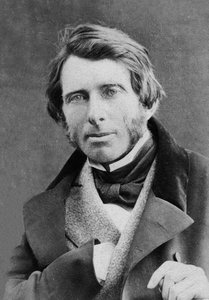
जॉन रस्किन
1819 - 1900 , यूनाइटेड किंगडम
संक्षिप्त जानकारी
- Artistic Movement Or Style: विक्टोरियन कला, कला आलोचना
- Artists Or Movements Influenced By This Artist: ['प्री-राफेलाइट्स']
- Artists Who Influenced This Artist: ['जे.एम.डब्ल्यू. टर्नर']
- Date Of Birth: 8 फरवरी, 1819
- Date Of Death: 20 जनवरी, 1900
- Full Name: जॉन रस्किन
- Nationality: ब्रिटिश
- Notable Artworks:
- डॉन, कॉनिस्टन
- फोर्स क्लैविगेरा
- Place Of Birth: लंदन, यूके
संबंधित लेखों की सूची

The Pre-Raphaelite Brotherhood: Rediscovering Beauty, Romance, and Medieval Magic in Victorian Art
Embark on a journey through the Pre-Raphaelite Brotherhood. Discover the romantic symbolism, medieval magic, and radical beauty of Rossetti and Burne-Jones in this expert exploration of Victorian art history.