
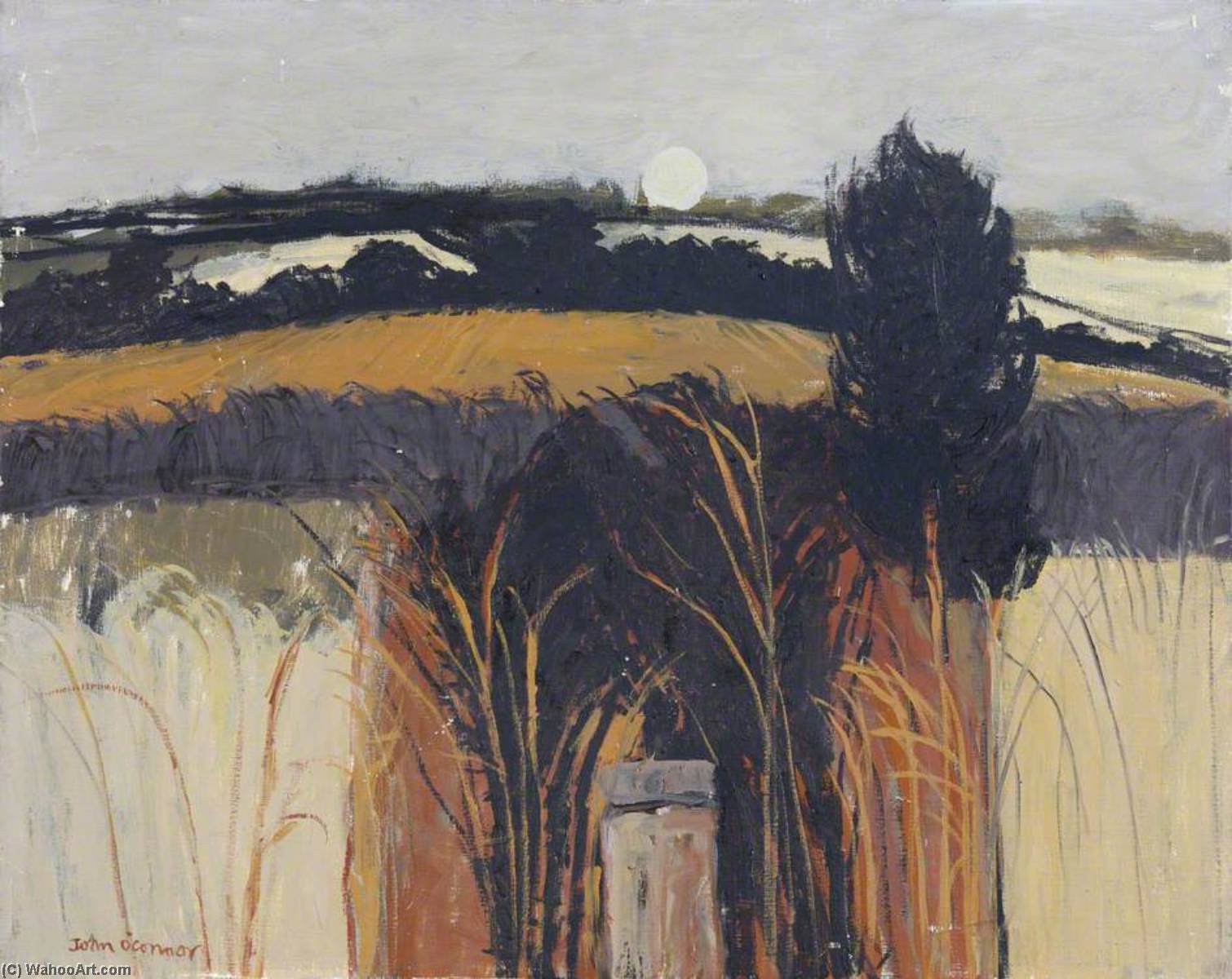
Shown: · With its frame:
 पूर्वावलोकन देखें
 भेजें
भेजें साझा करें
 विवरण देखें
 मार्गदर्शिका

 डाउनलोड करें
 समान वस्तुएं
 एक्स-रे
 स्लाइड शो देखें
 Q&A
Q&A आंकड़े
 61.0 x 76.0 cm
 Clare College
₹ 25917
हस्तनिर्मित ऑयल रिप्रोडक्शन
आपके आकार और फ्रेम के अनुसार कैनवास पर हाथ से बनी ऑयल पेंटिंग, हमारे कलाकारों द्वारा विशेष रूप से ऑर्डर पर तैयार। ( प्रिंट विकल्प पर जाएँ डिजिटल इमेज पर जाएँ)
यह कलाकृति कॉपीराइट संरक्षण के अंतर्गत है
इस पृष्ठ पर प्रदर्शित कलाकृति कॉपीराइट कानून द्वारा संरक्षित है, जिसका अर्थ है कि हम कानूनी रूप से इसकी हूबहू प्रतिलिपि बनाने या बेचने का अधिकार नहीं रखते हैं। यह संरक्षण अंतर्राष्ट्रीय समझौतों के तहत लागू किया जाता है, जैसे कि बर्न कन्वेंशन और राष्ट्रीय कानूनों द्वारा, जिनमें % द्वारा निर्धारित कानून भी शामिल हैं। अमेरिकी कॉपीराइट कानून - शीर्षक 17।
एक सम्मानजनक और कानूनी विकल्प के रूप में, हम मूल कृति से प्रेरित, कस्टम, हाथ से पेंट की गई कलाकृतियाँ प्रदान करते हैं। हमारे कुशल और पेशेवर कलाकार एक नई, अद्वितीय कृति बनाने के लिए मूल के शैली, भाव और कलात्मक सार का सावधानीपूर्वक अध्ययन करते हैं - जो अपनी मौलिक रचना बने रहते हुए भी वही भावना जगाती है।
यह विधि कॉपीराइट नियमों का पूरी तरह से पालन करती है क्योंकि इसमें संरक्षित कलाकृति की नकल या प्रतिलिपि बनाना शामिल नहीं है। इसके बजाय, यह एक रचनात्मक पुनर्व्याख्या है - एक ऐसी नई पेंटिंग जो मूल कृति से प्रेरित तो है, लेकिन उसके समान नहीं है।
 और पढ़ें
Size
·मानक आकार
अनुकूलित
CM
INCH
कलाकृति के मूल अनुपात से मेल खाने वाले हमारे पूर्व निर्धारित आकारों में से चुनें।
Loading sizes...

चौड़ाई
ऊँचाई
अपने फ्रेम या अपनी दीवार के अनुसार आवश्यक चौड़ाई और ऊंचाई दर्ज करें। यह हाथ से पेंट किया गया है, इसलिए अलग आकार के लिए कलाकार चित्र के चारों ओर थोड़ा अधिक पेंट कर सकता है, या थोड़ा काट सकता है — चुनाव आपका है। पेंटिंग शुरू होने से पहले हम आपकी स्वीकृति के लिए एक डिजिटल मॉकअप भेजते हैं। इस पृष्ठ पर दिखाई गई तस्वीर वास्तविक परिणाम नहीं दिखाती है — केवल मॉकअप ही वास्तविक रूप दिखाता है।
Finish
·
White ₹1

Blurside ₹1

Extended ₹1

P118B ₹10

P118H ₹10

P118W ₹10

P438Z ₹10

P508JH ₹12

P508YH ₹12

P805H ₹10

P805Z ₹10

P919BZ ₹10

P919G ₹10

P919XJ ₹10

P959ZH ₹10

P968JZ ₹12

W106C ₹8

W218G ₹10

W218JH ₹8

W218Y ₹10

W307PJ ₹10

W316G ₹10

W316PJ ₹8

W316Y ₹10

W398PJ ₹8

W4111J ₹10

W500HY ₹15

W500JH ₹15

W692G ₹12

W849H ₹8

W940BG ₹15

W953PJ ₹8

H24-GOLD ₹30

H24-SILVER ₹30

H36-GOLD ₹45

H36-SILVER ₹45
Shipped in a protective tube, ready for your own framer.
Above 105 cm the frame is shipped as a kit for a professional framer — read the details.
Extras
optionalWhat do the extras include?
Examples of what can be changed: Replace face with customer photo; Add pet (e.g., replace cat with dog); Include hidden message in background; Change background landscape or elements.
After order, TopImpressionists.com team will email client for instructions and provide a mockup preview
After order, TopImpressionists.com team will email client for instructions and provide a mockup preview
विश्वव्यापी वितरण () मानक 5 सप्ताह के बजाय मात्र 3/4 सप्ताह में। (31 अक्टूबर)। गुणवत्ता से कोई समझौता नहीं।
सुरक्षात्मक वार्निश
नामपट्टिका
उत्कीर्ण कांस्य पट्टिका का विवरण
This elegant plaque features the artist's name and the title of the artwork, finely engraved for a timeless presentation.
It is made from bronze with a refined, elegant finish. The text is precisely laser-engraved for a sharp and permanent result. Measuring 9x2 cm, the plaque is compact yet easy to read. It's built to be durable and scratch-resistant, offering a professional, museum-quality look. Mounting is simple thanks to the included adhesive backing.
पारदर्शी ऐक्रेलिक पट्टिका का विवरण
The plaque includes essential engraved details such as the artist's name, the title of the artwork, the date it was created, the type of media used-like oil on canvas or watercolor-a brief description of the piece, and a QR code that links to the complete artwork information.
It is crafted from clear acrylic, offering a sleek, modern appearance. The text is UV-engraved in black to ensure strong visual contrast. With a size of 10x15 cm, it ensures optimal readability. It comes equipped with two metal hooks for secure wall mounting. The plaque is designed to be weather-resistant, making it suitable for various environments, and it includes interactive features that work seamlessly with smartphone scanning.
काले ऐक्रेलिक पट्टिका का विवरण
This elegant plaque includes engraved information such as the artist's name, the title of the artwork, the date it was created, the type of media used (like oil on canvas or watercolor), a short description of the artwork, and a QR code for quick access to more information.
The plaque itself is made from refined black acrylic with a premium finish. The text is laser-engraved in white for high contrast and readability. Its size is 10x15 cm, designed to be easy to read. It comes with two metal hooks for professional mounting. The design is sleek and fits any interior style. It is also weather-resistant and durable, with built-in digital integration for mobile compatibility.
ग्लास का विकल्प केवल 110 सेमी से कम आकार में ही उपलब्ध है।
 ग्लास का विकल्प केवल 110 सेमी से कम आकार में ही उपलब्ध है।
- दुनिया भर में मुफ़्त एक्सप्रेस शिपिंग
- प्रीमियम ग्रेड लिनेन कैनवास
- पूर्ण शिपिंग बीमा
- सीमा शुल्क और आयात कर वापसी की गारंटी
- सटीक रंग मिलान की गारंटी
- 100 दिनों की वापसी नीति (केवल निर्माण दोष होने पर)
- 100% पैसे वापसी की गारंटी
- थोक छूट का अवसर


कलाकार का परिचय
Explore the evocative art of John Scorror O’Connor! Capturing architectural wonders & spiritual spaces – churches, museums & more through detailed watercolor paintings.
About the painting
Quick facts and art quiz
About John Scorror O'Connor

John Scorror O'Connor
1913 -
कलाकार का परिचय
John Scorror O’Connor: A Life Painted in Light and Shadow
John Scorror O’Connor, a name perhaps less familiar to the general public than some of his artistic peers, nevertheless occupies a significant space within the landscape of British watercolor and wood engraving. Born in Leicester in 1913, into a family with roots tracing back to County Tipperary, O'Connor’s life was inextricably linked to the visual arts from an early age. His father, Vernon Fergus O’Connor, was an optical instrument maker – a profession that instilled within young John a keen eye for detail and precision, qualities he would later translate into his own meticulous artwork. His mother, Annie Burnet née Scorror, brought a lineage steeped in artistic tradition, further fueling his nascent passion.
O’Connor's formal training began at Wyggeston School and Leicester College of Art, laying the groundwork for his future explorations. A pivotal moment arrived with his enrollment at the Royal College of Art in 1933, where he was mentored by influential figures like Eric Ravilious, John Nash, and Robert Austin. Ravilious’s emphasis on wood engraving proved particularly formative, shaping O'Connor’s approach to printmaking – a technique he would master with remarkable skill and dedication. The golden age of private presses during this period provided fertile ground for experimentation, allowing O’Connor to develop his craft and establish himself as a rising talent.
Early Works & The Influence of Ravilious
O'Connor’s early career was marked by a deep engagement with the natural world. His first significant commission, in 1937, involved creating wood engravings for Joan Rutter’s poetry collection, ‘Here’s Flowers’. This initial success demonstrated his ability to capture delicate beauty and evoke emotion through intricate line work. The influence of Ravilious is palpable throughout his early oeuvre – a shared appreciation for the subtle nuances of light, texture, and composition. O'Connor frequently spoke of Ravilious as a guiding force, recalling visits to his home in Castle Hedingham where he witnessed the artist’s dedication to the craft of wood engraving under the soft glow of a lamplight.
Beyond wood engravings, O’Connor also ventured into watercolor and oil painting. He was profoundly inspired by medieval art – particularly stained glass windows, illuminated manuscripts, and paintings from the 14th and 15th centuries. He drew inspiration from artists like Munch, Lucas Cranach, and Joseph Wright of Derby, absorbing their expressive techniques and compositional strategies. This eclectic influence is evident in his later works, which often combine meticulous detail with a sense of emotional depth.
A Life Dedicated to Art & Education
During World War II, O’Connor served as a Flight Lieutenant in the RAF, continuing to produce wood engravings even amidst the turmoil of war. His sketches of Berlin after the Allied invasion stand as poignant reminders of that era. Following the war, he transitioned into teaching, beginning at Hastings School of Art and later becoming principal of Colchester School of Art. This commitment to education was a defining characteristic of his life – he believed passionately in the transformative power of art and saw it as his duty to nurture the creative potential of young artists.
His time at Colchester School of Art coincided with a period of significant change in the landscape of British art, marked by the rise of modernism and abstraction. Despite these shifts, O’Connor remained committed to his own distinctive style – characterized by a deep appreciation for traditional techniques and a profound connection to the natural world. He moved to Shelley, Suffolk, seeking solace and inspiration in the region's tranquil countryside.
Later Years & Legacy
In 1964, O’Connor relocated to Kirkcudbright, Scotland, where he continued to paint and teach until 1984. His later works often reflected a sense of melancholy and nostalgia – a poignant awareness of the passage of time and the loss of cherished landscapes. He remained active in the art world throughout his life, exhibiting his work widely and contributing to various publications. John O’Connor passed away in 2004, leaving behind a rich legacy of wood engravings, watercolors, and oils that continue to captivate viewers with their exquisite detail, evocative beauty, and profound emotional resonance.
His works are held by numerous institutions including the Tate Gallery, British Museum, Contemporary Art Society, and private collections. O’Connor's dedication to his craft, combined with his deep appreciation for the natural world, cemented his place as a significant figure in British art history – an artist who painted not just what he saw, but what he felt.
Quick facts about John Scorror O'Connor
- Full Name: John Scorror O’Connor
- Nationality: British
- Date Of Birth: 1913
- Date Of Death: 2004-03-20
- Place Of Birth: Leicester, England
- Notable Artworks:
- Cedar Wood
- St John’s Co-Cathedral
- John Wesley’s House
- Artistic Movement Or Style: Watercolor, Wood engraving
- Artists Who Influenced This Artist:
- Eric Ravilious
- John Nash
- Robert Austin
- Artists Or Movements Influenced By This Artist:
- Munch
- Lucas Cranach
- Joseph Wright

John Scorror O'Connor
Orange Field
() ·
With its frame: · Hand-painted in oil on linen
Total