


 पूर्वावलोकन देखें
 भेजें
भेजें साझा करें
 विवरण देखें
 मार्गदर्शिका

 डाउनलोड करें
 समान वस्तुएं
 एक्स-रे
 स्लाइड शो देखें
 आंकड़े
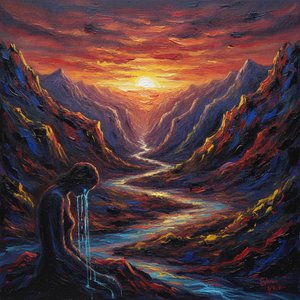
The Wandering Jew
 Acrylic On Canvas
- WallArt
- Expressionism
 1925
1925- Modern
 72.0 x 57.0 cm
Marc Chagall’s "The Wandering Jew" (1925) – a haunting Expressionist oil painting of solitude & travel. Explore its symbolic depth, thick brushstrokes & dramatic lighting. A unique piece for art collectors.
 और पढ़ें
मार्क्स चागाल (1887-1985) एक रूसी-फ्रांसीसी कलाकार थे जो अपने स्वप्निल चित्रों, यहूदी लोककथाओं के विषयों और शानदार कांच की कला के लिए जाने जाते हैं। उनकी कला में कल्पना, रंग और भावनाओं का अद्भुत संगम है!
इस पृष्ठ पर प्रदर्शित कलाकृति कॉपीराइट कानून द्वारा संरक्षित है, जिसका अर्थ है कि हम कानूनी रूप से इसकी हूबहू प्रतिलिपि बनाने या बेचने का अधिकार नहीं रखते हैं। यह संरक्षण अंतर्राष्ट्रीय समझौतों के तहत लागू किया जाता है, जैसे कि बर्न कन्वेंशन और राष्ट्रीय कानूनों द्वारा, जिनमें % द्वारा निर्धारित कानून भी शामिल हैं। अमेरिकी कॉपीराइट कानून - शीर्षक 17।
यह विधि कॉपीराइट नियमों का पूरी तरह से पालन करती है क्योंकि इसमें संरक्षित कलाकृति की नकल या प्रतिलिपि बनाना शामिल नहीं है। इसके बजाय, यह एक रचनात्मक पुनर्व्याख्या है - एक ऐसी नई पेंटिंग जो मूल कृति से प्रेरित तो है, लेकिन उसके समान नहीं है।
गिक्ली / आर्ट प्रिंट
तेज़ उत्पादन और विभिन्न फिनिश विकल्पों के साथ म्यूजियम-क्वालिटी गिकली (giclée) या कैनवस प्रिंट। ( हाथ से बनी पेंटिंग खरीदें डिजिटल इमेज पर जाएँ)




P118B ₹10

P118H ₹10

P118W ₹10

P438Z ₹10

P508JH ₹12

P508YH ₹12

P805H ₹10

P805Z ₹10

P919BZ ₹10

P919G ₹10

P919XJ ₹10

P959ZH ₹10

P968JZ ₹12

W106C ₹8

W218G ₹10

W218JH ₹8

W218Y ₹10

W307PJ ₹10

W316G ₹10

W316PJ ₹8

W316Y ₹10

W398PJ ₹8

W4111J ₹10

W500HY ₹15

W500JH ₹15

W692G ₹12

W849H ₹8

W940BG ₹15

W953PJ ₹8




मानक आकार
अनुकूलित
CM
INCH
कलाकृति के मूल अनुपात से मेल खाने वाले हमारे पूर्व निर्धारित आकारों में से चुनें।
Loading sizes...

चौड़ाई
ऊँचाई
अपने फ्रेम या अपनी दीवार के अनुसार आवश्यक चौड़ाई और ऊंचाई दर्ज करें। प्रिंट को केवल काटा जा सकता है, चित्र से बड़ा कभी नहीं बनाया जा सकता, इसलिए अलग आकार का साइज चित्र का एक हिस्सा खो देता है। किसी भी चीज़ को प्रिंट करने से पहले हम आपकी स्वीकृति के लिए आपको एक डिजिटल मॉकअप भेजते हैं। इस पृष्ठ पर दिखाया गया चित्र वास्तविक कटिंग नहीं दिखाता है — केवल मॉकअप ही इसे दर्शाता है।
विश्वव्यापी डिलीवरी (), मानक 4/5 सप्ताह के बजाय मात्र 2 सप्ताह में। (22 अक्टूबर)

दुनिया भर में मुफ़्त एक्सप्रेस शिपिंग

प्रीमियम ग्रेड लिनेन कैनवास

पूर्ण शिपिंग बीमा

सीमा शुल्क और आयात कर वापसी की गारंटी

सटीक रंग मिलान की गारंटी

100 दिनों की वापसी नीति (केवल निर्माण दोष होने पर)

100% पैसे वापसी की गारंटी

थोक छूट का अवसर
 ग्लास का विकल्प केवल 110 सेमी से कम आकार में ही उपलब्ध है।

The Wandering Jew
गिक्ली / आर्ट प्रिंट
प्रतिकृति का आकार
-


कुल मूल्य
₹ 6601
A Solitary Journey: Decoding Chagall’s “The Wandering Jew”
Marc Chagall's 1925 oil painting, *The Wandering Jew*, is a powerful and evocative work that transcends simple representation. Measuring 72 x 57 cm, this piece isn’t merely a depiction of a traveler; it’s an exploration of isolation, perseverance, and the weight of history – themes deeply resonant within Chagall's oeuvre and the broader context of post-war Europe.Expressionistic Style & Technique
The artwork is firmly rooted in Expressionism, a style that prioritizes emotional experience over objective reality. Chagall employs several key techniques to achieve this effect:- Distorted Forms: The figure and landscape are deliberately abstracted, with simplified shapes and elongated proportions contributing to a sense of unease.
- Bold Brushwork: Visible, gestural brushstrokes create texture and energy, emphasizing the physicality of the paint and the artist’s hand. Impasto – thickly applied paint – further enhances this tactile quality.
- Dramatic Lighting: Stark contrasts between light and shadow heighten the emotional intensity, drawing attention to the figure's form and accentuating the bleakness of the surroundings.
- Flattened Perspective: The lack of traditional spatial depth contributes to a claustrophobic atmosphere, intensifying the feeling of confinement and loneliness.
Subject & Symbolism
The central figure – likely a peasant or wanderer – is immediately arresting. He carries a substantial sack, clutches a walking stick, and puffs on a pipe, all elements that speak to hardship, travel, and perhaps a yearning for something beyond his present circumstances. However, the title itself introduces a crucial layer of meaning. The “Wandering Jew” is a figure steeped in legend – an immortal man condemned to roam the earth as punishment for taunting Jesus Christ.- The Wandering Jew Legend: Understanding this historical and cultural reference point is vital. Chagall, being of Belarusian Jewish origin, was acutely aware of the centuries-old persecution faced by his people. The painting can be interpreted as a visual representation of that enduring diaspora and the burden of collective memory.
- The Pipe: Often associated with contemplation and escape, the pipe suggests an attempt to find solace or distraction from the harsh realities of life.
- The Sack & Walking Stick: These symbolize the weight of experience and the relentless journey through life. They represent both physical and emotional baggage.
- Bleak Landscape: The desolate background reinforces the themes of isolation and despair, suggesting a world devoid of comfort or hope.
Historical Context & Chagall’s Vision
Created in 1925, *The Wandering Jew* reflects the anxieties and uncertainties of the post-World War I era. Europe was grappling with immense social, political, and economic upheaval. Chagall, having experienced displacement himself (moving between Russia, France, and the United States), likely channeled these feelings into his art. While not explicitly a war painting, it captures the pervasive sense of loss and alienation that characterized the period. Chagall’s unique artistic voice blended elements of Cubism, Symbolism, and his own deeply personal experiences. He wasn't simply replicating reality; he was creating a visual language to express profound emotional truths. His work often draws upon Jewish folklore and memories of his childhood in Vitebsk, Belarus – a city known as the “Russian Toledo” for its vibrant cultural mix.Emotional Impact & Collectibility
*The Wandering Jew* is not an easy painting to look at. It evokes feelings of melancholy, loneliness, and perhaps even empathy for the figure’s plight. However, it's precisely this emotional honesty that makes it so compelling. The artwork invites viewers to contemplate their own journeys through life, the burdens they carry, and the search for meaning in a sometimes-hostile world. For collectors and interior designers, this piece offers a unique opportunity to acquire a work of significant artistic merit and historical resonance. Its muted color palette and expressive brushwork would complement a variety of interiors, adding depth and sophistication to any space. A high-quality reproduction allows one to experience the emotional power of Chagall’s vision without the investment required for an original – bringing a touch of profound artistry into your home or office.प्रश्न और उत्तर
मार्क शागल द्वारा "The Wandering Jew" की चमक (luminance) क्या है?
"The Wandering Jew" के रंग Soft Shadow चमक (luminance) प्रदर्शित करते हैं।
मार्क शागल द्वारा "The Wandering Jew" की हाथ से पेंट की गई प्रतियां कौन बेचता है?
मार्क शागल द्वारा "The Wandering Jew" की हाथ से पेंट की गई प्रतियां यह वेबसाइट पर बिक्री के लिए उपलब्ध हैं: लिनन कैनवास पर हाथ से पेंट किया गया एक ऑयल रिप्रोडक्शन, जिन्हें इसके हाथ से पेंट की गई प्रतिकृति पेज से ऑर्डर किया जा सकता है।
मार्क शागल द्वारा "The Wandering Jew" के लिए किस पुनरुत्पादन (reproduction) आकार का सुझाव दिया गया है?
"The Wandering Jew" के लिए Large प्रिंट आकार की सिफारिश की जाती है। समान अनुपात में अन्य आकार भी उपलब्ध हैं।
कलाकार का परिचय
मार्क्स चागाल: रंगों और सपनों का एक जीवन
मार्क्स चागाल, जिनका जन्म मोइशे शागल के रूप में 1887 में बेलारूस के लिओज्ना के पास विटेब्स्क में हुआ था, केवल एक चित्रकार ही नहीं थे; वे रंग के कवि, सपनों के बुनकर और स्मृति के क्रोनिकलर थे। बीसवीं सदी की अशांत धाराओं को दर्शाते हुए उनका जीवन लगभग एक शताब्दी तक फैला रहा, फिर भी उनकी कला अपने गहरे व्यक्तिगत दृष्टिकोण में दृढ़ता से निहित रही - जो उनके हसिदिक यहूदी परवरिश के लोककथाओं और कल्पना की अटूट मान्यता से भरी हुई थी। विटेब्स्क खुद सिर्फ जन्मस्थान से बढ़कर था; यह उनके कलात्मक ब्रह्मांड का भावनात्मक केंद्र बन गया, एक आवर्ती रूपांकन जिसमें उड़ते हुए आंकड़े, सनकी जानवर और याद किए गए परिदृश्यों के जीवंत रंग थे। शहर का संस्कृतियों का अनूठा मिश्रण - रूसी रूढ़िवादी चर्चों के साथ व्यस्त यहूदी बाजार - एक सौंदर्य संबंधी संवेदनशीलता को आकार दिया जिसने उनकी लंबी अवधि में किसी भी कलात्मक आंदोलन को आसानी से वर्गीकृत करने से इनकार कर दिया। हालाँकि उन्होंने औपचारिक प्रशिक्षण पहले एक स्थानीय साइन पेंटर के साथ और बाद में सेंट पीटर्सबर्ग में लियोन बाकस्ट के अधीन, और फिर पेरिस में एकेडेमी डे ला ग्रांडे चाउमियर में प्राप्त किया, चागाल ने कभी भी किसी एकल कलात्मक आंदोलन को पूरी तरह से अपनाया नहीं। उन्होंने घनवाद, प्रतीकवाद और फाविज्म के तत्वों को अवशोषित किया, लेकिन हमेशा उन्हें अपने स्वयं के गहन व्यक्तिगत लेंस के माध्यम से फ़िल्टर किया, एक ऐसी शैली बनाई जो अद्वितीय और बेजोड़ थी चागाल।एक अनूठी दृश्य भाषा का निर्माण
चागल के शुरुआती कार्यों में पहले से ही उस विशिष्ट भाषा की झलक मिलती है जिसे उन्होंने विकसित किया था। मैं और गाँव (1911) जैसी पेंटिंग केवल स्थान के चित्रण नहीं हैं; वे पहचान, स्मृति और व्यक्ति और समुदाय के बीच संबंध की खोज हैं। गाँव को यथार्थवादी रूप से प्रस्तुत नहीं किया गया है बल्कि यादों के एक खंडित संग्रह के रूप में प्रस्तुत किया गया है, जो प्रतीकात्मक अर्थ से भरा हुआ है। व्यक्तिगत अनुभव को सार्वभौमिक विषयों में बदलने की यह क्षमता उनकी कला का एक हॉलमार्क बन गई। उनका पैलेट बोल्ड और अभिव्यंजक था, अक्सर भावनाओं को व्यक्त करने के लिए शाब्दिक प्रतिनिधित्व के बजाय ज्वलंत, गैर-प्राकृतिक रंगों का उपयोग करता था। आंकड़े कैनवास पर तैरते और नृत्य करते हैं, गुरुत्वाकर्षण और तर्क को धता बताते हुए, एक स्वप्निल वातावरण बनाते हैं जो दर्शकों को उनके आंतरिक जगत में आमंत्रित करता है। यह शैलीगत दृष्टिकोण आकस्मिक नहीं था; यह वास्तविकता की साधारण नकल से परे जाने और भावना का सार, स्मृति का वजन और लोककथाओं की शक्ति को पकड़ने की इच्छा से उपजा था। रूसी क्रांति ने चागल को विटेब्स्क वापस लाया, जहाँ उन्होंने सांस्कृतिक पहलों में भाग लिया, एक कला विद्यालय स्थापित किया जो नए शासन द्वारा लगाए गए प्रतिबंधों के कारण अस्थायी रूप से फला-फूला। यह अवधि रचनात्मक ऊर्जा और राजनीतिक निराशा दोनों से चिह्नित थी, एक तनाव जिसने उनकी कलात्मक यात्रा को आकार देना जारी रखा।दुनियाओं के बीच का जीवन: पेरिस, न्यूयॉर्क और उससे आगे
अंततः, चागल ने रूस छोड़ दिया और 1923 में फ्रांस में बस गए। इसने अंतर्राष्ट्रीय मान्यता और प्रचुर रचनात्मकता की अवधि की शुरुआत चिह्नित की। विटेब्स्क के ऊपर (1920-1922) जैसे कार्यों से उनके बचपन की यादों के साथ उनकी निरंतर व्यस्तता का प्रदर्शन होता है, जबकि बाइबिल की कहानियों से प्रेरित चित्रों - जैसे याकूब का सपना - धार्मिक विषयों में बढ़ती रुचि को प्रकट करते हैं। द्वितीय विश्व युद्ध के प्रकोप ने उन्हें फ्रांसीसी कब्जे वाले क्षेत्र से संयुक्त राज्य अमेरिका भागने के लिए मजबूर कर दिया, जहाँ उन्होंने सात साल न्यूयॉर्क शहर में बिताए। यह अवधि गहन भावनात्मक उथल-पुथल और कलात्मक प्रयोगों से चिह्नित थी। उन्होंने अपनी कला में सांत्वना पाई, शक्तिशाली कार्य बनाए जो उस समय की चिंताओं और अनिश्चितताओं को दर्शाते हैं। सफेद क्रूसिफिकेशन (1938), पीड़ा और उत्पीड़न का एक भयानक चित्रण, इस युग के लिए एक वसीयतनामा के रूप में खड़ा है। युद्ध के बाद, चागल फ्रांस लौट आए, जहाँ उन्होंने अपनी मृत्यु तक 1985 में 97 वर्ष की आयु तक पेंटिंग करना और बनाना जारी रखा।विरासत और स्थायी प्रभाव
अपने बाद के वर्षों में, मार्क्स चागाल को कई प्रतिष्ठित कमीशन प्राप्त हुए, जिसमें 1964 में पेरिस ओपेरा का छत भी शामिल है, जो संगीत कृतियों का जश्न मनाने वाला रंग और रूप का एक आश्चर्यजनक विस्फोट था, और यरूशलेम में हदासाह हिब्रू विश्वविद्यालय चिकित्सा केंद्र के आराधनालय के लिए शानदार सना हुआ ग्लास खिड़कियां। इन बड़े पैमाने पर परियोजनाओं ने उन्हें अपनी कलात्मक दृष्टि को वास्तुशिल्प स्थानों में अनुवाद करने की अनुमति दी, ऐसे विसर्जित वातावरण बनाए जो आज भी आश्चर्य और विस्मय पैदा करते हैं। बाद की पीढ़ियों के कलाकारों पर चागल का प्रभाव निर्विवाद है। उनकी गीतात्मक गुणवत्ता, भावनात्मक गहराई और कल्पनाशील शक्ति ने अति यथार्थवादियों और उन आंदोलनों को प्रेरित किया जिन्होंने कल्पना और प्रतीकवाद को अपनाया। उन्होंने यूरोपीय आधुनिकतावाद और यहूदी सांस्कृतिक पहचान के बीच एक सेतु बनाया, "बीसवीं शताब्दी के सबसे प्रमुख यहूदी कलाकार" के रूप में जाने गए। उनकी कला व्यक्तिगत अनुभव, लोककथाओं और सार्वभौमिक विषयों को संश्लेषित करने की क्षमता दुनिया भर के दर्शकों के साथ प्रतिध्वनित होती रहती है। उनकी कला हमें याद दिलाती है कि कला सीमाओं को पार करने, हमारी साझा मानवता से जुड़ने और जीवन की सुंदरता और रहस्य को रोशन करने की शक्ति रखती है।एक स्थायी छाप
मार्क्स चागाल की विरासत उनकी पेंटिंग और सना हुआ ग्लास से परे फैली हुई है; यह उनकी दृष्टि की स्थायी शक्ति में निवास करती है - एक दृष्टि जो प्रेम, स्मृति और मानव कल्पना की असीम संभावनाओं का जश्न मनाती है। उन्होंने ऐसा कलात्मक कार्य छोड़ दिया है जो गहरा व्यक्तिगत और सार्वभौमिक रूप से सुलभ दोनों है, दर्शकों को सपनों से चित्रित और आशा से रोशन दुनिया में खो जाने के लिए आमंत्रित करता है। नाइस में मुसी मारक चागाल उनके स्थायी प्रभाव का एक प्रमाण है, जो उनके कार्यों का एक व्यापक संग्रह रखता है और आगंतुकों को इस असाधारण कलाकार के दिल और आत्मा की झलक प्रदान करता है। उनकी कला प्रेरित करती रहती है, चुनौती देती है और हमें हिलाती है, यह सुनिश्चित करते हुए कि उनकी जीवंत और कल्पनाशील भावना आने वाली पीढ़ियों तक जीवित रहेगी।
मार्क शागल
1887 - 1985 , बेलारूस
संक्षिप्त जानकारी
- कलात्मक शैली: आधुनिकवाद, प्रतीकवाद
- जन्म तिथि: जुलाई 6, 1887
- जन्म स्थान: लियोज्ना, बेलारूस
- पूरा नाम: मार्क शागल
- प्रभावित आंदोलन: ['अति यथार्थवाद']
- प्रभावित कलाकार:
- लियोन बाक्स्ट
- रॉबर्ट डेलाने
- प्रमुख कलाकृतियाँ:
- I और गाँव
- व्हाइट क्रूसीफिकेशन
- मृत्यु तिथि: मार्च 28, 1985
- राष्ट्रीयता: रूसी-फ्रांसीसी
संबंधित लेखों की सूची
Capturing Emotion: A Journey Through the Soul of Expressionist Landscapes
Explore the profound emotional depth of Expressionist landscapes. Discover how Post-Impressionist masters moved beyond light to capture the soul through vibrant color and form. A curated journey for true art lovers seeking the beauty of expressive mastery.

The Timeless Charm of Oil on Board: Reimagining Texture and Light through the Impressionist Lens
Discover the profound intimacy of oil on panel. Explore how Impressionist masters used rigid supports to capture light, texture, and impasto depth through exquisite, handmade oil reproductions for discerning collectors.

The Soul of Impressionism: Why Oil on Canvas Captures Eternal Light and Timeless Emotion
Discover the enchanting alchemy of Impressionism. Explore how the mastery of oil on canvas, through glazing and impasto, captures eternal light and emotion. Perfect for lovers of Monet and Van Gogh seeking the profound depth of hand-painted fine art.
विषयों, शैलियों और विशेषताओं के आधार पर व्यवस्थित कलाकृतियों का अन्वेषण करें।


